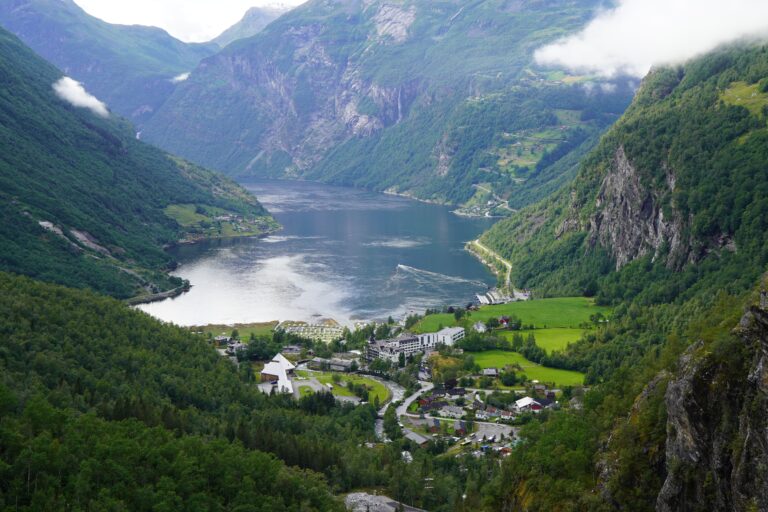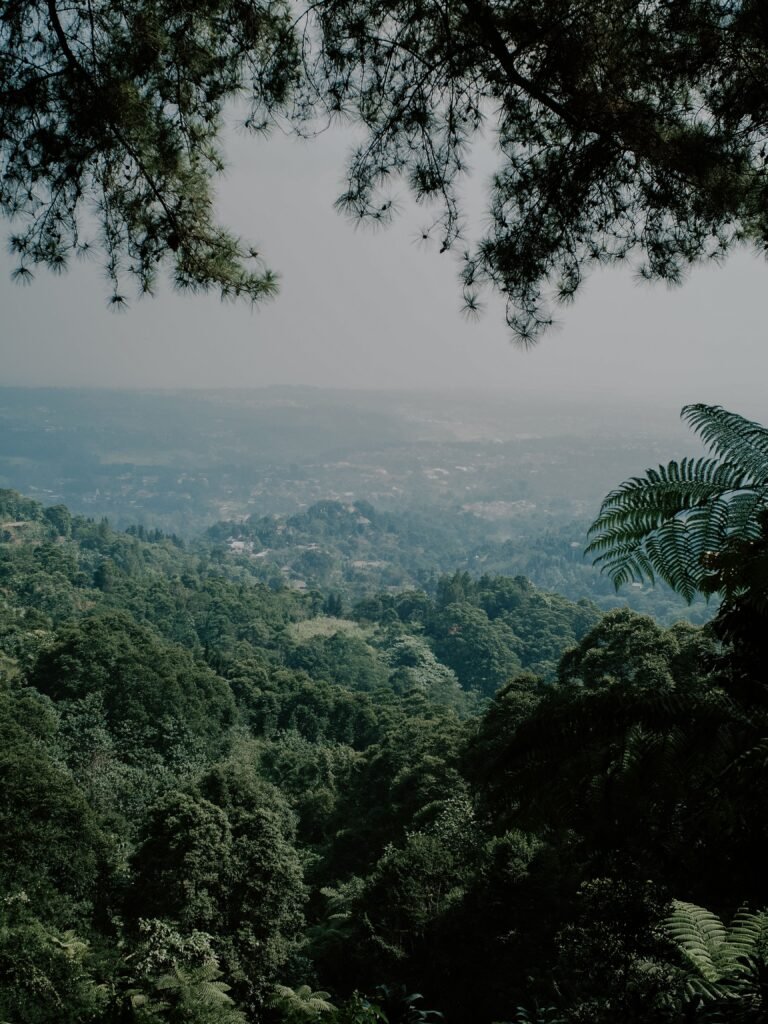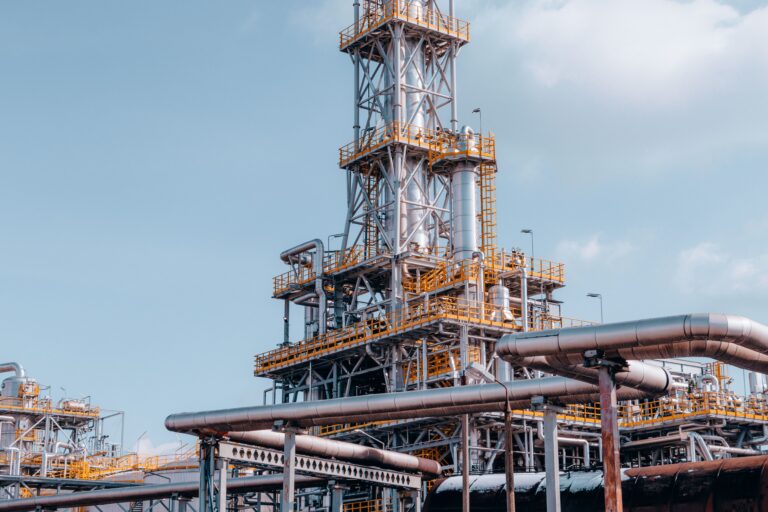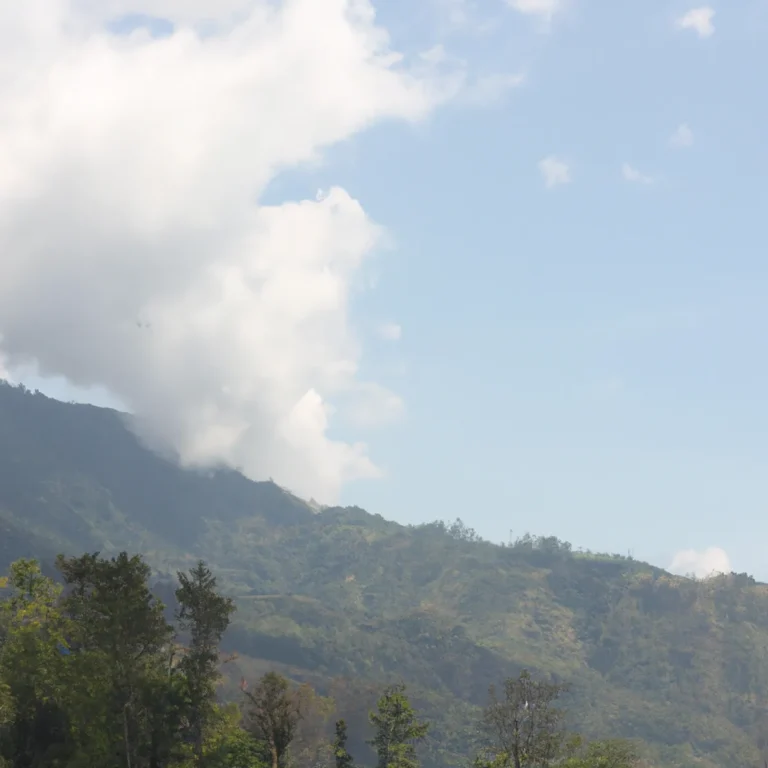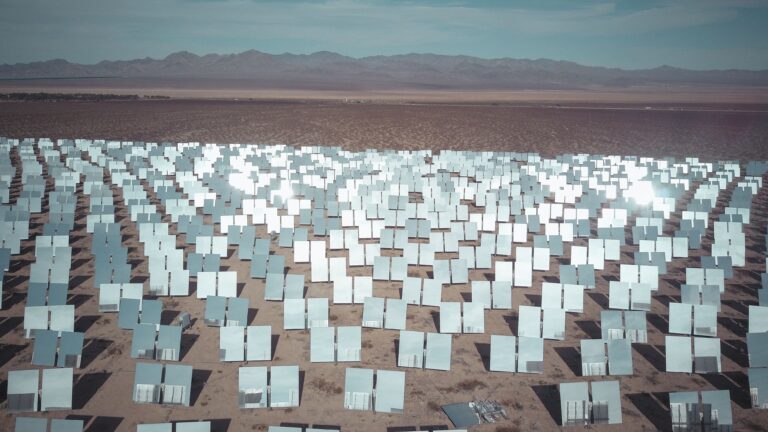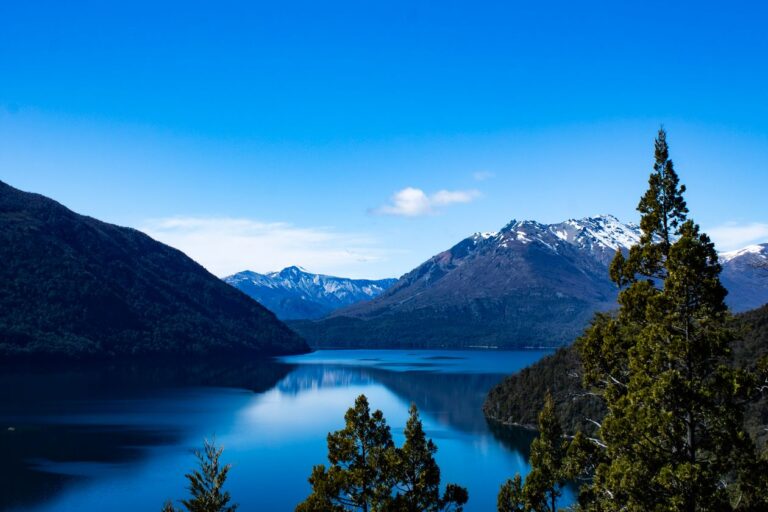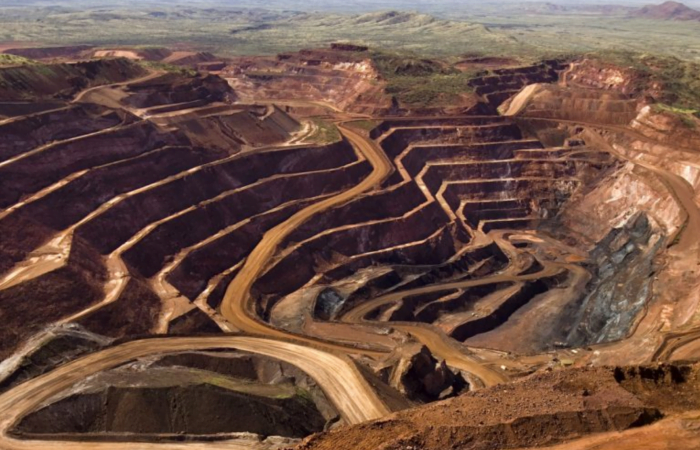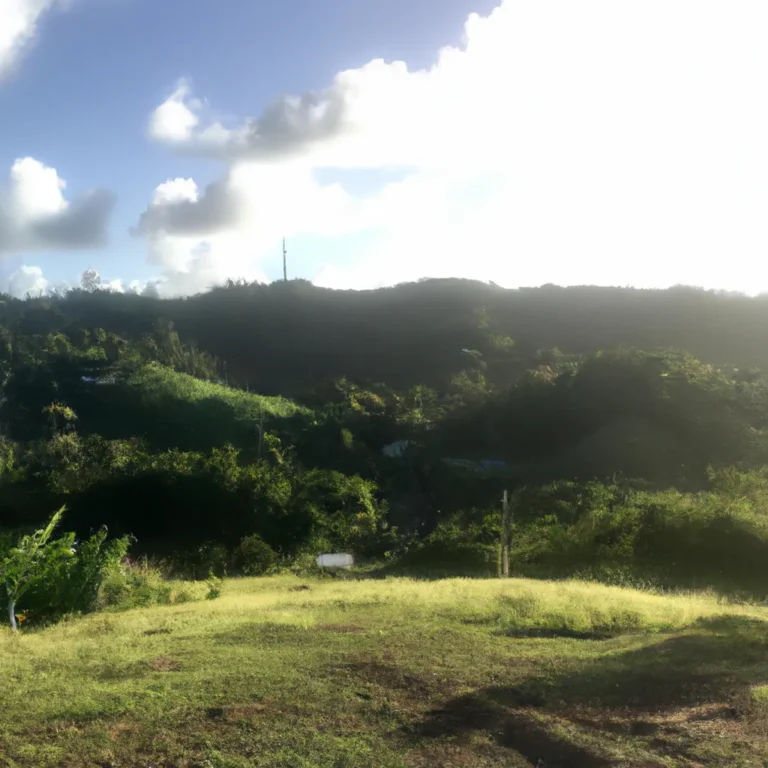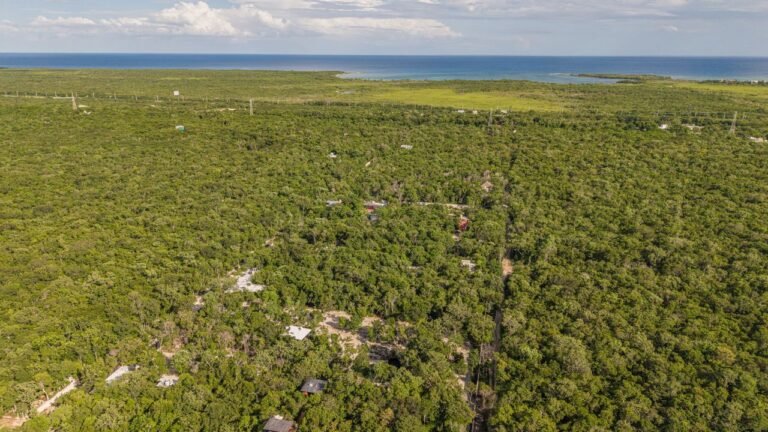
Natural resources are all the goods and elements that nature provides without human intervention and that are useful in meeting our needs. The water we drink, the soil we farm, the minerals we make tools from, the forests that clean the air and the fuels that move the economy are all natural resources. Understanding what they are, how they are classified and why every country has a different endowment is the first step to understanding sustainable development and the great environmental challenges of our time.
What are natural resources?
A natural resource is any component of nature that people can use to meet an economic, social or cultural need. Its existence does not depend on human activity: it is present on the planet thanks to geological, biological and climatic processes that have unfolded over millions of years. From natural resources we obtain food, energy, raw materials, drinking water and the environmental services that make life possible, such as climate regulation and crop pollination.
Table de contenidos
Types of natural resources
For an in-depth analysis of scientific classifications, overlapping boundary cases, and official international data, consult our comprehensive guide to Types of Natural Resources: Categories and Examples and Renewable vs Non-Renewable Resources.
The most common way to classify natural resources is by their ability to regenerate over time. On that criterion there are three broad groups: renewable, non-renewable and inexhaustible resources. Knowing this classification is essential to managing what nature provides responsibly and avoiding its depletion.
Renewable natural resources
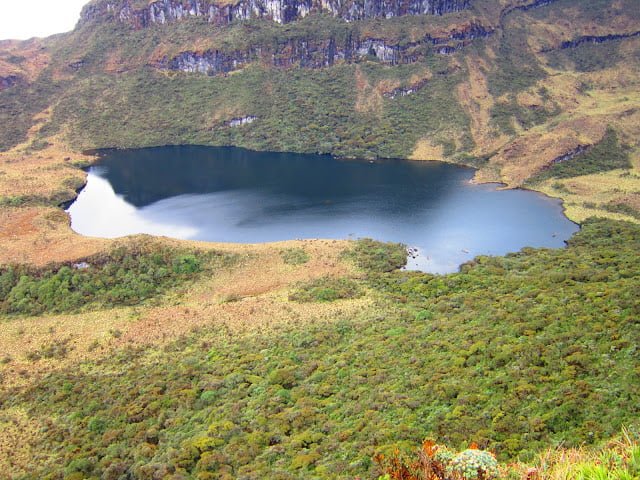
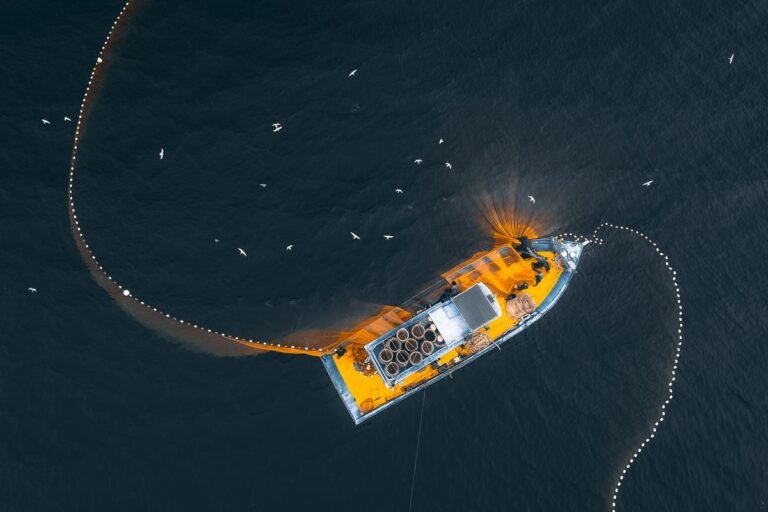
Renewable resources are those that regenerate naturally at a rate equal to or faster than they are consumed, provided they are used sustainably. Clear examples are water, forests, biomass, fish and fertile soils. Their renewable character is not unlimited, however: if the rate of exploitation outruns the rate of regeneration — as happens with overfishing or intensive logging — a renewable resource can degrade and even disappear.
Non-renewable natural resources
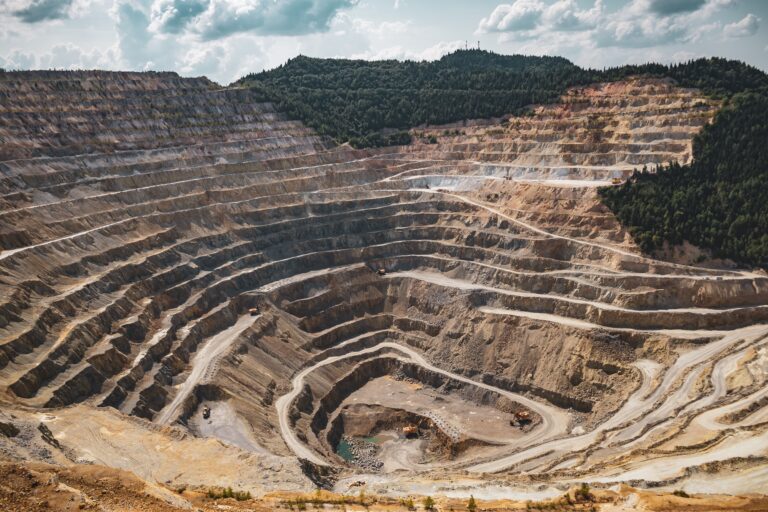
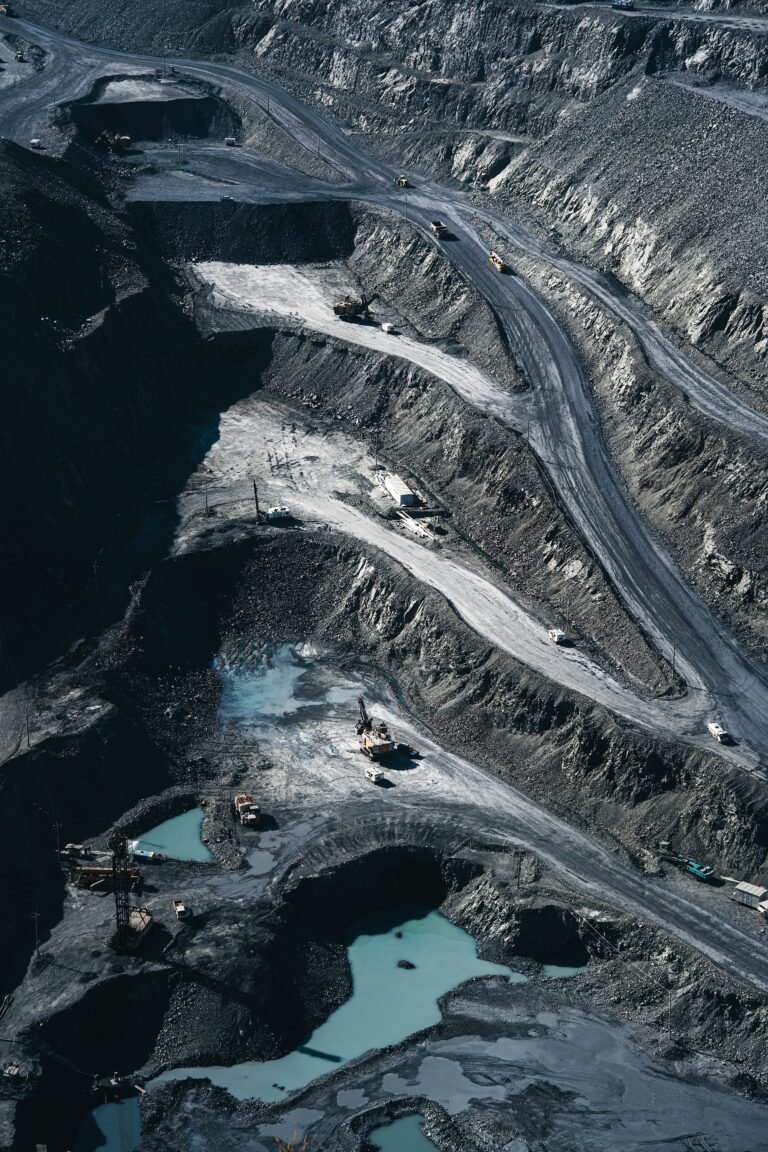
Non-renewable resources exist in finite quantities and take thousands or millions of years to form, so on a human timescale they are treated as exhaustible. This group covers fossil energy resources (oil, coal and natural gas — and metallic minerals such as iron, copper, gold and lithium. Because replacing them is effectively impossible, their use poses one of the greatest sustainability challenges: how to meet today’s demand without compromising the resources of future generations.
Inexhaustible or perpetual natural resources
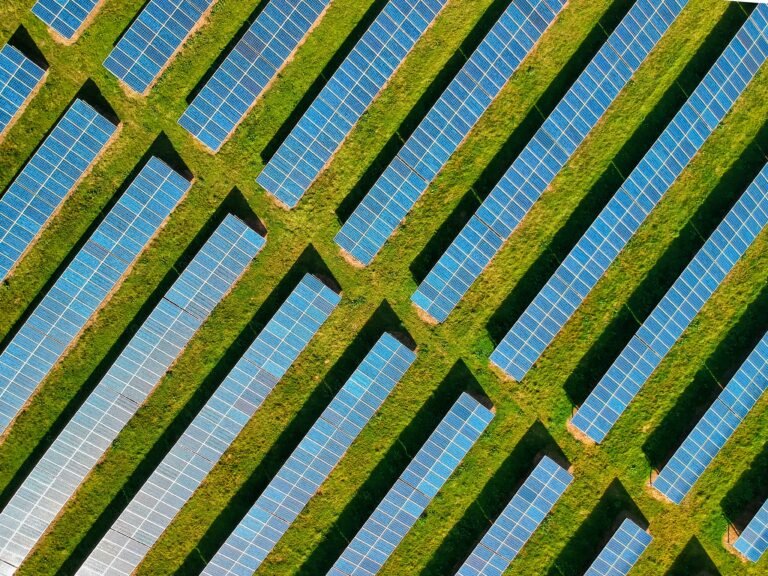
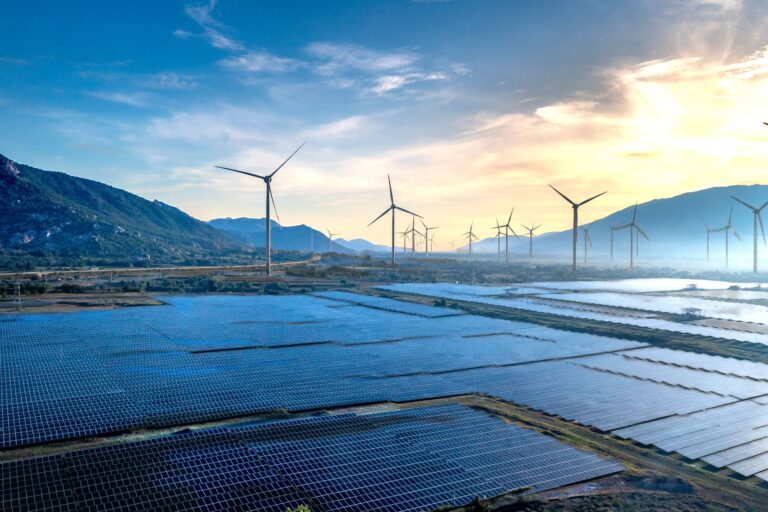
There is also a third group, the inexhaustible resources or perpetual resources, whose availability is unaffected by human consumption. Solar energy, wind, tides and geothermal heat belong in this category. They are the basis of clean energy and a fundamental alternative to fossil fuels in the transition to a more sustainable energy model.
Why natural resources matter
Natural resources are the foundation of the economy and of human wellbeing. Food production, energy generation, industry, construction and practically every productive activity depend on them. But their value goes well beyond the economic: they regulate the climate, sustain biodiversity, keep the water cycle turning and support the ecosystems our own species is part of. That is why managing natural resources responsibly is one of the pillars of sustainable development and of the UN Sustainable Development Goals.
Why does every country have different natural resources?
The endowment of natural resources varies enormously from one country to another because of geographic location, climate, geology, altitude and each territory’s natural history. Countries such as Russia, the United States and China hold vast mineral and energy reserves; tropical nations such as Brazil, Colombia and Indonesia stand out for their extraordinary biodiversity and their water and forest resources; while desert or island regions have more limited resources. That uneven distribution explains much of the trade relationships, geopolitical conflicts and development strategies of each nation.
Natural resources and sustainable development
Using natural resources has to be balanced against conserving them. Overexploitation, pollution and climate change are reducing the availability of many essential resources, putting both ecosystems and the economies that depend on them at risk. Practices such as the circular economy, renewable energy, reforestation and responsible consumption make it possible to meet present needs without exhausting the planet’s natural capital. That is precisely the central principle of sustainable development.
How to use this country-by-country guide
In this section you will find detailed profiles of the natural resources of countries around the world. Each guide describes a nation’s main minerals, hydrocarbons, water resources, soils, wildlife and plant life, along with their economic importance and the sustainability challenges that come with them. Use the search box to find a specific country, or browse the full list below.
The English edition is being built out country by country; the Spanish edition already covers more than 160 countries.
Country guides:
Afghanistan Natural Resources: Lapis Lazuli, Copper and Lithium
Afghanistan’s natural resources include minerals, hydrocarbons, water and biodiversity. What natural wealth does the country have? Highlights include part of […]
Africa Natural Resources: Cobalt, Platinum, Gold and Oil
Africa holds close to 30% of the world’s critical mineral reserves, including 76% of cobalt (DR Congo) and around 70% […]
Algeria Natural Resources: Africa’s Top Gas Producer and Iron
Algeria’s natural resources center on hydrocarbons as Africa’s largest natural gas producer, pumping roughly 100 billion cubic meters (bcm) in […]
Amazon Rainforest Natural Resources: Water and Wildlife
The Amazon holds the most valuable natural resources on the planet: more than half of the world’s remaining tropical rainforest […]
Angola Natural Resources: Oil, Diamonds and Natural Gas
Angola’s natural resources include oil, natural gas, diamonds, iron, copper and gold, along with vast forests and freshwater. What are […]
Antarctica Natural Resources: Ice Sheet, Marine Life and Minerals
Antarctica’s natural resources are unique on Earth: they belong to no single nation and commercial mining is strictly prohibited. The […]
Argentina Natural Resources: Lithium, Shale Oil and Soy
Argentina’s natural resources span oil, gas, minerals and rich wildlife and plant life. The country produces some 635,320 barrels of […]
Armenia Natural Resources: Copper, Molybdenum and Lake Sevan
Armenia, in the South Caucasus, has natural resources that include forests, water and minerals such as copper, gold, molybdenum and […]
Asia Natural Resources: Oil, Rare Earths, Rice and Water
Asia, the largest continent on the planet with its 48 countries, holds the world’s greatest concentration of natural resources: close […]
Australia Natural Resources: The World’s Iron Ore Leader
Australia’s natural resources span iron ore, coal and natural gas, the base of its exports. Its coal output reached 550 […]
Austria Natural Resources: Magnesite, Forests and Alpine Hydropower
Austria’s natural resources include forests covering 47.25% of its territory, minerals such as iron (2,800 thousand tonnes in 2019) and […]
Azerbaijan Natural Resources: Caspian Oil, Gas and Mud Volcanoes
Azerbaijan’s natural resources center on oil and natural gas, which make it a key energy exporter. What are Azerbaijan’s most […]
Bangladesh Natural Resources: Natural Gas, Jute and Mangroves
Bangladesh’s natural resources rest on forests, rivers and fertile land that place it among the world’s major rice producers. The […]
Barbados Natural Resources: Coral Reefs, Sugarcane and Onshore Oil
Barbados’s natural resources are above all its beaches, coral reefs and marine biodiversity, rather than its tiny oil and gas […]
Belgium Natural Resources: Coal, Limestone and Ardennes Forests
Belgium’s natural resources include fertile soils, coal, limestone, clay and sand, as well as its forests. How does Belgium produce […]
Belize Natural Resources: Forests, Barrier Reef and Sugar Cane
What are Belize’s natural resources? Its main sources of wealth are its forests and biodiversity: forest area covers 54.5% of […]
Bolivia Natural Resources: Lithium, Silver and Natural Gas
Bolivia’s natural resources encompass world-class mineral deposits—including the planet’s largest lithium reserve in the Salar de Uyuni (>20 million tonnes) […]
Bosnia and Herzegovina Natural Resources: Coal, Iron and Hydropower
Bosnia and Herzegovina’s natural resources stand out for coal reserves of 2,495 million tonnes and iron production of 1,622 thousand […]
Brazil Natural Resources: Oil, Iron Ore and Niobium
Brazil’s natural resources span oil, minerals, water and enormous Amazonian biodiversity. The country produced roughly 3.36 million barrels of crude […]
Burkina Faso Natural Resources: Gold, Cotton and Shea Trees
Burkina Faso’s natural resources stand out for their minerals: gold, zinc and manganese for trade. What are Burkina Faso’s most […]
Burundi Natural Resources: Nickel, Rare Earths and Coffee
Burundi’s natural resources include freshwater, fertile soils, forests and wide-ranging biodiversity in the heart of Africa. What wildlife does Burundi […]
Cambodia Natural Resources: Tonlé Sap Fisheries, Forests and Rice
Cambodia’s natural resources combine Southeast Asian water, forests and biodiversity. What is Cambodia’s natural wealth? The country has 476.1 km³ […]
Cameroon Natural Resources: Oil, Congo Basin Timber and Cocoa
Cameroon’s natural resources include oil, natural gas, gold, bauxite, cobalt and iron, along with forests covering 43.03% of the territory. […]
Canada’s Natural Resources: Oil Sands, Potash and Forests
Canada’s natural resources make it the world’s fourth-largest oil producer, at some 5.1 million barrels a day in 2024, and […]
Caribbean Natural Resources: Marine Ecosystems, Minerals and Solar
The Caribbean holds immense natural wealth: it is one of Earth’s 36 global biodiversity hotspots, home to approximately 11,000 plant […]
Central America Natural Resources: Biodiversity, Water and Forests
Central America’s natural resources combine emerging mineral wealth (the Cobre Panamá mine produced roughly 350,000 tonnes of copper per year, […]
Chad Natural Resources: Oil, Livestock and Natron
Chad’s natural resources include oil, with production of 144,000 barrels a day in 2024, as well as gold, uranium, titanium […]
Chile Natural Resources: The World’s Top Copper Producer
Chile’s natural resources revolve around copper, of which it is the world’s leading producer, at some 5.5 million tonnes in […]
China Natural Resources: Rare Earths, Coal, Hydro and Solar
China’s natural resources encompass world-leading deposits of coal, rare earths, aluminium, and vast hydroelectric networks. In 2023, the country achieved […]
Coal: What It Is, Types, Uses and Environmental Impact
Coal is a combustible, carbon-rich sedimentary rock formed over millions of years from buried plant remains. It was the world’s […]
Colombia Natural Resources: Water, Birds, Coal and Emeralds
Colombia’s natural resources span water, biodiversity, minerals and hydrocarbons: it is the sixth country in the world by freshwater reserves, […]
Costa Rica Natural Resources: Forests, Water and Green Power
Costa Rica’s natural resources stand out for water, forests and biodiversity. The country holds water reserves of 112.4 km³ and […]
Croatia Natural Resources: Adriatic Coast, Forests and Bauxite
Croatia’s natural resources span the Adriatic coast, its extensive forests and several minerals such as bauxite, coal and salt. Forests […]
Cuba Natural Resources: Nickel, Cobalt and Biodiversity
Cuba’s natural resources stand out for biodiversity rather than minerals: the island hosts 1,103 fish species, the tocororo as its […]
Cyprus Natural Resources: Copper, Offshore Gas and Solar Power
Cyprus’s natural resources include minerals such as copper and iron, citrus and olive crops, and forest area covering 18.67% of […]
Czech Republic Natural Resources: Coal, Uranium and Saaz Hops
The Czech Republic’s natural resources include coal, with reserves of 4,012 million tonnes, and minerals such as uranium, lead and […]
Denmark Natural Resources: Wind Power, North Sea Oil and Farmland
Denmark’s natural resources combine North Sea oil, at about 62,800 barrels a day in 2024 (34th in the world), with […]
Dominica Natural Resources: Forests, Rivers and Geothermal Energy
Dominica’s natural resources rest on its forests, fertile soils and rich Caribbean biodiversity. What are Dominica’s most important natural resources? […]
Dominican Republic Natural Resources: Gold, Nickel and Forests
The natural resources of the Dominican Republic are led by extensive forests, freshwater reserves, and world-class mineral deposits: forest cover […]
Ecuador Natural Resources: Oil, Biodiversity and Hydropower
Ecuador’s natural resources include abundant freshwater, extensive forests, exceptional biodiversity, and strategic minerals: the country holds 442.4 km³ of renewable […]
Egypt Natural Resources: How the Nile Shapes a Desert
Egypt’s natural resources rest on oil, at 560,942 barrels a day in 2021, which places the country 16th in the […]
El Salvador Natural Resources: Geothermal Energy and Forests
El Salvador’s natural resources are characterized by fertile volcanic soils, 26.27 km³ of freshwater, and world-class geothermal energy reservoirs that […]
Energy Resources: Types, Sources and Uses
Energy resources encompass all primary physical and chemical sources that can be converted into usable heat, mechanical motion, and electricity. […]
Environmental Impact of Mining: Types, Effects and Solutions
Mining is the extraction of minerals and metals from the Earth’s crust, and it takes three main forms: open-pit, underground […]
Equatorial Guinea Natural Resources: Oil, Gas and Rainforests
Equatorial Guinea’s natural resources combine oil, gas, timber and minerals. Gas stands out, with annual production of 6,200 million cubic […]
Ethiopia Natural Resources: Hydropower, Blue Nile Water and Coffee
Ethiopia’s natural resources span water, forests, biodiversity and hydropower. Which of Ethiopia’s natural resources carry the most weight? In 2025 […]
Europe Natural Resources: Forests, Gas and Minerals
Europe holds around 25% of the world’s forest area, the largest share of any region (FAO 2025), is home to […]
Fiji Natural Resources: Forests, Sugarcane and Vatukoula Gold
Fiji’s natural resources include water, forests and remarkable marine biodiversity. What are Fiji’s most important natural resources? The archipelago has […]
Finland Natural Resources: Boreal Forests, Chromium and Platinum
Finland’s natural resources are concentrated in its forests, which cover 73.72% of the territory, and in minerals such as iron, […]
Forest Resources: Uses, Benefits and Conservation
Forest resources encompass the biomass, biodiversity, and ecosystem services provided by the world’s 4.06 billion hectares of forest (covering ~31% […]
Fossil Fuels: What They Are and Why They’re Running Out
Fossil fuels (oil, coal and natural gas) are energy sources formed over millions of years from the remains of living […]
France Natural Resources: Forests, Water and Nuclear Power
France’s natural resources include water, forests, minerals and energy. The country holds water reserves of 211 km³, produces 380 thousand […]
Gabon Natural Resources: Oil, Manganese and Rainforest
Gabon’s natural resources are concentrated in oil, gas and a rainforest that covers 91.2% of the territory. What are Gabon’s […]
Georgia (Country) Natural Resources: Manganese, Hydropower and Wine
The natural resources of Georgia, the country in the South Caucasus, rest on forests, rivers, mountains and hydropower rather than […]
Germany Natural Resources: Europe’s Top Lignite Producer
Germany’s natural resources span minerals, forests and water. It is Europe’s largest lignite producer, at close to 102 million tonnes […]
Ghana Natural Resources: Gold, Cocoa, Oil and Lake Volta
Ghana’s natural resources are headlined by its status as Africa’s top gold producer (141 tonnes in 2024, ranking 6th globally), […]
Greece Natural Resources: Bauxite, Lignite and Perlite
Greece’s natural resources stand out for their minerals: silver, lead, iron and bauxite. In 2019 the country produced 2,284 thousand […]
Guatemala Natural Resources: Forests, Nickel and Hydropower
Guatemala’s natural resources include extensive tropical forests, 127.9 km³ of freshwater, metallic minerals (nickel, gold, silver), and agricultural soils that […]
Guinea-Bissau Natural Resources: Cashews, Fisheries and Forests
Guinea-Bissau’s natural resources stand out for their forests, fisheries and coastal biodiversity. How much forest does Guinea-Bissau have? Forests cover […]
Guyana Natural Resources: Offshore Oil, Gold and Bauxite
Guyana’s natural resources include oil, gold, diamonds and bauxite, as well as copper, manganese and radioactive minerals. In 2024 the […]
Haiti Natural Resources: Vetiver Oil, Gold and Hydropower
Haiti’s natural resources include water, forests, minerals and marine biodiversity. The country has 14.03 km³ of renewable freshwater resources, forests […]
Honduras Natural Resources: Coffee, Pine Forests and Hydropower
Honduras’s natural resources include gold, silver, zinc, timber, and abundant freshwater reserves. Forest cover spans 56.27% of the national territory […]
Iceland Natural Resources: Geothermal Energy, Fisheries and Aluminum
Iceland’s natural resources rest on fishing, aluminum and almost entirely renewable energy. In 2019 it produced 850 thousand tonnes of […]
India Natural Resources: Coal, Iron Ore, Arable Land and Solar
India’s natural resources center on vast mineral deposits, extensive arable land, and major river systems that sustain the world’s most […]
Indonesia Natural Resources: Nickel, Coal, Rainforests and Geothermal
Indonesia’s natural resources are defined by world-leading nickel dominance, massive thermal coal reserves, extensive tropical rainforests, and unequaled biodiversity across […]
Inexhaustible Resources: Meaning, Examples and Limits
Inexhaustible natural resources (or continuous resources) are planetary energy flows that do not diminish or deplete on any timescale relevant […]
Iran Natural Resources: Gas, Oil and Mineral Wealth
Iran’s natural resources center on vast fossil reserves, ranking second globally in proven natural gas reserves (~34 trillion cubic meters) […]
Iraq Natural Resources: Major Oil Reserves and Twin Rivers
Iraq’s natural resources are anchored by colossal petroleum wealth, ranking 5th in the world with proven reserves of 145 billion […]
Ireland Natural Resources: Zinc, Wind Power and Farmland
Ireland’s natural resources are notable for their minerals, especially zinc and lead, mined at Tara Mines near Navan, and gold, […]
Israel Natural Resources: Offshore Gas, Potash and Desalination
Israel’s natural resources center on major offshore natural gas discoveries in the Levant Basin, valuable evaporite minerals from the Dead […]
Italy Natural Resources: Marble, Geothermal Power and Wine
Italy’s natural resources run from minerals to Mediterranean agriculture. The country is famous for the white marble of Carrara, in […]
Ivory Coast Natural Resources: Cocoa, Gold and Offshore Oil
The natural resources of Ivory Coast (Côte d’Ivoire) include cocoa, coffee, oil, gold, diamonds and extensive forests. The country produces […]
Japan’s Natural Resources: Rich in Forests, Poor in Minerals
Japan’s natural resources stand out for its forests and water rather than its minerals. Forests cover 68.41% of the territory […]
Jordan Natural Resources: Phosphates, Potash and Oil Shale
Jordan’s natural resources are concentrated in minerals such as phosphates, potash, limestone and marble, along with natural gas and arable […]
Kenya Natural Resources: Geothermal Power, Tea and Savanna Wildlife
Kenya’s natural resources combine water, minerals, fertile soils and rich African wildlife. The country has 29 km³ of renewable freshwater […]
Kiribati Natural Resources: Tuna, Marine Reserves and Phosphate
Kiribati’s natural resources are mainly marine, as befits an atoll nation in the central Pacific. They include 543 fish species […]
Latin America Natural Resources: Copper, Lithium and Oil
Latin America is one of the richest regions on Earth in natural resources: it holds the world’s largest tropical rainforest […]
Latvia Natural Resources: Forests, Peat and Daugava Hydropower
Latvia’s natural resources center on its forests, which cover 55% of the territory (34,224 km²), along with freshwater, peat and […]
Lebanon Natural Resources: Cedars, Rivers and Offshore Gas
Lebanon’s natural resources include forests, rivers and mountains, with the iconic Forest of the Cedars of God as its greatest […]
Liberia Natural Resources: Iron Ore, Rubber and Tropical Forests
Liberia’s natural resources span mining, fishing, agriculture and one of the largest forest covers in the world, with 78.1% of […]
Libya Natural Resources: Oil, Natural Gas and Fossil Groundwater
Libya’s natural resources are based on oil and natural gas, along with iron, uranium, phosphates and salt. The Sirte Basin […]
Luxembourg Natural Resources: Forests, Iron Ore and Moselle Wine
Luxembourg’s natural resources include forests, freshwater and fertile soils, with forest covering 34.5% of the land and 3.1 km³ of […]
Madagascar Natural Resources: Vanilla, Minerals and Endemic Wildlife
Madagascar’s natural resources are celebrated for unparalleled biological endemism, global agricultural leadership producing 42% of the world’s vanilla, and 336 […]
Malawi Natural Resources: Lake Malawi, Tobacco and Uranium
Malawi’s natural resources include fertile land, forests, rivers, Lake Malawi and minerals such as coal, uranium from the Kayelekera deposit, […]
Malaysia Natural Resources: Palm Oil, Natural Gas and Rainforests
Malaysia’s natural resources include oil, natural gas, tin and bauxite, along with forests that cover more than half the country. […]
Marine and Fishery Resources: Types, Global Value and Limits
Marine and fishery resources encompass the living and non-living assets humans obtain from seas and oceans: fish, shellfish, algae, seabed […]
Mauritania Natural Resources: Iron Ore, Fisheries and Offshore Gas
Mauritania’s natural resources combine mining, fishing and desert and coastal biodiversity. What are Mauritania’s most important natural resources? Iron is […]
Mauritius Natural Resources: Ocean, Sugarcane and Endemic Wildlife
Mauritius’s natural resources revolve around water, forests and highly endemic island biodiversity. What are Mauritius’s most important natural resources? The […]
Mexico Natural Resources: World’s No.1 Silver Producer
Mexico’s natural resources include minerals, oil and enormous biodiversity: it is the world’s leading silver producer, with mineral resources valued […]
Mineral Resources: Types, Uses and Country Examples
Mineral resources are naturally occurring inorganic substances in the Earth’s crust with definite chemical compositions and physical properties, categorized into […]
Moldova Natural Resources: Chernozem Soils, Wine and Rivers
Moldova’s natural resources are based on its rivers, fertile soils and forests. What are Moldova’s most notable natural resources? The […]
Mongolia Natural Resources: Coal, Copper and Cashmere
Mongolia’s natural resources are concentrated in minerals, hydrocarbons, water and forests. What are Mongolia’s most important natural resources? Coal stands […]
Montenegro Natural Resources: Coal, Bauxite and Hydropower
Montenegro’s natural resources combine coal (reserves of 156,528,020 tonnes in Pljevlja), forests covering 61.49% of the territory and hydropower that […]
Morocco Natural Resources: Phosphates, Fisheries and Solar Power
Morocco’s natural resources combine mining, fishing and Mediterranean agriculture. Its key resource is phosphate: the country holds more than 70% […]
Mozambique Natural Resources: Natural Gas, Coal and Titanium
Mozambique’s natural resources include coal (reserves of 1,975 million tonnes in Tete), natural gas and strong hydroelectric generation (16.3 TWh […]
Natural Gas: What It Is, How It Forms and Its Uses
Natural gas is a fossil fuel made up mainly of methane (CH4) that formed over millions of years from buried […]
Nepal Natural Resources: Hydropower, Forests and Medicinal Plants
Nepal’s natural resources revolve around the water and biodiversity of the Himalayas, with 210.5 km³ of renewable freshwater resources and […]
Netherlands Natural Resources: Agriculture, Water and Gas
The Netherlands’ natural resources are limited in metallic minerals, but the country excels in strategic water management, fertile polder agriculture, […]
New Zealand Natural Resources: Water, Forests and Clean Energy
New Zealand’s natural resources are defined by 327 km³ of freshwater reserves, 99,503 km² of forests covering 37.8% of the […]
Nicaragua Natural Resources: Gold, Freshwater and Tropical Forests
Nicaragua’s natural resources include tropical forests, wetlands, minerals and abundant freshwater, with 196.6 km³ of renewable freshwater resources and Lake […]
Niger Natural Resources: Uranium, Oil and Sahel Agriculture
Niger’s natural resources rest on uranium, gold and coal mining, with coal reserves of about 90 million tonnes (2023), mined […]
Nigeria Natural Resources: Africa’s Largest Oil Producer
Nigeria’s natural resources stand out for its oil and natural gas reserves, with gas output of 39.1 billion cubic meters […]
North America Natural Resources: Oil, Silver and Forests
North America holds exceptional natural wealth: Mexico is the world’s largest silver producer with 6,300 tonnes in 2024 (USGS), the […]
Norway Natural Resources: Oil, Gas, Forests and Hydro Power
Norway’s natural resources are anchored by immense North Sea oil and natural gas reserves alongside an extraordinary hydroelectric power system. […]
Oceania Natural Resources: Iron, Lithium and Coral Reefs
Oceania holds some of the most strategic natural resources on the planet: Australia produced around 930 million tonnes of iron […]
Oman Natural Resources: Oil, Frankincense and Green Hydrogen
Oman’s natural resources are concentrated in oil, natural gas and minerals such as aluminum. In 2023 it produced about 1.06 […]
Pakistan Natural Resources: Thar Coal, Indus Water and Copper
Pakistan’s natural resources include major mineral and energy reserves, with coal production of 7.7 million tonnes in 2020 and 82,514 […]
Panama Natural Resources: Canal Water, Rainforests and Copper
Panama’s natural resources stand out for their water, forests and biodiversity, with 148 km³ of renewable freshwater resources and annual […]
Paraguay Natural Resources: Hydropower Giant and Rich Soils
Paraguay’s natural resources are defined by vast freshwater reserves, productive agricultural soils, and exceptional hydroelectric capacity. The country holds 387.8 […]
Peru Natural Resources: Copper, Silver and the Amazon
Peru’s natural resources span minerals, hydrocarbons and water that sustain its economy. In 2024 copper production reached some 2.6 million […]
Philippines Natural Resources: Nickel, Geothermal Power and Reefs
The Philippines’ natural resources combine mining, biodiversity and clean energy: the country is the world’s second-largest nickel producer and harnesses […]
Poland Natural Resources: Coal, Copper and Silver
Poland’s natural resources are concentrated in coal and copper. In 2020 it produced 100.7 million tonnes of coal, 10th in […]
Portugal Natural Resources: Cork Leader, Lithium and Wind Power
Portugal’s natural resources combine world-leading non-timber forest products like cork with strategic minerals, including the European Union’s largest lithium deposits […]
Qatar Natural Resources: Natural Gas, Oil and Helium
Qatar’s natural resources are concentrated in hydrocarbons, with daily production of about 1.8 million barrels of oil and other petroleum […]
Renewable vs Non-Renewable Resources: Key Differences
The fundamental difference between renewable and non-renewable resources is their replacement timescale: renewable resources regenerate naturally within human timeframes (from […]
Romania Natural Resources: Black Sea Gas, Forests and Gold
Romania’s natural resources combine oil, gas, coal, aluminum, forests and abundant freshwater. What are Romania’s most important natural resources? The […]
Rwanda Natural Resources: Tantalum, Lake Kivu Methane and Tea
Rwanda’s natural resources are concentrated in water, fertile soils, forests and remarkable biodiversity. What are Rwanda’s most important natural resources? […]
Saudi Arabia Natural Resources: Oil Giant with Vast Solar Potential
Saudi Arabia’s natural resources are dominated by petroleum, holding the world’s second-largest proven crude oil reserves at approximately 267 billion […]
Senegal Natural Resources: Phosphates, Fisheries and Offshore Oil
Senegal’s natural resources combine minerals such as phosphate and salt with significant Atlantic fisheries and forest cover on 41.28% of […]
Sierra Leone Natural Resources: Diamonds, Rutile and Iron Ore
Sierra Leone’s natural resources include diamonds, gold, bauxite, iron and abundant water resources. In 2019 the country produced 4,720 thousand […]
Singapore Natural Resources: Water Innovation, Solar and Green Port
Singapore’s natural resources are characterized by severe land and mineral scarcity, prompting world-class resource stewardship through water reclamation, solar deployment, […]
Soil Resources: Types, Agricultural Importance and Conservation
Soil and agricultural resources comprise the fertile upper layer of the Earth and the arable land required to produce food, […]
Somalia Natural Resources: Livestock, Fisheries and Frankincense
Somalia’s natural resources include minerals such as uranium, gypsum and iron ore, along with possible offshore oil and gas reserves […]
South Africa Natural Resources: Platinum, Gold and Minerals Leader
South Africa’s natural resources are crowned by global mineral supremacy: holding 83% of world platinum group metal reserves in the […]
South Korea Natural Resources: Few Minerals, Vast Forests
South Korea’s natural resources include metallic minerals such as iron ore, gold, silver, copper, zinc and tungsten, along with coal, […]
Spain Natural Resources: Copper, Forests and Solar Power
Spain’s natural resources stand out for its minerals, with refined copper output of about 386,000 tonnes in 2019, alongside notable […]
Sudan Natural Resources: Gold, Oil and Gum Arabic
Sudan’s natural resources stand out for oil, gold and the water of the Nile. The country produces 90 tonnes of […]
Sweden Natural Resources: Iron Ore, Forests and Clean Energy
Sweden’s natural resources combine world-class mineral deposits, vast boreal timber reserves, and a virtually decarbonized energy system. How rich is […]
Switzerland Natural Resources: Water, Forests and Hydro Power
Switzerland’s natural resources center on abundant freshwater, extensive alpine forests, and hydroelectric energy, which generated 34.0 TWh in 2025 (Ember) […]
Syria Natural Resources: Oil, Phosphates and the Euphrates
Syria’s natural resources revolve around oil and gas, with estimated reserves of 2,500 million barrels that place it around 32nd […]
Thailand Natural Resources: Rubber, Rice and Natural Gas
Thailand’s natural resources are anchored by 457.2 km³ of freshwater reserves (ranking 21st globally), natural gas that generates 65.5% of […]
Trinidad and Tobago Natural Resources: Natural Gas, Oil and Asphalt
Trinidad and Tobago’s natural resources combine hydrocarbons with rich Caribbean biodiversity. The country produces 53,730 barrels of oil a day […]
Tunisia Natural Resources: Phosphates, Olive Oil and Petroleum
Tunisia’s natural resources include phosphates, oil, natural gas and minerals, in a territory that stretches from the Mediterranean to the […]
Turkey Natural Resources: Boron, Coal and Hazelnuts
Turkey’s natural resources include minerals such as iron and copper, fertile land and forests covering more than 25% of its […]
Types of Natural Resources: Categories and Examples
Natural resources are fundamentally classified by renewability into renewable (replenished by natural cycles, such as solar, wind, water, and forests) […]
Ukraine Natural Resources: Iron Ore, Coal and Chernozem Soils
Ukraine’s natural resources are defined by world-class chernozem black soils, immense iron ore reserves, and historical coal basins that powered […]
United Arab Emirates Natural Resources: Oil, Gas and Solar Power
The natural resources of the United Arab Emirates rest on oil and gas. It has produced an average of almost […]
United Kingdom Natural Resources: Offshore Wind and North Sea Gas
The United Kingdom’s natural resources combine historic offshore oil and gas basins in the North Sea with a rapid expansion […]
United States Natural Resources: Oil, Natural Gas and Coal
The natural resources of the United States make it the world’s leading producer of oil and natural gas, with about […]
Uruguay Natural Resources: 99% Green Grid, Beef and Cellulose
Uruguay’s natural resources underpin a high-productivity economy centered on agriculture, livestock ranching, commercial forestry, and clean power. The country holds […]
Uzbekistan Natural Resources: Gold, Natural Gas and Uranium
Uzbekistan’s natural resources are based on natural gas, oil and gold. What are Uzbekistan’s most valuable natural resources? The country […]
Venezuela Natural Resources: World’s Largest Oil Reserves
Venezuela’s natural resources include oil, gas, iron ore, gold, bauxite and diamonds, with crude oil as the base of its […]
Vietnam Natural Resources: Bauxite, Rare Earths, Rice and Hydro
Vietnam’s natural resources are anchored by immense bauxite reserves, fertile agricultural deltas, extensive mineral deposits, and 884.1 km³ of freshwater […]
Water Resources: Types, Uses and Availability
Water resources represent all liquid, solid, and atmospheric water available for ecological functions and human use. While water covers over […]
What Is Petroleum? How It Forms, Its Uses and Environmental Impact
Petroleum is a liquid fossil fuel formed over millions of years from the remains of marine organisms. It is a […]
What Natural Resources Does Russia Have? Gas, Oil, Timber
Russia’s natural resources make it an energy and mining power, ranking second worldwide in natural gas production and pumping some […]
Why Natural Resources Matter: Uses and Conservation
Natural resources are the physical backbone of human civilization: they supply 100% of human food, over 90% of raw industrial […]
Yemen Natural Resources: Oil, Coffee and Sidr Honey
Yemen’s natural resources are limited, but they include oil, gas and endemic biodiversity. What natural resources does Yemen have? After […]