


Burundi’s natural resources include freshwater, fertile soils, forests and wide-ranging biodiversity in the heart of Africa. What wildlife does Burundi have? The country has recorded 596 bird species, and forests cover 10.89% of its territory. Its renewable freshwater resources amount to 12.54 km³, and arabica coffee is its most valued plant.
Burundi, a small country in the heart of Africa, is home to a great diversity of plant and animal species, as well as rich natural resources.
Table de contenidos
From its fertile farmland to its natural forests and freshwater sources, Burundi has a wide variety of resources of great value to its economy and its people. The conservation and sustainable management of Burundi’s natural resources is key to ensuring its long-term well-being and development.
What are Burundi’s most important natural resources? What natural wealth does the country have? How many minerals does it have, and how does it rank globally? How much water does it have, and how does it generate energy?
Natural resources
Natural resources are materials or energy sources provided by or found on Earth that are useful to humans. Every product we manufacture is made up of natural resources.
- Renewable resources: these can be restored by natural processes faster than the rate at which they are consumed. Examples include solar radiation, wind, hydroelectric power, water when used properly, and plant and animal life.
- Non-renewable resources: once extracted, these are depleted and cannot regenerate. Examples include hydrocarbons, metals and minerals.
Examples of Burundi’s main natural resources
Burundi in figures: environmental indicators
The most recent official figures available on the state of Burundi’s environment.
| Forest cover | 10.9% of land area2023 |
|---|---|
| Protected land area | 7.6% of land area2025 |
| Annual change in forest area | stable (2018–2023) |
| Renewable freshwater per capita | 755 m³ per year2022 |
| Threatened species | 210 mammals, birds, fish and plants2022 |
| Agricultural land | 83.9% of land area2023 |
| Resource | Reserves / production | Source |
|---|---|---|
| Renewable freshwater | 12.54 km³ (119th, 2020) | FAO |
| Average rainfall | 1,274 mm (60th) | World Bank |
| Forests | 10.89% (2,796.4 km²) | World Bank |
| Environmental performance | 33.5 points (164th) | EPI 2024 |
| Birds | 596 species (2018) | BirdLife International |
Water resources of Burundi
Burundi has 12.54 km³ of renewable freshwater resources, which placed it 119th in the world ranking of water reserves in 2020. This East African country is home to two major rivers, the Ruzizi and the Kagera, which are vital sources of water for the population and for agriculture.
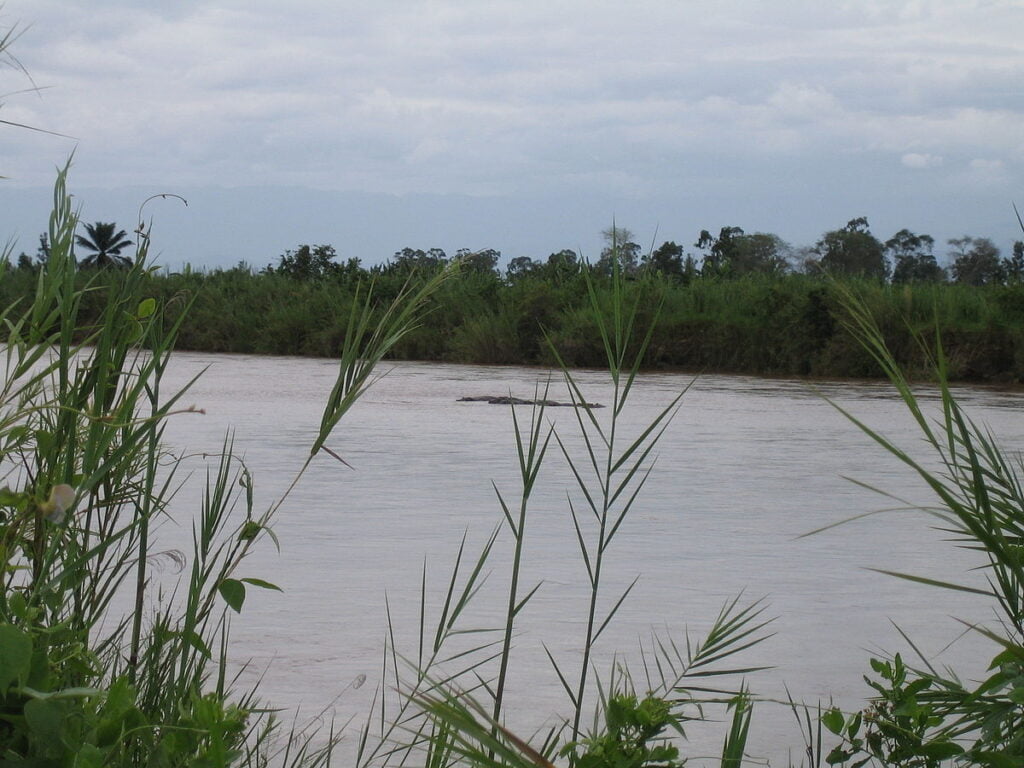
In addition, Lake Tanganyika, the second-deepest lake in the world, lies on the border between Burundi and Tanzania and is an important source of freshwater for the region.
Average rainfall and soils of Burundi
Burundi has an average annual rainfall of 1,274 mm, which places it 60th in the world for precipitation. This amount of rain is essential to the development of the country’s soils, which are nutrient-rich and very fertile thanks to the constant moisture.
Renewable electricity and hydropower production in Burundi
In 2024, Burundi generated 370 GWh of electricity from renewable sources — 76% of its total generation of 490 GWh — and hydropower alone supplied 360 GWh (Ember, 2024).
In the future, Burundi will need to invest in developing renewable energy sources in order to meet the country’s energy demand and reduce its dependence on fossil fuels.
Forest resources of Burundi
Burundi’s forest area covers 10.89% of its territory, equivalent to 2,796.4 km². Whatever its position in the world ranking of forest area, the country has implemented policies for the conservation and sustainable use of this natural resource. Burundi’s most important forest region is Kibira, in the northwest of the country.
Environmental performance and protection of Burundi’s natural resources
Burundi ranks 164th on the Environmental Performance Index (2024), with a score of 33.5. Even so, terrestrial protected areas cover 7.6% of the country’s land area, demonstrating its commitment to conserving natural resources.
Natural parks of Burundi: the hidden wealth of natural resources
Biodiversity: animal and plant resources of Burundi
Birds of Burundi
Burundi has a rich diversity of birds, with a total of 596 species recorded in 2018, placing it 56th in the world for number of bird species. Although it has no endemic bird species, it is worth noting that 15 of its bird species are endangered.
This natural resource is very important for the country, and one notable bird species is the kingfisher.

Fish and amphibians of Burundi
Burundi has a great diversity of natural resources, including 28 amphibian species and 243 fish species. Globally, it ranks 71st for number of amphibian species and 165th for number of fish species.
However, 17 fish species are threatened in the country.
Mammals of Burundi
Burundi has a great diversity of mammal species, although 14 of them are threatened.

Reptiles of Burundi
Burundi has 66 reptile species, ranking 92nd in the world; its main species is the chameleon.
Plants of Burundi
Burundi has a great diversity of vascular plants, with a total of 2,788 species recorded in 2020, placing it 72nd in the world. Among the most notable species is Coffea arabica, or arabica coffee, the country’s main coffee plant and one of the most highly valued in the world.
Organizations that protect or study Burundi’s natural resources
- FAO Burundi – Promotes sustainable agriculture and food security in Burundi.
- IUCN Burundi – Works on the conservation of ecosystems and biodiversity in Burundi.
- Greenpeace Africa – Promotes environmental protection and the fight against climate change in Burundi.
Burundi’s largest mineral asset is the Musongati nickel deposit, estimated at 150 million tonnes of ore that, besides nickel, contains platinum, palladium, copper, gold and iron, and that has yet to be mined industrially (Musongati, Wikipedia, citing primary sources).
Nickel and metals at Musongati
The Musongati deposit was estimated at 150 million tonnes of ore (Solomons, 2014). The Burundian state retains 15% of the company Burundi Musongati Mining, and the remaining 85% went to BMM International (2021). Mining also includes gold: between 2015 and 2019, estimated annual production ranged from 396 to 953 kilograms (Mining industry of Burundi, Wikipedia, citing Yager/USGS 2019).
Gakara and high-grade rare earths
The Gakara project holds rare earth concentrates of exceptionally high grade: 12,000 tonnes of high-grade ore containing 55% total rare earth oxides (TREO) in the Gasagwe, Murambi South and Gomvyi Centre deposits, plus 1.2 million tonnes at an average grade of 22% TREO at Kiyenzi (JORC estimate, December 2018). The operation was halted in August 2021, when Rainbow Rare Earths suspended almost its entire workforce (Mining industry of Burundi, Wikipedia, 2018/2021).
Coffee and tea, the engine of agricultural export earnings
Agriculture accounts for more than 50% of GDP and employs most of the workforce: 89% according to the 2002 labor census (Agriculture in Burundi, Wikipedia). Coffee and tea top the export basket, along with sugar, cotton and hides. In 2022 the country produced about 17,000 tonnes of coffee and 50,000 tonnes of tea (Economy of Burundi, Wikipedia, 2022).
Sources used
- Lists of countries by mineral production
- Economic data by country
- Forest area (km²)
- Forest area (% of land area)
- Arable land area (km²)
- Oil reserves
- Coal reserves
- Water and agriculture statistics
- Precipitation (mm)
- Environmental Performance Index
- CO2 emissions (tonnes per capita)
- Bird species
- Amphibian species by country
- Mammal species
- Endemic mammal species
- Plant species
- Reptile species by country
- Endemic bird species by country
Last updated: September 26, 2026
Leave a Reply