

Renewable natural resources are the ones nature regenerates at the same rate we use them or faster, so they do not run out if we use them in moderation. What are renewable natural resources? The sun, wind, water, biomass, geothermal heat and the tides. They produce fewer emissions than fossil fuels, and once the panels or turbines are installed, sunlight and wind are free.
Renewable natural resources are the ones nature regenerates over time. If we do not overuse them, they do not run out. The sun, wind, water and forests are the clearest examples, and today they are the basis of the clean energy powering more and more homes and industries.
Table de contenidos
What exactly are they?
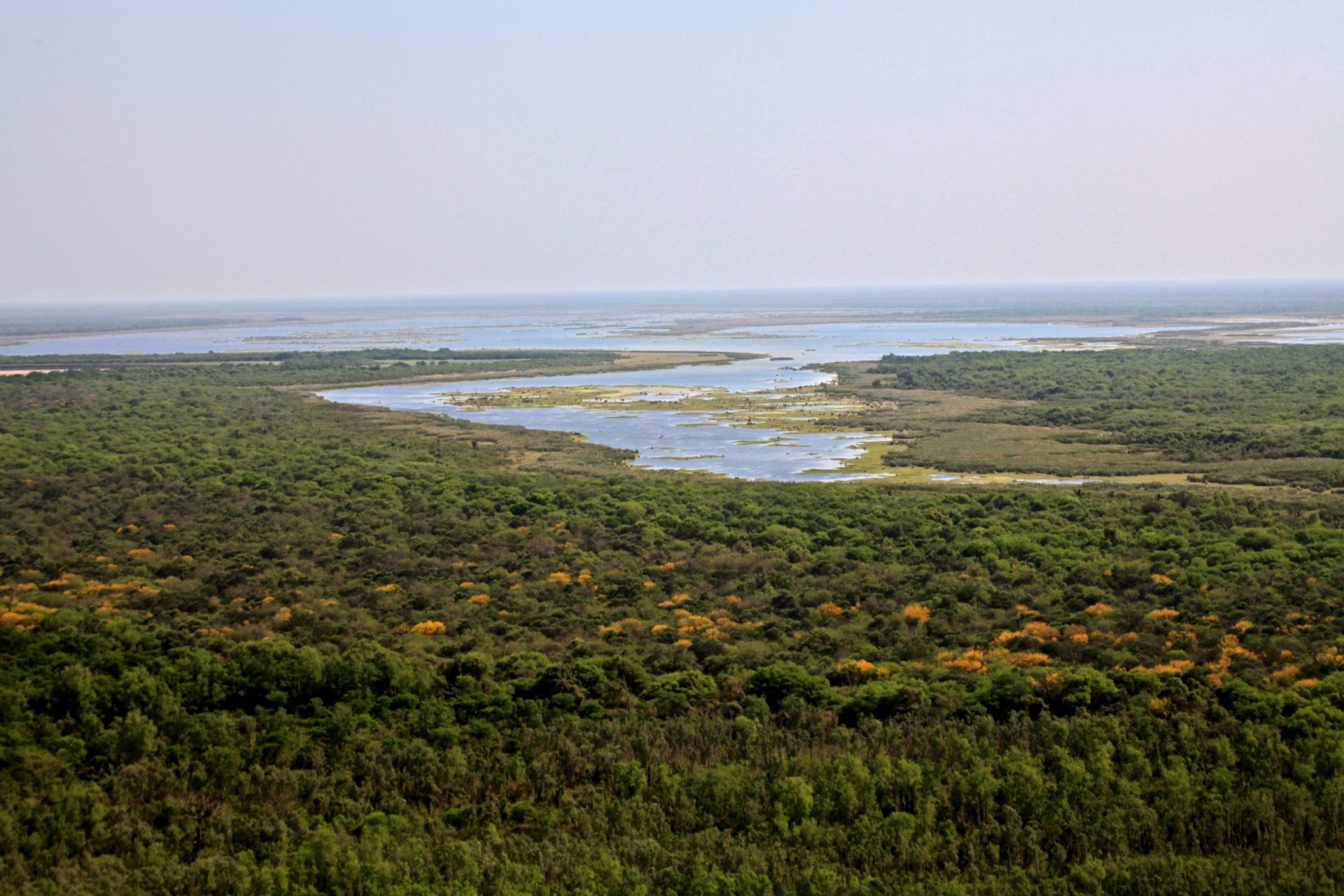
A renewable resource replenishes itself at a rate similar to or faster than we consume it. That is the great difference from oil or coal, which took millions of years to form and do not recover on a human timescale. A river’s water returns with the rain, a forest grows back if it is replanted, and the sun rises every morning without anyone managing it. That is why they are considered the most sensible long-term option.
Types and examples
These are the main renewable resources we already use day to day:
- Solar energy: sunlight captured by panels to produce electricity or heat water.
- Wind energy: the force of the wind that turns wind turbines.
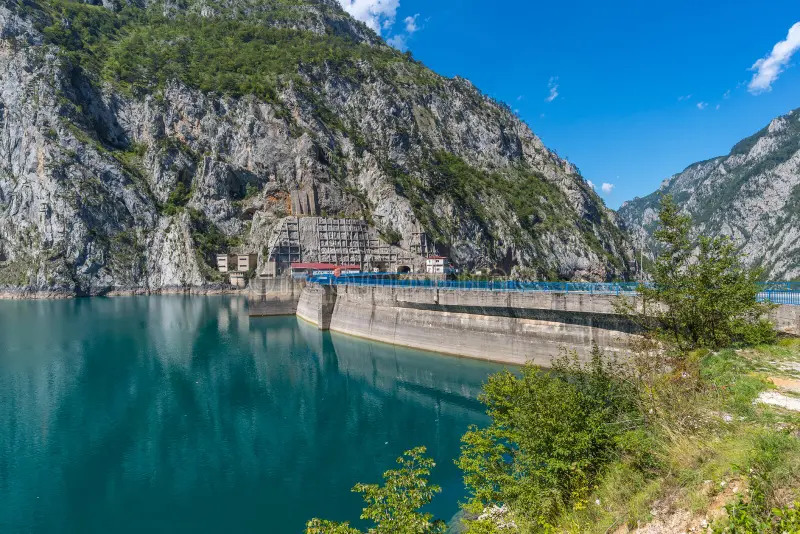
- Water: rivers and reservoirs that generate electricity in hydroelectric plants.
- Biomass: wood, plant residues and organic waste converted into fuel.
- Geothermal: heat from inside the Earth, useful for heating and electricity.
- Tides and waves: the movement of the sea, a source that is still young but has considerable potential.

Renewable and non-renewable: the difference
Not all resources behave the same way. Renewables regenerate; non-renewables such as oil, gas and minerals exist in fixed quantities and will one day run out. A country that commits to renewables depends less on imports and pollutes the air less. That is why so many governments have placed them at the center of their energy plans.

Why they still need care
A resource being renewable does not mean it is infinite. A forest stops being renewable if it is felled faster than it grows, and a river loses its value if it is polluted or dries up. The key is the rate: taking only what nature can replace. That is where responsible consumption comes in, along with everyday habits such as saving water, recycling or choosing electricity from clean sources.
Advantages of renewable energy
The advantages carry weight: they do not run out, they generate fewer emissions than fossil fuels, and they create jobs close to where they are installed. Once the panels or turbines are up, sunlight and wind are free. The remaining challenge is storing that energy well and continuing to bring the technology’s cost down, which improves every year.
How they are used around the world today
More and more countries cover part of their electricity with clean sources. Large solar farms are built in sunny areas, wind turbines go up along coastlines, and dams are built in regions with fast-flowing rivers. Many homes now put panels on the roof to spend less on their bills.
Understanding these resources helps explain why the transition to clean energy is moving so fast, and what part each person can play in it.
The United Nations Environment Programme (UNEP) noted in 2023 that renewable natural resources, such as solar and wind power, are the key to reaching carbon neutrality before 2050.
Organizations that protect or study renewable energy resources
- IRENA – International Renewable Energy Agency: intergovernmental body promoting the worldwide adoption of renewable energy.
- International Energy Agency (IEA): analyzes and guides global energy policy, including renewable sources.
- REN21: global network documenting the state of and trends in renewables.
- UNEP – United Nations Environment Programme: the UN’s environmental agency, driving the transition to clean energy.
- IUCN – International Union for Conservation of Nature: promotes renewable energy compatible with nature conservation.
- WWF (World Wide Fund for Nature): promotes a low-carbon future based on renewable energy.
Last updated: September 13, 2026
Leave a Reply