Category: Alternative Energy

Solar Energy: How It Works, Photovoltaic vs Thermal, and Uses
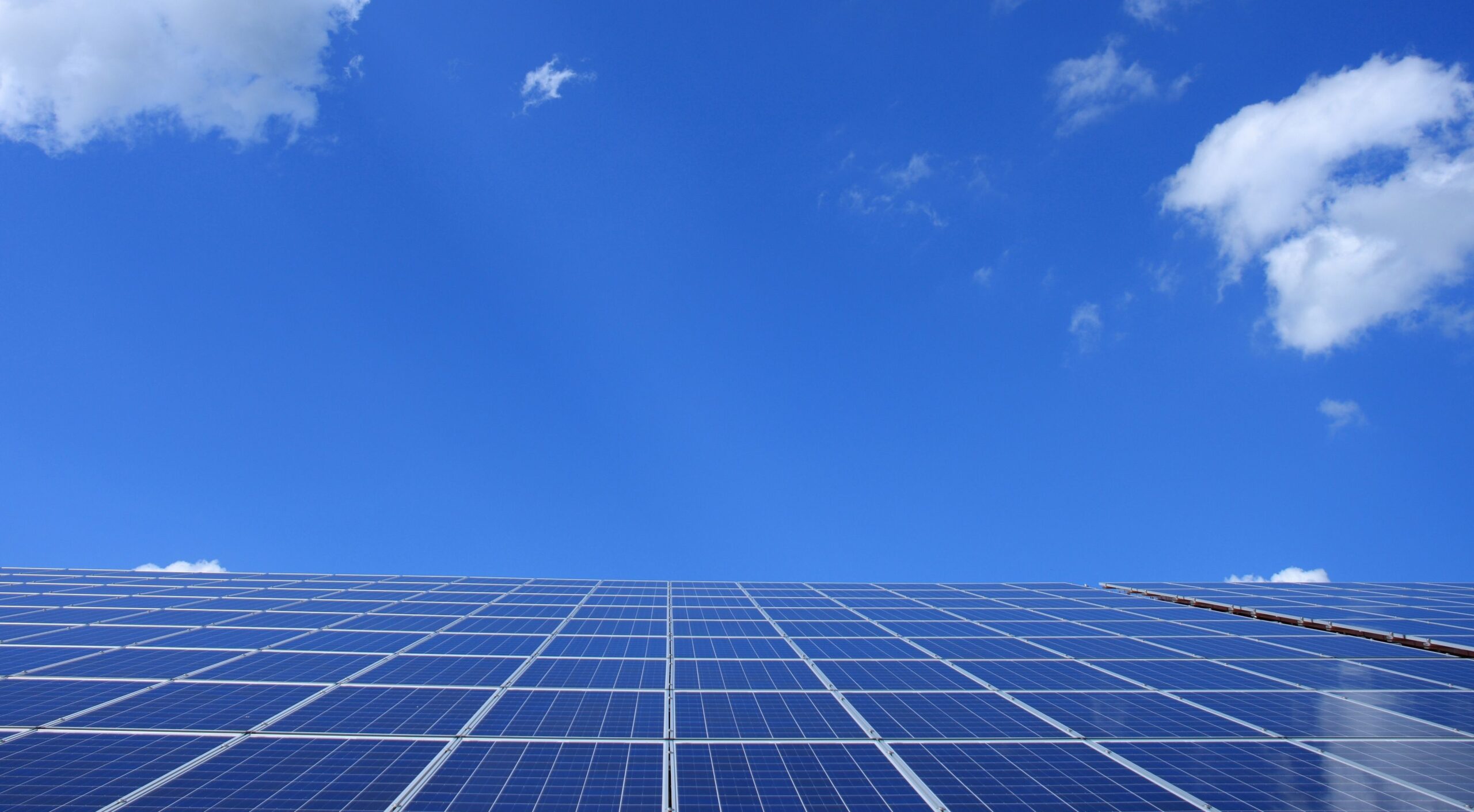
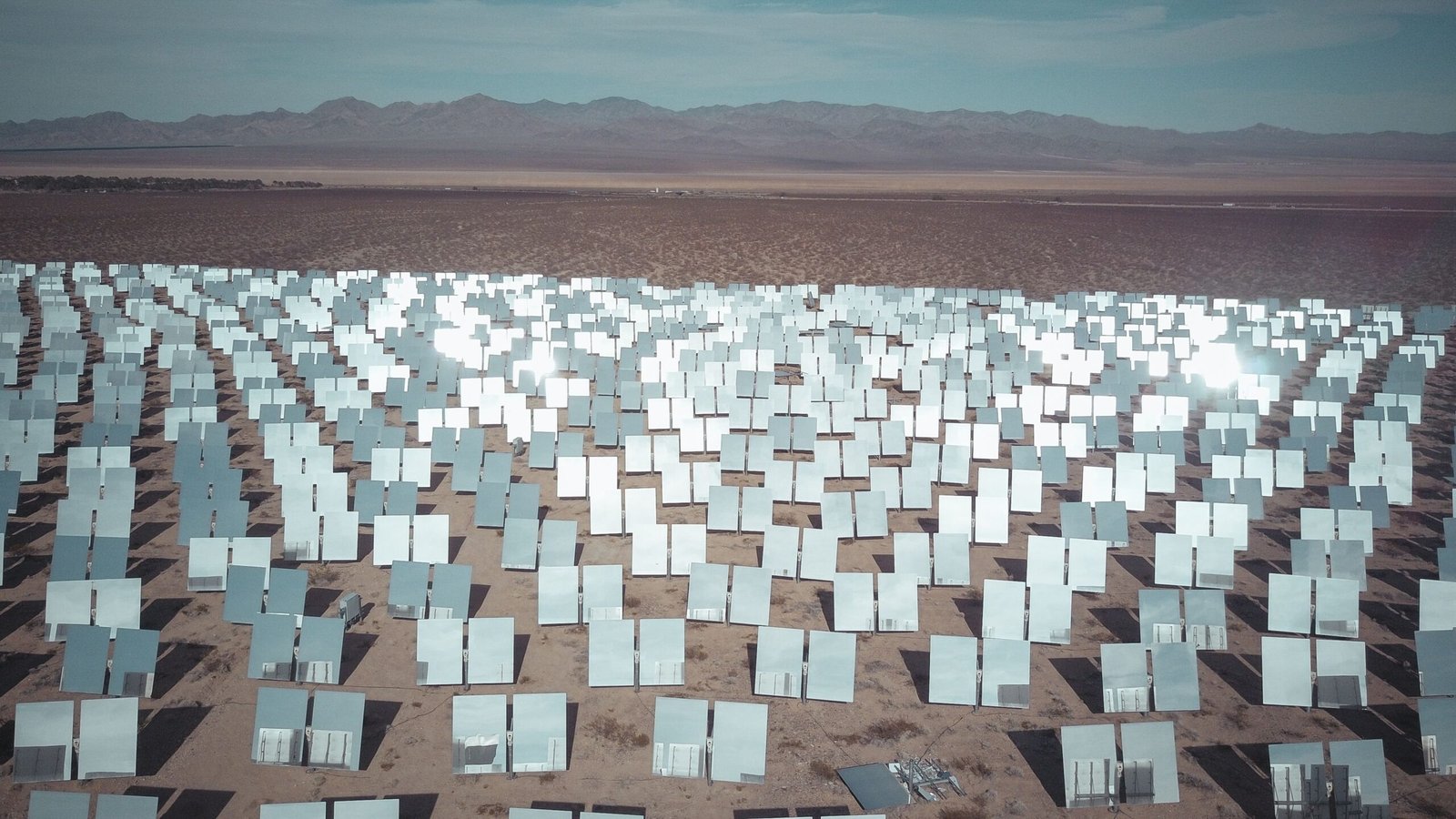
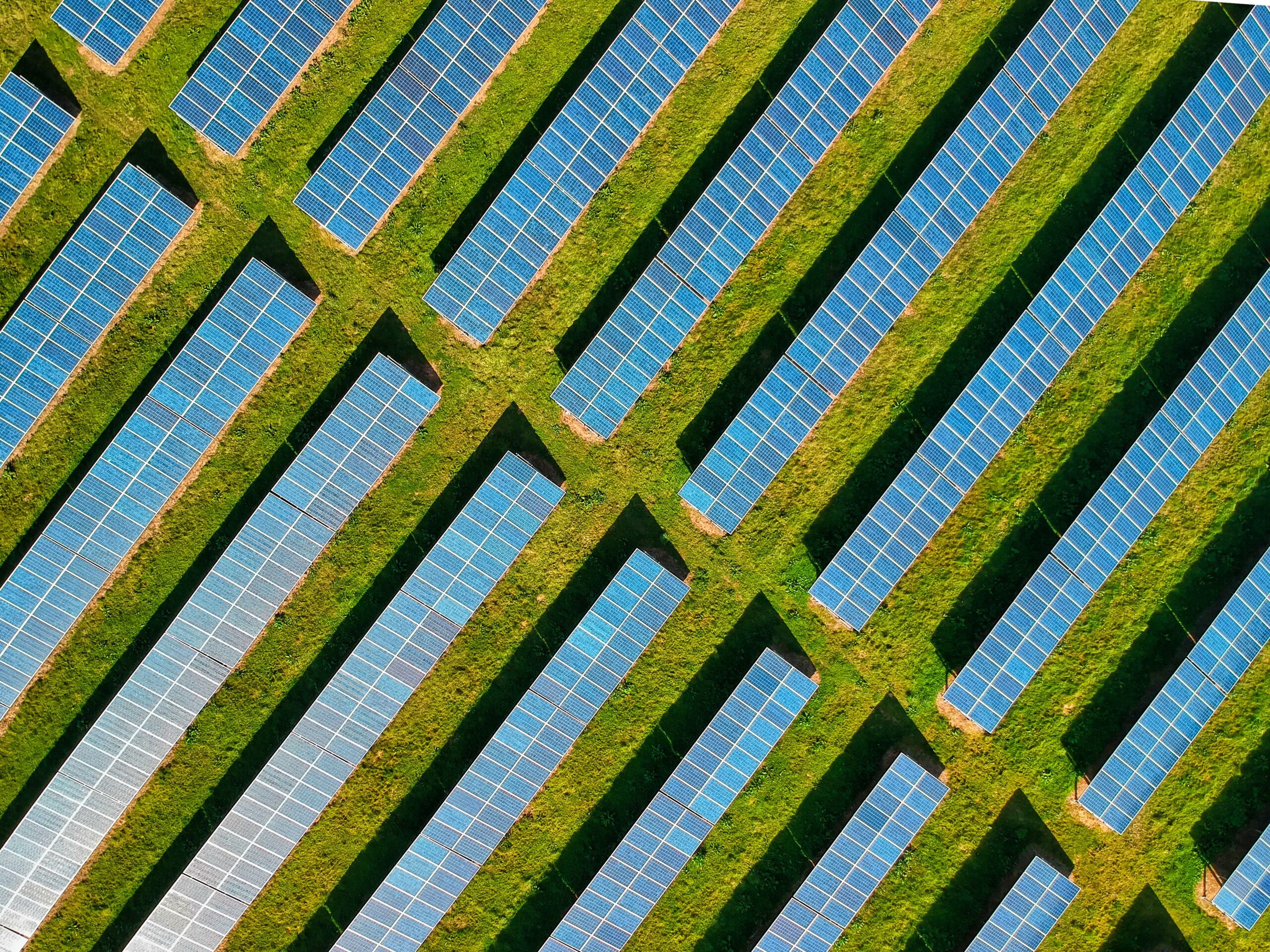
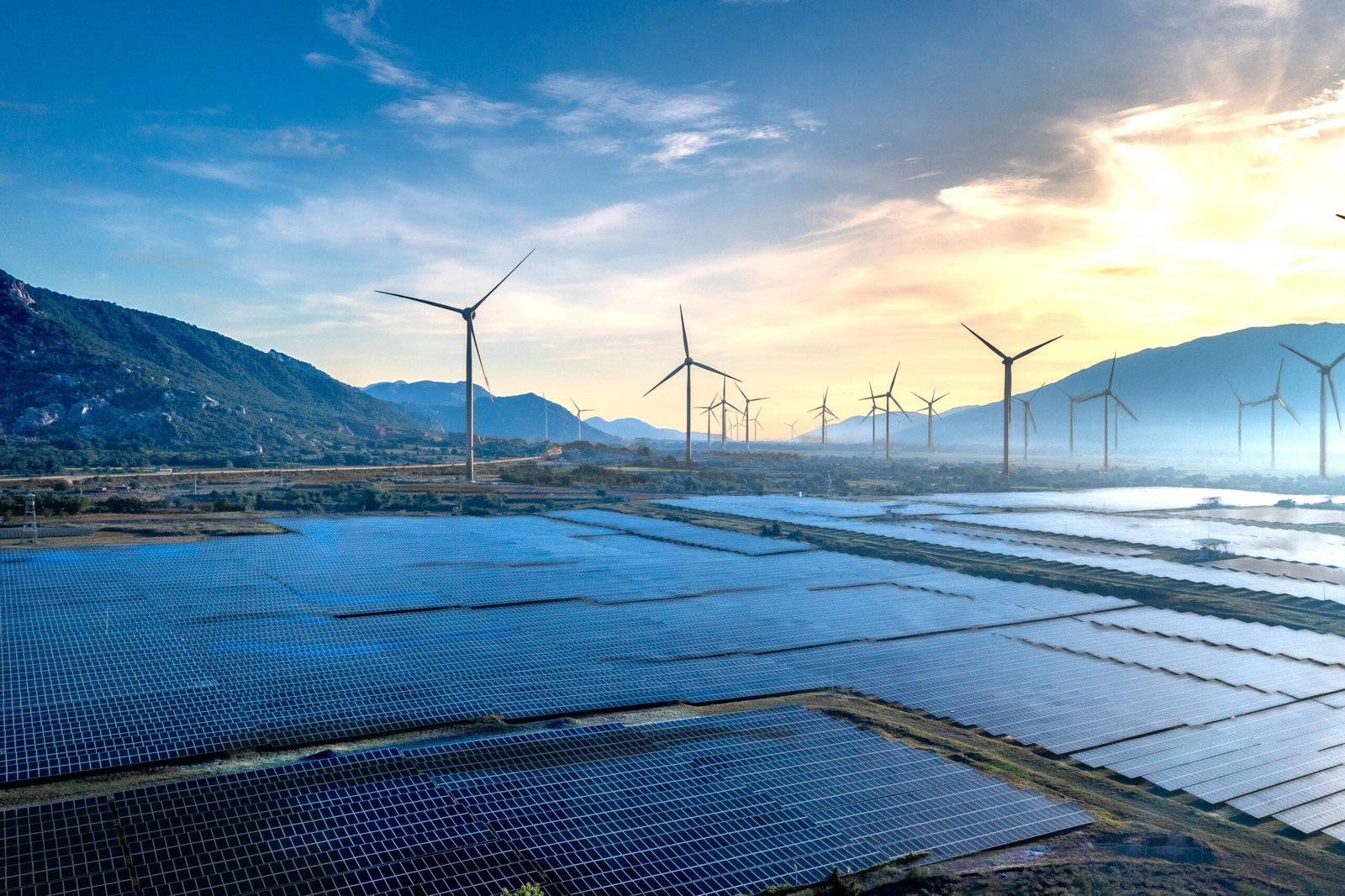
Solar energy is power harnessed from the Sun’s radiation, captured primarily through photovoltaic panels that convert light into electricity and solar thermal collectors that produce heat. In 2024, the world installed a record 451.9 GW of new solar PV capacity, pushing cumulative capacity past 1,865 GW, according to IRENA. Why has solar energy become the…

Wind Energy: How Wind Turbines Work, Advantages and Future
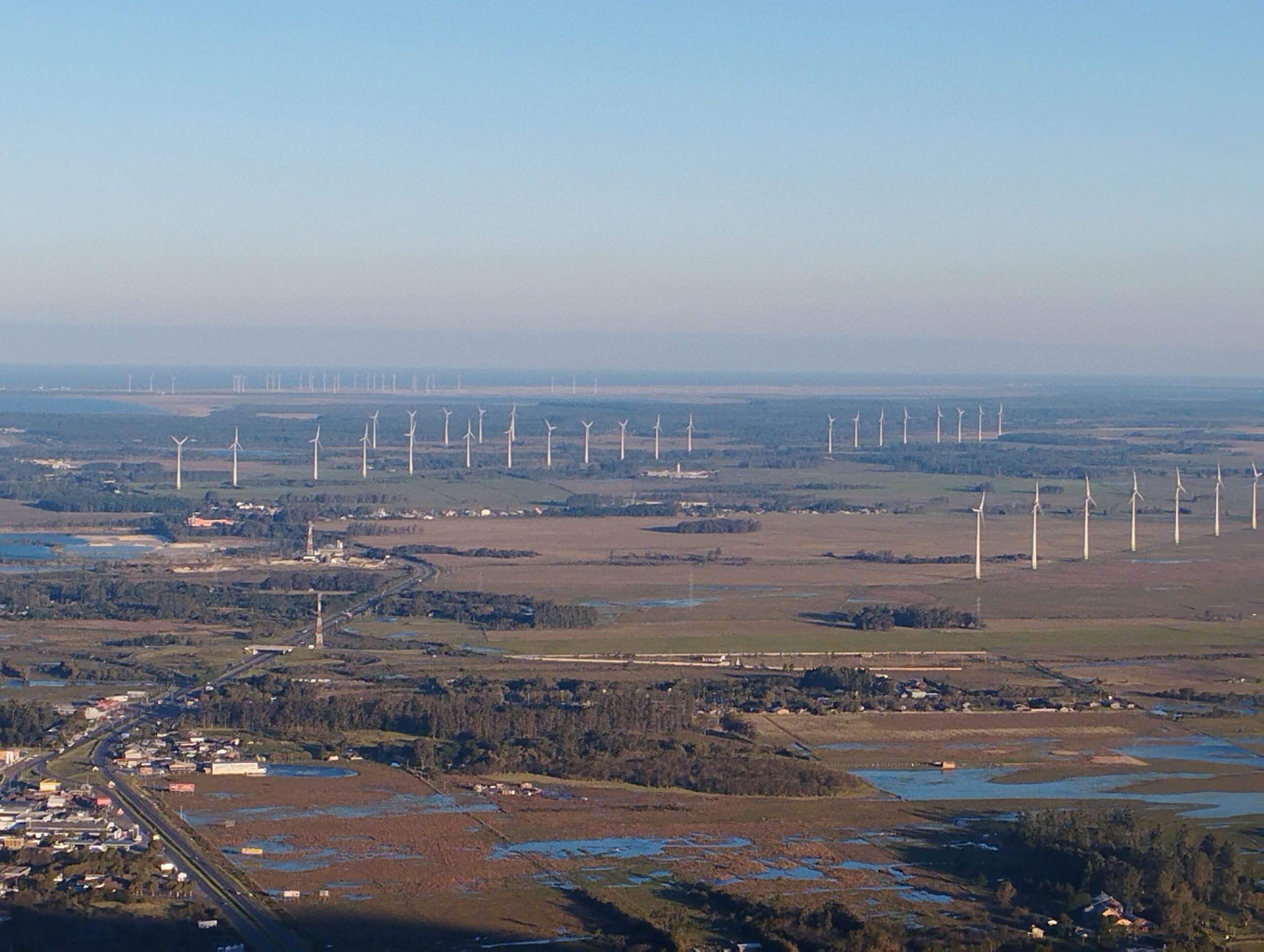
Wind energy is electricity generated by harnessing the kinetic power of moving air using wind turbines. By the end of 2024, cumulative global wind capacity reached 1,136 GW, supplying 8.1% of worldwide electricity, according to GWEC and Ember. It is an inexhaustible, clean renewable resource led by China with over 520 GW. How does a…

Hydropower: How Hydroelectric Energy Works, Types and Examples
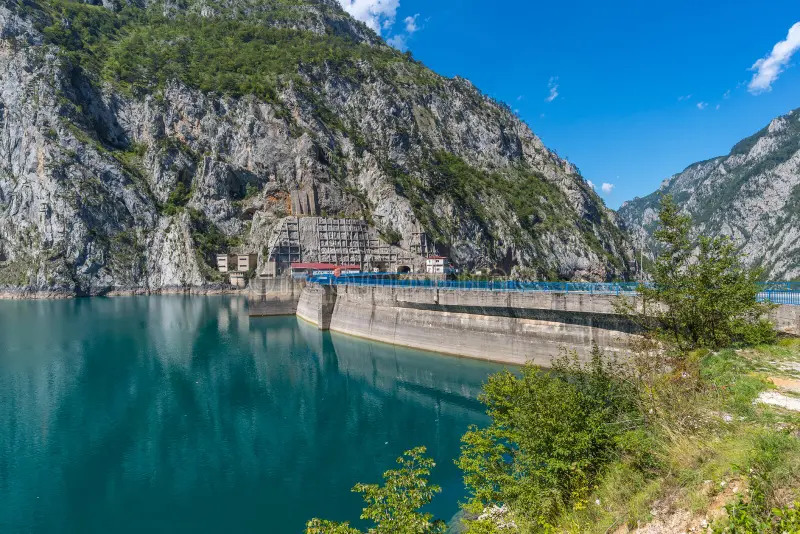
Hydropower harnesses the energy of moving water to generate electricity. It is the world’s largest renewable electricity source, producing approximately 4,578 TWh and providing nearly 14.3% of global electricity in 2024, with total installed capacity exceeding 1,250 GW across more than 150 countries (IHA 2025). How exactly does it work, and why does it remain…
Inexhaustible Resources: Meaning, Examples and Limits
Inexhaustible natural resources (or continuous resources) are planetary energy flows that do not diminish or deplete on any timescale relevant to humanity, including solar radiation, wind currents, geothermal heat, and tidal dynamics. Unlike replenishable biological resources (such as timber or fish stocks), inexhaustible flows cannot be over-harvested into extinction. However, a critical physical reality governs…

Energy Resources: Types, Sources and Uses
Energy resources encompass all primary physical and chemical sources that can be converted into usable heat, mechanical motion, and electricity. In energy systems analysis, experts strictly separate resource supply (the total raw energy extracted, such as barrels of crude or solar irradiance), generation capacity (the maximum potential power output of installed equipment, measured in gigawatts,…

Renewable vs Non-Renewable Resources: Key Differences
The fundamental difference between renewable and non-renewable resources is their replacement timescale: renewable resources regenerate naturally within human timeframes (from instantaneous solar irradiance to decades for mature forests), whereas non-renewable resources require millions of years of geological heat and pressure to accumulate, meaning their planetary stock is finite. In 2024, clean energy sources generated a…

What Are Renewable Resources? Types and Examples
Renewable natural resources are the ones nature regenerates at the same rate we use them or faster, so they do not run out if we use them in moderation. What are renewable natural resources? The sun, wind, water, biomass, geothermal heat and the tides. They produce fewer emissions than fossil fuels, and once the panels…