

Colombia is one of the planet’s 17 megadiverse countries: it is home to more than 83,000 recorded species and is considered the world’s second most biodiverse country, concentrating close to 10% of the planet’s biodiversity on just 0.22% of the Earth’s surface. It also has 311 types of continental and coastal ecosystems. What are the main features of Colombia’s biodiversity, and what threatens it?
With more than 83,000 recorded species, Colombia is considered the world’s second most biodiverse country, and the United Nations Environment Programme identifies it as one of the 17 megadiverse countries, which together hold 70% of the world’s biodiversity on only 10% of its land. Colombia covers 0.22% of the Earth’s surface and is home to close to 10% of the planet’s biodiversity.
However, the country’s biodiversity, along with its sustainable development, is under threat from, among other things, economic activities that degrade ecosystems.
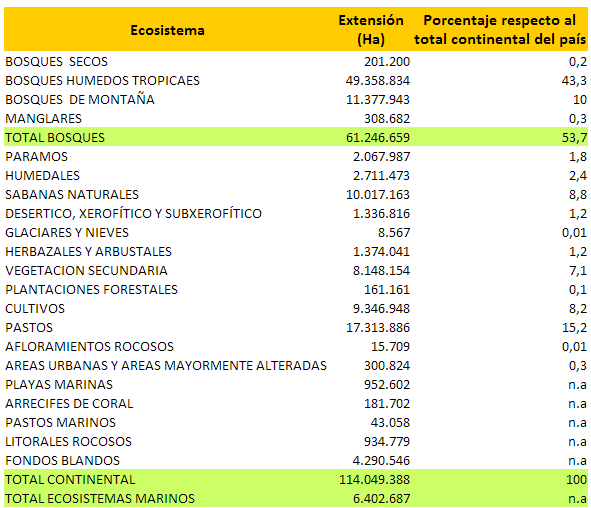
The country’s forests are an example of this. In 1990, forests covered about 56.5% of the national territory; by 2010, the figure had fallen to 51.4%. Forest degradation is associated with the expansion of mining, illicit crops and logging.
Ecosystems of Colombia
Colombia’s biodiversity on the world stage
- Colombia has the greatest diversity of birds and orchids in the world.
- Colombia ranks second in the world for diversity of plants, amphibians, freshwater fish and butterflies.
- Colombia ranks third in the world for diversity of reptiles and palms.
- Colombia ranks fourth in the world for diversity of mammals.
Endemic species of Colombia

According to SiB Colombia, an estimated 9,200 species occur only in Colombia (endemic species), 6,475 of which had published observation records by December 2025. The endemic species with records include 5,318 plants, 178 amphibians, 81 birds and 52 mammals. Detailed list.
Threatened species in Colombia
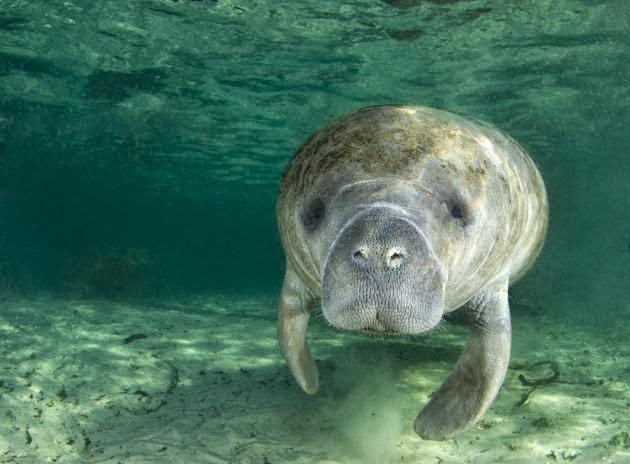
Why Colombia’s biodiversity is so rich
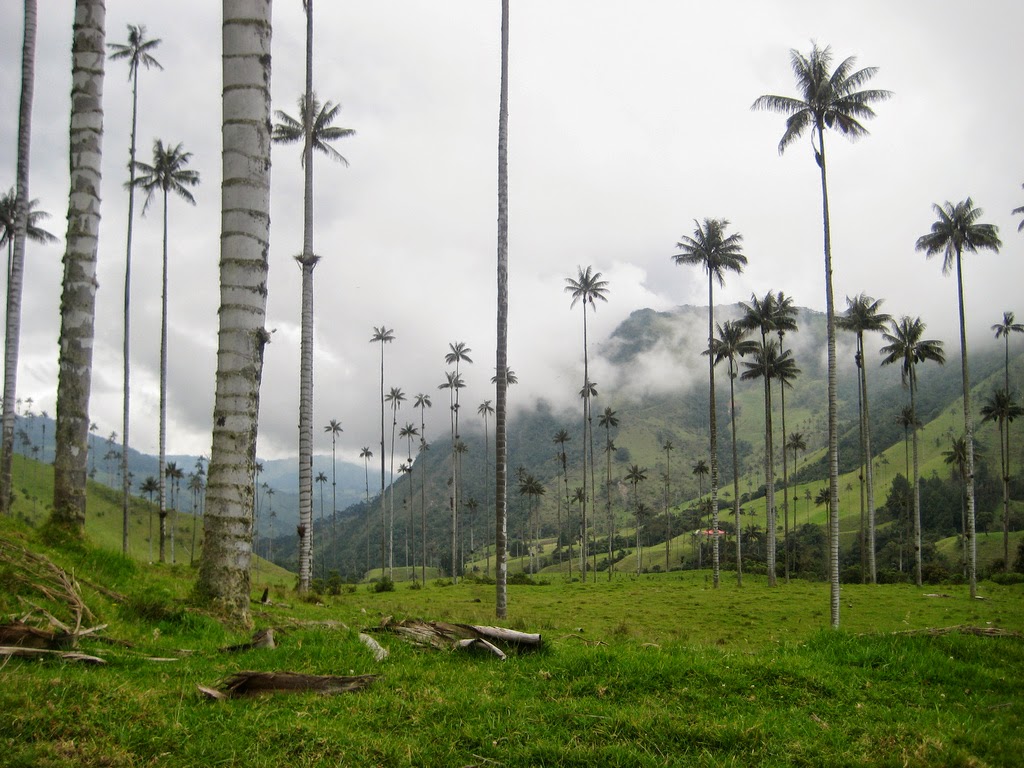
Threats to Colombia’s biodiversity
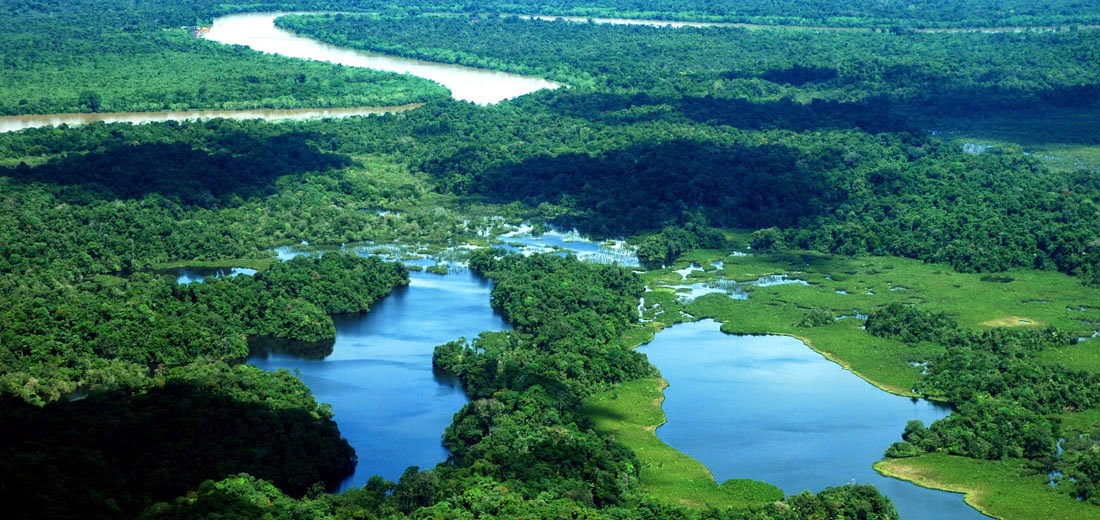
- Land-use change: the expansion of cattle ranching and illicit crops leads to soil degradation. Infrastructure development is also correlated with deforestation linked to land use.
- Ecosystem degradation: agribusiness development, mining, hydropower projects, urbanization and overfishing affect native ecosystems and water availability.
- Biological invasions: invasive animal and plant species are one of the main pressures on biodiversity in the country.
- Water pollution: pesticides and sedimentation have affected rivers and wetlands, degrading water quality and, in turn, fauna and flora.
- Climate change: lower rainfall and rising temperatures in the páramos, among other factors, are degrading ecosystems.
As of December 31, 2025, the Sistema de Información sobre Biodiversidad de Colombia (Biodiversity Information System of Colombia, SiB Colombia) had published records supporting the presence of 83,725 species in the country.
Contents
Last updated: September 26, 2026

Leave a Reply