

The three pillars of sustainable development are environmental (protecting ecosystems and natural resources), social (equity, health, education and inclusion) and economic (sustained, inclusive growth). The UN calls them “the three dimensions of sustainable development: the economic, social and environmental” and integrates them into the 17 Sustainable Development Goals adopted by 193 countries in 2015 (UN, 2015). How can these three pillars be balanced to achieve a sustainable future?
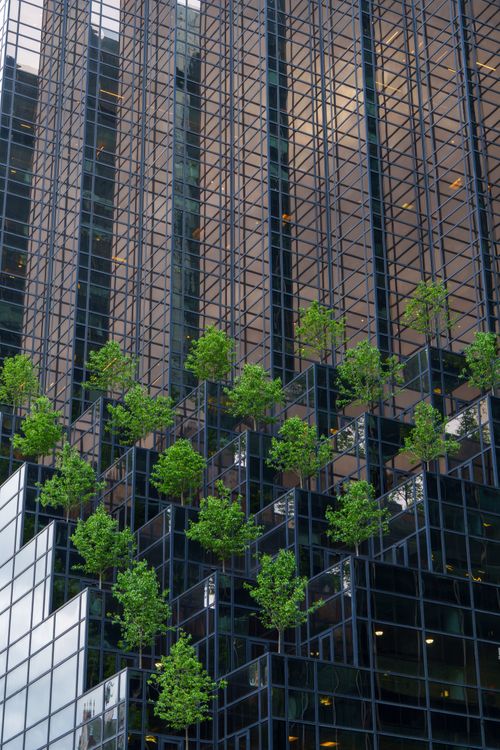
Sustainable development rests on three pillars that must advance together: environmental, social and economic. This approach seeks to meet the needs of the present without compromising the ability of future generations to meet their own, a balance that today guides the policies of the UN’s 193 member states through the 2030 Agenda (UN, 2015).
Table de contenidos
The challenge, however, is enormous. According to the United Nations’ Sustainable Development Goals Report 2026, of the 139 targets with trend data only 36% are on track or making moderate progress, nearly half (49%) are advancing too slowly and 15% have regressed below their 2015 baselines (UN, 2026). Understanding the three pillars is the first step toward reversing that trend.
What exactly are the three pillars of sustainable development? Where does the concept come from? How do they interact, and what concrete examples are there of each one? This guide answers these questions with verified data from the UN.
What is sustainable development?
Sustainable development is development that meets the needs of the present without compromising the ability of future generations to meet their own needs. This definition comes from the Brundtland Report, “Our Common Future” (1987), prepared by the UN’s World Commission on Environment and Development.
- Core objective: to achieve a balance between economic growth, social well-being and environmental protection over time.
- Current framework: it takes concrete form in the 2030 Agenda and its 17 Sustainable Development Goals, with 169 measurable targets.
Origin of the concept: the Brundtland Report (1987)
The term “sustainable development” was popularized in 1987 with the publication of the Brundtland Report, titled “Our Common Future” and prepared by the World Commission on Environment and Development, chaired by Gro Harlem Brundtland, three-time prime minister of Norway. The report defined it as development “that meets the needs of the present without compromising the ability of future generations to meet their own needs” (WCED, 1987).
One nuance is worth clarifying: the Brundtland Report itself does not yet speak of “three pillars.” That framing of the economic, social and environmental dimensions took hold later: the 2002 Johannesburg Declaration already referred to “interdependent and mutually reinforcing pillars,” and the idea was consolidated with the Outcome Document of the 2005 World Summit and, above all, with the 2030 Agenda adopted in 2015. To see how this idea evolved over the decades, read our history and evolution of sustainable development.
The 3 pillars of sustainable development
The UN states that the Sustainable Development Goals “balance the three dimensions of sustainable development: the economic, social and environmental” (UN, 2015). These three pillars, closely related to the business concept of the “triple bottom line,” work as an interdependent system: if one fails, the whole structure is weakened. Let’s look at each one in detail.
1. The environmental (ecological) pillar
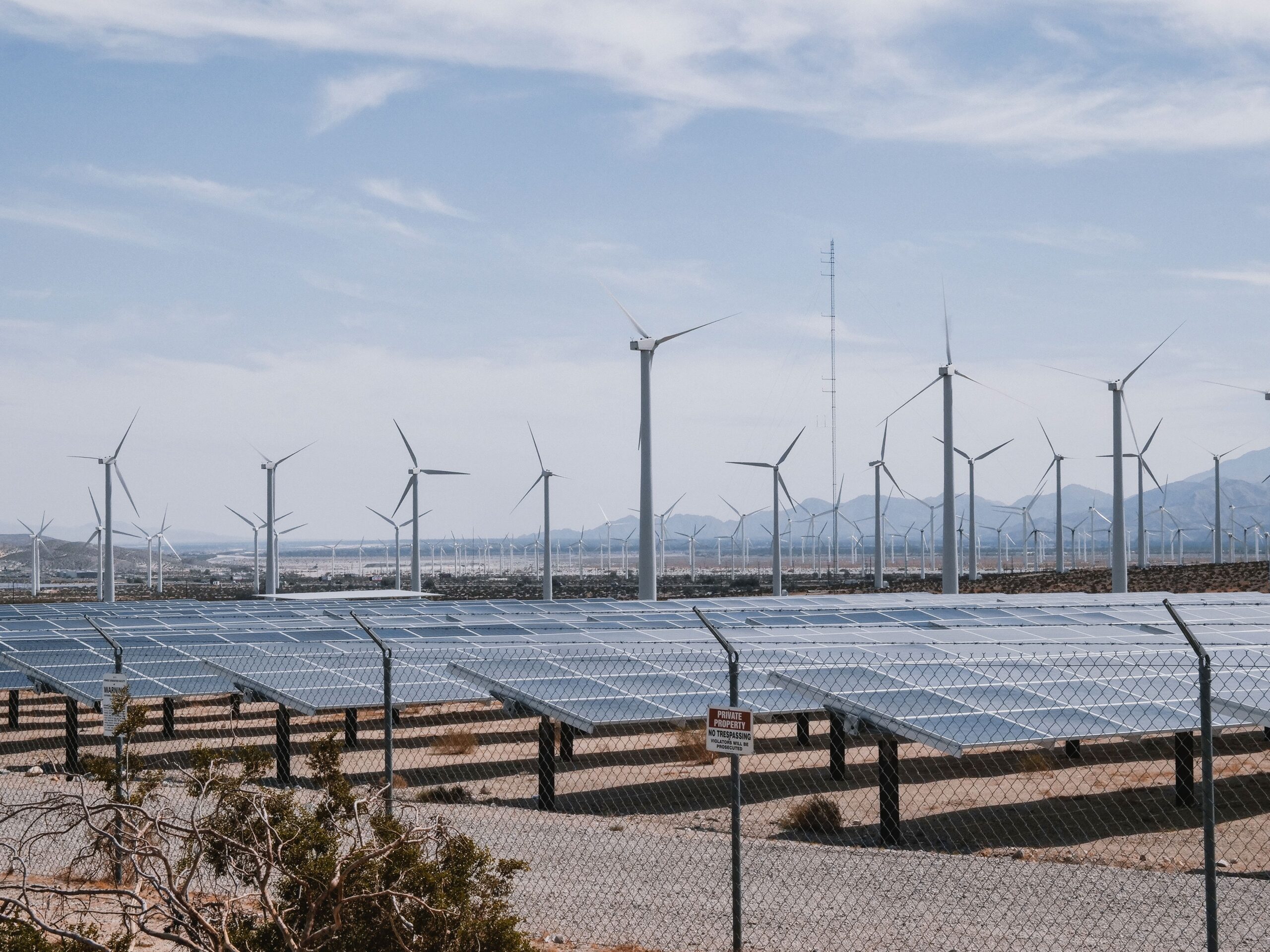
The environmental pillar is about protecting ecosystems, biodiversity and natural resources so that they remain available in the future. It covers climate action, water and forest conservation, the transition to clean energy and the responsible use of renewable natural resources as opposed to nonrenewable resources, which run out.
Energy is a good barometer of this pillar: renewable sources supplied 18% of global final energy consumption in 2023, with modern renewables accounting for 13.4% (UN SDG Report 2026). There is still a long way to go. Problems such as rising atmospheric CO₂, which in 2025 reached its highest concentration in two million years (UN, 2026), are a reminder of how urgent it is to strengthen this dimension. This pillar relates to SDGs 6, 7, 12, 13, 14 and 15, and it also inspires local solutions such as ecological projects in schools and homes.
2. The social pillar

The social pillar seeks well-being, equity and inclusion for all people. It includes access to quality education, health, gender equality, reducing inequalities and building peaceful societies. Without social cohesion, no economic or environmental model can last.
Since 2015, measurable progress has been made: 134 countries have met the target for reducing child mortality, new HIV infections have fallen by roughly a third, and nearly 1 billion people have gained access to safely managed drinking water (UN, 2026). Even so, challenges such as malnutrition and achieving zero hunger remain unmet. This pillar is linked to SDGs 1, 2, 3, 4, 5, 10, 11 and 16.
3. The economic pillar

The economic pillar promotes sustained, inclusive growth that generates prosperity without depleting the planet’s resources. It covers decent work, innovation, responsible industry and partnerships to mobilize resources for development. The aim is to create economic value that is compatible with ecological limits and with social justice.
To go deeper into this dimension, read our explanation of sustainable economic development and the concept of a sustainable economy. In everyday life, habits such as sustainable consumption connect people’s economic decisions with the other two pillars. This dimension corresponds to SDGs 8, 9 and 17.
How the three pillars interact
The three pillars are not isolated compartments but interlocking parts of the same mechanism. A project is truly sustainable only when it is environmentally viable, socially just and economically profitable at the same time. For example, a solar power plant (environmental) creates local jobs (economic) and brings electricity to communities that lack it (social).
This interdependence shows up in cities, where the three pillars converge most clearly. Sustainable urban development and sustainable cities combine clean mobility, affordable housing and dynamic local economies. When one pillar is neglected, the others suffer: economic growth that destroys ecosystems ends up impoverishing the communities that depend on them.
The SDGs: the framework that integrates the three pillars
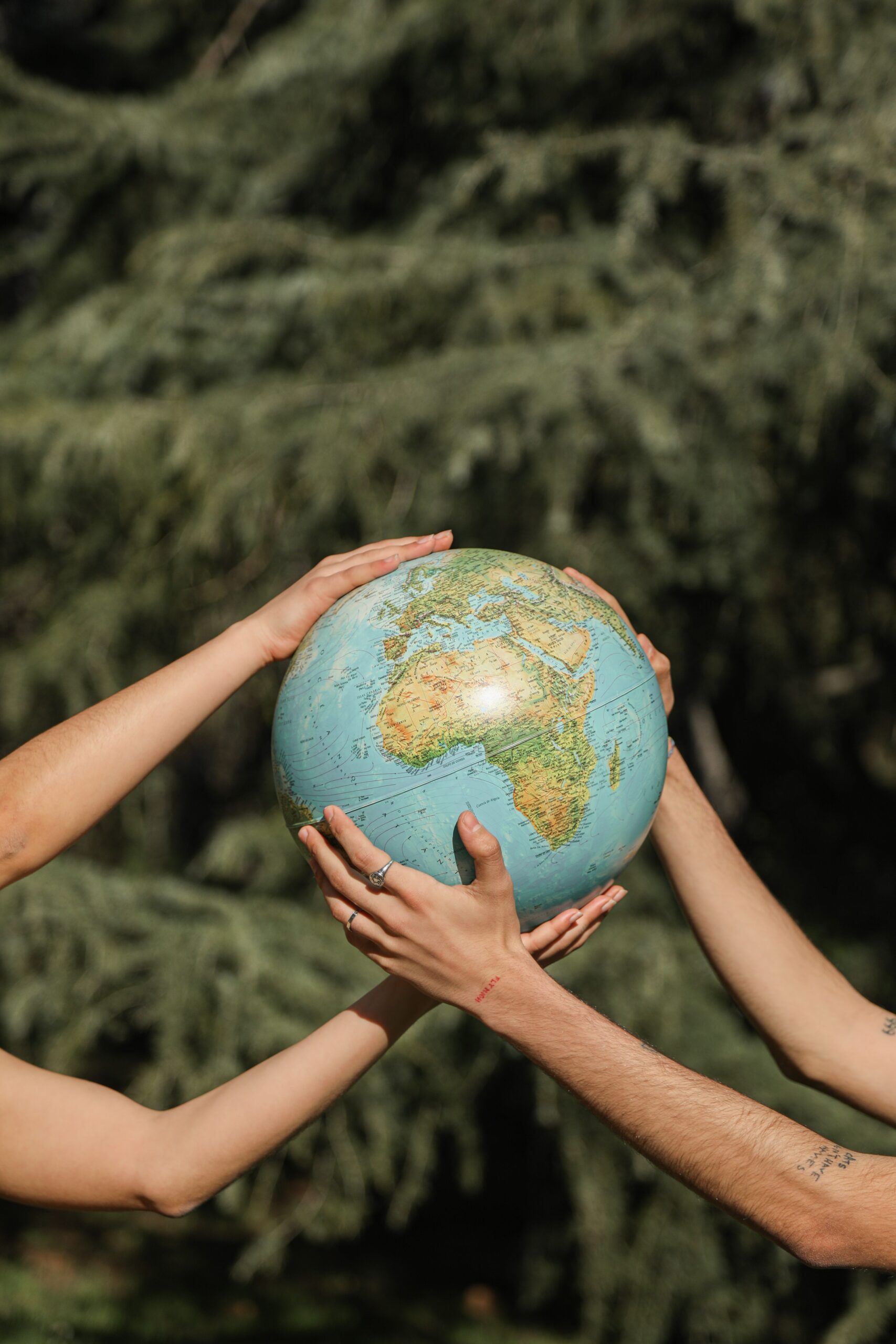
The most comprehensive tool for putting the three pillars into practice is the 2030 Agenda, adopted by the 193 UN member states on September 25, 2015. It is made up of 17 Sustainable Development Goals and 169 targets (UN, 2015), whose progress in each dimension is measured through a global indicator framework, adopted in 2017 and refined every year, that now includes 234 unique indicators.
Each goal can be linked mainly to one of the three pillars: the environmental dimension groups goals such as clean water, affordable energy, climate action, and life below water and on land; the social dimension brings together ending poverty, health, education and equality; and the economic dimension covers decent work, industry and innovation, and partnerships. For a goal-by-goal overview, see our guide to the UN 2030 Sustainable Development Goals.
How to apply the three pillars in practice
Putting the three pillars into action is not just a job for governments: companies, communities and individuals can all contribute. There are many sustainable development actions and sustainable development projects that integrate the three dimensions at different scales, from community gardens to large clean energy infrastructure.
The key is to assess every decision through all three lenses at once: Does it reduce environmental impact? Does it improve people’s well-being? Is it economically viable in the long term? When the answer to all three questions is yes, we are looking at genuine progress toward sustainability. Overcoming the ecological problem requires precisely that balance, as we explain in the ecological problem and a way to solve it.
Sources used
- UN — 2030 Agenda for Sustainable Development (2015)
- UN — The 17 Sustainable Development Goals (2015)
- Brundtland Report — “Our Common Future,” WCED (1987)
- UN — The Sustainable Development Goals Report 2026 (key messages)
- UN — Global indicator framework for the SDGs (2017)
- UN — The Sustainable Development Goals Report 2026, Goal 7
Understanding the three pillars of sustainable development—environmental, social and economic—means understanding that progress is only real when it advances on all three fronts at once. The 2030 Agenda and its 17 SDGs provide the roadmap, but achieving them depends on the everyday decisions of governments, businesses and individuals. Balancing these three pillars is, ultimately, the best investment in our common future.
Related articles
Last updated: October 20, 2026
Leave a Reply