

Sustainable agriculture is a way of producing food that meets today’s needs without depleting the soil, water and biodiversity that future generations will depend on. It is an urgent priority: agriculture accounts for around 70% of the planet’s freshwater withdrawals, and in 2015 food systems generated close to 34% of greenhouse gas emissions. How can we produce more food while also taking care of the planet?
Sustainable agriculture seeks a balance between three goals that for decades seemed incompatible: producing enough food, being economically viable and protecting ecosystems. It is not a single technique but an approach that brings together practices such as crop rotation, efficient irrigation, agroecology and conservation agriculture.
Contents
The data make the urgency clear. Agriculture occupies about 44% of the Earth’s habitable land (Our World in Data 2019), and according to the FAO, around a third of the world’s soils are degraded to some degree (FAO 2015). At the same time, the world’s population will approach 9.7 billion people by 2050 (UN DESA, World Population Prospects 2024), which will require producing much more food from a resource base that is already under strain.
What exactly is sustainable agriculture? What are its main techniques? What benefits does it bring to soil, water, biodiversity and the climate? Below, we answer these questions with verified data from the FAO, the IPCC and other sources.
What is sustainable agriculture?
Sustainable agriculture is a system for producing food and fiber that maintains soil health, protects water resources and biodiversity, and remains economically profitable for farmers over the long term. Its goal is to meet today’s food needs without compromising the ability of future generations to produce their own food.
- Environmental dimension: conserves soil, saves water, cuts emissions and supports biodiversity.
- Economic dimension: keeps farms profitable and rural incomes secure.
- Social dimension: ensures healthy food, decent work and stable rural communities.
Principles of sustainable agriculture
The FAO frames agricultural sustainability around conserving the natural resources that production depends on: soil, water and biological diversity. Agriculture accounts for around 70% of global freshwater withdrawals (FAO AQUASTAT 2025), so any sustainable strategy starts with using water more efficiently. The basic principles include maintaining soil cover and fertility, minimizing the use of chemical inputs, diversifying crops and closing nutrient cycles.
These principles are not only environmental. Conservation agriculture can sustain yields while improving the soil: in an eight-year experimental warming study published in Nature Communications, it increased soil health by an average of 21% and supported crop production at levels similar to conventional farming (Nature Communications 2024).
Main techniques of sustainable agriculture
Crop rotation
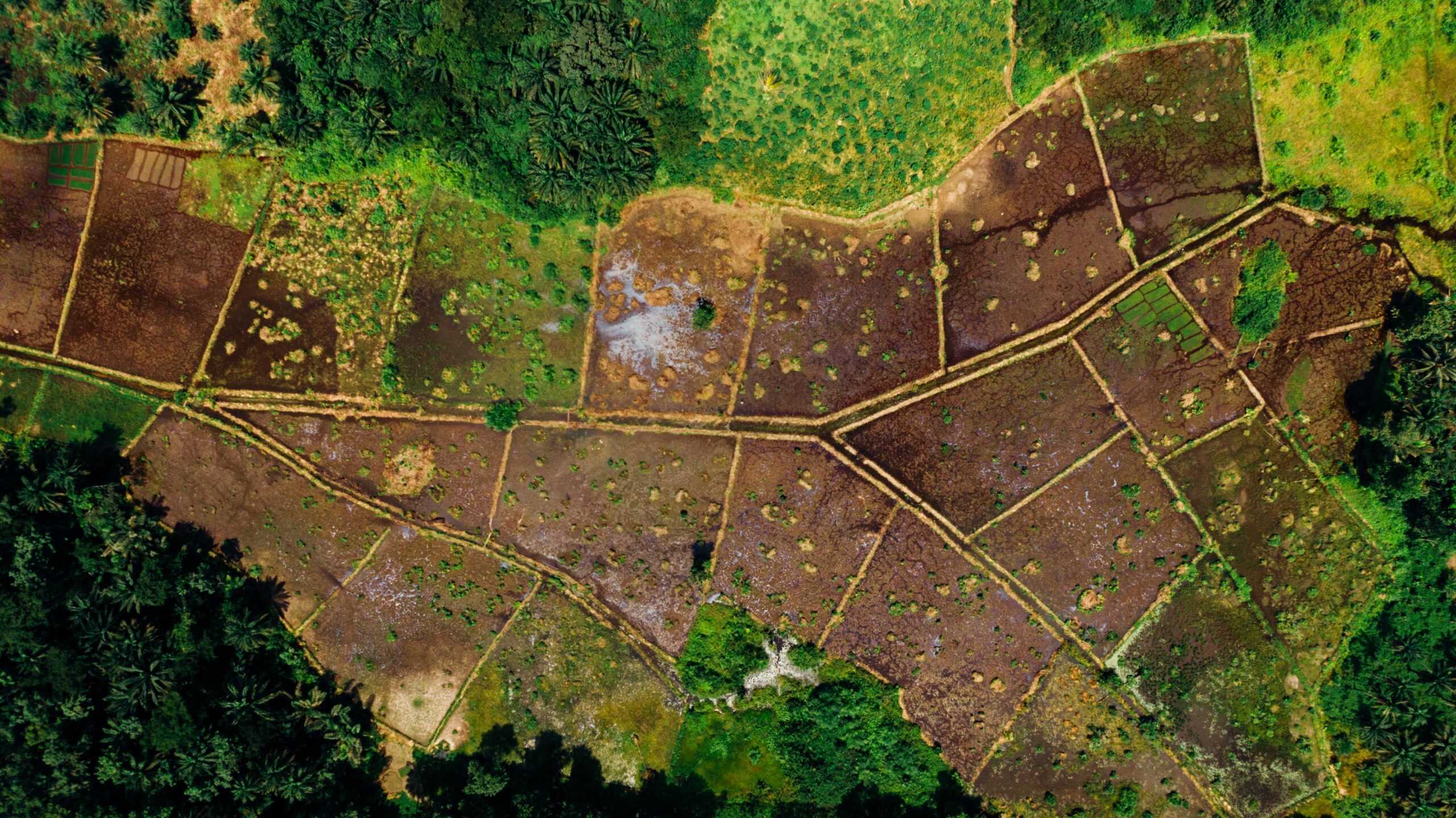
Crop rotation means alternating different crops on the same plot over successive seasons. Rotation breaks pest and disease cycles, improves soil structure and, when it includes legumes, fixes nitrogen naturally, reducing the need for synthetic fertilizers.
Agroecology
Agroecology applies ecological principles to the design of farming systems: polycultures, integration of trees and livestock, biological pest control and the use of local biodiversity. It seeks to mimic the way natural ecosystems work in order to reduce dependence on external inputs.
Efficient irrigation
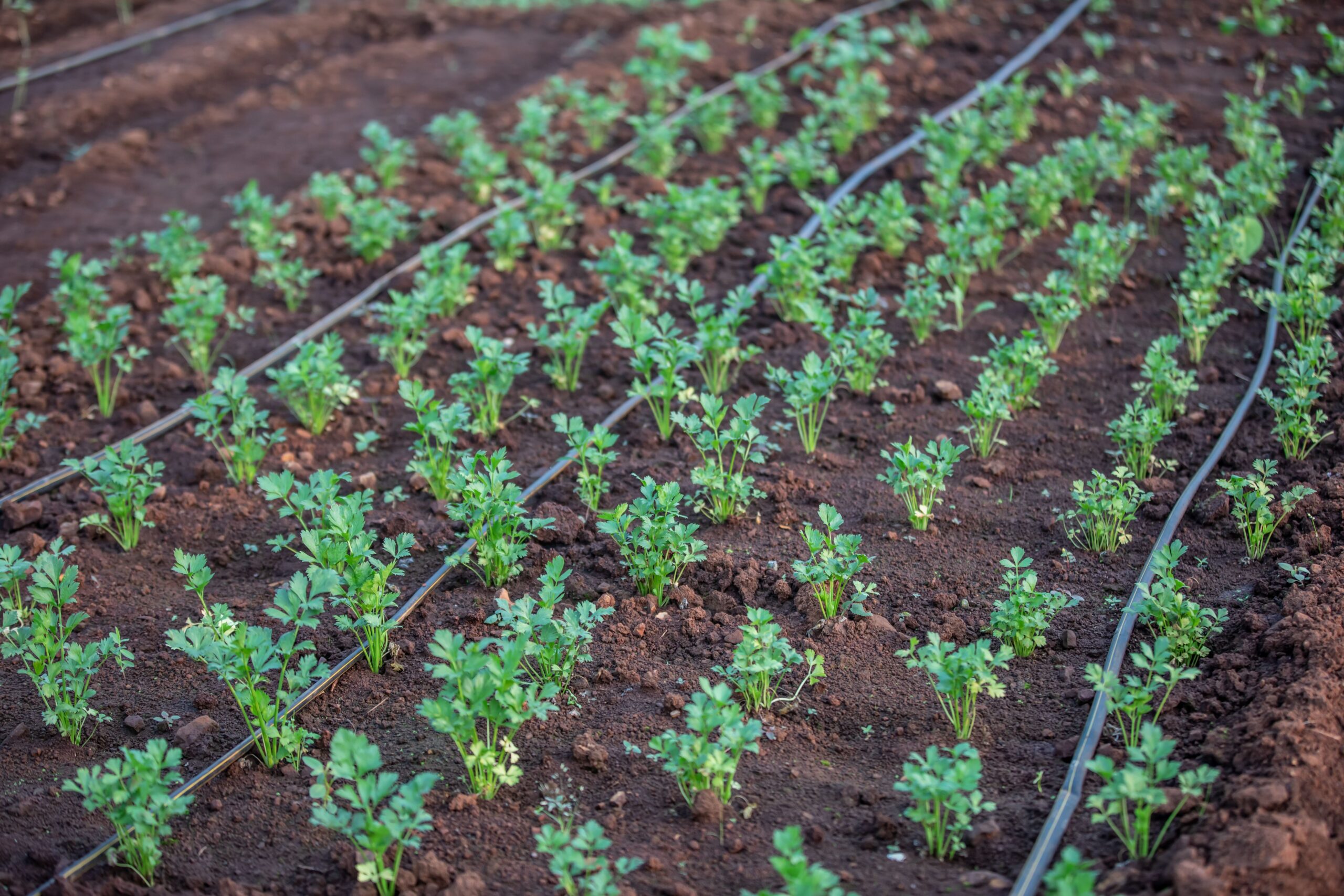
Agriculture is the largest user of water on the planet, accounting for about 70% of global withdrawals (FAO AQUASTAT 2025), so how farms irrigate shapes total water demand. Drip irrigation delivers water directly to the plant’s roots, which reduces evaporation losses and can cut water use compared with flood irrigation.
Conservation agriculture
It rests on three pillars: minimal soil disturbance (no-till direct seeding), permanent soil cover with crop residues, and crop diversification. According to the FAO, it reduces erosion, improves moisture retention and lowers costs such as fuel, machinery and labor (FAO Conservation Agriculture).
Organic farming
Organic farming does without synthetic pesticides and fertilizers and relies instead on natural inputs and composting. Its market keeps growing: in 2024, global retail sales of organic food and drink reached a record €145 billion, while organic farmland held steady at close to 99 million hectares (FiBL & IFOAM 2026).
Benefits of sustainable agriculture
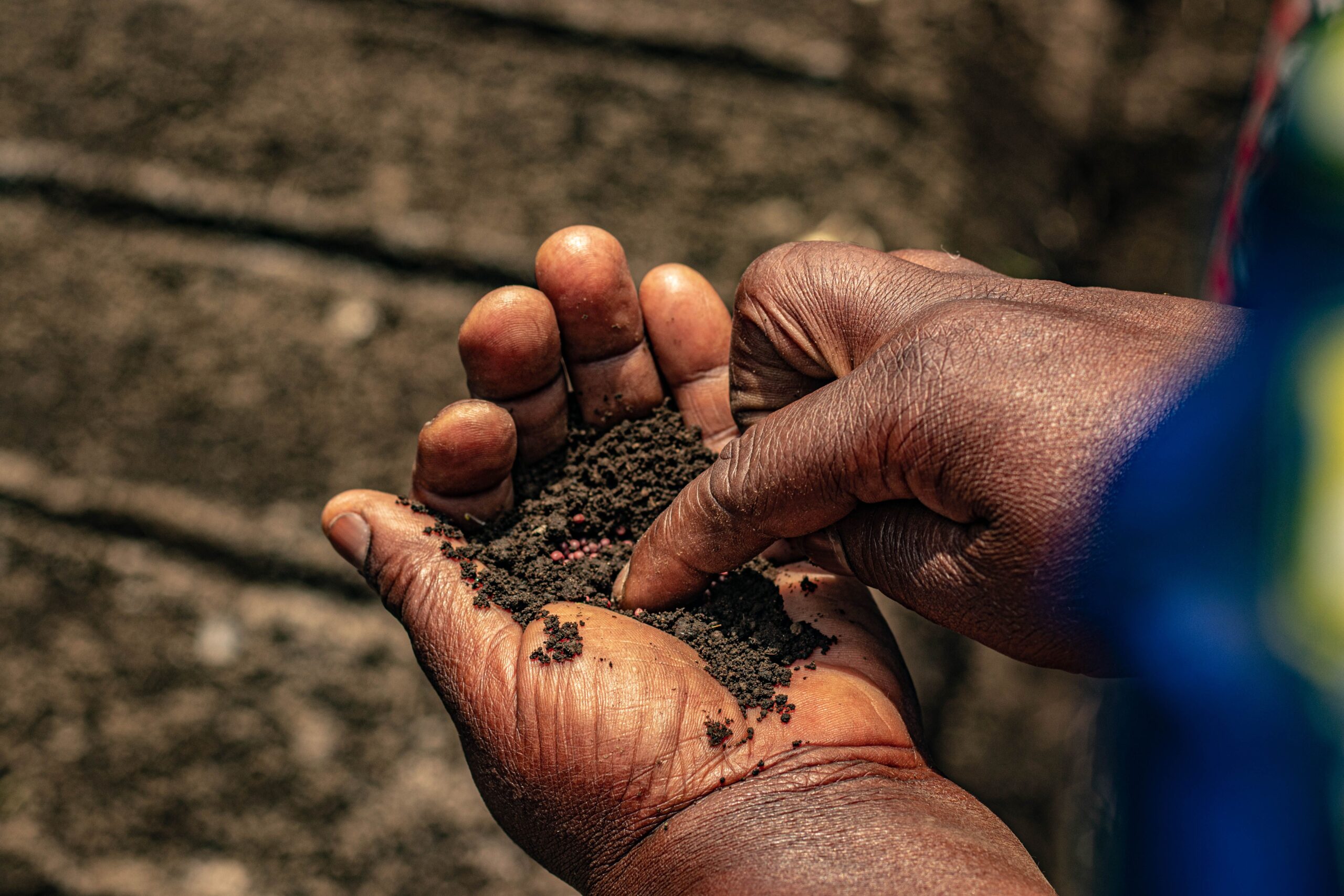
Soil: sustainable practices curb soil degradation, which already affects about a third of the world’s soils (FAO 2015). Healthy soil holds more water, stores carbon and sustains stable yields.
Water: efficient irrigation and soil cover reduce the use of agriculture’s scarcest resource; the sector accounts for around 70% of freshwater withdrawals (FAO AQUASTAT 2025).
Biodiversity: crop diversification, hedgerows and reduced agrochemical use protect pollinators and soil fauna, which are essential to food production.
Climate: in 2015, food systems generated around 34% of global greenhouse gas emissions (FAO 2021). Sustainable practices reduce emissions and increase carbon storage in the soil, a key factor in tackling climate change highlighted by the IPCC (IPCC 2019).
The challenge of feeding the world
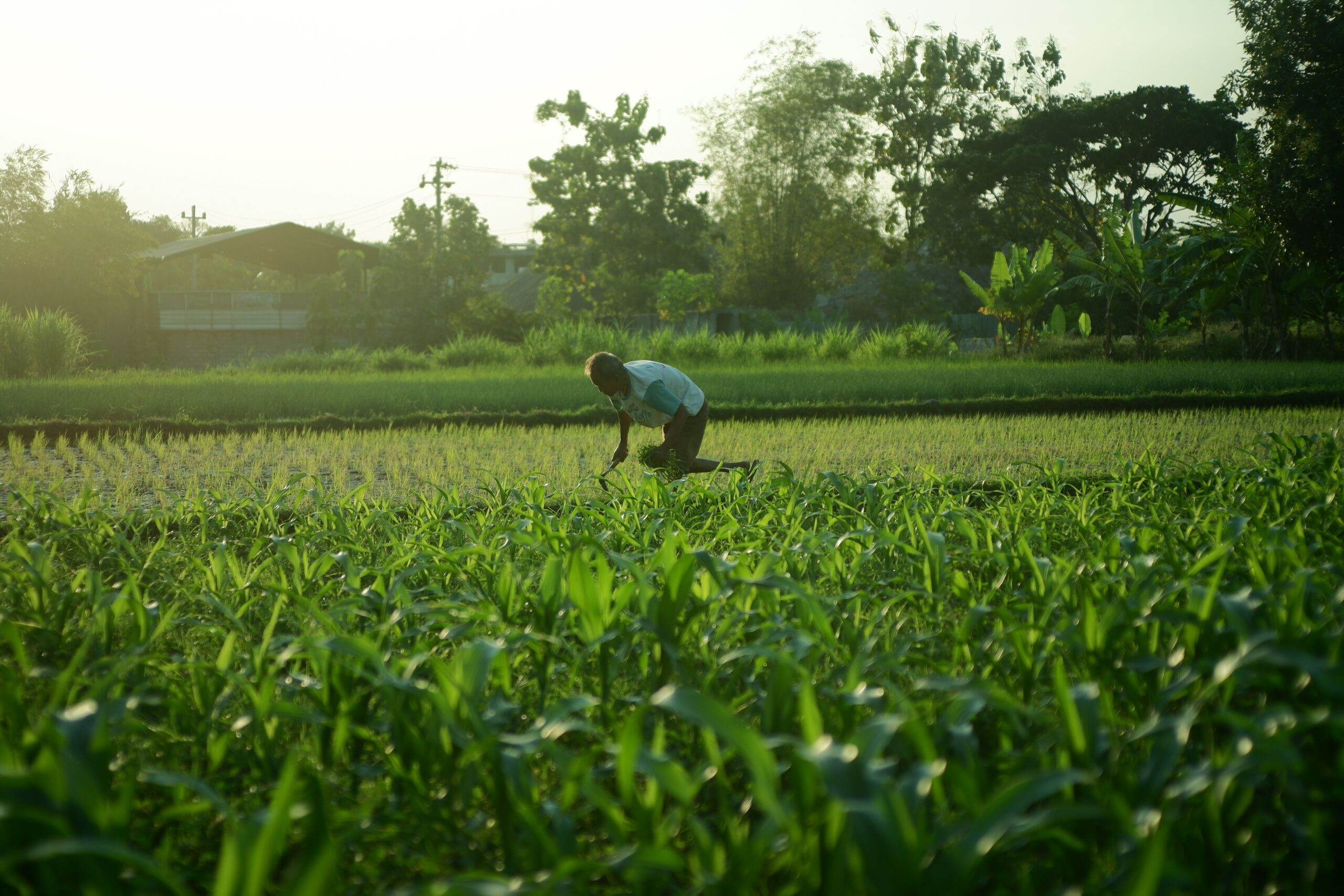
The challenge is twofold: producing more food and doing so sustainably. In 2012, the FAO estimated that by 2050 global agricultural production would need to be around 60% higher than in 2005-2007 to feed a larger population with more resource-intensive diets (FAO 2012). Yet hunger remains a reality: in 2025, some 645 million people were undernourished (FAO SOFI 2026).
Sustainable agriculture is not just an environmentally friendly option; it is the only way to reconcile food security with resource conservation. It is directly linked to sustainable development and to a sustainable economy that values natural capital. It also connects with the responsible use of renewable natural resources such as water and soil, as opposed to the extractive logic of non-renewable resources.
Examples of agriculture by country
Some of the world’s biggest agricultural powers now face the challenge of producing more sustainably. Agriculture is central to the economies of Brazil, a major producer of soybeans and coffee; Argentina, a benchmark for grains and meat; India, one of the largest cereal producers on the planet; and the United States, a leader in corn and agricultural technology. Neighboring countries such as Uruguay and Paraguay also stand out, with agriculture and livestock carrying great weight in their economies.
Leading organizations
Several institutions set the agenda for sustainable agriculture: the FAO (Food and Agriculture Organization of the United Nations), the IPCC on climate and land, the World Bank, which finances climate-smart agriculture, and UNEP (United Nations Environment Programme). Businesses in the sector are also adopting these practices, as shown by some sustainable companies and a range of sustainable development projects.
Sources used
- FAO AQUASTAT — water use in agriculture (2025)
- FAO — food systems and 34% of GHG emissions (2021)
- FAO Global Soil Partnership — soil degradation
- FAO — benefits of conservation agriculture
- FAO SOFI 2026 — the state of hunger in the world
- Our World in Data — land use for agriculture
- IPCC — Climate Change and Land (2019)
- FiBL & IFOAM — organic agriculture worldwide (2024 data, published 2026)
- Nature Communications — conservation agriculture, soil health and yields under warming (2024)
- FAO — food and agriculture projections to 2050 (2012)
Sustainable agriculture is much more than a trend: it is the practical answer to the century’s greatest challenge, feeding a growing population without destroying the soil, water and biodiversity that make life possible. Adopting crop rotation, efficient irrigation, agroecology and conservation agriculture makes it possible to produce food today without mortgaging tomorrow. The path to a fairer, more resilient food system starts in every field.
Related articles
Last updated: October 29, 2026




Leave a Reply