

The circular economy is a model of production and consumption that aims to keep materials and products in use for as long as possible through reduction, reuse and recycling, as opposed to the linear “take-make-dispose” model. It is an urgent response: the global economy is only 6.9% circular and already consumes 106 billion tonnes of materials a year, according to the Circularity Gap Report 2025. What exactly is the circular economy, and how can it reduce waste and emissions?
For more than a century, the global economy has run in a straight line: we extract raw materials, make products, use them and throw them away. That linear model is colliding with the planet’s limits. Today the world consumes around 106 billion tonnes of materials every year, but only 6.9% of the materials the economy uses come from recycled or cycled (secondary) sources (Circularity Gap Report 2025). Much of what is thrown away ends up in landfills, is burned or is dispersed into the environment.
Contents
The circular economy offers a different logic. Instead of a flow that starts at the mine and ends at the dump, it proposes closed loops in which materials circulate again and again, waste is designed out from the start, and nature regenerates instead of degrading. It is not a fringe idea: governments, businesses and international organizations have placed it at the center of their strategies for a sustainable economy and for tackling climate change.
In this guide you will learn what the circular economy is, how it differs from the linear model, what its principles are (the well-known “Rs”), its benefits, concrete examples and the global data that show why change is so urgent.
What are the principles of the circular economy? What is the difference between a linear and a circular economy? How much material does the world really waste, and how much could we save? Let’s take it one step at a time.
What is the circular economy?
The circular economy is a model of production and consumption that involves sharing, leasing, reusing, repairing, refurbishing and recycling existing materials and products for as long as possible, to extend their useful life and keep waste to a minimum. It stands in contrast to the traditional linear economic model, based on the “take-make-dispose” pattern.
- Biological cycles: organic materials (food, wood, natural fibers) are safely returned to the biosphere through processes such as composting, regenerating soil and ecosystems.
- Technical cycles: non-biodegradable products and materials (metals, plastics, appliances) are kept in use through reuse, repair, remanufacturing and recycling, without losing their value.
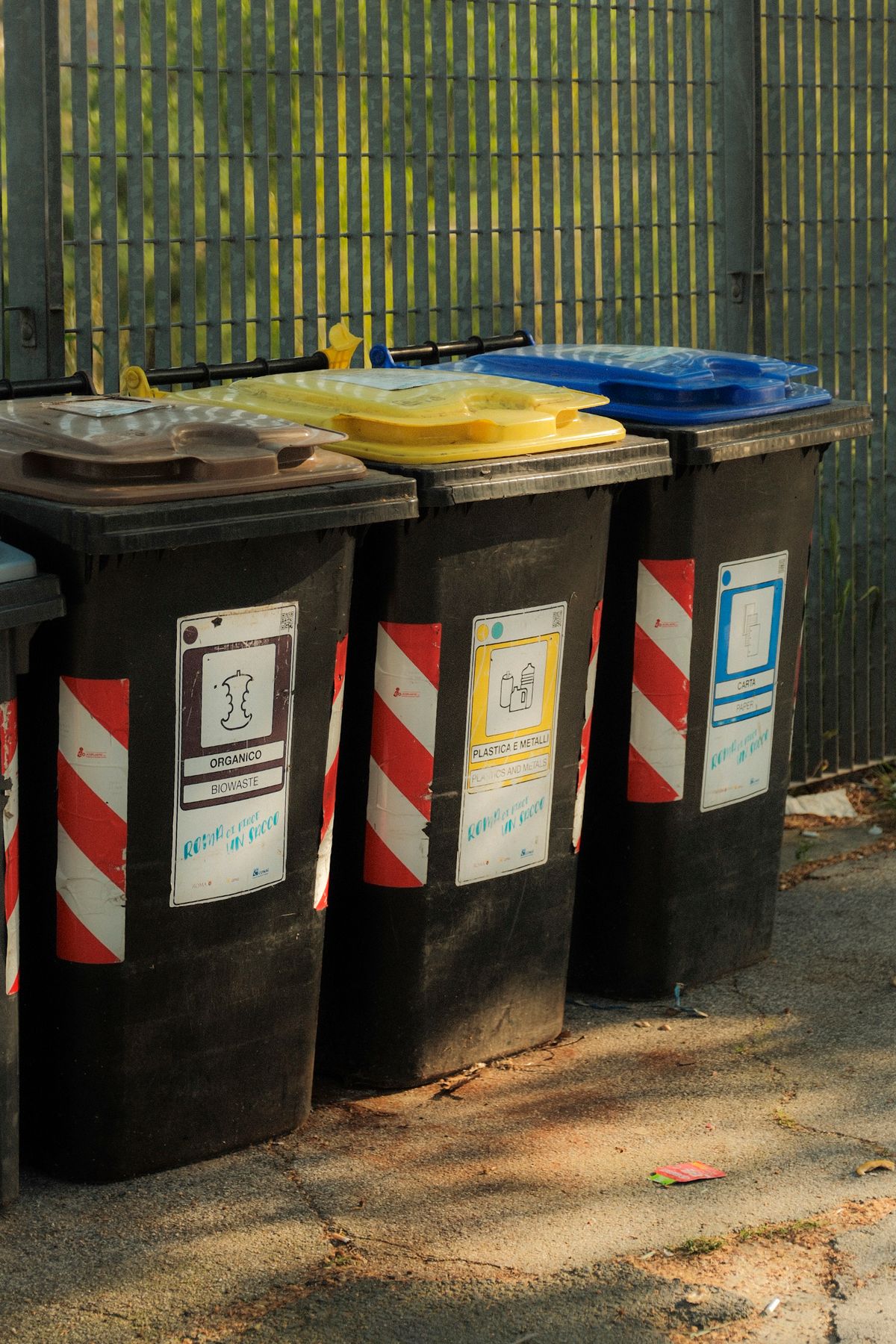
Linear vs. circular economy: the end of “take-make-dispose”
The essential difference lies in the shape of the flow. The linear economy follows a one-way path: natural resources are extracted, turned into products, consumed and finally thrown away as waste. It is a model that assumes raw materials are infinite and that the planet can absorb all the waste, two assumptions we now know to be false.
The figures show the pressure this model creates. Global material use has tripled since 1970 and could grow by almost 60%, from around 100 billion tonnes in 2020 to 160 billion tonnes by 2060, if we do not change course (UNEP-IRP, Global Resources Outlook 2024). In addition, the extraction and processing of materials generate more than 55% of greenhouse gas emissions and more than 90% of the biodiversity loss and water stress linked to land use (UNEP-IRP, 2024).
The circular economy, by contrast, closes the loop. Instead of ending up in a landfill, materials re-enter the value chain. This approach connects directly with sustainable development and with more responsible sustainable consumption, because it decouples economic growth from the depletion of non-renewable natural resources.
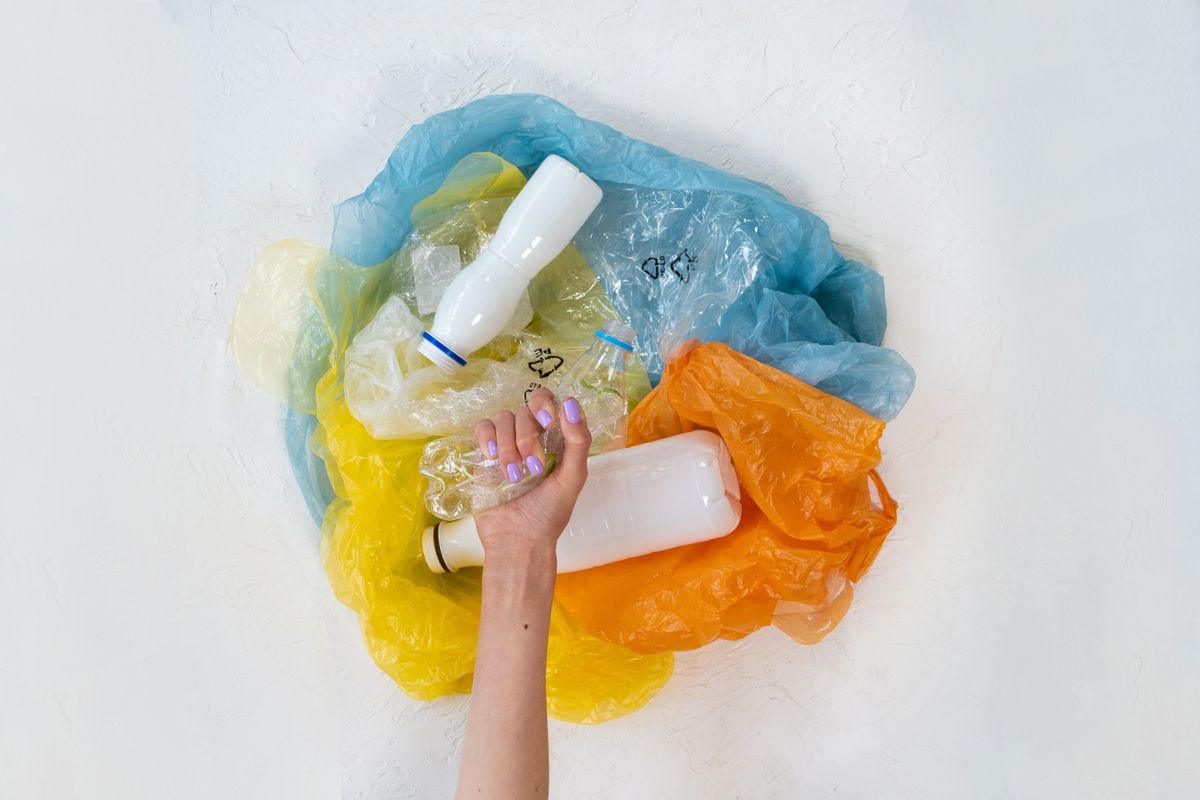
From linear to circular economy, step by step
The principles of the circular economy: the “Rs”
The circular economy can be summed up in a set of actions known as the “Rs.” Although there are expanded versions (with 6, 9 and even 10 Rs), the three fundamental ones are reduce, reuse and recycle, ranked from highest to lowest environmental priority.
- Reduce: cut the amount of materials and energy we use, starting at the design stage. It is the most effective “R,” because the best waste is the waste that is never generated.
- Reuse: use a product again for the same purpose or a different one, without transforming it (returnable containers, secondhand clothing, restored furniture).
- Repair and refurbish: extend the useful life of appliances and objects instead of replacing them, countering planned obsolescence.
- Recycle: turn waste into new raw materials when reuse is no longer possible. It is valuable, but it is the last option in the hierarchy.
- Regenerate: return nutrients to nature through composting and support systems that restore ecosystems.
The key is to design products with their end of life in mind from the very beginning: durable materials that are easy to disassemble, repair and recycle. The Ellen MacArthur Foundation, a global reference on the subject, sums up circularity in three principles: eliminate waste and pollution, keep products and materials in use, and regenerate natural systems (Ellen MacArthur Foundation, 2021).
How circular is the world today?
The uncomfortable answer is very little, and it is getting worse. The global circularity metric measures what percentage of the materials consumed by the economy comes from recycled or cycled sources. In the report’s 2025 edition that figure fell to 6.9%, down from 7.2% in the 2023 edition and 9.1% in the first edition (2018, based on 2015 data) (Circularity Gap Report 2025). In other words, even though we recycle more in absolute terms, the extraction of virgin materials is growing even faster, and the circularity gap is widening.
The underlying problem is the sheer volume of waste. Global municipal solid waste generation reached 2,560 million tonnes in 2022 and is projected to reach 3,860 million by 2050 under business as usual, while in Sub-Saharan Africa only about 31% of waste is collected (World Bank, What a Waste 3.0). Reversing that curve is, in essence, what the circular economy is about.
Benefits of the circular economy
Adopting a circular model is not only an environmental matter: it is also a major economic opportunity. Its benefits fall into three areas.
- Environmental: less extraction of raw materials, less waste and lower emissions. Since more than 55% of greenhouse gas emissions come from extracting and processing materials, closing the loops tackles the root of the climate problem.
- Economic: the Ellen MacArthur Foundation estimated that a circular development path could bring Europe total benefits of up to €1.8 trillion a year by 2030 (Ellen MacArthur Foundation, 2015). In the plastics sector alone, the Breaking the Plastic Wave study (Pew Charitable Trusts and SYSTEMIQ, 2020), cited by the foundation, estimates that a circular approach could save $200 billion a year (EMF, 2021).
- Social: new jobs in repair, recycling, remanufacturing and services. The same study projects some 700,000 net jobs by 2040 in the plastics value chain alone.
These benefits explain why circularity is increasingly built into sustainable urban development strategies and into the design of long-term sustainable economic models.
Examples of the circular economy
The circular economy is not an abstraction: it already operates in many everyday products and services. Some clear examples:
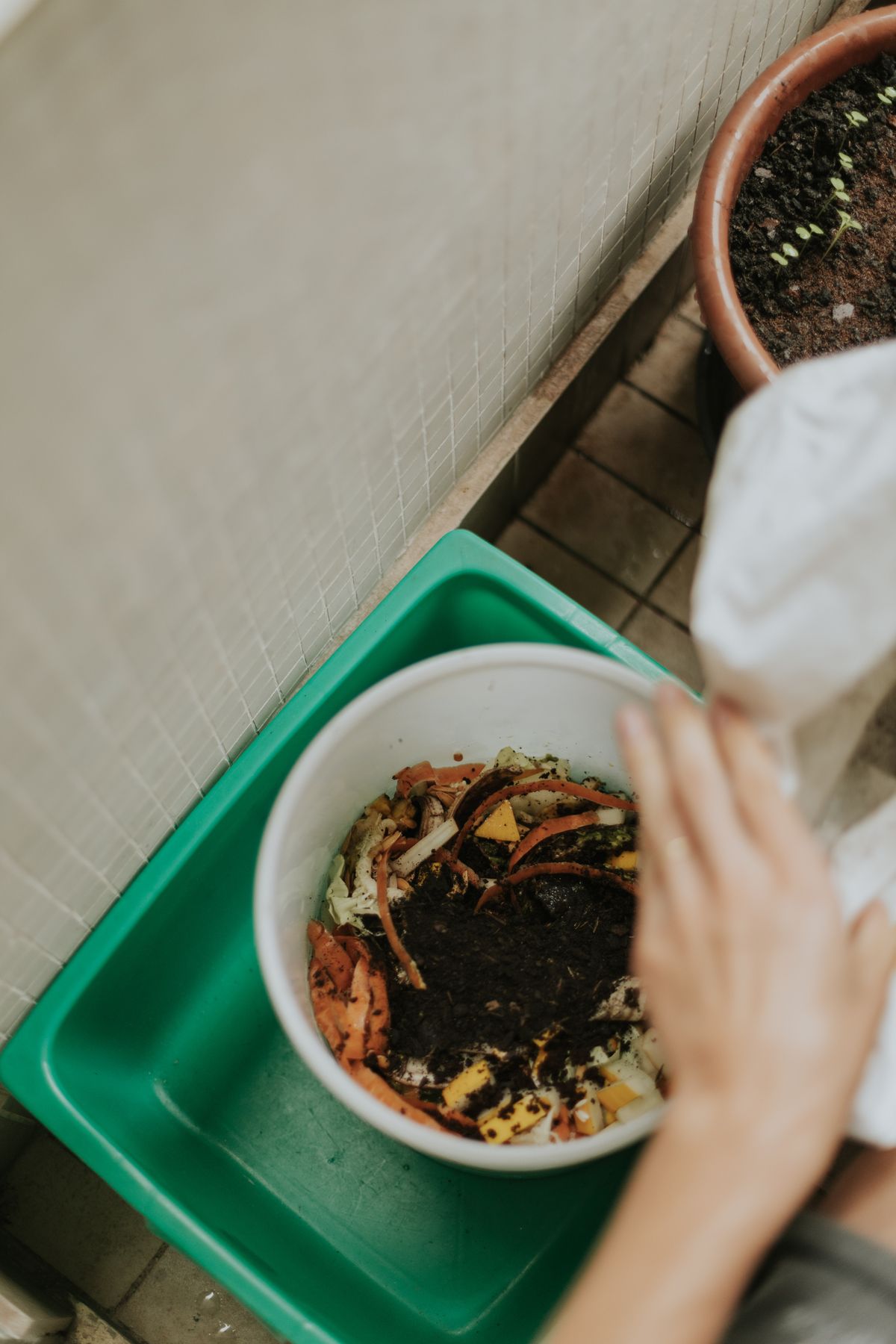
- Composting organic waste: food and garden scraps are turned into compost that regenerates the soil, closing the biological cycle at home or in the city.
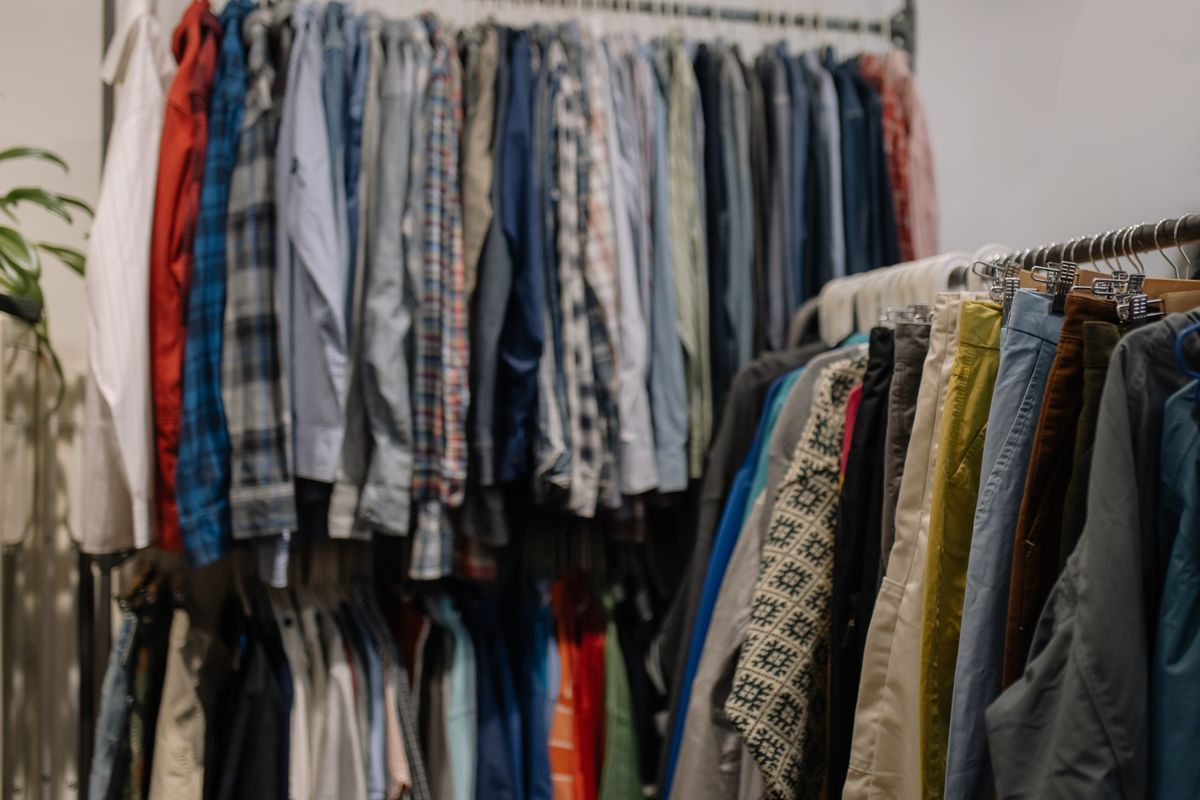
- Secondhand clothing and goods: the reuse market and secondhand stores extend the useful life of clothing, furniture and appliances.
- Metal and glass recycling: materials such as aluminum and glass can be recycled indefinitely without losing quality, saving enormous amounts of energy compared with producing them from scratch.
- Returnable packaging and deposit systems: bottles and containers that are collected, cleaned and reused many times.
- Product as a service: companies that rent instead of selling (tools, lighting, mobility), keeping ownership of the product and responsibility for its life cycle.
- Remanufacturing: reconditioning engines, electronics or machinery and returning them to the market as good as new.
Many of these practices can be promoted at home and in the community, as shown by eco-friendly projects in schools and homes and other sustainable development actions that anyone can adopt.
Organizations and policies driving circularity
The push for a circular economy is global. The European Union is a pioneer with its Circular Economy Action Plan. Its circular material use rate reached a record 12.2% in 2024, with leading countries such as the Netherlands (32.7%), and the EU aims to double its 2020 rate to 23.2% by 2030 (Eurostat, 2025).
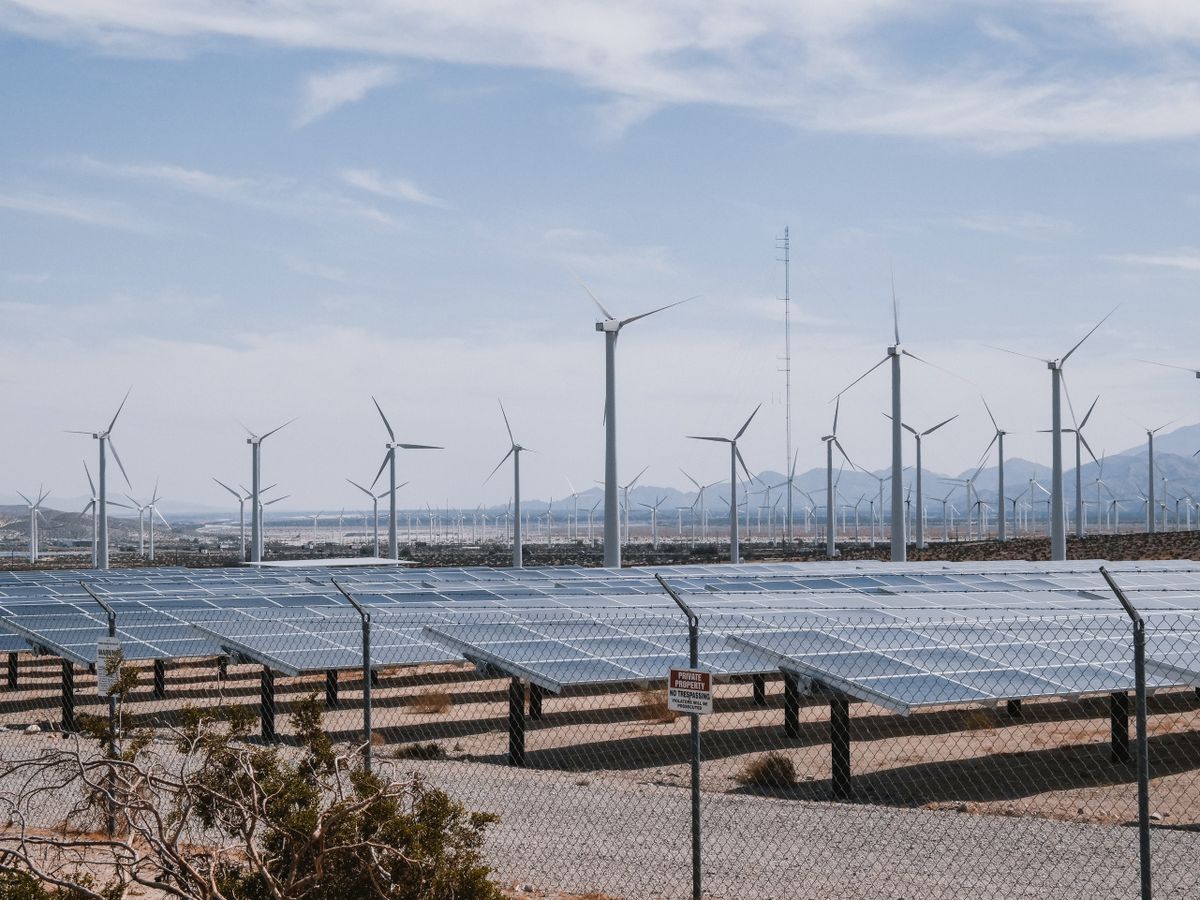
Meanwhile, the United Nations Environment Programme (UNEP) and its International Resource Panel warn that without more efficient management of materials it will be impossible to meet the Sustainable Development Goals or the climate agreements (UNEP-IRP, 2024). Organizations such as the Ellen MacArthur Foundation and Circle Economy provide the conceptual framework and the measurement that guide businesses and governments. All of this ties in with the responsible use of renewable natural resources and with the fundamental solution to the global ecological problem.
Related content
- Sustainable consumption: concept, characteristics and examples
- Sustainable economy
- Sustainable development projects
- An explanation of sustainable economic development
- Sustainable urban development
- Sustainable development actions
- Renewable natural resources: what they are, types and examples
- Non-renewable natural resources: characteristics and examples
- Eco-friendly projects for schools, universities and the home
- The ecological problem and a way to solve it
Sources used
- Circle Economy / Deloitte — Circularity Gap Report 2025
- UNEP — International Resource Panel, Global Resources Outlook 2024
- UNEP — Press release on global resource use (2024)
- Eurostat — Circular material use rate in the EU (2025)
- World Bank — What a Waste 3.0
- Ellen MacArthur Foundation — Unlocking the value of the circular economy
The circular economy is not a passing fad but a profound redesign of how we produce and consume. On a planet where barely 6.9% of the materials used come from recycled sources, with demand for resources that keeps on growing, closing the loops has become both an environmental and an economic necessity. Every decision to reduce, reuse, repair and recycle, from the home to public policy, brings society closer to a more resilient model and to genuine sustainable development.
Related articles
Last updated: October 26, 2026



Leave a Reply