

Soil and agricultural resources comprise the fertile upper layer of the Earth and the arable land required to produce food, fibers, and biomass. While soil directly supports 95% of the food we consume, arable land accounts for only about 10.7% of global land area, and approximately 33% of soils are already degraded (FAO; World Bank). What are these vital resources, and why is their conservation urgent?
Soil is far more than mere dirt: it is a complex, living ecosystem and an essentially non-renewable natural asset on a human timescale. Within its structure, weathered rock minerals, decomposing organic matter, water, air, and billions of microorganisms interact to make terrestrial plant growth and global agriculture possible. According to the Food and Agriculture Organization of the United Nations (FAO), 95% of all human food is produced directly or indirectly from soils (FAO 2022).
Table de contenidos
Yet this foundational resource faces acute, mounting pressure. Expanding urbanization, unsustainable agricultural intensification, deforestation, and climate extremes accelerate land degradation. Generating just one centimeter of fertile topsoil can take up to 1,000 years of weathering and pedogenesis, meaning that erosion carrying away tons of topsoil in an afternoon storm represents an irreversible loss in human terms (FAO). Protecting soil and agricultural resources is therefore indispensable to global food security.
What differentiates soil types and determines agricultural fertility? How much of the planet’s surface is truly suitable for crop production? What are the primary threats driving desertification, and how does sustainable land stewardship reverse degradation? In this comprehensive guide, we address these questions using verified data from the FAO, the World Bank, and the UNCCD.
Natural Resources
Natural resources are materials or energy sources provided or found on Earth that are useful to humans. Every product we manufacture is made from natural resources.
- Renewable resources: can be restored by natural processes faster than the rate of consumption. Examples include solar radiation, wind, hydroelectric power, water when properly managed, and plant and animal life.
- Non-renewable resources: once exploited, they are depleted and cannot regenerate. Examples include hydrocarbons, metals, and minerals.
What Are Soil and Agricultural Resources?
Soil resources represent the loose, biologically active outermost layer of the Earth’s continental crust capable of supporting rooted vegetation. Soil consists of an intricate matrix of weathered mineral fragments (sand, silt, and clay), organic humus, soil moisture, pore air, and vibrant microbial communities. Agricultural resources encompass arable croplands, managed pastures, irrigation waters, and agricultural biodiversity that together enable the production of food crops, livestock forage, natural fibers, and industrial feedstocks.
Although soil naturally regenerates over geological epochs, the rate of topsoil formation is so infinitesimal compared to human consumption that science classifies soil as an essentially non-renewable resource across human lifespans. Soil preservation forms a fundamental pillar of renewable natural resource management; when managed without conservation practices, fertile topsoil can deplete as irreversibly as non-renewable resources.
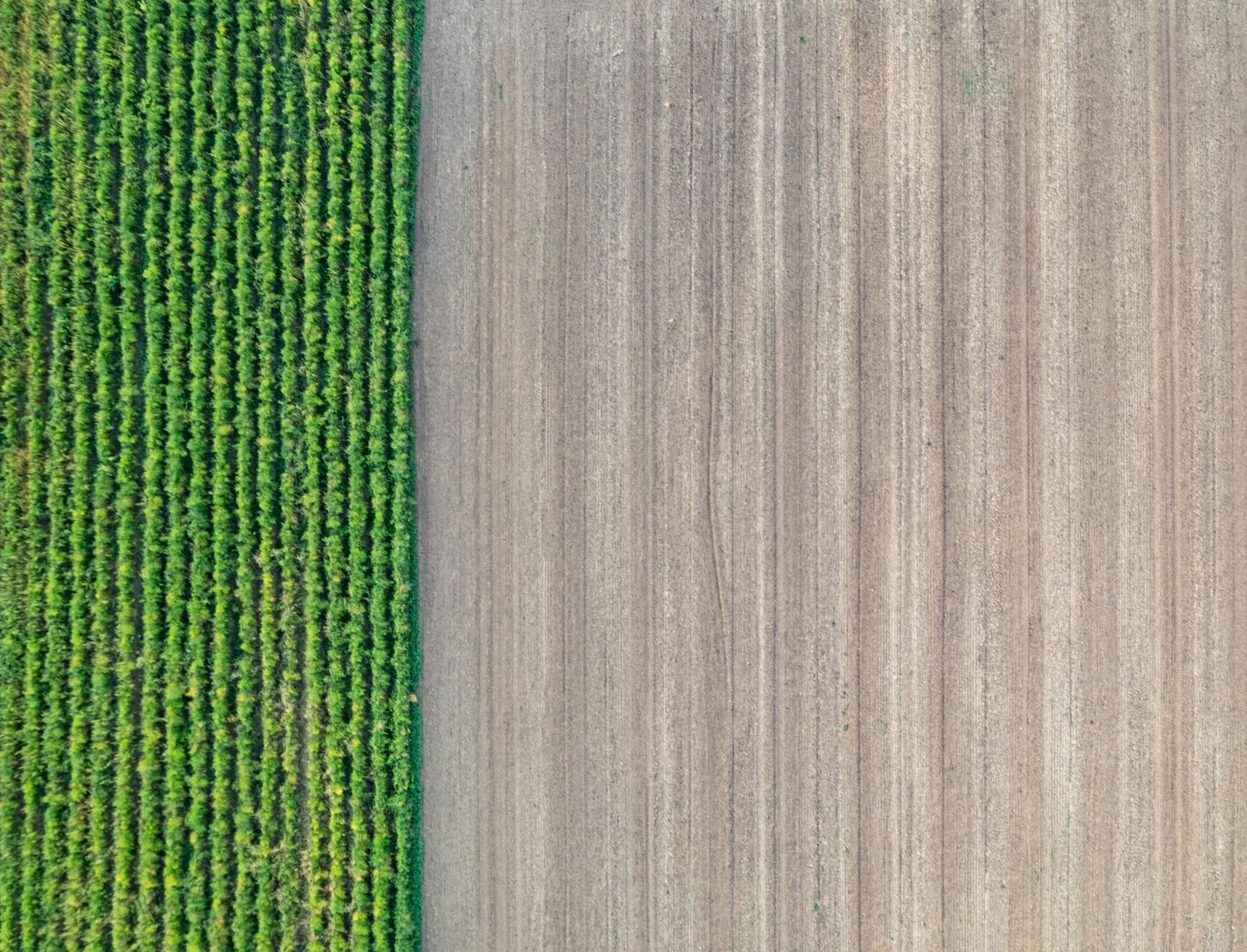
Soil Types and Fertility
Soil quality varies dramatically across continents and climatic zones. Agricultural fertility depends on soil texture, aggregation structure, organic carbon content, drainage capacity, and cation exchange capacity. Agronomists classify soils by their constituent grain sizes:
- Sandy Soils: Coarse-textured soils with large pore spaces that drain rapidly and warm quickly in spring, but retain minimal water and leach dissolved nutrients easily.
- Clay Soils: Dense, fine-textured soils with massive nutrient retention and water-holding capacity, but prone to waterlogging, compaction, and poor root aeration.
- Silt Soils: Smooth, highly fertile soils composed of medium-sized alluvial sediments, frequently found along river floodplains.
- Loam Soils: The optimal agricultural balance of roughly 40% sand, 40% silt, and 20% clay, offering excellent moisture retention, aeration, and natural fertility.
- Peat and Organic Soils (Histosols): Composed predominantly of partially decomposed plant matter, characteristic of wetlands and boreal peatlands.
Crucially, fertile soil is not merely a chemical growing medium; it is a thriving biological habitat. Bacteria, mycorrhizal fungi, earthworms, nematodes, and arthropods decompose organic residues, solubilize phosphorus, fix atmospheric nitrogen, and engineer soil aggregates. Scientifically, soils harbor more than 40% of all living terrestrial biodiversity, making them one of the most biodiverse yet unseen ecosystems on Earth.
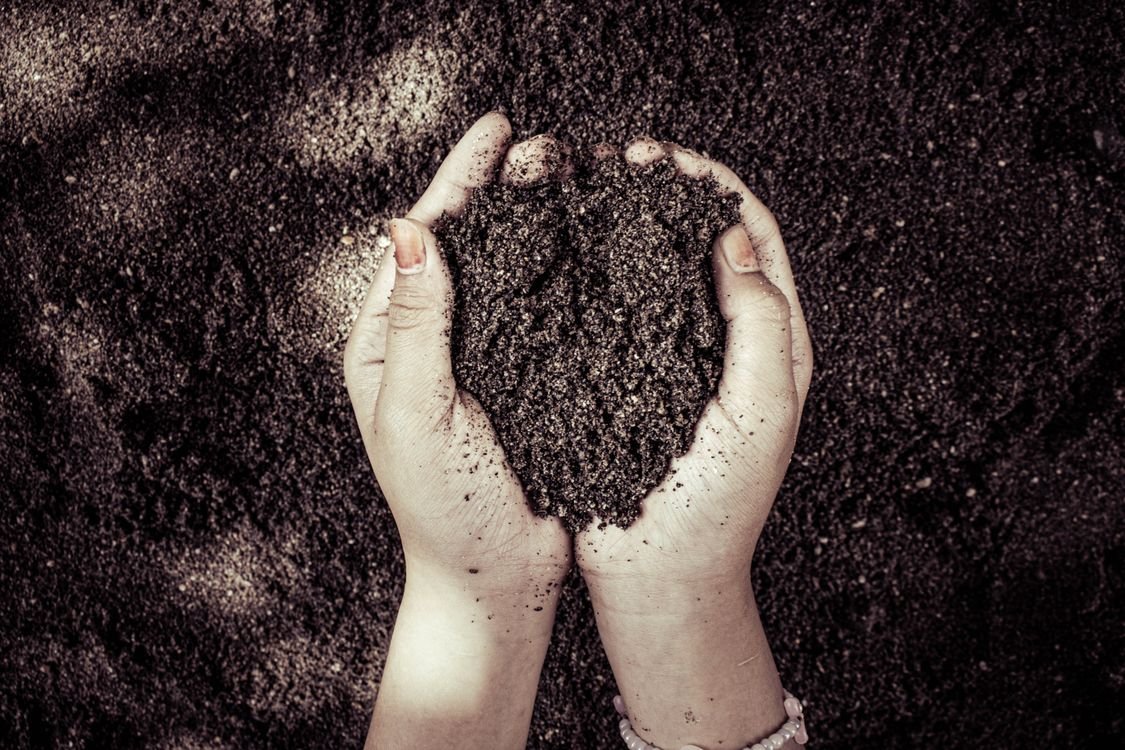
Arable Land: A Surprisingly Scarce Resource
Although agriculture shapes vast continental landscapes, high-quality arable land suitable for continuous cultivation is remarkably scarce. According to World Bank indicators, arable land represented only 10.7% of the Earth’s total land area in 2022 (World Bank 2022). The remaining 89.3% consists of hyper-arid deserts, mountain ranges, polar glaciers, boreal taiga, dense tropical forests, or urbanized infrastructure incapable of regular tillage.
This modest fraction of planetary surface area must feed, clothe, and fuel an expanding global population exceeding 8 billion people. Global arable endowments are concentrated within a few continental giants: the United States and India lead the world in total arable acreage, followed closely by Russia, China, Brazil, and Argentina.
To understand how these agricultural powers steward their natural capital, explore our detailed country profiles for India, China, Brazil, and Argentina.
The Vital Role of Soil in Food Security
Soil provides the bedrock of international food security. As confirmed by the FAO, 95% of human nutrition traces back to agricultural soils (FAO 2022). Beyond physical mechanical anchorage for crops, living soils deliver essential macro- and micronutrients (nitrogen, phosphorus, potassium, zinc, iron), regulate water infiltration, and purify groundwater aquifers.
Healthy soils also serve as the planet’s primary terrestrial carbon sink, containing roughly 2,500 billion metric tons of carbon—more than three times the carbon in the atmosphere and four times that in all living vegetation combined. When soils are degraded through excessive tillage or erosion, stored organic carbon oxidizes into atmospheric CO₂. Soil conservation is therefore synonymous with climate stabilization.
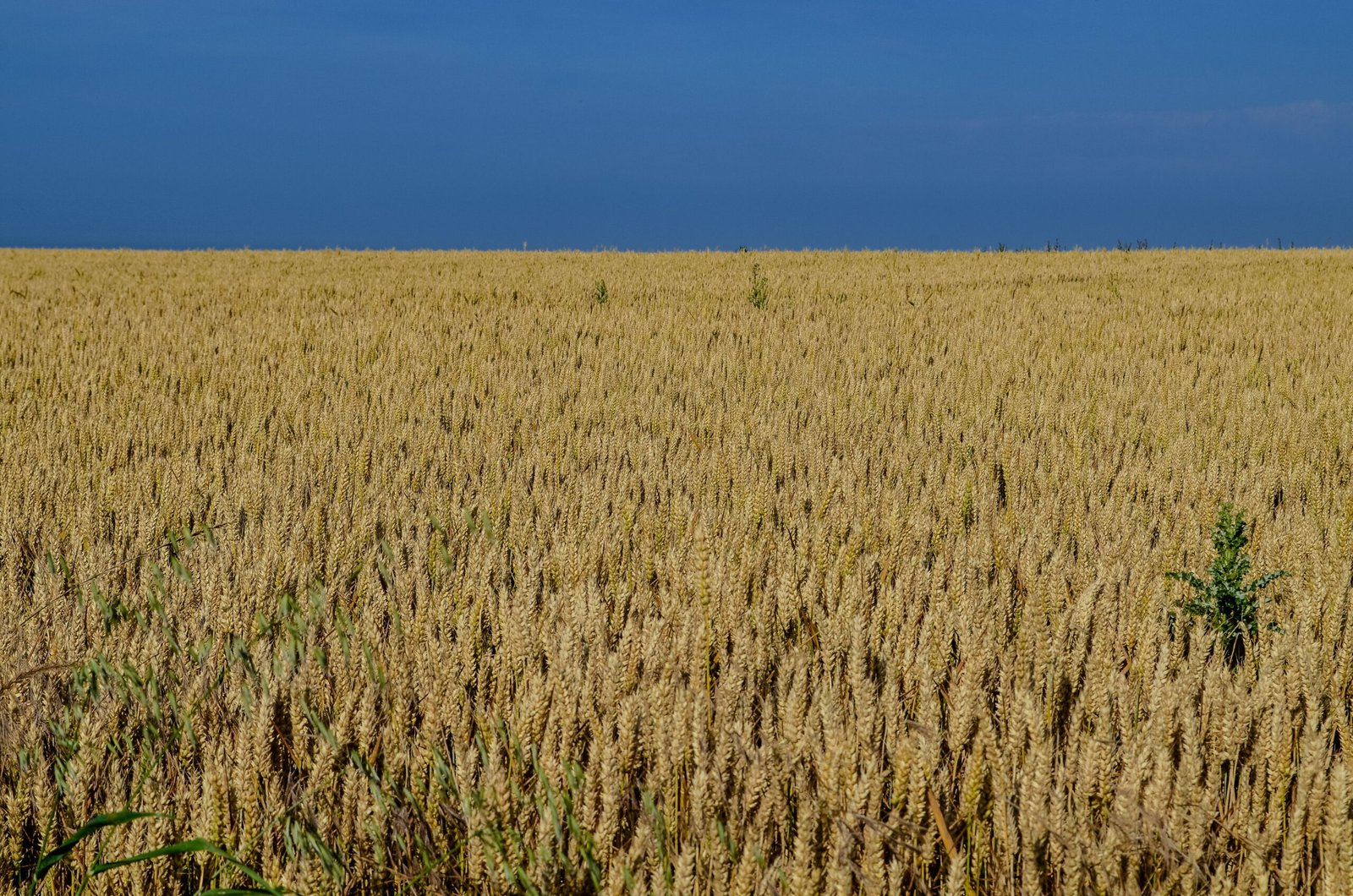
Threats: Erosion, Degradation and Desertification
The greatest existential challenge facing soil resources is pervasive degradation. The FAO warns that approximately 33% of the world’s soils are currently moderately to highly degraded due to accelerated erosion, loss of soil organic matter, nutrient depletion, salinization, chemical contamination, and structural compaction (FAO 2015). Under business-as-usual practices, up to 90% of Earth’s fertile topsoil could face severe degradation by 2050 (FAO / UN 2022).
Desertification—the biological degradation of arid, semi-arid, and sub-humid drylands—greatly compounds this crisis. According to the United Nations Convention to Combat Desertification (UNCCD), the world loses at least 100 million hectares of healthy, productive land each year, with 12 million hectares lost specifically to drought and desert encroachment (UNCCD 2024). Key drivers of degradation include:
- Water and Wind Erosion: Raindrop impact and surface runoff strip exposed topsoil horizons far faster than pedogenesis can replenish them.
- Deforestation and Overgrazing: Stripping natural vegetative cover leaves fragile soil surfaces vulnerable to direct solar baking and hydraulic scour.
- Continuous Monoculture and Intensive Tillage: Repeated plowing oxidizes humus, collapses fungal mycorrhizal networks, and depletes fertility.
- Secondary Salinization: Mismanaged agricultural irrigation in arid river basins causes waterlogging and toxic capillary salt accumulation.
- Urban Sealing: Asphalt, concrete, and urban sprawl pave over prime fertile alluvial plains permanently.
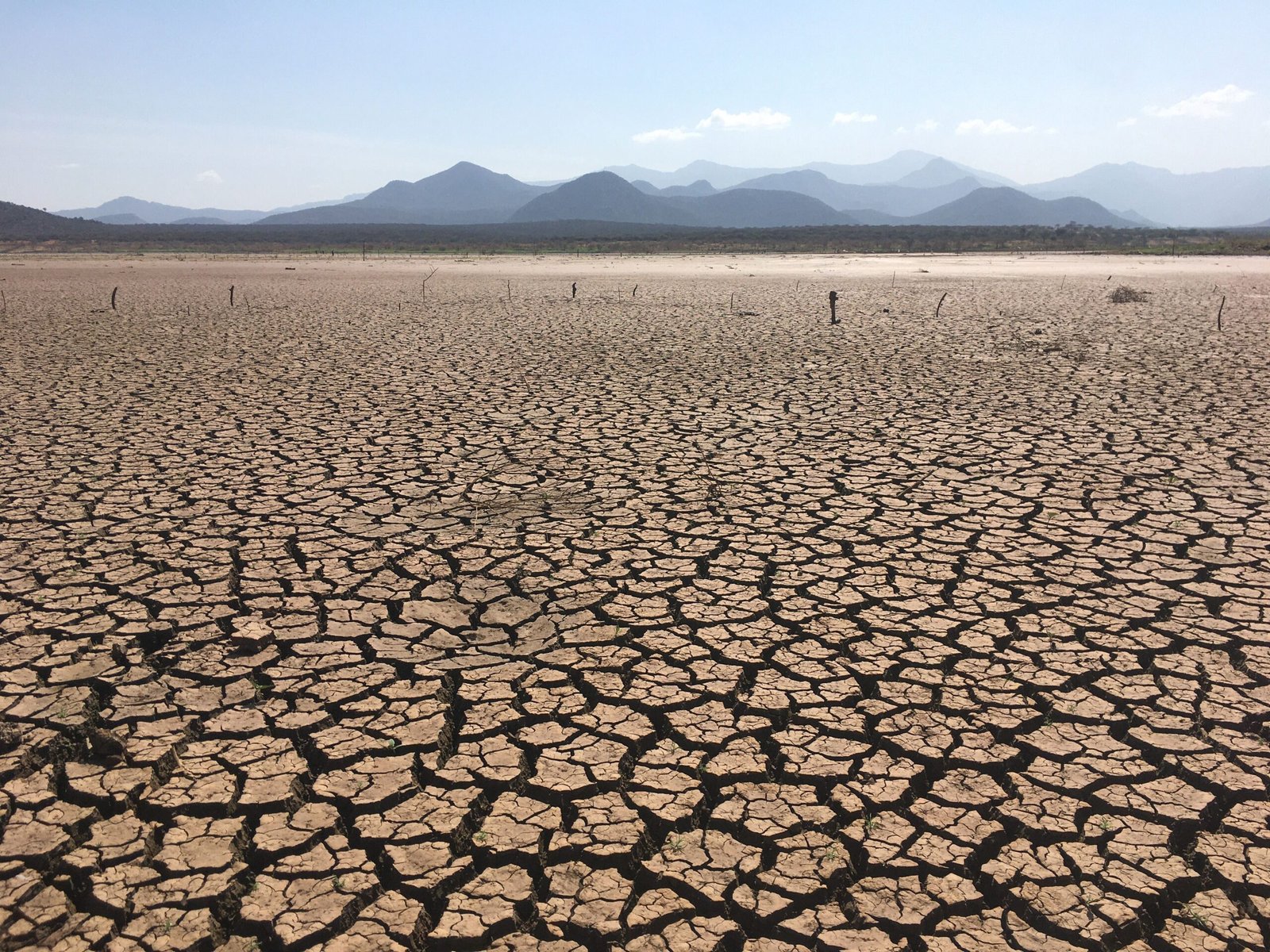
Sustainable Soil Management
The degradation of agricultural land can be halted and reversed through regenerative conservation practices. The FAO’s Global Soil Partnership demonstrates that adopting proven sustainable soil management techniques rebuilds topsoil structure, increases soil organic carbon (SOC), and bolsters agricultural climate resilience:
- Crop Rotation and Diversification: Alternating cereal crops with deep-rooted nitrogen-fixing legumes breaks pest cycles and naturally replenishes soil nitrogen.
- Cover Cropping and Green Manures: Maintaining living vegetative root systems year-round prevents hydraulic erosion and contributes organic biomass.
- Conservation and Zero-Tillage: Leaving crop residues on the soil surface minimizes mechanical disturbance, preserves moisture, and builds humus.
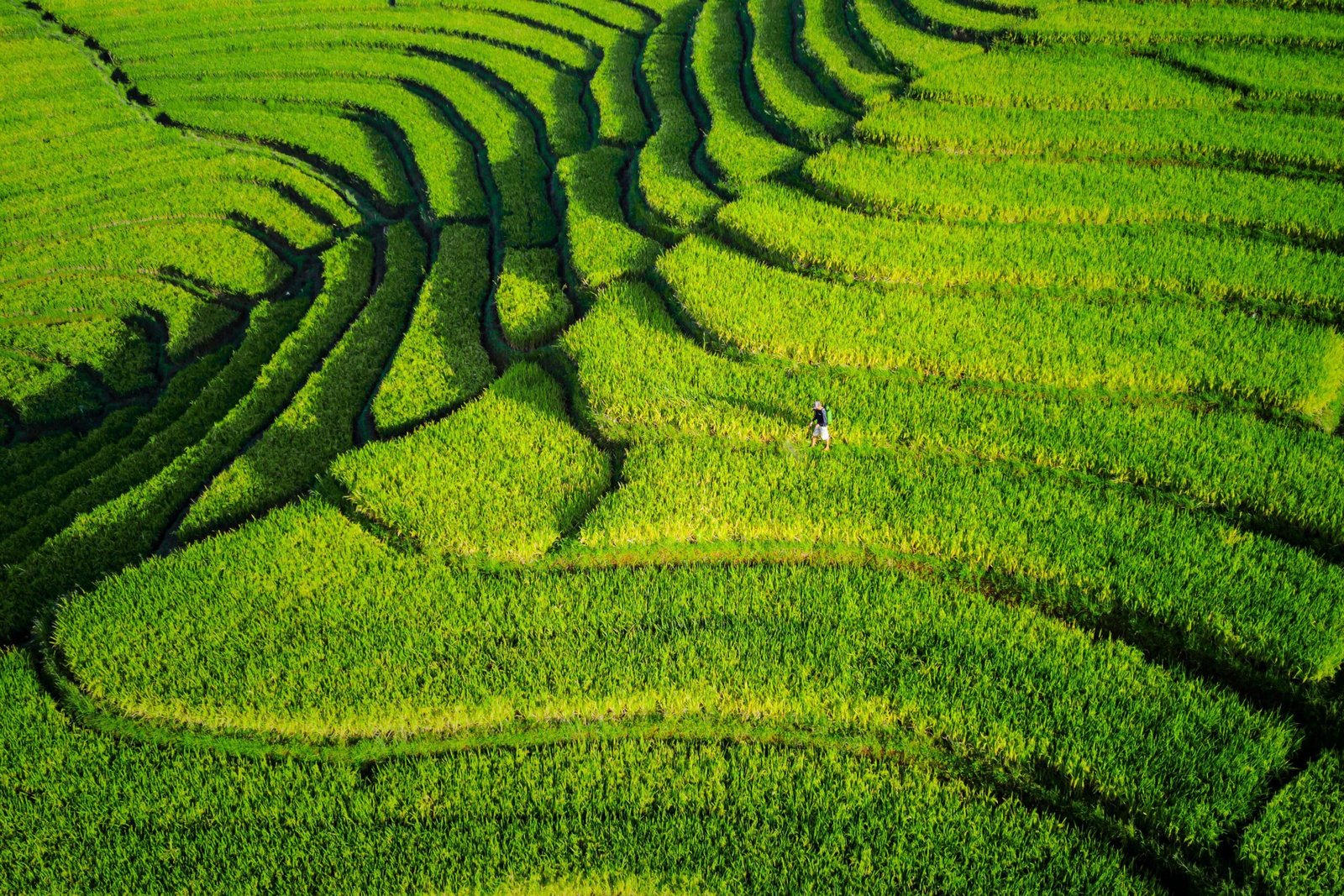
- Agroforestry and Contour Terracing: Planting windbreaks and contour bunds stabilizes sloping terrain and arrests surface runoff.
- Organic Amendments and Precision Nutrient Management: Applying compost, biochar, and targeted fertilization restores biological fertility without eutrophying waterways.
Integrating these regenerative soil principles into national agriculture strategies protects the entire water-energy-food nexus. Recognizing that topsoil is a finite, precious natural capital underpins long-term ecological sustainability and global food sovereignty.
Explore Related Guides
- What Are Renewable Resources? Types and Examples
- Non-Renewable Natural Resources: Types and Examples
- Water Resources: Types, Uses and Availability
- Forest Resources: Uses, Benefits and Conservation
- Why Natural Resources Matter: Uses and Conservation
- India Natural Resources: Coal, Iron Ore, Arable Land and Solar
- China Natural Resources: Rare Earths, Coal, Hydro and Solar
- Brazil Natural Resources: Oil, Iron Ore and Niobium
- Argentina Natural Resources: Lithium, Shale Oil and Soy
- Ukraine Natural Resources: Chornozem Soils, Iron and Coal
- Uruguay Natural Resources: 99% Green Grid, Beef and Cellulose
- Paraguay Natural Resources: Hydropower Giant and Rich Soils
Sources and References
- FAO — 95% of Global Food Relies on Soils (2022)
- FAO — Status of the World’s Soil Resources: 33% of Soils Degraded (2015)
- FAO / UN News — 90% of Earth’s Topsoil at Risk by 2050 (2022)
- World Bank — Arable Land (% of Land Area)
- UNCCD — Over 100 Million Hectares of Healthy Land Lost Each Year (2024)
- FAO — Cherishing the Ground We Walk On: Formation Rates of Topsoil
Soil and agricultural resources represent an irreplaceable form of natural capital: slow to form, fragile to maintain, and indispensable for nourishing humanity. Implementing sustainable soil stewardship today is both an ecological necessity and an essential investment in the food security, climate stability, and prosperity of future generations.

Leave a Reply