


Sustainable development is development that meets the needs of the present without compromising the ability of future generations to meet their own. That definition comes from the 1987 Brundtland report, Our Common Future, and rests on two ideas: human needs, especially those of the poorest, and the limitations of the environment and of technology. What is sustainable development?
What is sustainable development, and what does sustainable development mean? Sustainable development has been defined in several ways; the most frequently used comes from the 1987 report known as the “Brundtland Commission: Our Common Future” (abridged version here), which states:
Table de contenidos
Sustainable development rests to a large extent on renewable natural resources. We explain them here.
“Sustainable development is development that meets the needs of the present without compromising the ability of future generations to meet their own needs”
This definition contains two key concepts:
Needs: in particular those of the world’s poorest, who must be given priority.
Limitations: imposed by the state of technology and social organization and by the environment’s ability to meet present and future needs.
More: history of sustainable development
Characteristics of sustainable development
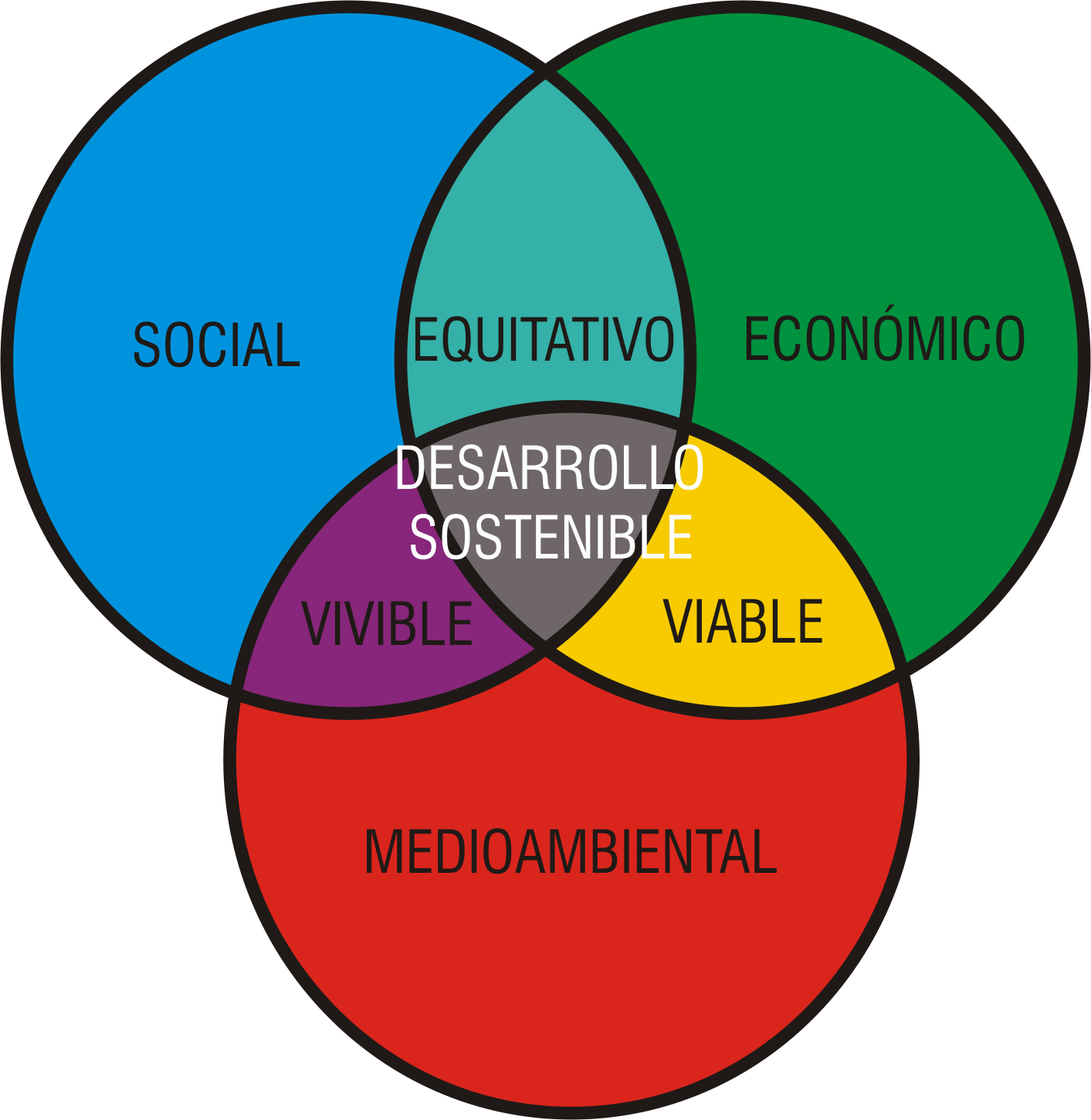
That is what sustainable development consists of, but the definition also implies a concern for intergenerational social equity — between people living now and those who will live in the future. A concern that must also extend to equity within each generation.
Equally, the goals of social and economic development in every country, developed or developing, must align with the definition of sustainable development in terms of sustainability — regardless of whether they rest on economic systems oriented toward a market economy or toward central planning.
To understand the concept of sustainable development, let us look at how it interacts with a number of issues relating to the economy, society and the environment.
Sustainable development and poverty
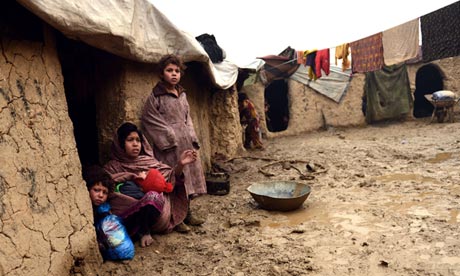
A great many people in developing countries currently do not have their basic needs met — poverty is endemic — nor do they have the opportunity to improve their living conditions.
That situation leaves the world highly prone to humanitarian, economic and ecological crises that hold back development. This is why meeting the basic needs of everyone and offering them the chance of a better quality of life are the minimum requirements for achieving sustainable development.
Sustainable development is inclusive of the world’s most disadvantaged, politically, economically and culturally. It empowers and does not discriminate. Even people on the lowest incomes must have a voice and real opportunities to shape development.
In the UN Sustainable Development Goals (SDGs), ending poverty is the most important goal. Eliminating extreme poverty would also reduce many of the problems affecting people with fewer resources, such as lack of access to public services, health care and education, hunger, income inequality and unemployment.
Inequality
Sustainable development and population growth

The rise in world population (we have already passed 8 billion people and are projected to reach some 9.7 billion by 2050, according to the UN) increases the pressure on natural resources and can hold back improvements in quality of life in areas where poverty is widespread.
Population growth in itself is not the problem, but the resulting rise in consumption and the distribution of resources is. It means greater pressure on the planet’s scarce resources, so the expansion of the world’s population needs to happen in harmony with the world’s productive capacity.
There must also be technological development for everyone that allows a larger population to be sustained without increasing pressure on and damage to the environment, and so secure resources for future generations.
More: sustainable urban development
Sustainable development and technological progress
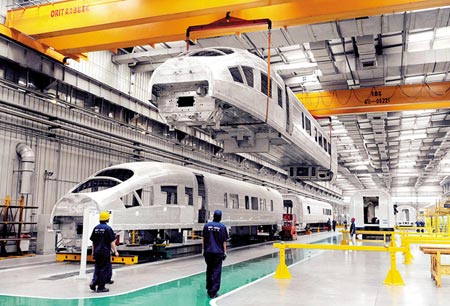
Technological advances can solve some problems in the short term but lead to greater difficulties in the long run. A new fertilizer, for example, can raise the productivity of farm crops while seriously damaging the soil over the years.
Technology can also impoverish some parts of society. Technological development can marginalize large sections of the population through poor planning — for instance, driving farmers off their land to build a new hydroelectric plant.
In a world of finite resources there can be no infinite economic growth. But technological development can improve the carrying capacity of existing resources. The right technologies can let society do more with the same, while improving access to goods and services for people on lower incomes.
In general, technology can help build synergies between efforts toward sustainable development, deliver practical benefits that improve quality of life, and avoid barriers or conflicts that hold back progress.
In practical terms, technology can reduce industrial waste, end diseases, cut road accidents, improve energy use, reduce food waste, improve water quality, lower pollution, improve access to health care and education, expand public transport and more.
Sustainable development and renewable resources

Economic development means physical changes to ecosystems. Not every untouched area can be preserved intact. A forest, for example, may be felled in some places but extended in others. That is not necessarily a bad thing if it is done through planned forestry and the effects of erosion on soil, water and wildlife are taken into account. If the forest is managed properly it becomes a sustainable resource.
In general, renewable resources such as forests and fish stocks will not run out as long as the level of use stays within the ecosystem’s limits of regeneration and natural growth. But because most renewable resources are part of a larger, complex and interrelated system, maximizing their maximum sustainable yield means accounting for the effects across the whole ecosystem — fish stocks that form part of the ocean food chain, for instance.
Sustainable development also looks for ways to keep these resources renewable. Tuna production, for example, is currently at its peak: those fish stocks are exploited to the sustainable limit or overexploited. But because more food is needed, alternatives have to be found. That is why aquaculture has grown, and is expected to keep growing, as a sustainable alternative for producing seafood without damaging the complex marine ecosystems that could be lost forever.
Sustainable development and non-renewable resources

In sustainable development, the consumption of non-renewable resources must emphasize recycling and efficiency to ensure they are not exhausted before acceptable substitutes exist. Sustainable development implies that the rate at which resources are depleted rules out as few consumption options as possible for future generations.
Oil reserves, for example, will run out — but that is no reason to stop using oil. Instead, sustainability means developing new alternatives to replace oil in the economy, such as electric cars or organic pesticides.
Sustainable development and species diversity

Economic development tends to simplify ecosystems and reduce the diversity of plant and animal species. Once extinct, species are not renewable (for now).
The loss of species can severely limit the options open to future generations. Ecosystem degradation and biodiversity loss also affect a range of services essential to humanity, and especially to the poorest.
Wildlife provides many key benefits, not only for sustainable development but for the basic functioning of society. It supplies food, pollinates crops, controls pests, and is a source of medicines and genetic resources.
Conserving species is necessary to achieve sustainable development. Two problems are central here: habitat loss and the illegal wildlife trade.
Sustainable development and pollution
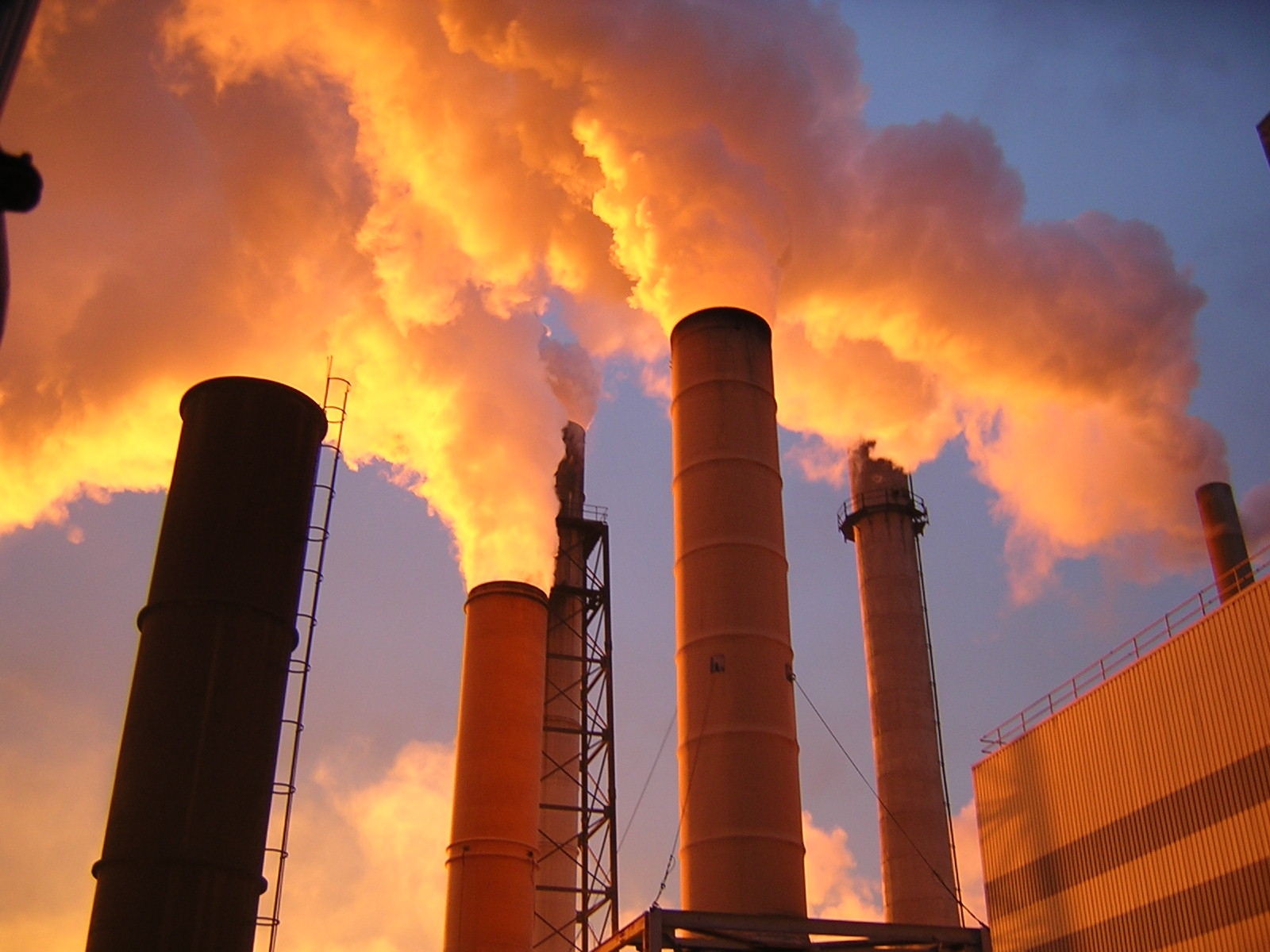
A private company can be sustainable if it manages to maximize its economic returns and minimize its negative environmental externalities, with an emphasis on social responsibility.
A furniture factory that dumps its waste into the nearest river, for example, is not sustainable, whereas a match factory with waste management programs is. The first externalizes its costs by polluting the river and affecting everyone’s water; the second internalizes the cost by investing in technology to treat its waste.
Conclusion on sustainable development
In essence, sustainable development is a process of change in which the exploitation of natural resources, the direction of economic investment, the orientation of technological change and institutional change are in harmony, and work to improve both current and future potential to meet human needs and aspirations.
Related reading on sustainable development
Sustainable development projects
Sustainable products
Sustainable cities
Sustainable economy
Environmental organizations
Actions for sustainable development
Articles on sustainable development (PDF, Spanish):
Articles on sustainable development (PDF, English):
Last updated: July 5, 2026

Leave a Reply