

Central America’s natural resources combine emerging mineral wealth (the Cobre Panamá mine produced roughly 350,000 tonnes of copper per year, nearly 1% of global supply), an exceptionally renewable electricity grid (Costa Rica closed 2025 with 98.6% clean generation), and extraordinary biodiversity: the Mesoamerica hotspot harbors some 17,000 vascular plant species across just 0.5% of Earth’s land surface. What are Central America’s primary natural resources, and which countries hold them?
Central America is a narrow isthmus connecting North America with South America that, despite occupying a tiny fraction of the planet, concentrates an astonishing diversity of natural resources. Its seven countries—Guatemala, Belize, Honduras, El Salvador, Nicaragua, Costa Rica, and Panama—share volcanic mountain ranges, tropical rainforests, extensive coastlines across two oceans, and some of the most critical lakes and rivers in the hemisphere. This unique geography explains why the region ranks among the most biodiverse territories in the world.
Table de contenidos
A single statistic underscores the ecological significance of the isthmus: the Mesoamerica biodiversity hotspot harbors approximately 17,000 vascular plant species, around 2,900 of which are endemic (CEPF), across a landmass representing just 0.5% of Earth’s total land area. Alongside this biological wealth are mineral deposits, clean energy potential, vast forest reserves, and freshwater networks that sustain the region’s economies.
In this guide, supported by verified data from official bodies including the USGS, FAO, World Bank, ECLAC, UNESCO, and regional organizations, we examine what Central America’s natural resources are, how they are distributed across each country, and the environmental challenges they face.
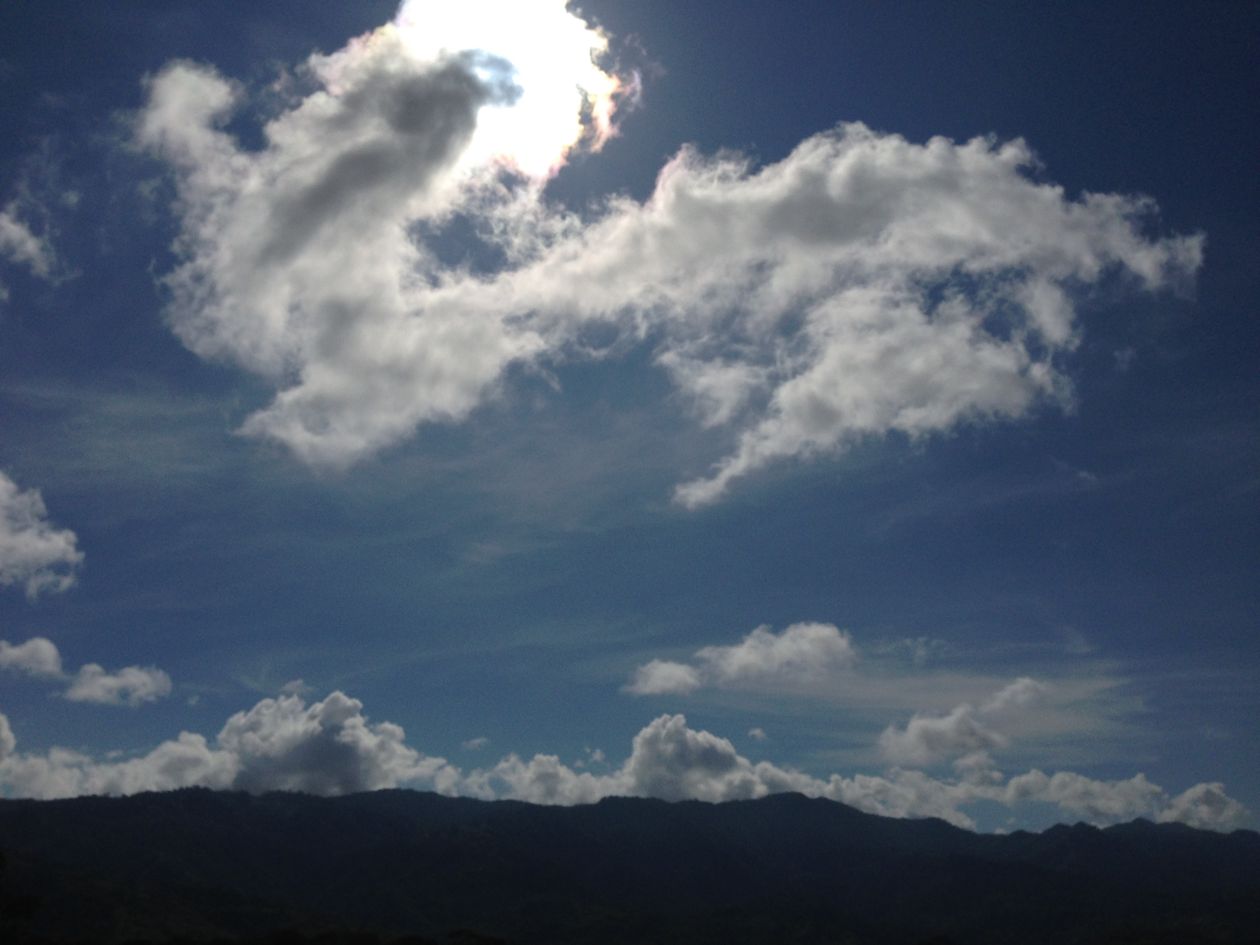
Which minerals are extracted across the isthmus? Why does Central America boast one of the cleanest electrical grids on the planet? How much tropical rainforest remains, and what iconic wildlife does it shelter? Below, we break down each resource category in detail.
Natural Resources
Natural resources are materials or energy sources provided or found on Earth that are useful to human beings. All manufactured products originate from natural resources.
- Renewable resources: can be restored through natural processes faster than the rate at which they are consumed. Examples include solar radiation, wind, hydroelectric power, water when managed sustainably, and flora and fauna.
- Non-renewable resources: once extracted and used, they are depleted and cannot regenerate on human timescales. Examples include hydrocarbons, metals, and minerals.
Mineral Resources of Central America
Although Central America is not a mining giant on the scale of major South American producers, the isthmus holds significant deposits of copper, nickel, and gold. The most prominent project is the Cobre Panamá mine, operated by First Quantum: prior to its suspension, it produced approximately 350,000 tonnes of copper per year, close to 1% of global copper supply (MINING.COM, 2023). The mine accounted for roughly 4% to 5% of Panama’s GDP until the Supreme Court ordered its closure in November 2023, an event illustrating the ongoing tension between large-scale mining and environmental protection across the region.
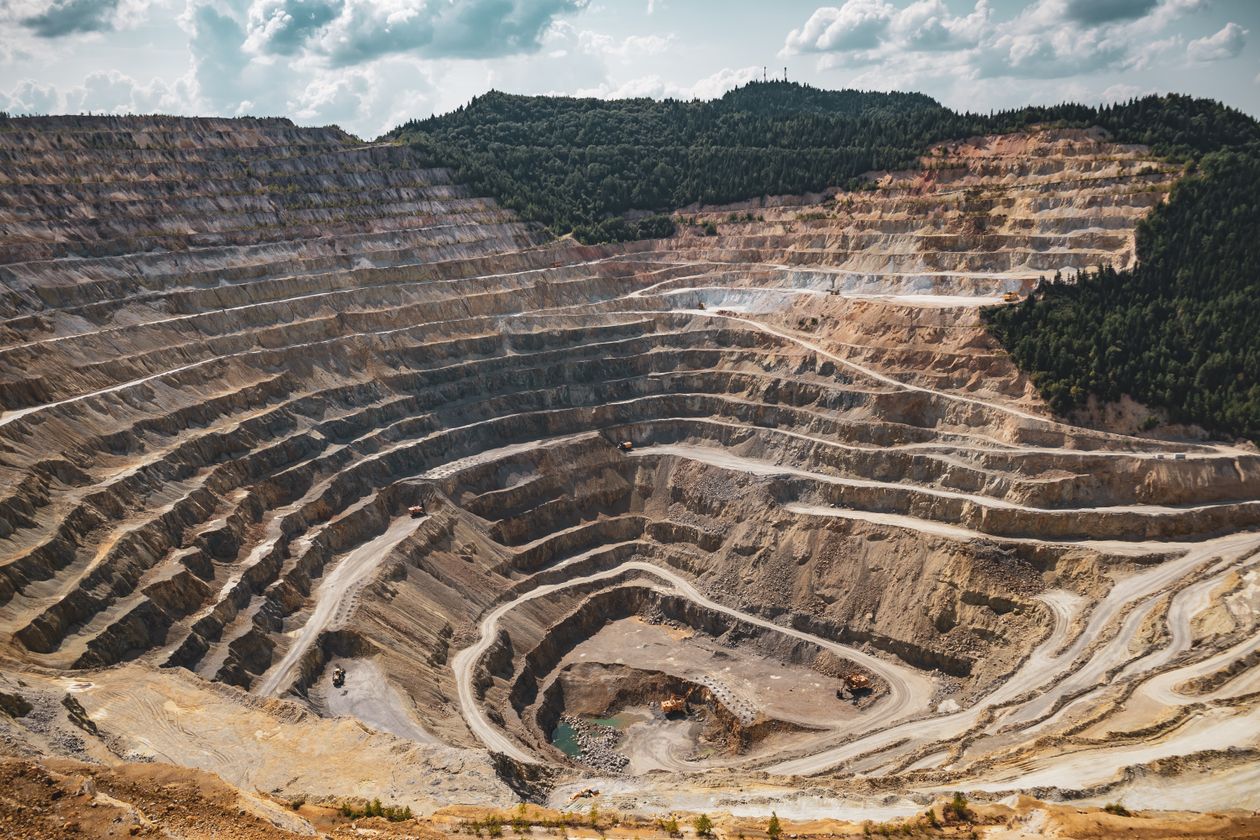
Guatemala stands out for nickel: according to its operator, the Fenix Project holds reserves on the order of 36.2 million tonnes of ore with an average grade near 1.86% nickel (Solway Group). Further north and south along the isthmus, gold is a key resource: Nicaragua and Honduras maintain active gold mining districts that rank among their leading export commodities. Taken together, metals and minerals represent non-renewable natural resources: once depleted, they do not regenerate, meaning their extraction demands rigorous strategic oversight alongside other critical mineral resources.
Energy Resources: A Highly Renewable Power Grid
Central America has very limited hydrocarbon reserves—producing negligible amounts of oil or natural gas—yet it compensates for this scarcity with one of the cleanest electricity mixes in the developing world. The region has a deep-rooted renewable heritage: as early as 2010, the six nations in the Regional Electricity Market (SIEPAC) generated nearly 65% of their electricity from renewable sources (ECLAC, 2010), driven by hydropower, geothermal, and biomass.
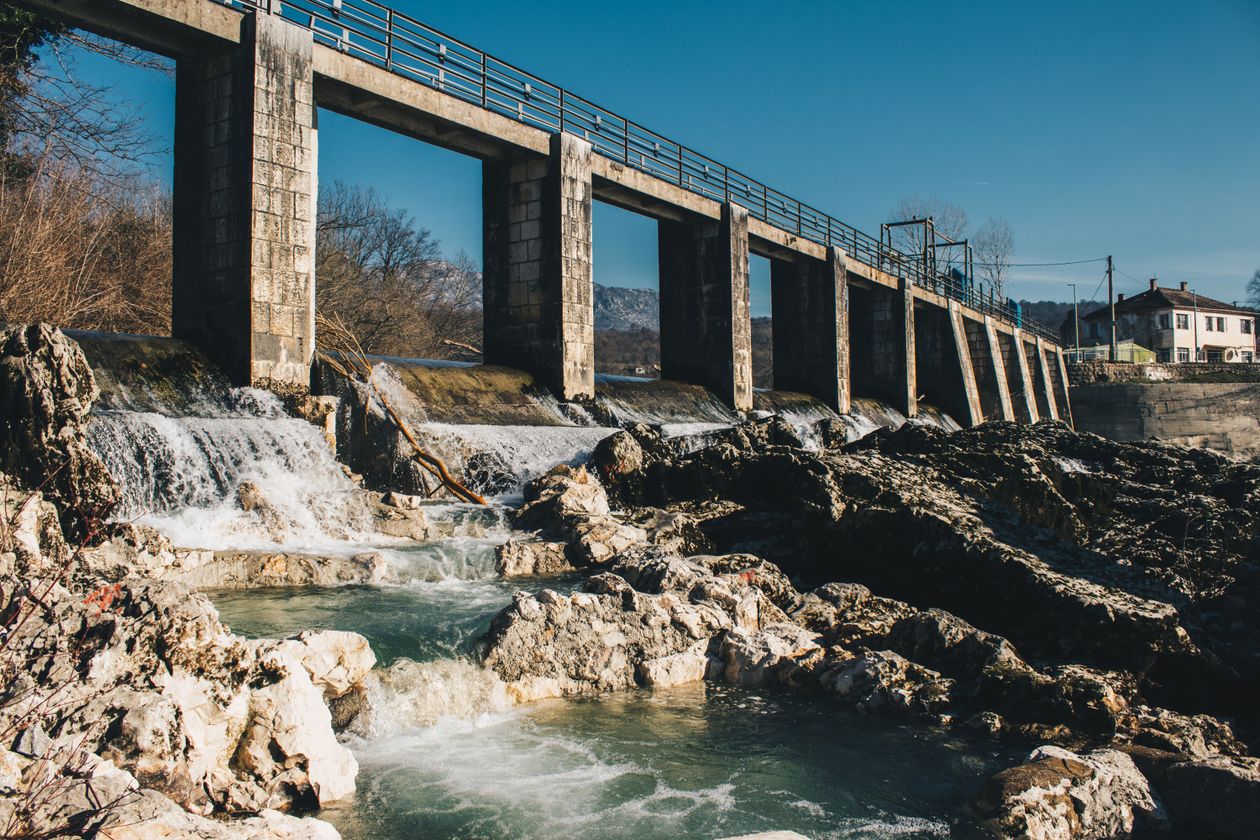
Costa Rica is the global benchmark: the country closed 2025 with 98.6% renewable electricity generation (ICE via Tico Times, 2026), relying on a synergistic blend of hydro, geothermal, wind, biomass, and solar power. The isthmus also harnesses its volcanic geography: El Salvador possesses an installed geothermal capacity of approximately 200 MW, supplying between 20% and 25% of national power demand (ThinkGeoEnergy, 2024). As a regional benchmark, Latin America and the Caribbean achieved 71% renewable generation in June 2025 (OLADE, 2025). These clean technologies represent prime examples of renewable natural resources that power green economic growth through sustainable energy resources.
Forest Resources: The Maya Forest and the Darién
Forests are perhaps the defining natural asset of the Central American isthmus. In the north lies the Maya Forest, shared across Mexico, Guatemala, and Belize, spanning nearly 15 million hectares: the second-largest continuous tropical rainforest in the Americas after the Amazon (Maya Forest / NASA). At the southern extreme, Panama’s Darién National Park protects approximately 575,000 hectares inscribed as a UNESCO World Heritage site.
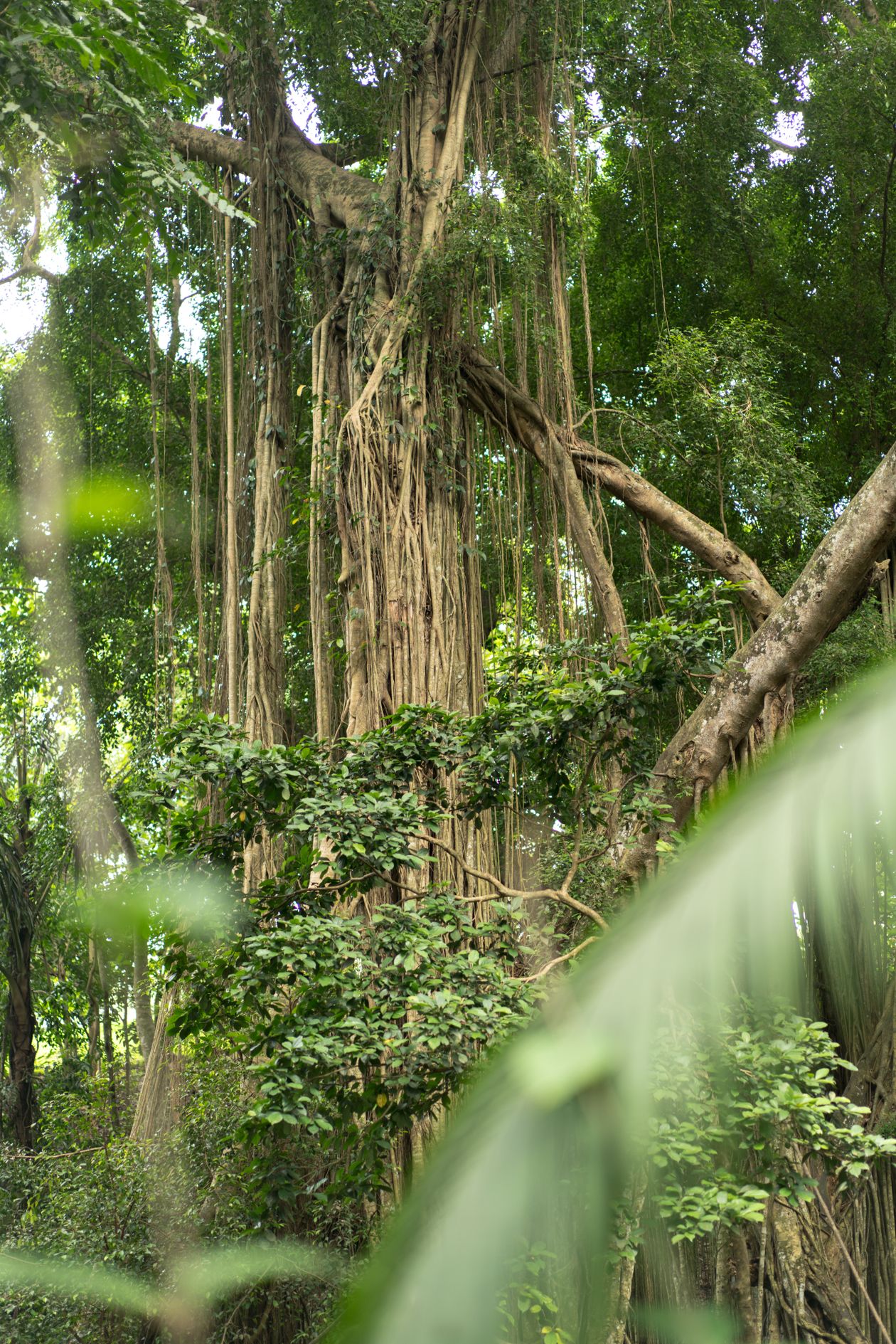
Forest cover differs significantly from nation to nation. According to the Global Forest Resources Assessment by the FAO and World Bank data (2020), Costa Rica, Honduras, Panama, and Belize maintain more than half of their landmass under forest cover, whereas El Salvador and Nicaragua exhibit the lowest canopy percentages in the region. The chart below illustrates forest area as a percentage of total land surface across all seven isthmian nations, showcasing the distribution of vital forest resources.
Water Resources: Lakes, Rivers and the Panama Canal
Fresh water represents one of the most strategic natural resources in Central America. Lake Nicaragua (also known as Cocibolca), with a surface area of approximately 8,264 km², is the largest freshwater lake in Central America (Britannica) and an ecological icon. Dozens of fast-flowing rivers originating in high cordilleras nourish agricultural valleys, supply municipal drinking water, and drive hydroelectric cascades.
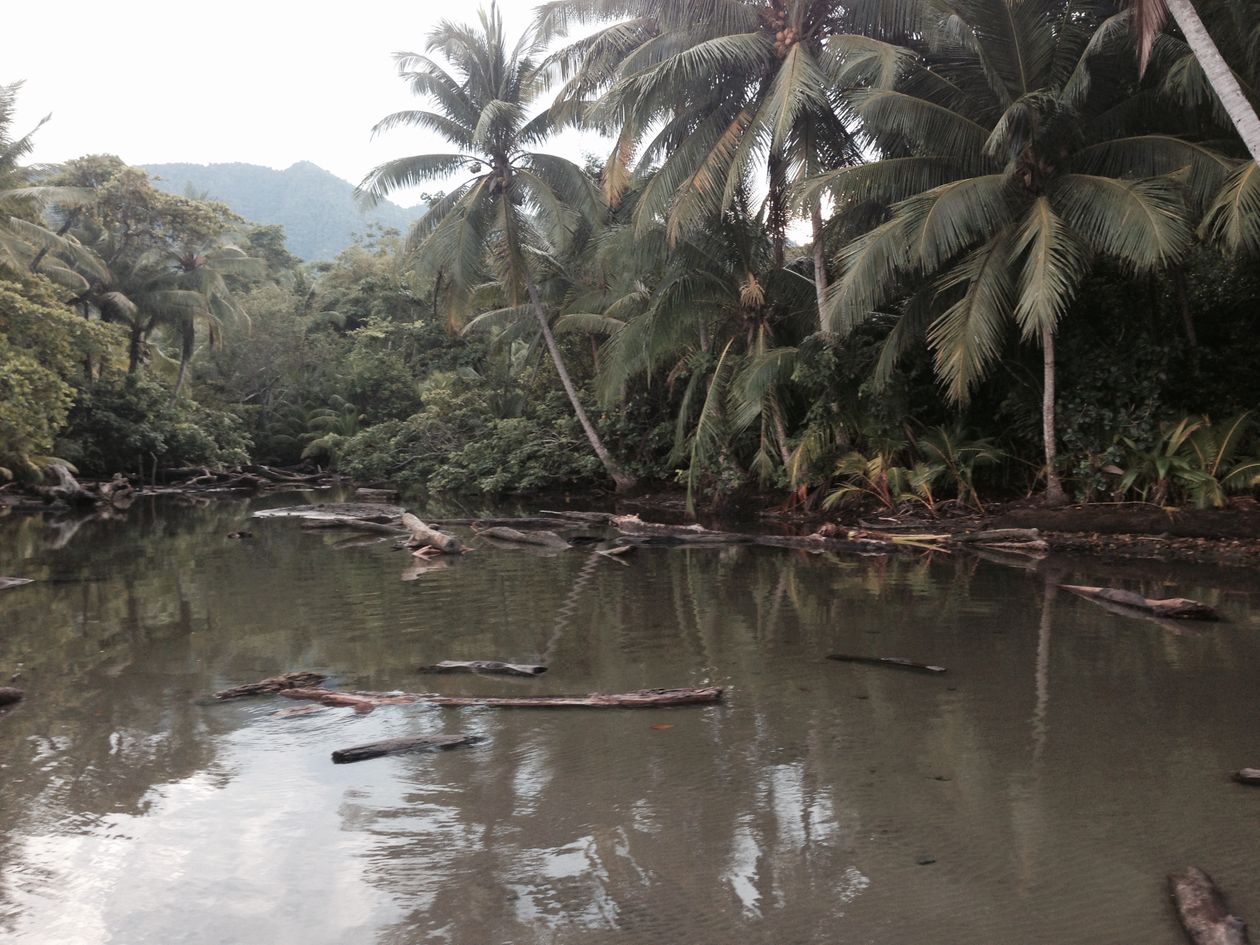
The most geopolitically significant hydrological system is the Panama Canal watershed, which relies on a catchment basin of roughly 3,400 km² and Gatun Lake, a massive artificial reservoir spanning 425 km² (Britannica). The availability of freshwater in this catchment directly determines global maritime transit capacity, elevating local water resources into an asset of vital importance to international trade.
Biodiversity: The Mesoamerican Hotspot
Central America forms the nucleus of the Mesoamerica biodiversity hotspot, one of 36 conservation hotspots designated globally. Its convergence of tropical seas, rugged topography, and microclimates yields extraordinary biological richness: beyond 17,000 vascular plant species, the hotspot supports more than 550 amphibian species (over 350 endemic), 1,113 birds, 440 mammals, and 692 reptiles (CEPF), making it the most reptile-rich hotspot on Earth.
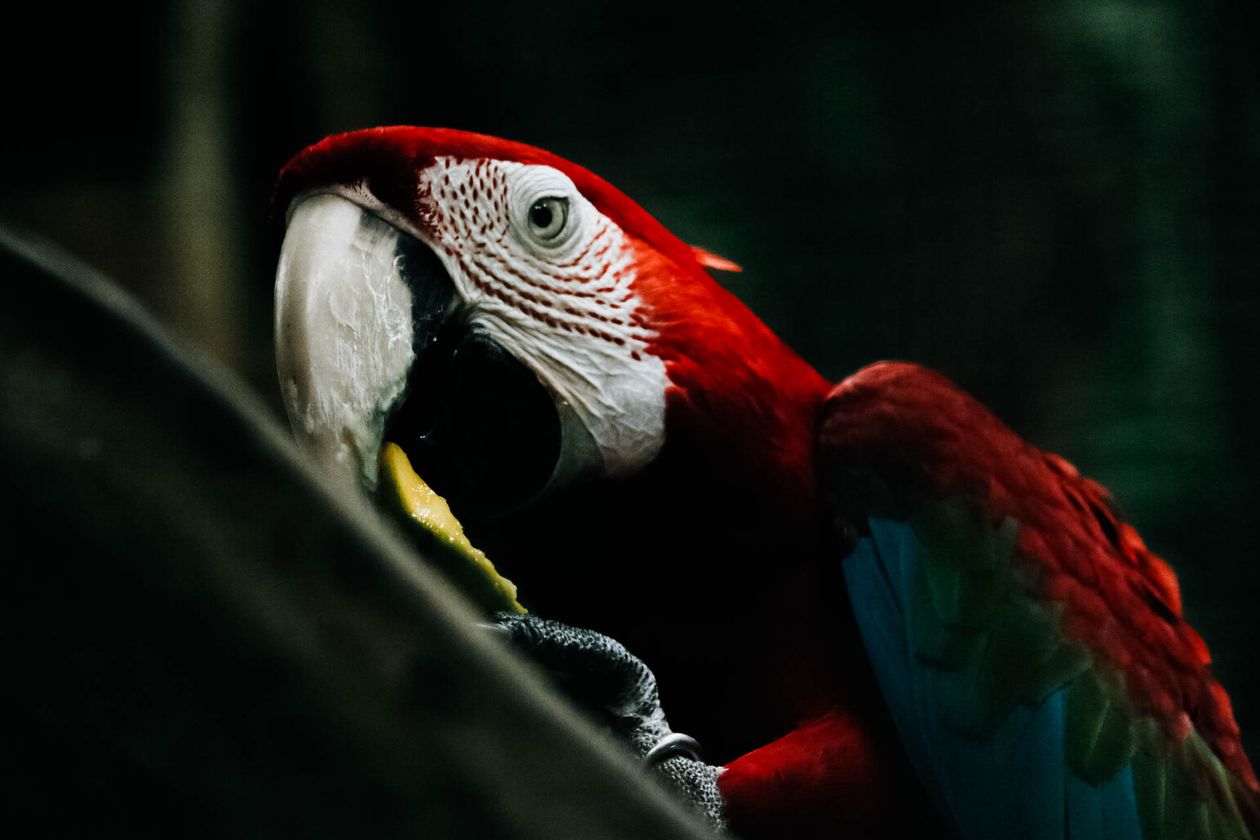
Flagship species such as the resplendent quetzal, scarlet macaw, jaguar, mantled howler monkey, and green sea turtles depend on these interconnected corridors. This biological wealth is an irreplaceable renewable asset powering eco-tourism, scientific discovery, and environmental services, making its conservation central to sustainable development throughout the isthmus. These corridors also connect biologically with neighboring South America, as seen in the mega-diverse natural resources of Colombia.
Natural Resources of Each Central American Country
Each country on the isthmus features a distinctive resource profile. Explore our dedicated country guides across the region:
- Natural resources of Guatemala: nickel deposits, the Maya Biosphere Reserve, rich coffee soils, and hydropower.
- Natural resources of Belize: the Belize Barrier Reef, tropical timber, and flourishing marine fisheries.
- Natural resources of Honduras: gold, silver, pine forests, and fertile agricultural basins.
- Natural resources of El Salvador: volcanic geothermal power and strategic freshwater basins.
- Natural resources of Nicaragua: Lake Cocibolca, gold mining, and extensive forest areas.
- Natural resources of Costa Rica: world-class renewable power, cloud forests, and protected biodiversity.
- Natural resources of Panama: copper reserves, the Canal watershed, and pristine Darién forests.
To understand the fundamental classification of planetary wealth, read our comprehensive overview of types of natural resources, including renewable natural resources and non-renewable natural resources, or compare the isthmus with northern neighbor in our guide to Mexico natural resources.
Environmental Challenges and Conservation Organizations
The abundance of Central America’s natural capital faces growing anthropogenic pressures. Agricultural encroachment drives deforestation across fronts in the Petén and Darién; large-scale mining has sparked intense socio-environmental conflicts, as evidenced by the Cobre Panamá dispute; and extreme weather events linked to climate change periodically disrupt hydroelectric output during severe El Niño droughts. Multilateral bodies such as ECLAC, FAO, UNESCO, the Critical Ecosystem Partnership Fund (CEPF), and tri-national biological corridor initiatives work alongside local ministries to balance economic resource use with long-term ecosystem preservation.
Sources and References
- MINING.COM — Cobre Panamá copper mine production and economic significance (2023)
- Solway Group — Fenix Nickel Project reserves and production in Guatemala
- ICE / Tico Times — Costa Rica achieves 98.6% renewable electricity generation in 2025
- ThinkGeoEnergy — Geothermal power development and capacity in El Salvador (2024)
- ECLAC — Central America achieves record 65% renewable power generation
- OLADE — Latin America and the Caribbean reach 71% renewable generation in 2025
- NASA / Rainforest Alliance — The Maya Forest: 15 million hectares of tropical biodiversity
- UNESCO World Heritage Centre — Darién National Park (Panama)
- FAO / World Bank — Forest area as percentage of land area in Central America
- Encyclopaedia Britannica — Lake Nicaragua (Cocibolca) hydrological characteristics
- Encyclopaedia Britannica — Gatun Lake and the Panama Canal watershed
- Critical Ecosystem Partnership Fund (CEPF) — Mesoamerica Hotspot species and endemism
Central America’s natural resources are as diverse as the isthmus itself: strategic minerals, one of the cleanest electrical grids in the world, tropical rainforests surpassed in size only by the Amazon in the Western Hemisphere, indispensable water networks, and an astounding concentration of wildlife. The defining mission for the region is to leverage this natural inheritance sustainably, building green economic prosperity while safeguarding these irreplaceable ecosystems for generations to come.
Related Articles
Last updated: September 13, 2026

Leave a Reply