

Home solar energy means installing photovoltaic panels on your roof to produce your own electricity and use it right where it is generated (self-consumption). The price of solar modules fell from $6.50 per watt in 2000 to just $0.27 per watt in 2024 (in 2025 dollars), which has made the technology cost-effective for households (Our World in Data, 2026). How does self-consumption actually work, and how long will it take you to recoup the investment?
Installing home solar energy is no longer a quirk of enthusiasts: it is one of the most widespread household investments in the world. In 2024, at least 554 gigawatts (GW) of solar photovoltaic capacity was installed worldwide, possibly as much as 602 GW, and cumulative global solar capacity passed 2.2 terawatts (TW), according to the International Energy Agency’s Photovoltaic Power Systems Programme (IEA PVPS, 2025). In 2025, an estimated 698 GW was added, bringing the global total to nearly 3 TW (IEA PVPS, 2026).
Contents
The driving force behind this shift is economic. Panel costs have fallen so steeply that, for many families, producing their own electricity is now cheaper than buying it from the grid. This practical guide explains how a self-consumption system works, which components you need, how to size it, how much it costs, how long it takes to pay for itself and how compensation schemes for surplus energy work.
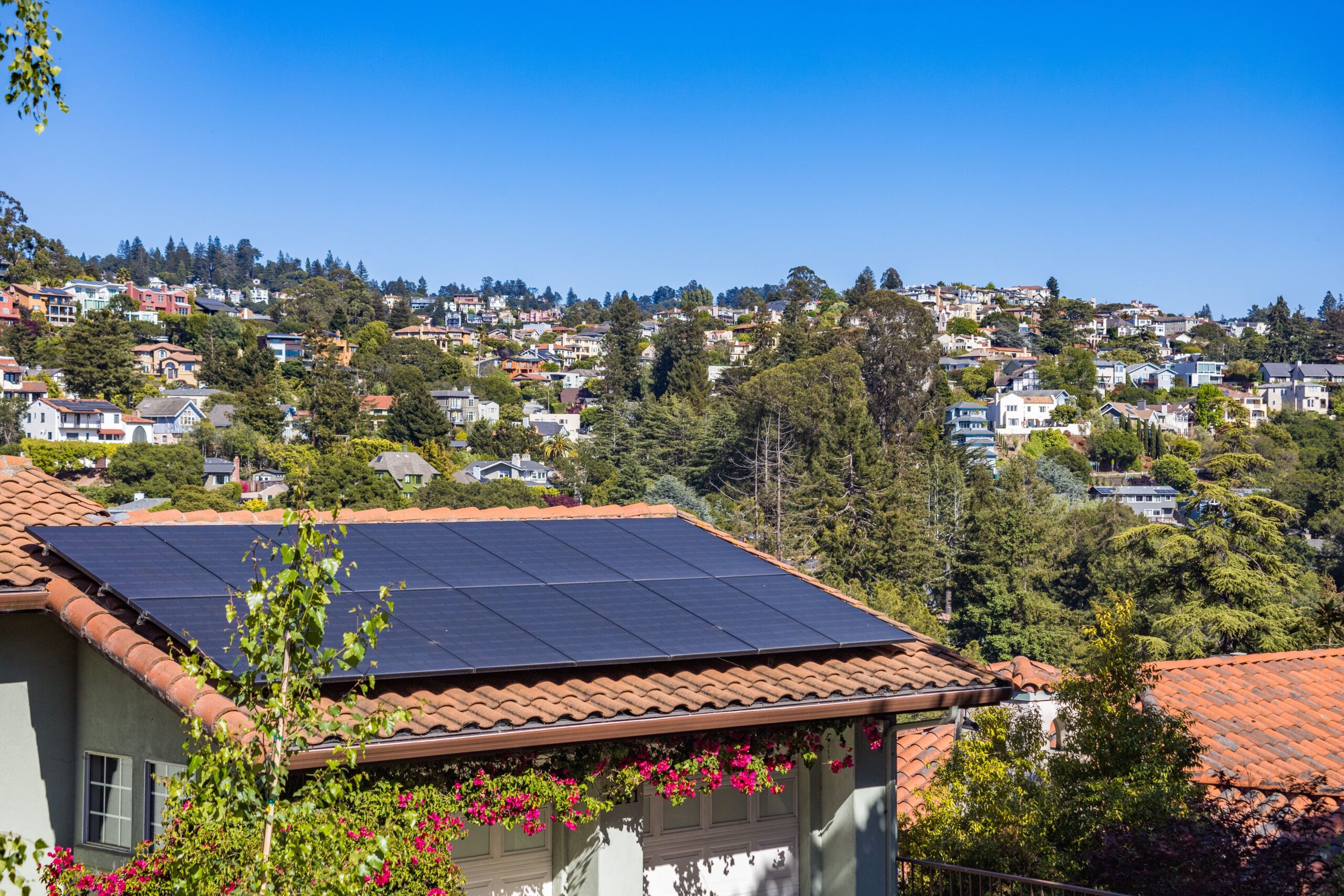
What exactly is self-consumption? Do I need batteries? How many panels does my home need? What happens to the energy I don’t use? Throughout this article, we answer these questions with verifiable data from the IEA, IRENA, the U.S. Department of Energy’s NREL (now the National Laboratory of the Rockies) and Our World in Data.
Natural resources
Natural resources are materials or energy sources provided by or found on Earth that are useful to humans. Every product we manufacture is made up of natural resources.
- Renewable resources: these can be restored by natural processes faster than the rate at which they are consumed. Examples include solar radiation, wind, hydroelectric power, water when used properly, and plant and animal life.
- Non-renewable resources: once extracted, these are depleted and cannot regenerate. Examples include hydrocarbons, metals and minerals.
What is solar self-consumption and how does it work?
Solar PV self-consumption means generating your own electricity with solar panels and using it in the same place where it is produced. Solar radiation is a renewable natural resource that is inexhaustible on a human scale, and the panels convert it directly into electricity through the photovoltaic effect.
Day-to-day operation is simple. During the day, the rooftop panels capture sunlight and produce direct current. The inverter converts it into alternating current, the same kind your household appliances use. That energy first powers whatever you are using at that moment (refrigerator, lights, air conditioning). If you produce more than you are using at that moment, the surplus is stored in batteries, if you have them, or fed into the power grid. And when there is no sun, at night or on cloudy days, you draw electricity from the grid or from your batteries. Most residential systems are connected to the grid, which lets them do without batteries and still guarantee a 24-hour supply.
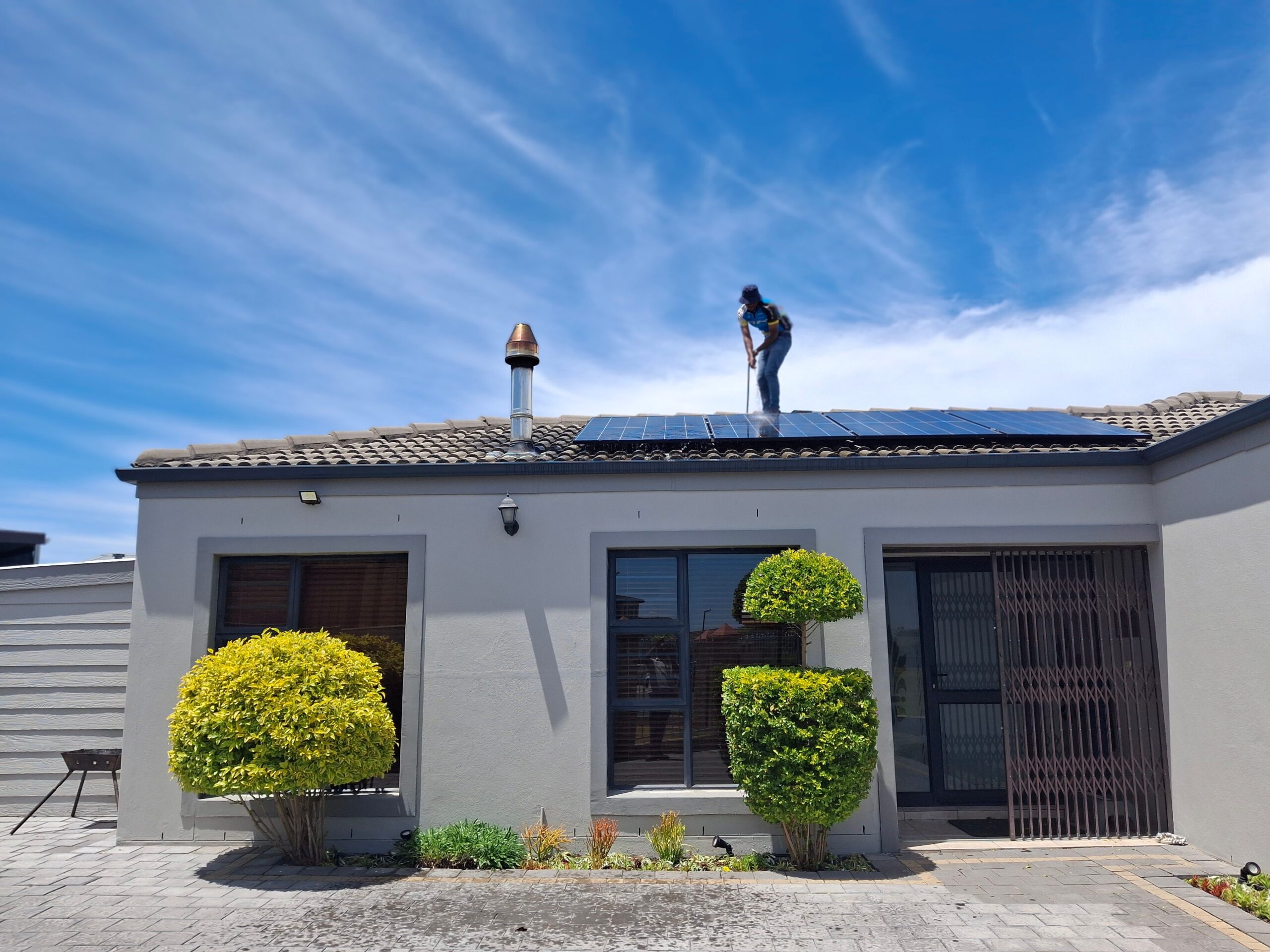
Components of a home solar system
A residential self-consumption system is made up of a few key components. Knowing what they are helps you understand the quote and compare offers from installers.
- Solar panels (photovoltaic modules): these are mounted on the roof and angled to capture as much solar radiation as possible. They are made of silicon cells that convert light into electricity. Interestingly, in the U.S. benchmark for 2024, modules accounted for only about 12% of the total cost of a residential system ($0.40 of $3.25 per watt), because their price has plummeted (NREL, 2025).
- Inverter: this is the brain of the system. It converts the direct current from the panels into alternating current suitable for the home and the grid. There are two common types, string inverters and microinverters; string inverters can be paired with power optimizers, small DC-DC converters fitted to each panel.
- Batteries (optional): these store daytime surplus for use at night, increasing your independence from the grid. They are usually lithium-ion because of their efficiency, but they add considerably to the upfront investment.
- Mounting structure, wiring and protective devices: these secure the panels and ensure electrical safety. Together with labor, permits and other soft costs, these items, known as the balance of system, accounted for most of the cost of a typical U.S. residential system in 2024 (NREL, 2025).
- Bidirectional meter: this measures both the energy you draw from the grid and the energy you export to it, and it is the basis for compensating your surplus.
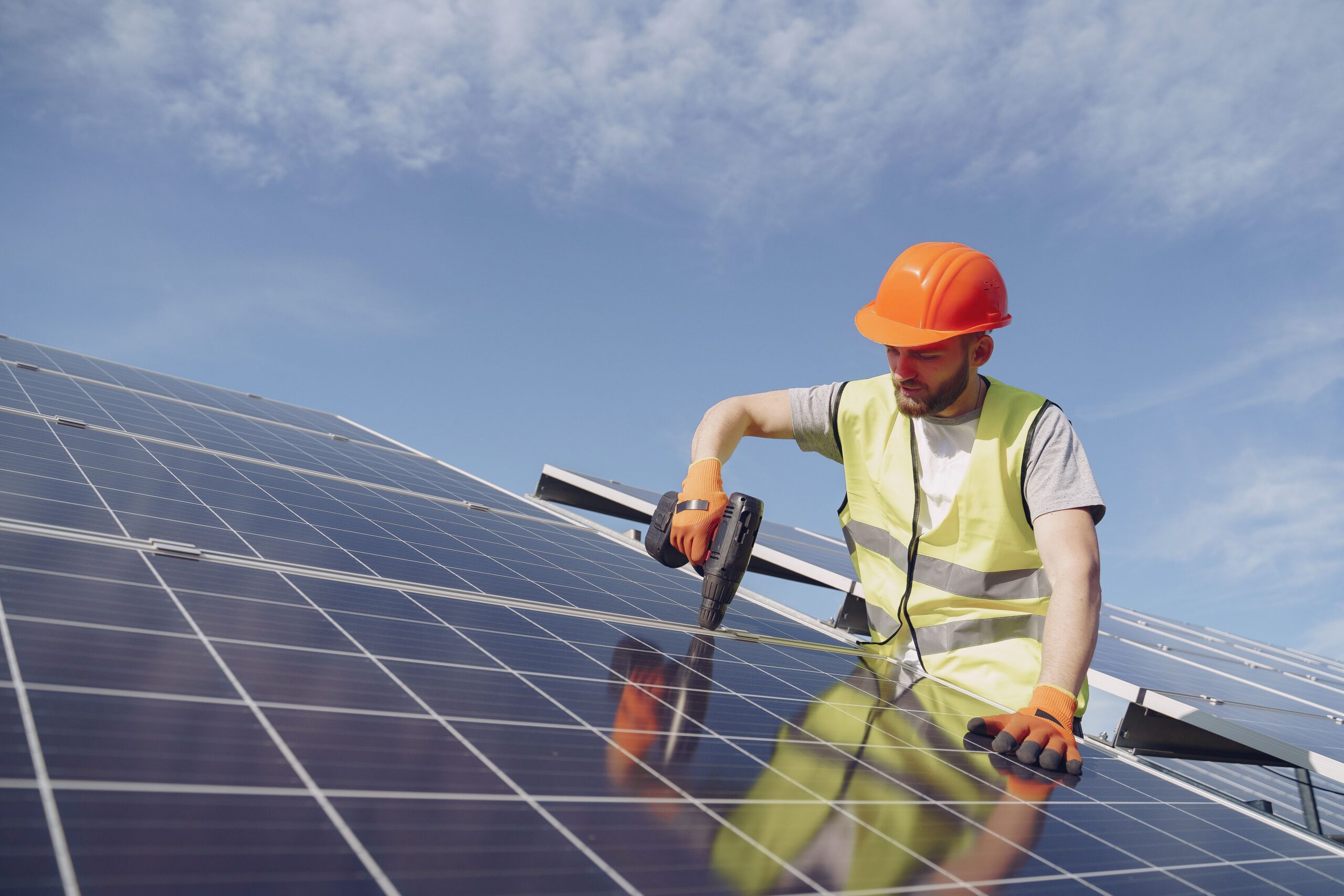
How to size your system
Sizing means working out how much solar capacity you need. The starting point is your annual electricity consumption, which appears on your bills and is measured in kilowatt-hours (kWh). The goal of self-consumption is not always to cover 100% of your usage, but to maximize the energy you produce and use yourself in real time, because that is what saves you the most.
As a reference, the U.S. Department of Energy’s cost benchmarks use a rooftop system of 8 kilowatts direct current (kWdc) as the representative residential system (DOE, 2025). A system of that size takes up several dozen square meters of well-oriented roof. Factors such as latitude, tilt, shading and orientation (ideally facing the equator) determine how much electricity each installed kilowatt will produce. A good installer will run this calculation with local solar irradiance data before giving you a quote.
How much does it cost and how long does it take to pay off?
The cost of solar energy has fallen dramatically. According to NREL, the benchmark price of a residential PV system in the U.S. dropped 65% between 2010 and 2024, from $9.23 to $3.25 per watt of direct current, in 2024 dollars (NREL, 2025). The Department of Energy’s latest benchmark, for the first quarter of 2025, puts the modeled market price of a typical 8 kWdc rooftop system at $2.95/Wdc (DOE, 2025). For utility-scale generation, IRENA calculates that the levelized cost of electricity (LCOE) from solar was just $0.043/kWh in 2024, 41% cheaper than the least-cost fossil fuel alternative and 90% lower than in 2010 (IRENA, 2025).
The payback period, meaning the time it takes for the savings on your bill to recoup the investment, depends on local electricity prices, hours of sunshine and the subsidies or incentives available. The more expensive your electricity rate and the sunnier your location, the faster you will get your money back. As a reference, the average buyer on the U.S. solar marketplace EnergySage breaks even in about 11 years (some in five, others closer to 15), and panels usually carry performance warranties of 25 years or more, so a large part of their service life is net savings (EnergySage, 2026).
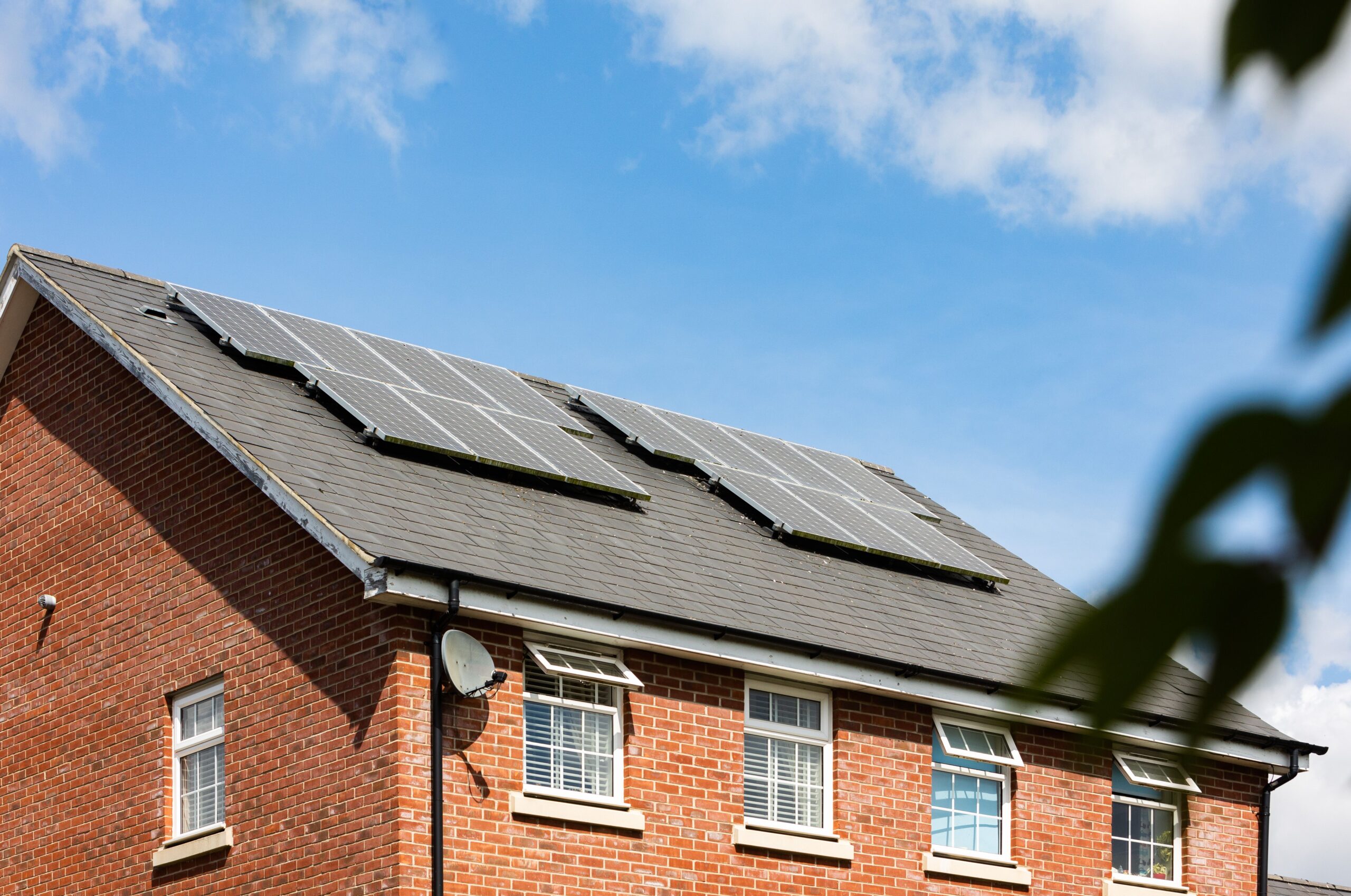
The collapse in solar panel prices
No other energy technology has become cheaper so quickly. According to Our World in Data, the price of solar modules went from almost $100 per watt in 1976 to around $0.27 per watt in 2024, in 2025 dollars. In fact, prices have fallen by roughly 20% every time global solar capacity has doubled (Our World in Data, 2026). The chart below shows this trajectory over the past two decades.
Net metering and net billing: compensation for surplus energy
The electricity you produce but don’t use right away isn’t lost: it is fed into the grid and you are compensated for it. There are two main models, and it’s worth knowing which one applies in your country or region:
- Net metering: the bidirectional meter subtracts the energy you export from the energy you consume. In practice, each kWh you export offsets one kWh you import at the same value, as if the grid were a “virtual battery.” It is the most favorable model for the consumer.
- Net billing (also called surplus compensation): the energy you export is paid for at a price agreed with your electricity retailer, usually lower than the price you pay for the electricity you buy.
Under net billing, the key to saving money is to consume as much of what you produce as possible yourself, because the surplus you export earns less than you save by not buying from the grid. That is why sizing and, in some cases, batteries become important.
Benefits of solar self-consumption at home
- Lower bills: every kWh you produce yourself is electricity you no longer buy at market price.
- Protection against price increases: you reduce your exposure to volatile electricity rates.
- Lower emissions: solar power emits no CO₂ during operation and displaces fossil-fuel generation. In 2024, solar PV accounted for more than three-quarters of all new renewable capacity worldwide (IEA PVPS, 2025).
- Higher home value: a solar system is an asset that can make a property more attractive and increase its value.
- Long service life and low maintenance: panels run for decades with minimal maintenance.
Going solar at home fits into a broader vision of sustainable development projects and a sustainable economy, in which households and communities shrink their footprint and gain autonomy. Solar energy is now one of the most viable alternative energy sources, and one of the most accessible.
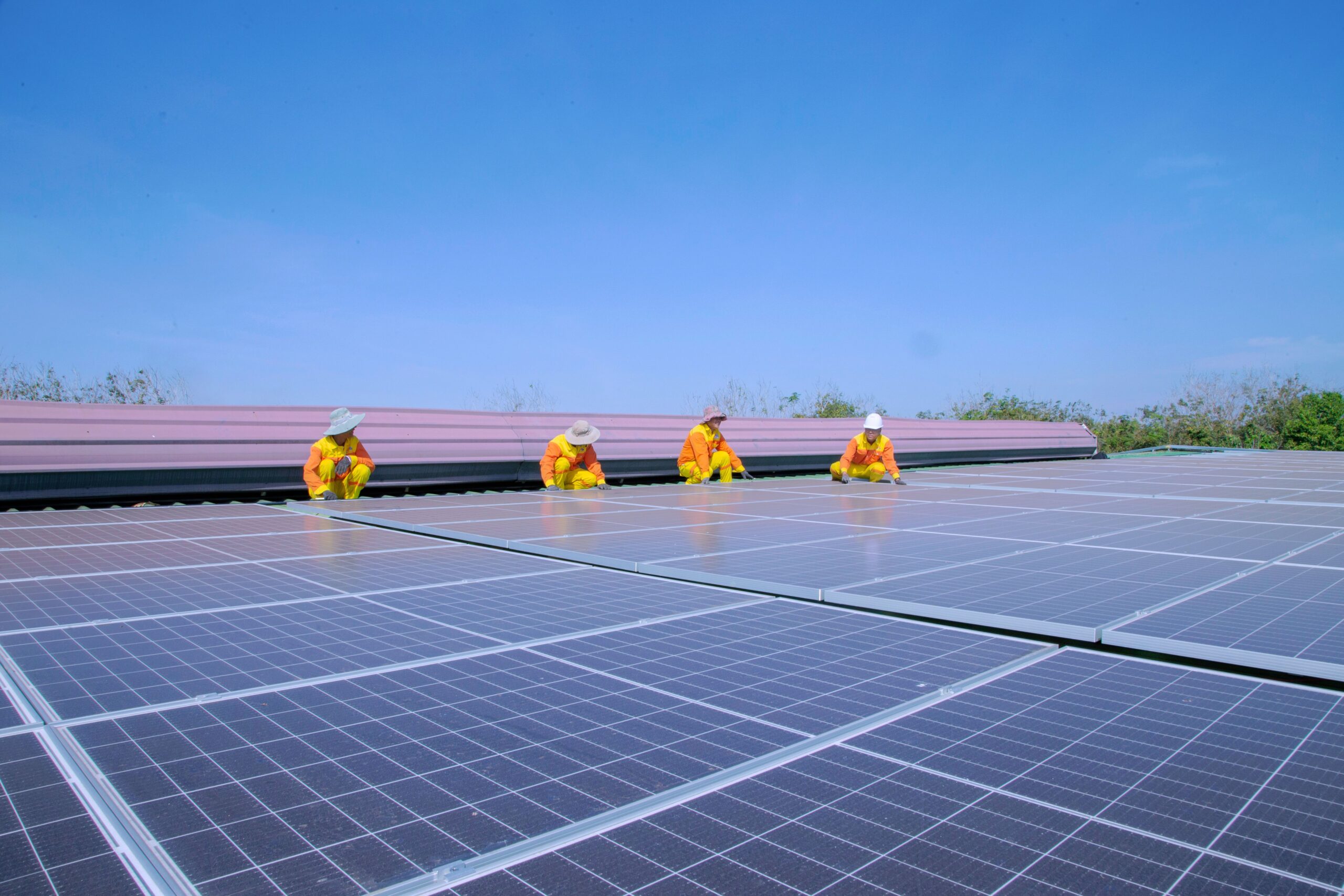
Steps for installing solar energy at home
- Analyze your consumption: gather your bills from the last 12 months to find out your annual usage in kWh and your hourly usage profile.
- Assess your roof: orientation, tilt, available area and shading determine your home’s potential.
- Get several quotes: compare the proposed system size, the quality of the panels and inverter, the warranties and the total price.
- Decide whether you need batteries: this depends on your consumption profile (daytime or nighttime) and on the compensation model in effect.
- Handle permits and paperwork: registrations, legal approval of the system and, where available, subsidies or tax incentives.
- Installation and commissioning: the installation is usually completed in a few days; after that comes the grid connection and registration of your self-consumption system.
Further reading
- Renewable natural resources: what they are, types and examples
- Non-renewable natural resources: characteristics and examples
- Alternative energy is possible
- Sustainable development projects
- Sustainable economy
- The ecological problem and one way to solve it
- Sustainable products: marketing or reality?
- Natural resources of the United Kingdom
- Natural resources of Vietnam
- Natural resources of Hungary
Sources used
- IEA PVPS — Snapshot of Global PV Markets 2025
- IEA PVPS — Snapshot of Global PV Markets 2026
- IRENA — Renewable Power Generation Costs in 2024
- Our World in Data — Solar photovoltaic panel prices
- U.S. DOE / NLR (formerly NREL) — Solar Photovoltaic System Cost Benchmarks
Home solar energy is no longer just a promise; it has become a practical, cost-effective choice. With module prices at record lows in 2024, surplus compensation schemes available in many markets and equipment that lasts for decades, self-consumption lets any household produce some of its own clean electricity. The first step is simple: review your electricity bill, assess your roof and get quotes from reputable installers. The sun is free; putting it to work is, now more than ever, simply a matter of making the decision.
Related articles
Last updated: September 29, 2026

Leave a Reply