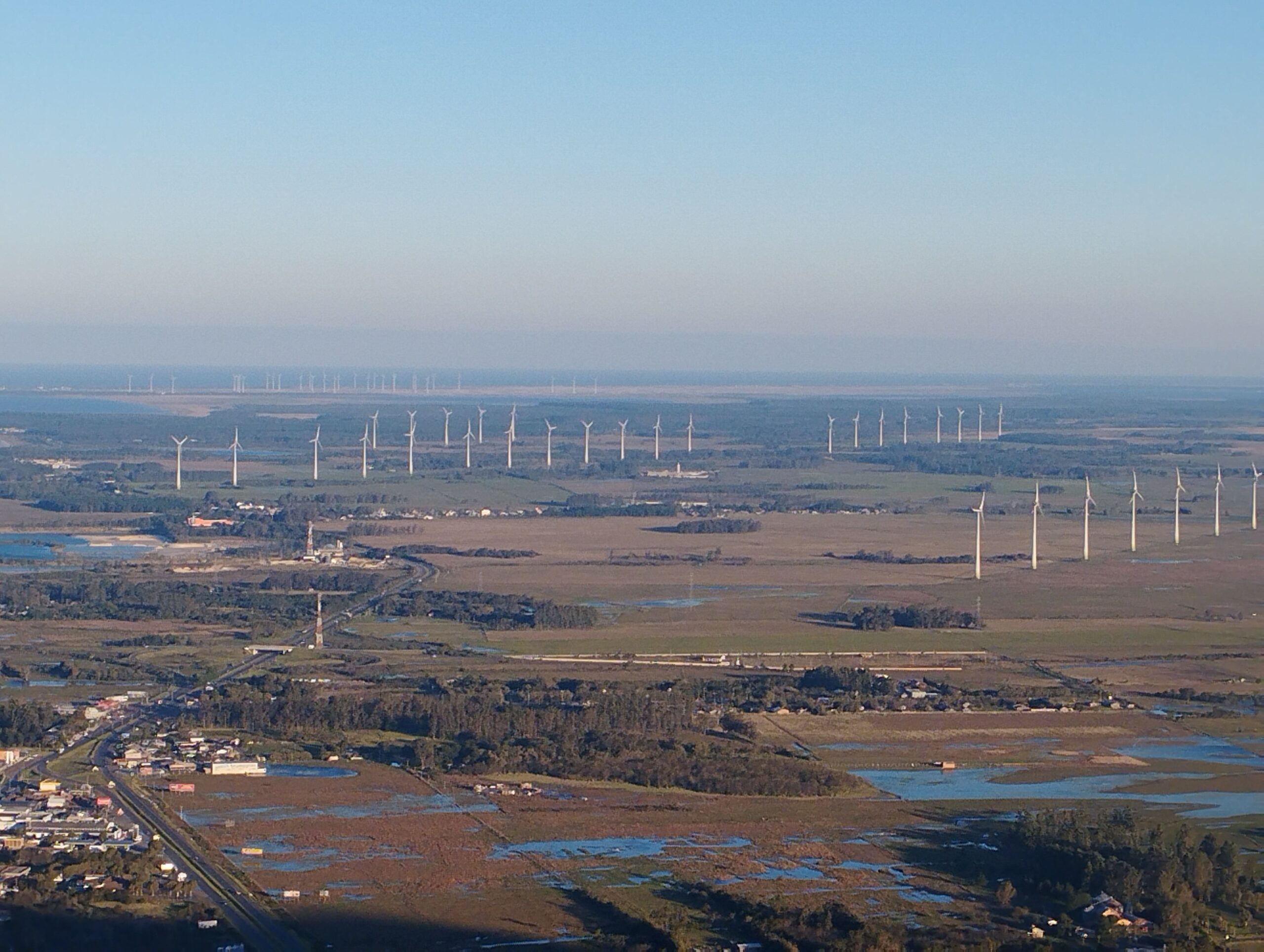
Category: Green Energy

Energy Transition: What It Is and How the World Is Progressing
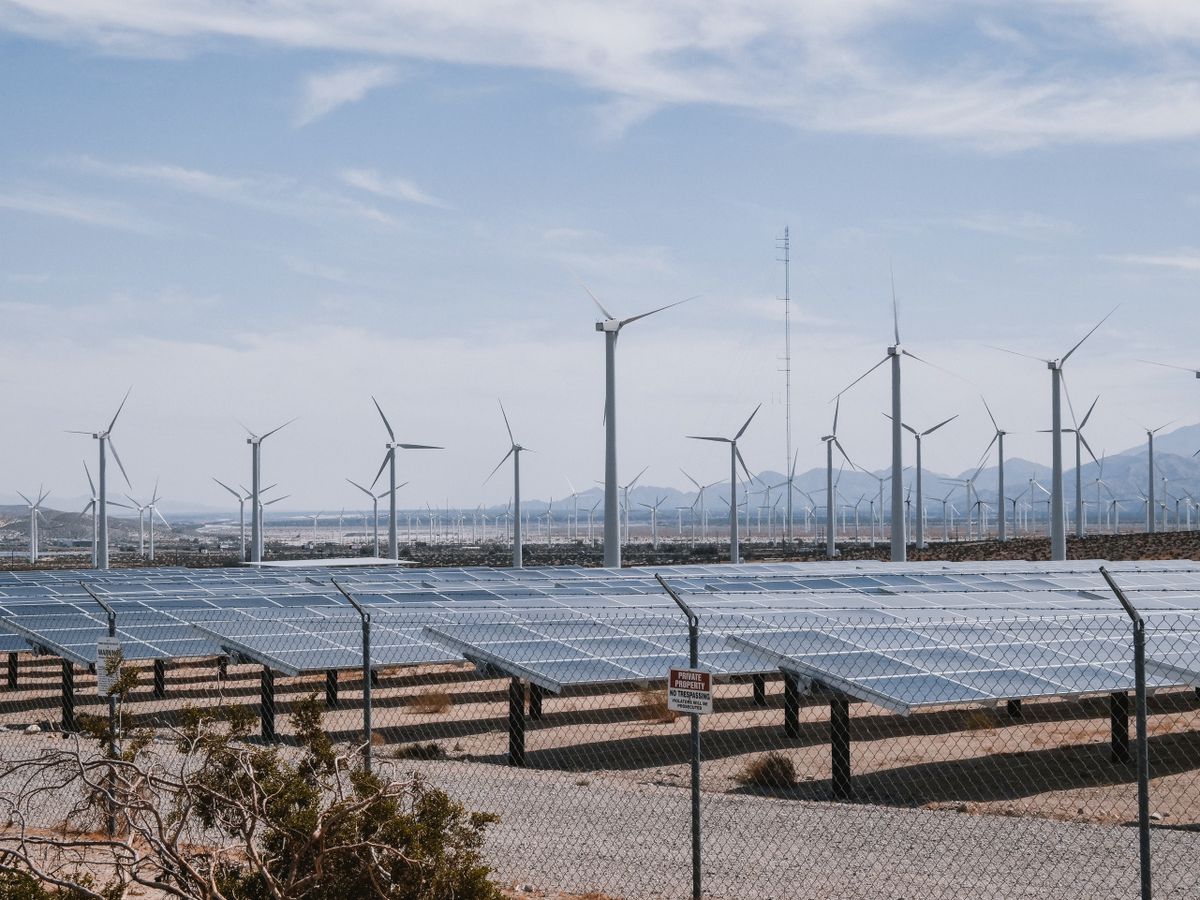
The energy transition is the shift from a system based on fossil fuels (coal, oil and gas) to one dominated by clean sources such as solar, wind and hydropower. In 2025, renewables generated 33.8% of the world’s electricity and overtook coal for the first time in a century, while investment in clean energy was expected…

Home Solar Energy: A Practical Guide to Self-Consumption
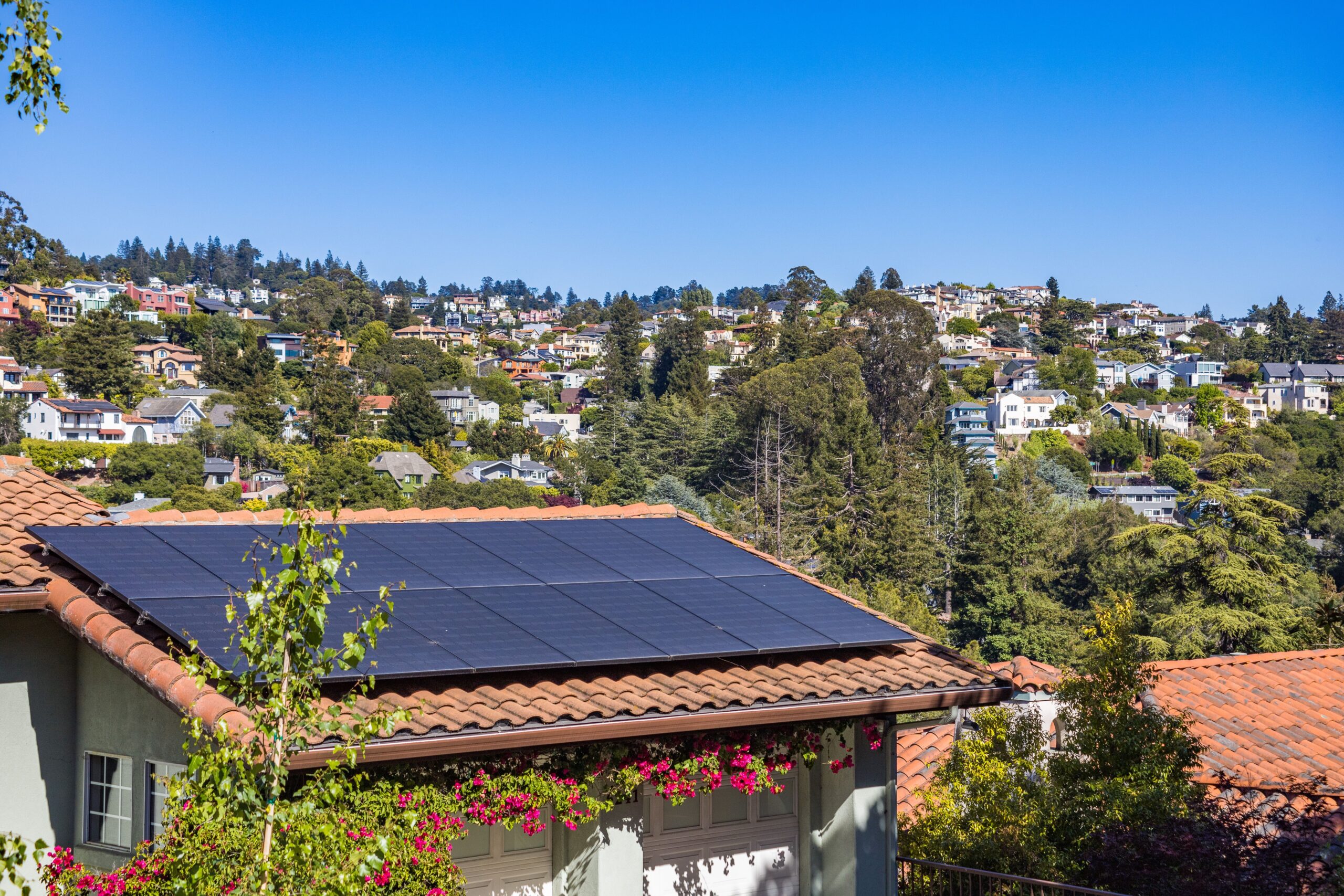
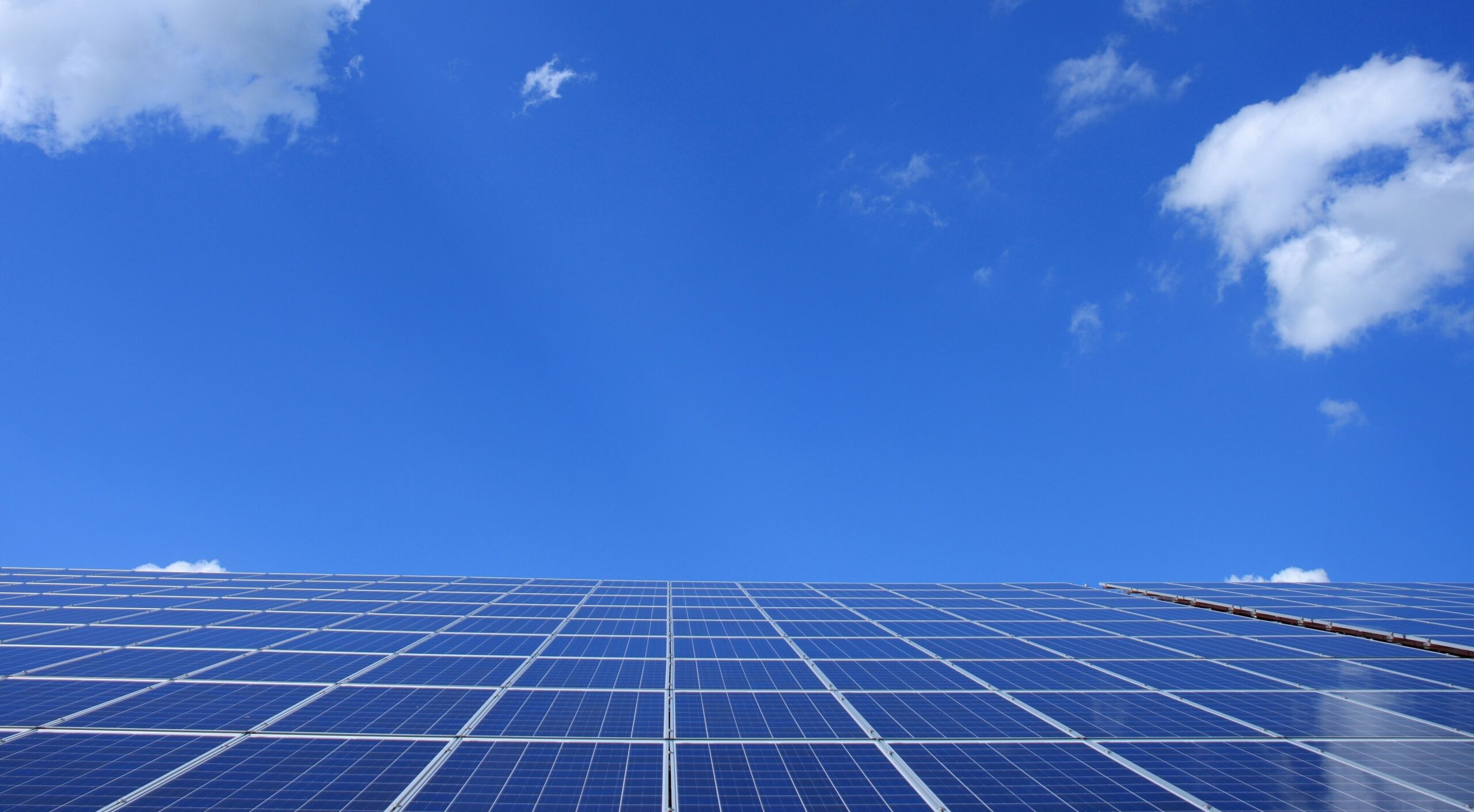
Home solar energy means installing photovoltaic panels on your roof to produce your own electricity and use it right where it is generated (self-consumption). The price of solar modules fell from $6.50 per watt in 2000 to just $0.27 per watt in 2024 (in 2025 dollars), which has made the technology cost-effective for households (Our…
Why Access to Electricity Matters for Education, Health and Growth
Access to electricity remains out of reach for millions of people: according to the International Energy Agency (IEA), about 750 million people lacked electricity in 2023. Its absence holds back education, health, safety and economic growth, and it hits sub-Saharan Africa hardest: about 600 million people there had no access in 2023, 80% of the…

Types of Renewable Energy: What They Are and Examples
The six main types of renewable energy are solar, wind, hydropower, geothermal, biomass and marine (tidal and wave). All of them generate electricity from natural sources that are continuously replenished. At the end of 2025 the world had 5,149 GW of installed renewable capacity, and solar was already the largest source, with 2,392 GW (IRENA…

Biomass Energy: What It Is, How It Works and Advantages
Biomass energy is energy obtained from organic matter (wood, agricultural and forestry residues, biogas and biofuels) by burning, gasifying or fermenting it. Modern bioenergy is the world’s largest source of renewable energy: it accounted for more than 50% of global renewable energy use and 6.5% of total energy supply in 2023 (IEA 2024). Is it…

Tidal and Wave Energy: What It Is and How It Works
Tidal energy harnesses the rise and fall of the tides, while wave energy captures the motion of ocean waves. Both are renewable and predictable, but still marginal: at the end of 2024, the world had about 500 MW of installed ocean energy capacity, almost all of it from just two large barrage plants (IRENA 2024).…

Geothermal Energy: What It Is, How It Works and Advantages
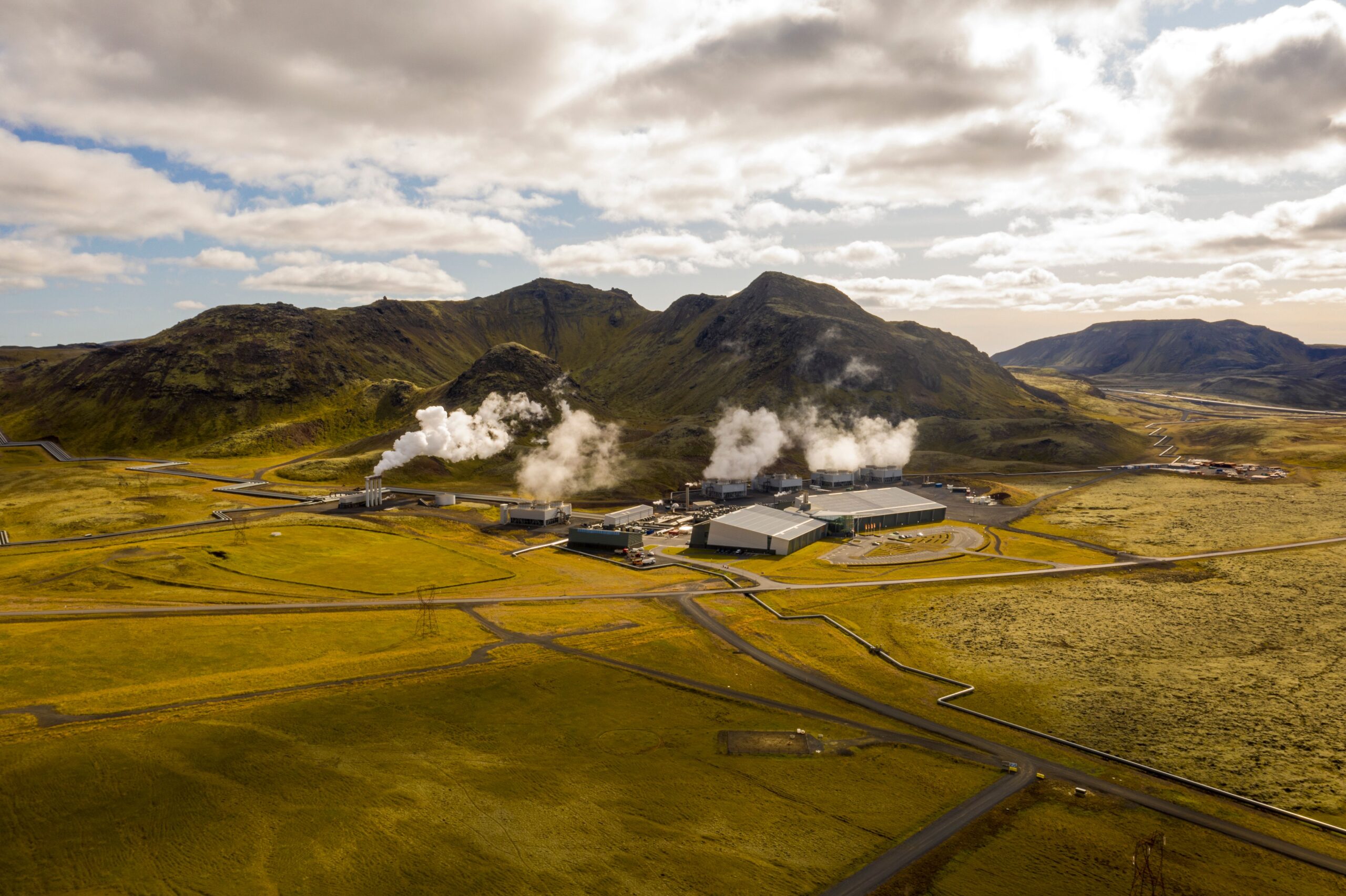
Geothermal energy harnesses the natural heat of the Earth’s interior to generate electricity and provide direct heating. At the end of 2024, the world had about 16,873 MW of installed geothermal capacity spread across 35 countries, led by the United States, Indonesia and the Philippines (ThinkGeoEnergy 2024). What exactly is geothermal energy, and why is…
Advantages and Disadvantages of Renewable Energy
Renewable energy offers decisive advantages: in 2024, 91% of new renewable capacity was cheaper than any fossil fuel alternative (IRENA 2025), and renewables supplied a record 32% of the world’s electricity (Ember 2025). Their disadvantages—intermittency, storage and a demand for critical minerals that could grow sixfold by 2040 (IEA 2022)—are real but manageable. What are…

Solar Energy: How It Works, Photovoltaic vs Thermal, and Uses
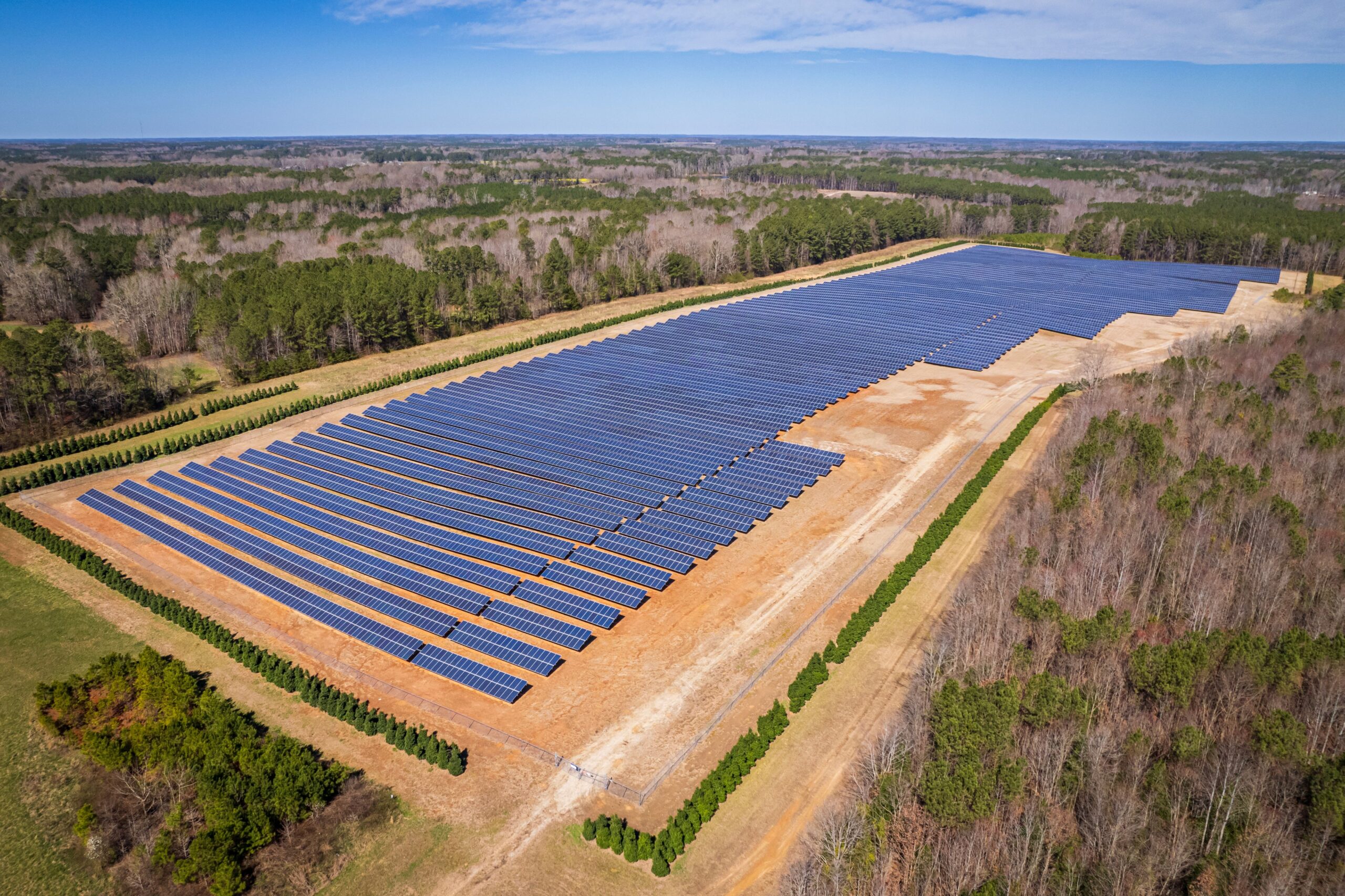
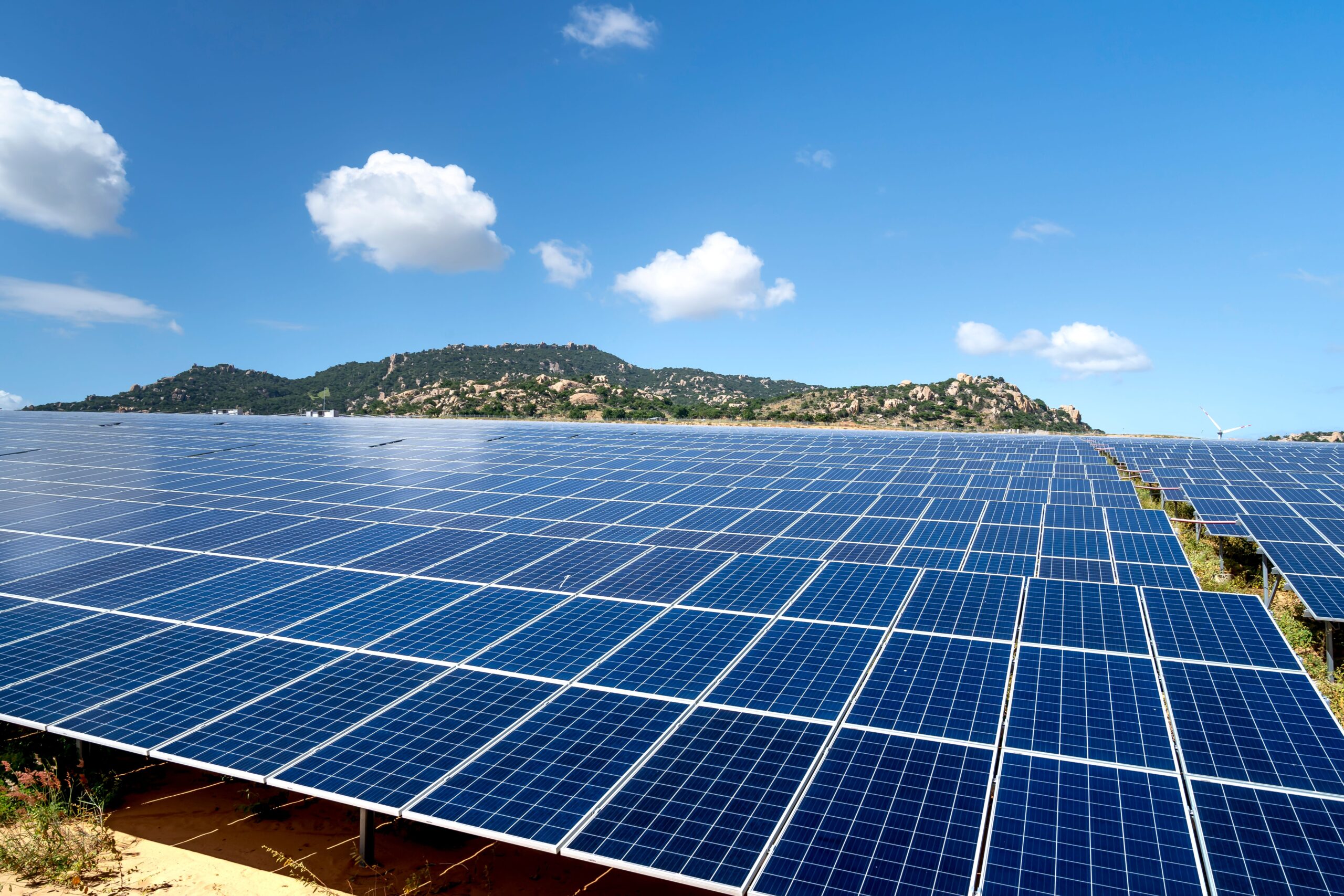
Solar energy is power harnessed from the Sun’s radiation, captured primarily through photovoltaic panels that convert light into electricity and solar thermal collectors that produce heat. In 2024, the world installed a record 451.9 GW of new solar PV capacity, pushing cumulative capacity past 1,865 GW, according to IRENA. Why has solar energy become the…

Wind Energy: How Wind Turbines Work, Advantages and Future
Wind energy is electricity generated by harnessing the kinetic power of moving air using wind turbines. By the end of 2024, cumulative global wind capacity reached 1,136 GW, supplying 8.1% of worldwide electricity, according to GWEC and Ember. It is an inexhaustible, clean renewable resource led by China with over 520 GW. How does a…