

Biomass energy is energy obtained from organic matter (wood, agricultural and forestry residues, biogas and biofuels) by burning, gasifying or fermenting it. Modern bioenergy is the world’s largest source of renewable energy: it accounted for more than 50% of global renewable energy use and 6.5% of total energy supply in 2023 (IEA 2024). Is it really carbon neutral? The debate remains open.
When we think of renewable energy, we tend to picture solar panels or wind turbines, but the renewable source that supplies the most energy to the planet is much older: biomass. According to the International Energy Agency, modern bioenergy accounted for more than 50% of all renewable energy use in 2023 and covered around 6.5% of global energy supply (IEA 2024). It is by far the silent giant of renewables.
Contents
That dominant position comes down to its versatility: biomass generates electricity, heat for homes and industry, and liquid fuels for transportation, sectors where other renewables still have little presence. In this guide you will see exactly what biomass energy is, where it comes from, how it is turned into useful energy, which countries lead its production, and why its “renewable” and “carbon-neutral” status sparks intense scientific debate.
What are the sources of biomass? How is wood or manure turned into electricity? What are its advantages and disadvantages compared with fossil fuels? Is it true that it emits as much CO₂ as coal? We answer all of these questions with verified data from the IEA, IRENA, the FAO and Our World in Data.
What is biomass?
Biomass is all organic matter, of plant or animal origin, that can be used as a source of energy. It is a renewable resource as long as it is replenished at a rate equal to or greater than the rate at which it is consumed.
- Modern bioenergy: electricity and heat generation in efficient plants, biogas, and liquid biofuels for transportation.
- Traditional bioenergy: the direct burning of firewood, charcoal and waste for cooking and heating, which is common in low-income countries and has low efficiency.
What is biomass energy?
Biomass energy, or bioenergy, is the energy stored in organic matter that plants captured from the sun through photosynthesis. By processing that matter (burning, gasifying or fermenting it), we release that energy as heat, electricity or fuel. Unlike oil or coal, which also come from organic matter but matter that was fossilized over millions of years, biomass regenerates in cycles of months or decades, which is why it is classed as a renewable natural resource.
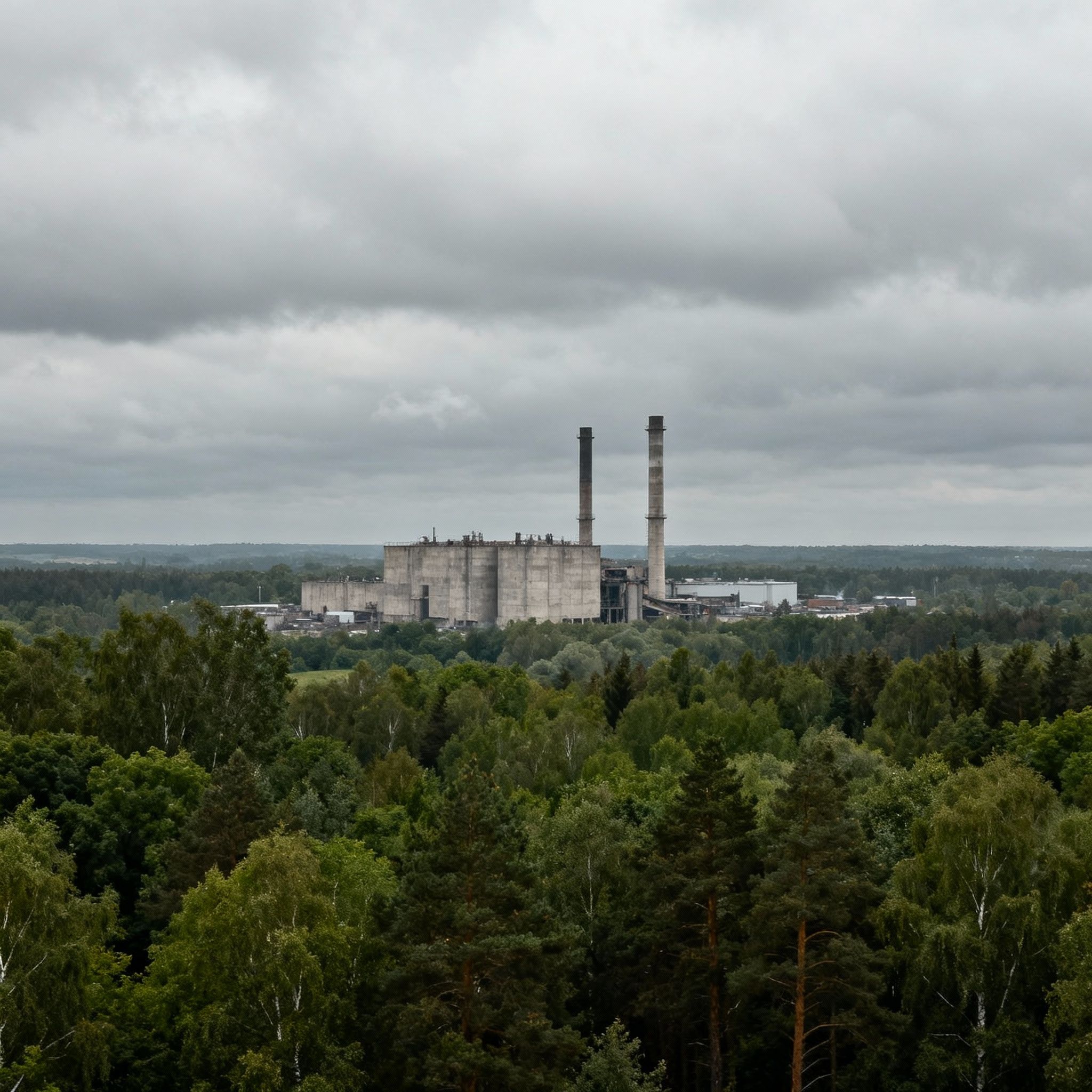
Our World in Data distinguishes two main uses. Traditional bioenergy (burning firewood or dung directly for cooking) remains huge in volume but is very inefficient and polluting. Modern bioenergy covers electricity generation in power plants, industrial heat and transportation biofuels (Our World in Data). When we talk about the future of biomass as clean energy, we almost always mean the modern kind. Bioenergy is part of the range of alternative energy sources to fossil fuels.
Sources of biomass: where it comes from
Biomass is not a single material but a very diverse family of organic resources. These are its main sources:
Forest and woody biomass
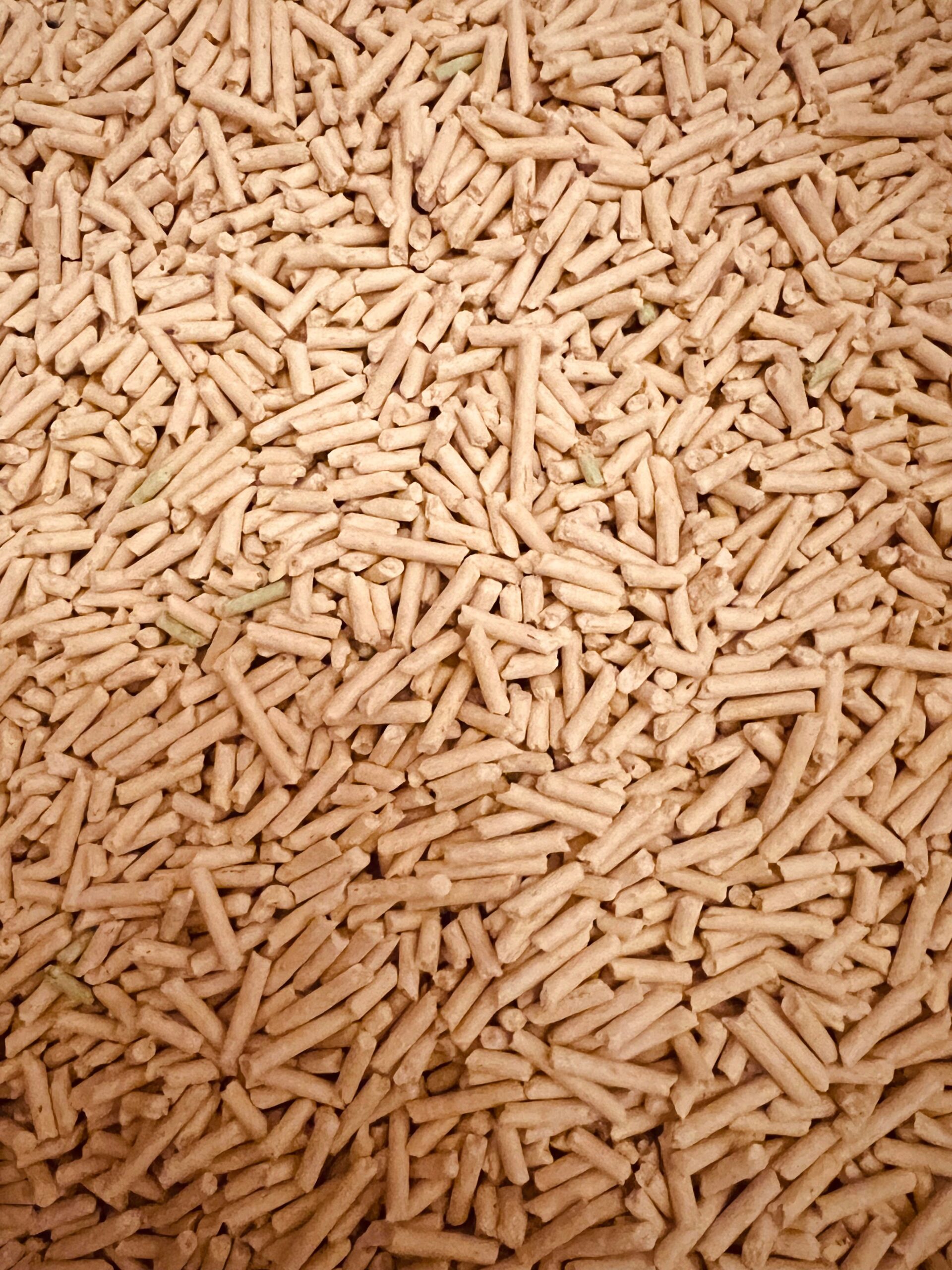
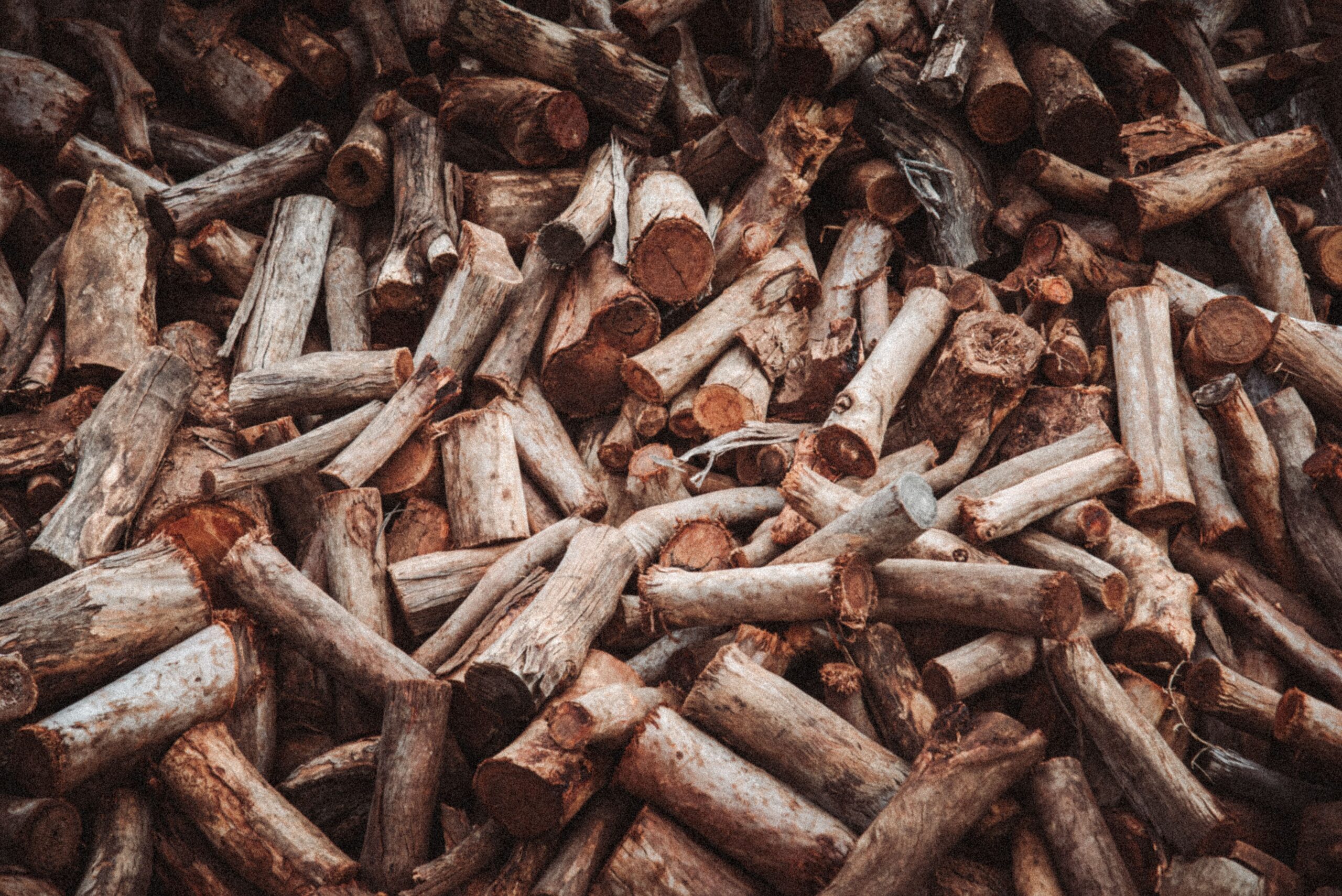
Firewood, wood chips, bark, pruning waste and, above all, wood pellets: wood compressed into small cylinders with high energy density. This is the most widely used source for heat and electricity. Heavily forested countries such as Finland, Sweden and Canada base much of their bioenergy on their forest resources.
Agricultural residues and energy crops
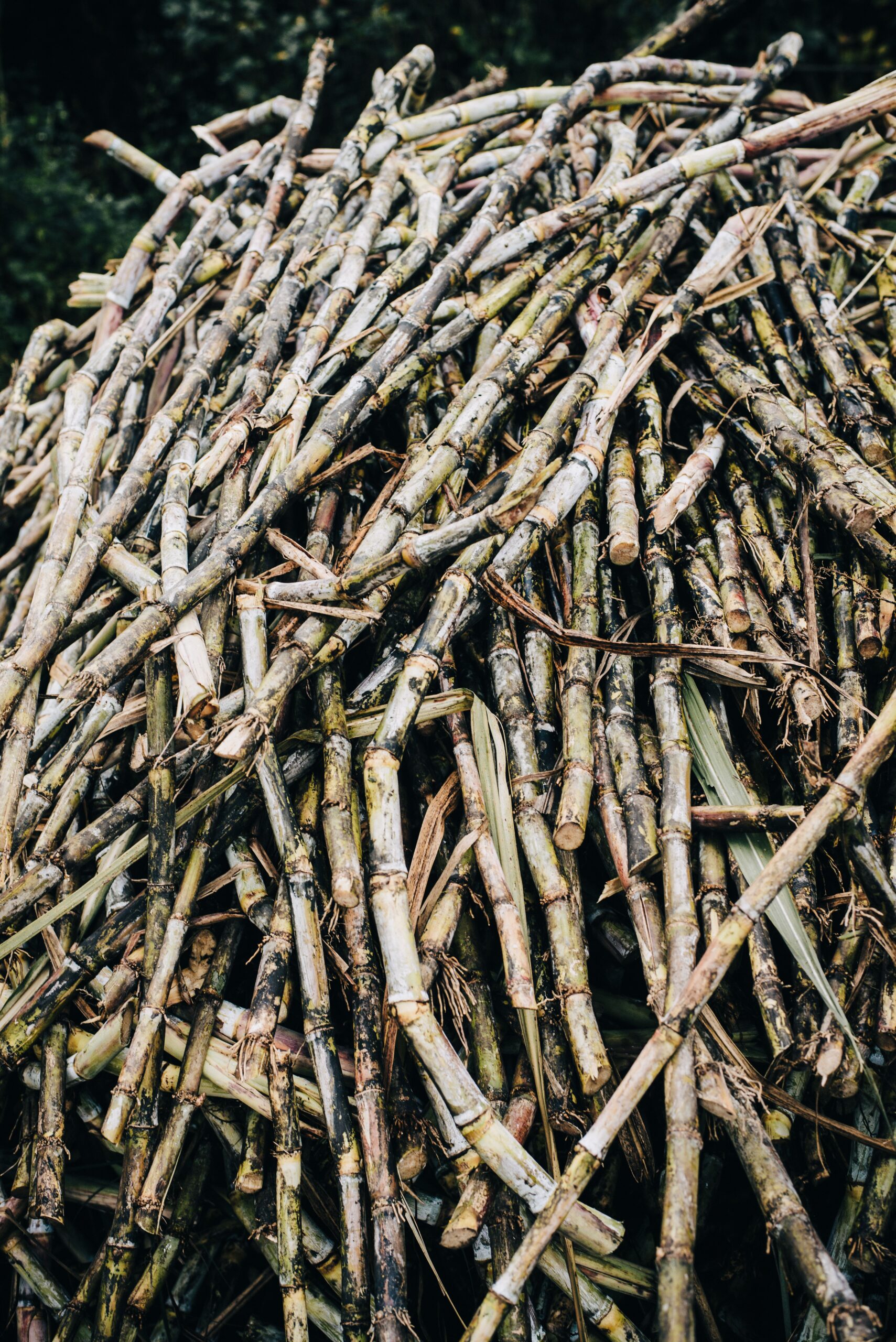
Cereal straw, husks, sugarcane bagasse, corn residues and crops planted specifically for energy. Corn supplies just over a third of the world’s liquid biofuels, and sugarcane 21% (Our World in Data). These residues turn waste into energy.
Biogas from organic waste
Manure, sewage sludge, food waste and organic garbage in landfills decompose without oxygen and produce methane-rich biogas. It is a form of biomass that also prevents methane emissions that would be released anyway.
Liquid biofuels
Bioethanol (from corn or sugarcane) and biodiesel (from vegetable oils) replace or are blended with gasoline and diesel. Biofuels cover around 4% of global transportation energy demand, almost all of it on the road (Our World in Data).
How is energy generated from biomass?
There are four main routes for turning organic matter into useful energy:
- Direct combustion: biomass (pellets, chips, bagasse) is burned to produce steam that drives a turbine and generates electricity, or to provide heat for space heating. It is the most widespread method.
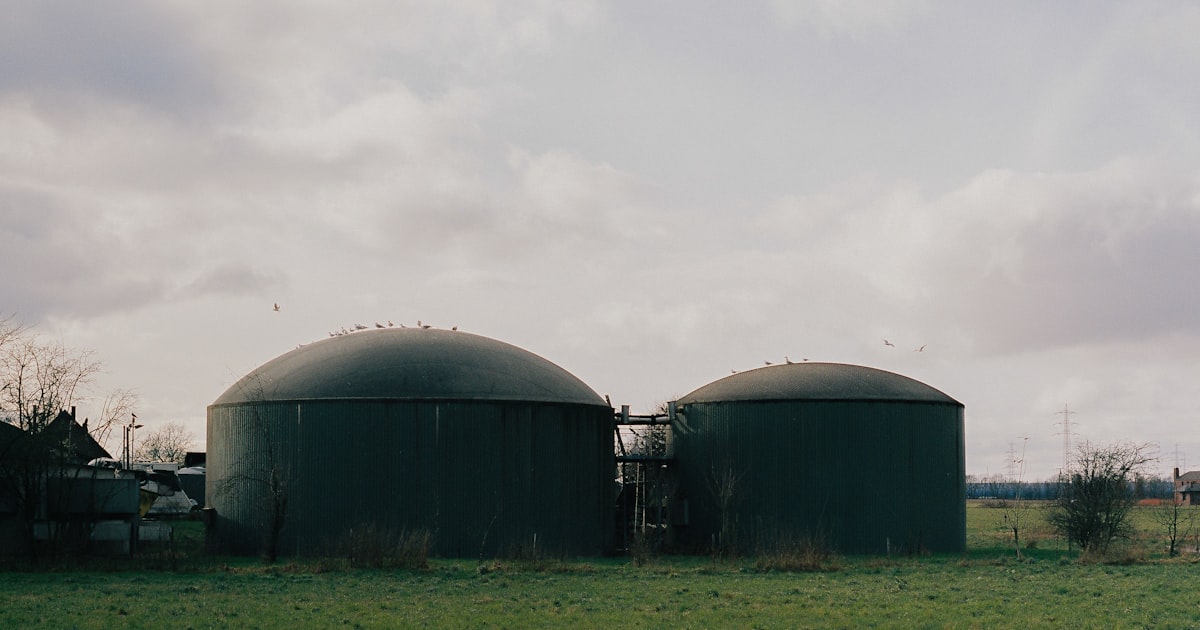
- Anaerobic digestion: bacteria break down organic waste in the absence of oxygen inside a digester and release biogas, which is burned to generate heat or electricity.
- Gasification and pyrolysis: biomass is heated with little or no oxygen to obtain a synthesis gas (syngas) or biochar with a higher energy value.
- Biochemical processes: fermentation of sugars to produce bioethanol, or transesterification of oils to make biodiesel.
Biomass among renewable energy sources
Although it makes fewer headlines than solar or wind, bioenergy is the renewable that supplies the most final energy, thanks to its role in heat and transportation. The IEA calls it the “forgotten giant” of renewables: modern bioenergy accounted for more than 50% of global renewable energy use in 2023 (IEA 2024). In electricity its share is more modest: it supplies just over 2% of global electricity generation, twice as much as in 2000 (Our World in Data).
In terms of installed capacity, bioenergy power generation grew by 4.4 GW in 2023, compared with 346 GW for solar and 116 GW for wind that same year (IRENA 2024). The IEA expects bioenergy (liquid, gaseous and solid) to provide up to 95% of the growth in renewable fuels through 2030 (IEA 2024).
Leading countries in bioenergy and biofuels
Biofuel production is highly concentrated: the United States, Brazil, the European Union, Indonesia and China together produce more than 80% of the world total (Our World in Data). The United States is the world’s largest ethanol producer, with more than 16,000 million gallons in 2024, and together with Brazil it accounts for 80% of the world’s ethanol (AFDC 2024). Germany is Europe’s leader in biogas, while the Nordic countries stand out in forest biomass.
Advantages of biomass energy
- Renewable and available: as long as they are managed sustainably, crops and forests replenish themselves, unlike non-renewable resources such as oil.
- Makes use of waste: it turns agricultural, forestry and urban waste into energy, reducing the amount that piles up in landfills.
- Firm, dispatchable energy: unlike solar or wind, biomass can be stored and burned when needed, which gives the grid stability.
- Versatile: it produces electricity, heat and liquid fuels, covering sectors that are hard to electrify, such as heavy transportation.
- Rural development: it creates jobs and economic activity in farming and forestry areas, supporting a sustainable economy.
Disadvantages and the carbon neutrality debate
Biomass is often presented as “carbon neutral”: the CO₂ released when it is burned is the same CO₂ the plants absorbed as they grew. However, this idea is the subject of intense scientific controversy. The European Forest Institute warns that there is no scientific consensus or generally accepted definition of carbon neutrality for forest biomass (European Forest Institute).
The problem is time: when a tree is burned, CO₂ is emitted immediately, but a forest takes decades to capture it again. That lag, known as “carbon debt,” can last many years and increase warming in the short term, according to recent scientific reviews (iForest 2023). That is why the carbon neutrality of biomass is best treated as an open question rather than an established fact.
- Land use: biofuel crops occupy about 32 million hectares worldwide, an area comparable to Germany (Our World in Data), which can compete with food production.
- Risk of deforestation and biodiversity loss if demand for wood is not managed sustainably.
- Air pollution from burning, especially in traditional, inefficient bioenergy.
- Limited efficiency per unit of land compared with solar or wind.
Related resources
If you want to learn more about biomass and renewable energy, these articles will be useful:
- Renewable Natural Resources: What They Are, Types and Examples
- Non-Renewable Natural Resources: Characteristics and Examples
- Alternative Energy Is Possible
- Sustainable Economy
- Sustainable Development Projects
- United States Natural Resources
- Brazil Natural Resources
- China Natural Resources
- Germany Natural Resources
- Finland Natural Resources
- Sweden Natural Resources
- Canada Natural Resources
Sources used
- IEA — Bioenergy (2024)
- Our World in Data — Bioenergy and Biofuels
- IRENA — Renewable Capacity Statistics 2024
- U.S. DOE AFDC — Global Ethanol Production (2024)
- European Forest Institute — Forest biomass and carbon neutrality
- iForest (2023) — Carbon neutrality of forest biomass for bioenergy
Biomass energy is currently the renewable that supplies the most energy worldwide and a key piece in decarbonizing heat and transportation. Its future will depend on managing it in a truly sustainable way (prioritizing waste, avoiding deforestation and respecting regeneration cycles) so that its renewable status translates into a real climate benefit, not just an apparent one.
Related articles
Last updated: September 26, 2026

Leave a Reply