
Recursos naturales y desarrollo sostenible
Guías claras y con fuentes verificadas sobre los recursos naturales de más de 190 países, las energías renovables y la sostenibilidad.
Encuentra tu país
Explora los recursos naturales, la geografía y la economía de cada país. Empieza por una región o busca directamente.
Guías por continente
Panoramas regionales que reúnen los países de cada continente.
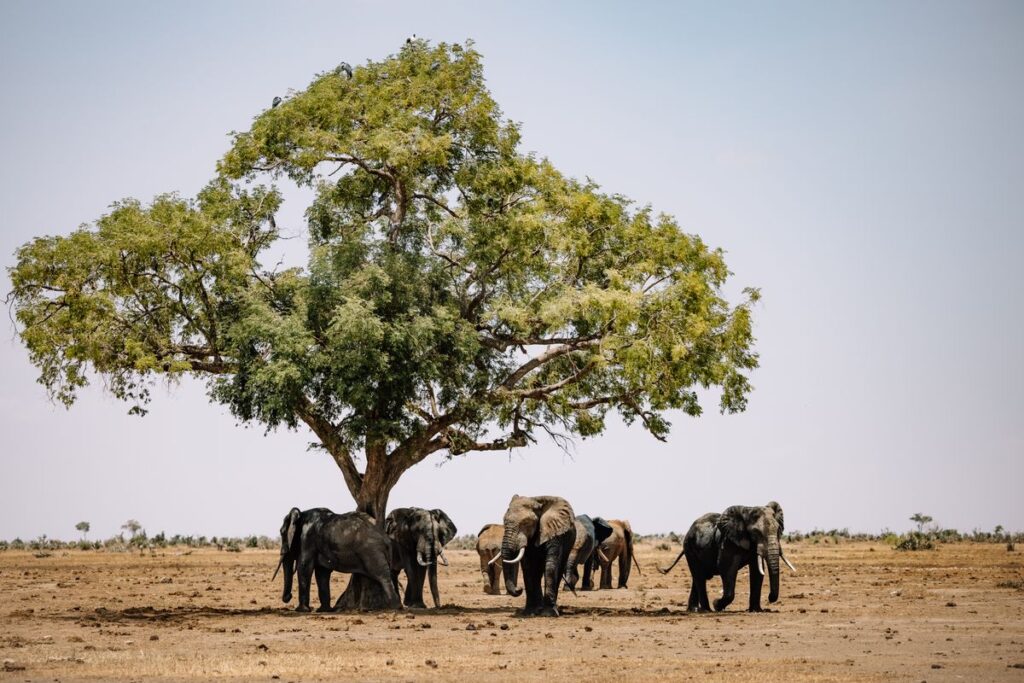
Recursos naturales de África
54 países africanos: minerales estratégicos, petróleo, agua y una biodiversidad única.
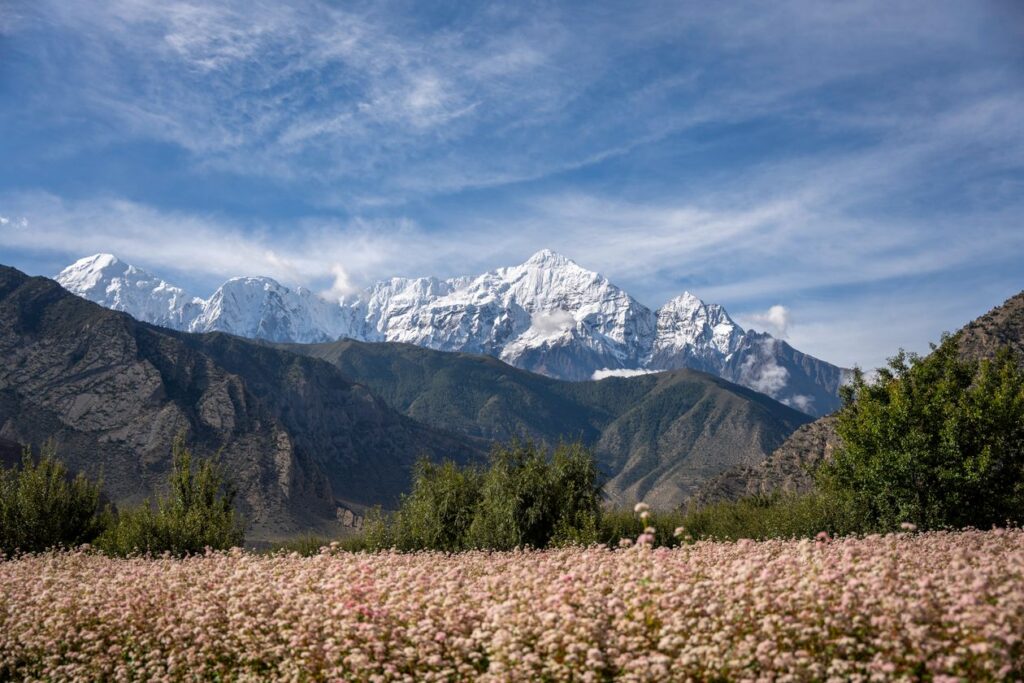
Recursos naturales de Asia
48 países: energía, minería, grandes ríos y bosques del continente más extenso.
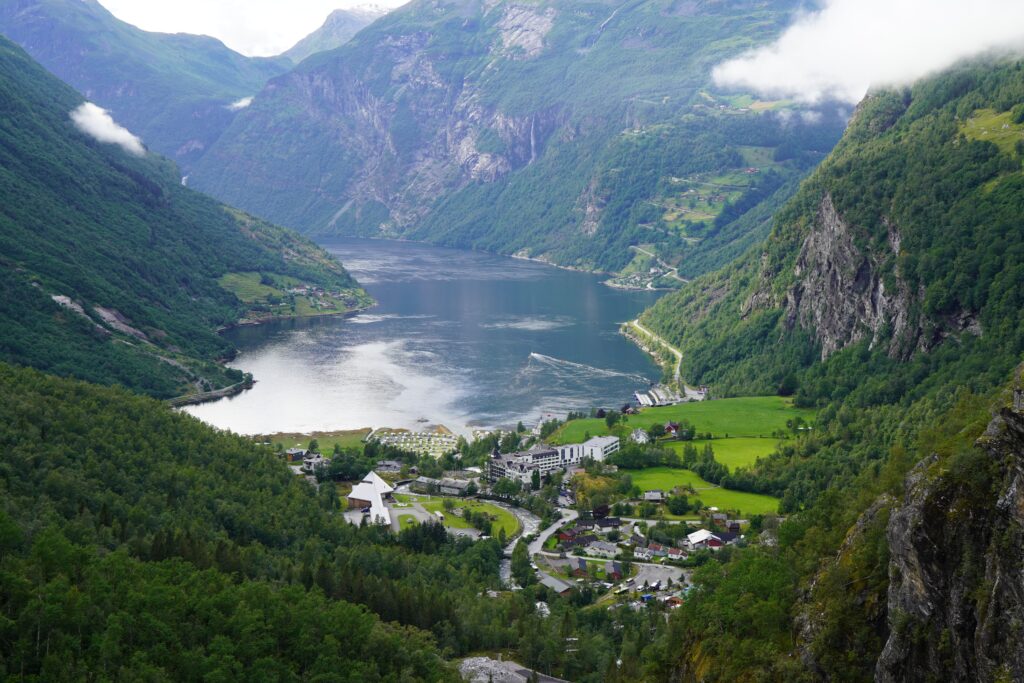
Recursos naturales de Europa
Recursos hídricos, forestales, agrícolas y energéticos de los países europeos.
Temas principales
Los conceptos clave de la sostenibilidad, explicados con ejemplos.
♻️ Recursos renovables
Sol, viento, agua y biomasa: qué son, tipos y ejemplos.
⛏️ Recursos no renovables
Petróleo, gas, carbón y minerales: características y usos.
⚡ Energía verde
Transición energética y energías alternativas para el futuro.
🌱 Desarrollo sostenible
Qué es, principios y proyectos sustentables reales.
Guías destacadas por país
Algunas de las guías de país más completas del sitio.

Últimos artículos

The Three Pillars of Sustainable Development: Definition and Examples
The three pillars of sustainable development are environmental (protecting ecosystems and natural resources), social (equity, health, education and inclusion) and economic (sustained, inclusive growth). The UN calls them “the three dimensions of sustainable development: the economic, social and environmental” and integrates them into the 17 Sustainable Development Goals adopted by 193 countries in 2015 (UN,…

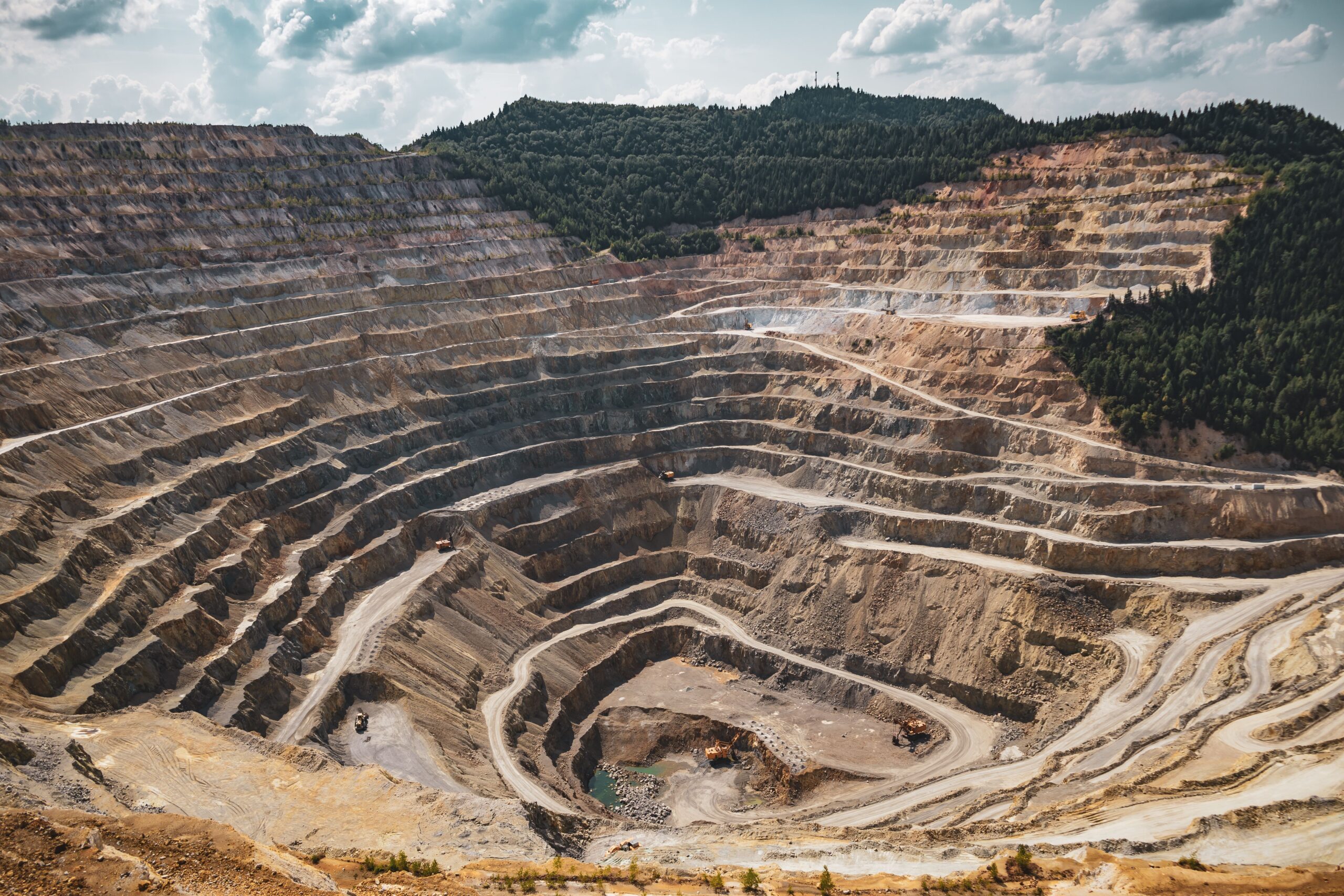
Environmental Impact of Mining: Types, Effects and Solutions
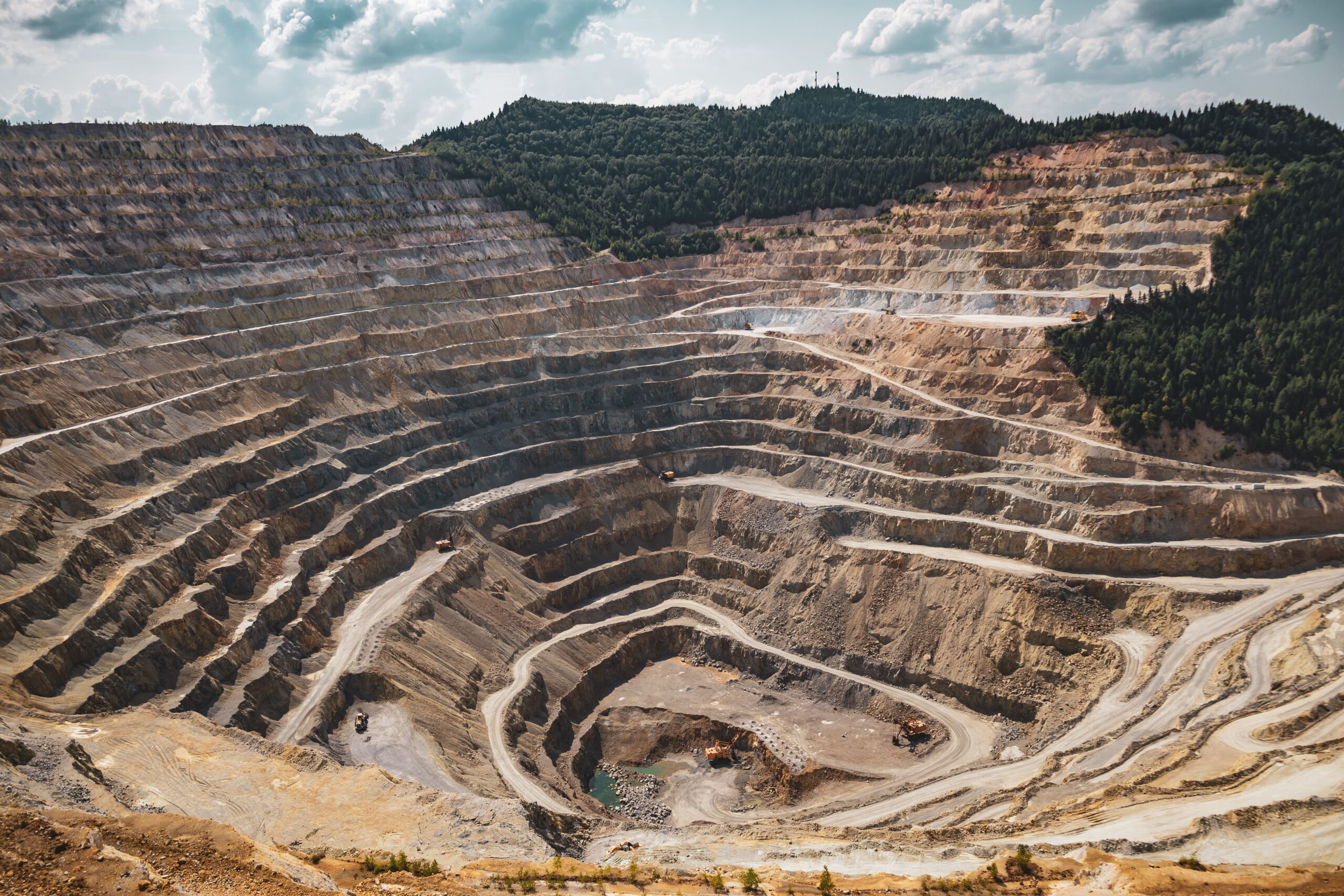
Mining is the extraction of minerals and metals from the Earth’s crust, and it takes three main forms: open-pit, underground and alluvial. Its environmental impact is enormous: between 2001 and 2023, mining caused the loss of 19,765 km² of forest and released 0.75 gigatonnes of CO₂, more than double previous estimates (Nature Communications 2025). What…
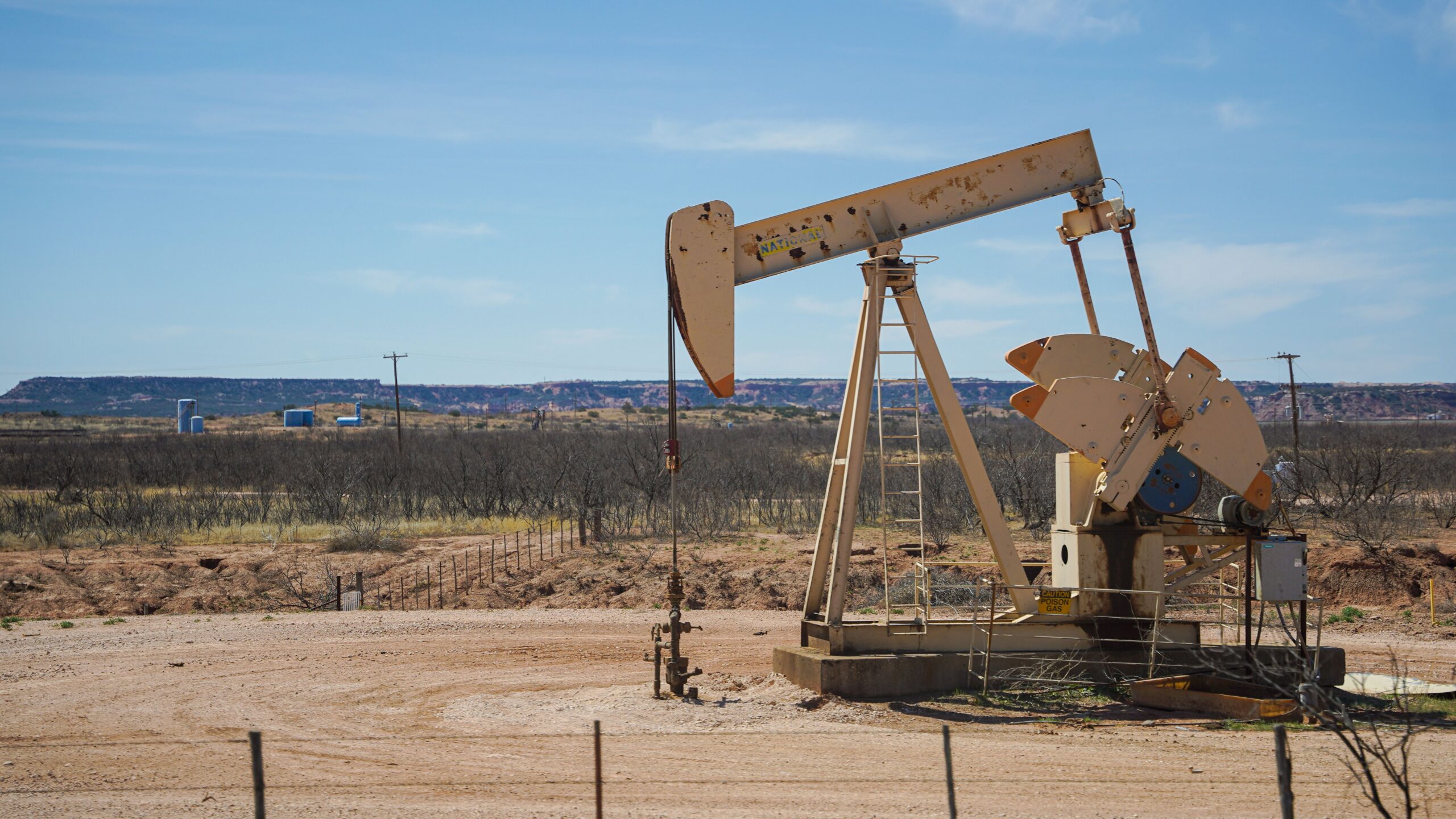
Fossil Fuels: What They Are and Why They’re Running Out
Fossil fuels (oil, coal and natural gas) are energy sources formed over millions of years from the remains of living organisms. They are non-renewable resources because they are consumed much faster than nature can replenish them. In 2025 they supplied about 86% of the world’s total energy supply (Energy Institute, 2026), and their CO2 emissions…

Natural Gas: What It Is, How It Forms and Its Uses
Natural gas is a fossil fuel made up mainly of methane (CH4) that formed over millions of years from buried organic remains. In 2024 it supplied about 22% of the world’s electricity, according to Ember, and demand for it grew 2.7% that year (IEA 2025). What exactly is natural gas, how does it form, and…
Coal: What It Is, Types, Uses and Environmental Impact
Coal is a combustible, carbon-rich sedimentary rock formed over millions of years from buried plant remains. It was the world’s largest source of electricity in 2024 (about 34%, according to Ember) and remains the largest single source of energy-related CO2 emissions (about 15 gigatonnes in 2021, according to the IEA). What types of coal are…

What Is Petroleum? How It Forms, Its Uses and Environmental Impact
Petroleum is a liquid fossil fuel formed over millions of years from the remains of marine organisms. It is a non-renewable natural resource and the world’s largest source of energy: although its share fell below 30% of global energy demand for the first time in 2024, it remains the mainstay of transportation and petrochemicals (IEA…

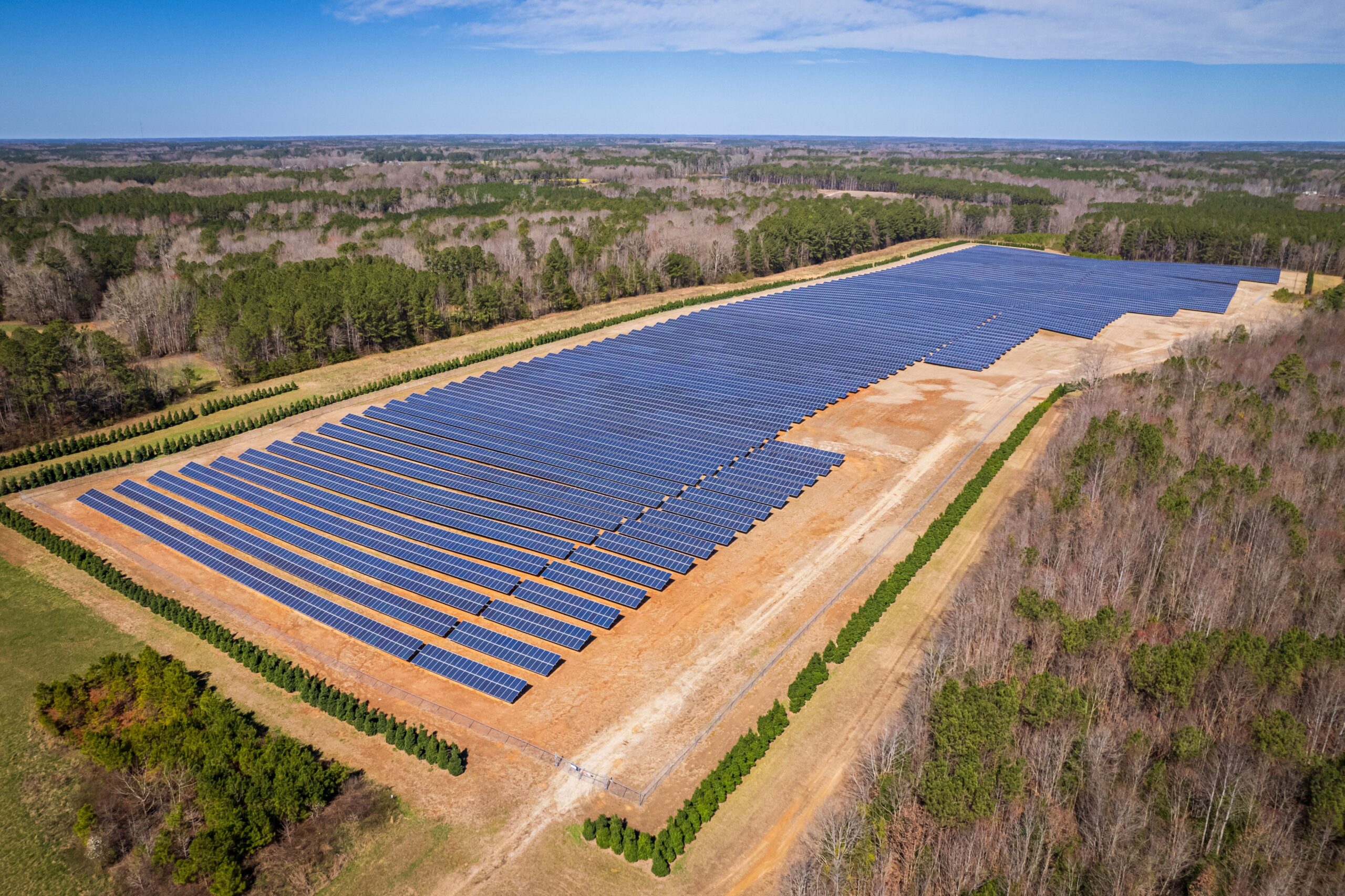
Energy Transition: What It Is and How the World Is Progressing
The energy transition is the shift from a system based on fossil fuels (coal, oil and gas) to one dominated by clean sources such as solar, wind and hydropower. In 2025, renewables generated 33.8% of the world’s electricity and overtook coal for the first time in a century, while investment in clean energy was expected…
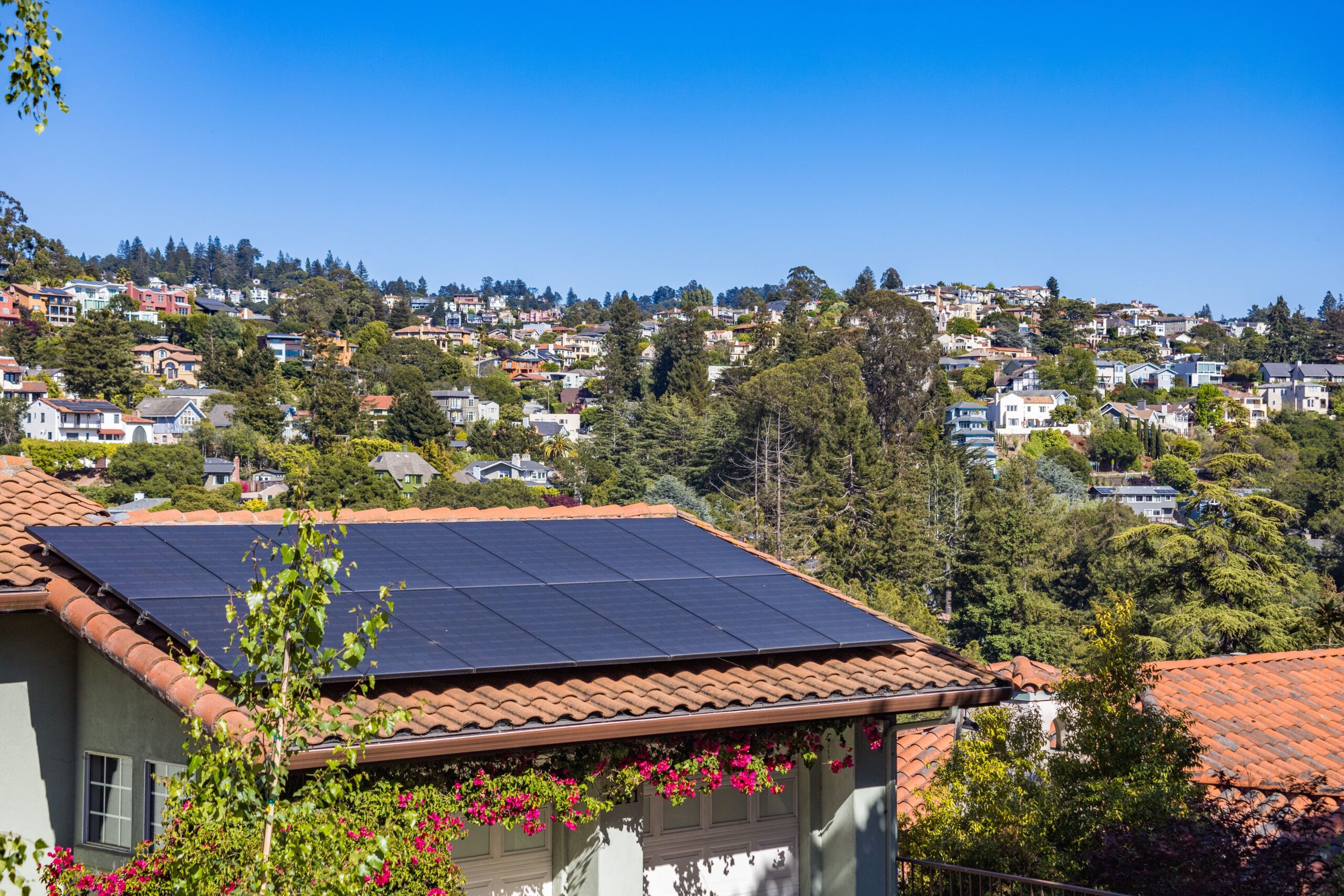
Home Solar Energy: A Practical Guide to Self-Consumption
Home solar energy means installing photovoltaic panels on your roof to produce your own electricity and use it right where it is generated (self-consumption). The price of solar modules fell from $6.50 per watt in 2000 to just $0.27 per watt in 2024 (in 2025 dollars), which has made the technology cost-effective for households (Our…
Sustainable Development Projects: What They Are and Examples
Sustainable development projects are ideas that pursue economic prosperity, environmental integrity and social equity at the same time. What examples of sustainable development projects are there? The Shams 1 solar plant in the United Arab Emirates reaches 100 megawatts with 258,048 mirrors, and in 2011 Japan set out to build a 1-gigawatt floating wind farm…
Sustainable Development in Colombia: Trends, Examples and Parks
Colombia is one of the 17 megadiverse countries, which together are home to 70% of the world’s biodiversity, which makes it vital to protect the environment as the country develops economically. Its national parks system has 61 protected areas covering about 23.3 million hectares, including marine areas, and its Human Development Index reached 0.788 in…
Emerging Energy Sources: Airborne Wind, Algae Fuel and Waste-to-Energy
Emerging energy sources rely heavily on renewable resources such as the sun, wind and water, and involve new methods and technologies to harness them more effectively. Notable innovations include the airborne wind farms studied by NASA, algae for biofuels and generating energy from waste. What are the new emerging energy technologies? In 1954, Lewis Strauss,…
OECD Environmental Outlook to 2050: Key Findings and Projections
The OECD’s Environmental Outlook to 2050, published in 2012, projects a world population of more than 9 billion, with 70% living in urban areas. Without action, terrestrial biodiversity would shrink by 10%, water demand would grow by 55% and greenhouse gas emissions would rise by 50% by 2050. What will the world’s environment look like…

Sobre el proyecto
Desarrollo Sustentable es un proyecto editorial que explica, con datos y fuentes verificables, los recursos naturales de cada país y los grandes temas de la sostenibilidad y el medio ambiente.
200+
Artículos publicados
190+
Países cubiertos
100%
Con fuentes verificadas
Explora los recursos naturales del mundo
Descubre la geografía, la economía y los recursos de tu país.