

Mining is the extraction of minerals and metals from the Earth’s crust, and it takes three main forms: open-pit, underground and alluvial. Its environmental impact is enormous: between 2001 and 2023, mining caused the loss of 19,765 km² of forest and released 0.75 gigatonnes of CO₂, more than double previous estimates (Nature Communications 2025). What are the types of mining, and how can mining’s footprint on water, forests and biodiversity be reduced?
Mining supplies the raw materials that underpin modern life: copper for cables, iron for steel, lithium for batteries and gold for electronics. It is one of humanity’s oldest economic activities and, at the same time, one of the most contested because of its environmental impact. Every structure, vehicle or device we use contains minerals that someone had to extract from the ground.
Contents
The scale is hard to overstate. In copper alone, global production was around 23 million tonnes in 2025 (USGS 2026), and global coal production reached an estimated 8,741 million tonnes in 2023, an all-time high at the time (IEA 2023). Most of these minerals are non-renewable natural resources: once exploited, they are depleted and do not regenerate on a human timescale.
Understanding mining means looking at two sides of the same coin: on one hand, its role in the economy and in the energy transition; on the other, the deforestation, water and soil pollution, tailings and biodiversity loss it can leave in its wake. In this guide, we review what mining is, its types, what is extracted, its environmental and social impacts, and the sustainable mining practices that aim to reduce that footprint.
What exactly is mining? What are the main types of mining operations? Which minerals are extracted, and in which countries? And how does mining affect the environment and nearby communities? Let’s take it step by step.
Natural resources
Natural resources are materials or sources of energy provided by or found on Earth that are useful to humans. Every product we make is made from natural resources.
- Renewable resources: they can be replenished by natural processes faster than the rate at which they are consumed. Some examples are solar radiation, wind, hydropower, water (if used properly), and flora and fauna.
- Non-renewable resources: once exploited, they are depleted and cannot regenerate. Some examples are hydrocarbons, metals and minerals.
What is mining and what is extracted?
Mining is the set of techniques used to locate, extract and process minerals, metals and rocks of economic value found in the Earth’s crust. These resources fall into two broad groups: metallic (copper, iron, gold, silver, lithium, aluminum) and non-metallic or industrial (coal, salt, phosphates, limestone, sand). Most are non-renewable natural resources, in contrast to renewable resources such as the sun or the wind.
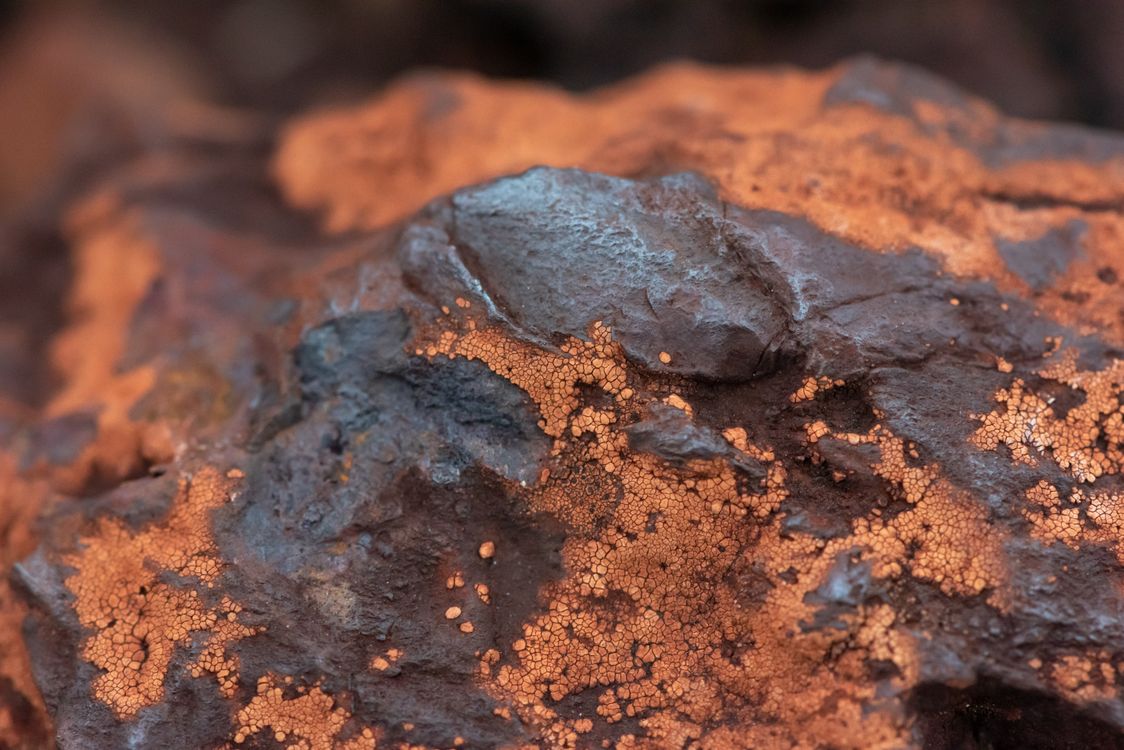
Global production figures help convey the scale of the activity. Around 3,300 tonnes of gold were mined in 2024, with China, Russia, Australia, Canada and the United States accounting for about 41% of the total (USGS 2025). Lithium, a key battery material, totaled around 240,000 tonnes of lithium content in 2024 (excluding U.S. output, which USGS withholds), with Australia, Chile and China accounting for about three-quarters of supply (USGS 2025). Iron ore, the basis of steel, exceeded 2,500 million tonnes of usable ore production in 2023, led by Australia (USGS 2025).
Demand will not let up. According to the International Energy Agency, a path to net zero emissions by 2050 would require around six times more mineral inputs in 2040 than in 2020, since clean technologies such as batteries, wind and solar are intensive in copper, lithium, nickel and rare earths (IEA 2022). This paradox (mining more to pollute less) puts sustainable mining at the center of the debate.
Types of mining: open-pit, underground and alluvial
Depending on the depth of the deposit and the type of mineral, mining takes different forms. The three main ones are open-pit, underground and alluvial (placer) mining.
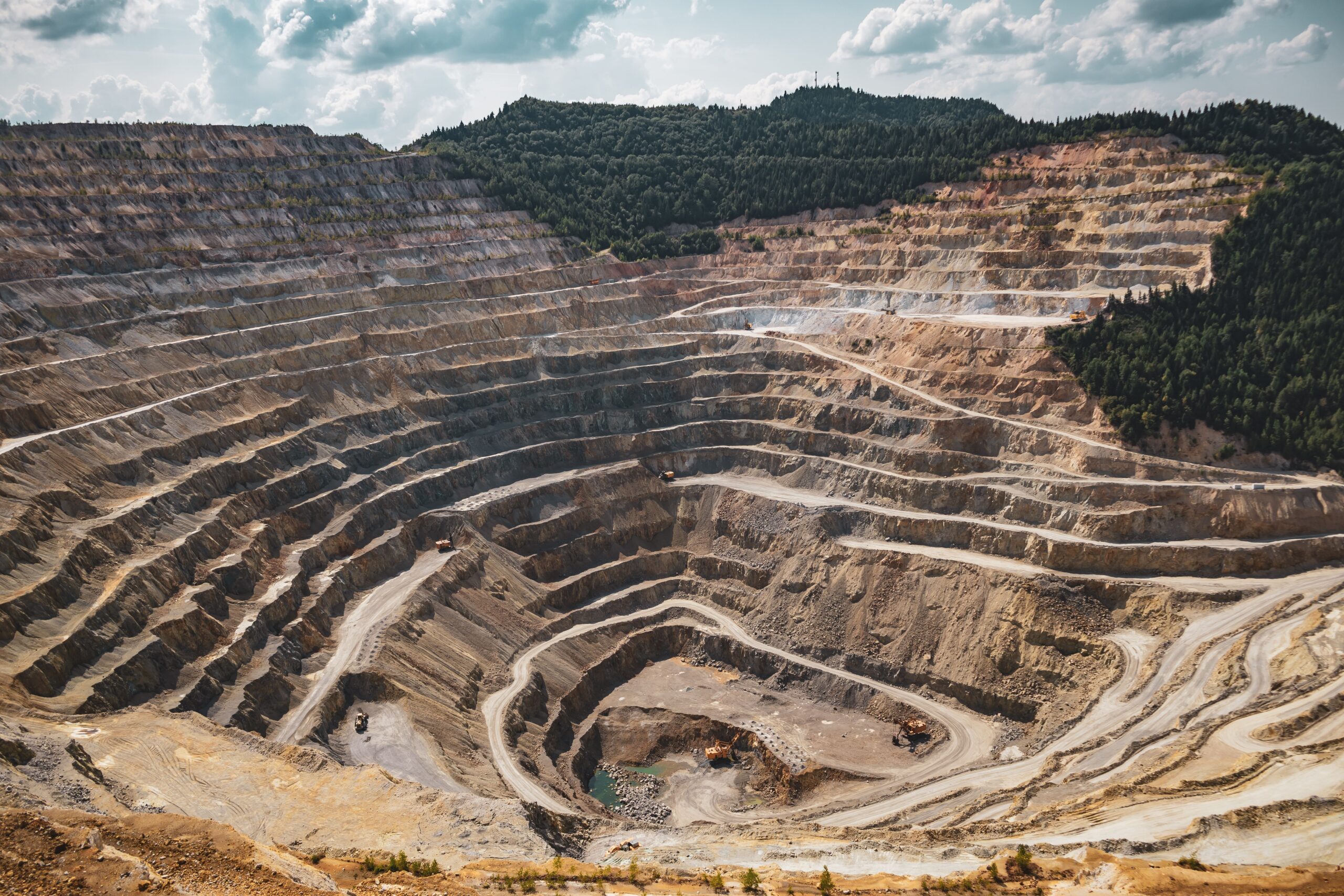
Open-pit mining
In open-pit (or surface) mining, the layer of rock and soil covering the deposit (the waste material, or overburden) is removed to reach deposits near the surface (Britannica). It is the dominant method for copper, iron and coal because it allows large volumes to be extracted at low cost, but it also causes the greatest visual and deforestation impacts, since it turns entire landscapes into huge stepped craters.
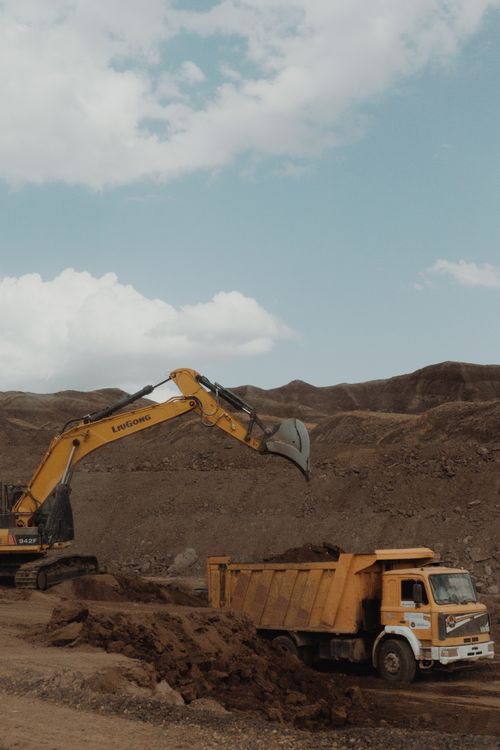
Underground mining
When the ore lies deep below the surface, underground mining is used: the overlying rock is left in place, and the deposit is reached through shafts, galleries and tunnels (Britannica). Its surface footprint is smaller, but it involves greater risks for workers (cave-ins, gases, dust) and high energy consumption for ventilation and pumping. It is used mainly for gold, silver, zinc and deep coal.
Alluvial or placer mining
Alluvial (or placer) mining works deposits of sand and gravel carried by water in riverbeds and floodplains, mainly for gold, tin, platinum and gemstones (Britannica). Much of this activity is artisanal and informal, and it is one of the hardest-to-control drivers of deforestation and mercury pollution in basins such as the Amazon.
Top copper-producing countries
Copper is a good barometer of global mining because of its role in electrification. Production is concentrated in a few countries: Chile tops the ranking, followed by the Democratic Republic of the Congo and Peru, according to the U.S. Geological Survey’s 2025 estimates (USGS 2026).
Several leading mining countries have dedicated articles on our site: you can learn more about Chile’s natural resources, Peru’s natural resources, Australia’s natural resources (a leader in iron and lithium) and Indonesia’s natural resources (nickel and copper).
Environmental impact of mining
The environmental impact of mining ranges from forest loss to river pollution and waste generated on a colossal scale. Here are its main fronts.
Deforestation
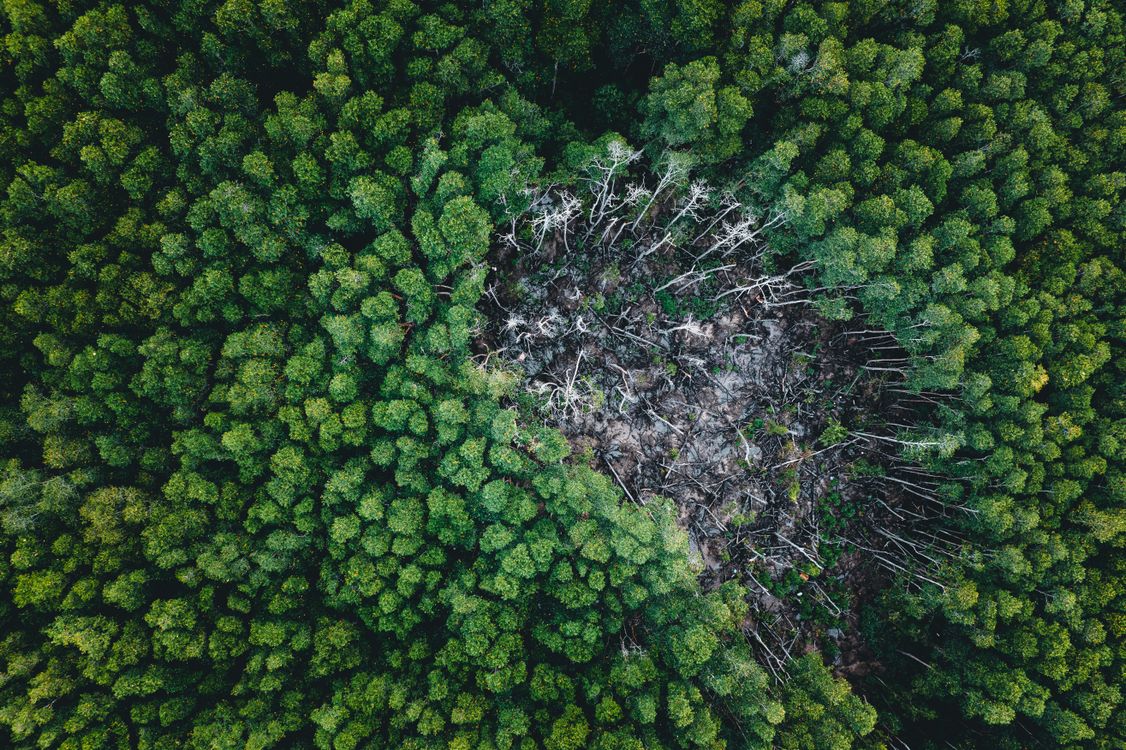
Between 2001 and 2023, mining was responsible for the loss of 19,765 km² of forest and 0.75 gigatonnes of CO₂ emissions, figures two to three times higher than previous estimates; more than half (50.3%) came from unregistered mining, that is, informal or artisanal operations (Nature Communications 2025). In the Brazilian Amazon, the effect extends up to 70 km beyond concession boundaries: between 2005 and 2015, mining contributed to the loss of 11,670 km² of forest, about 9% of all Amazon deforestation in that period (Sonter et al., 2017). This link ties mining to climate change and forest conservation.
Water and soil pollution
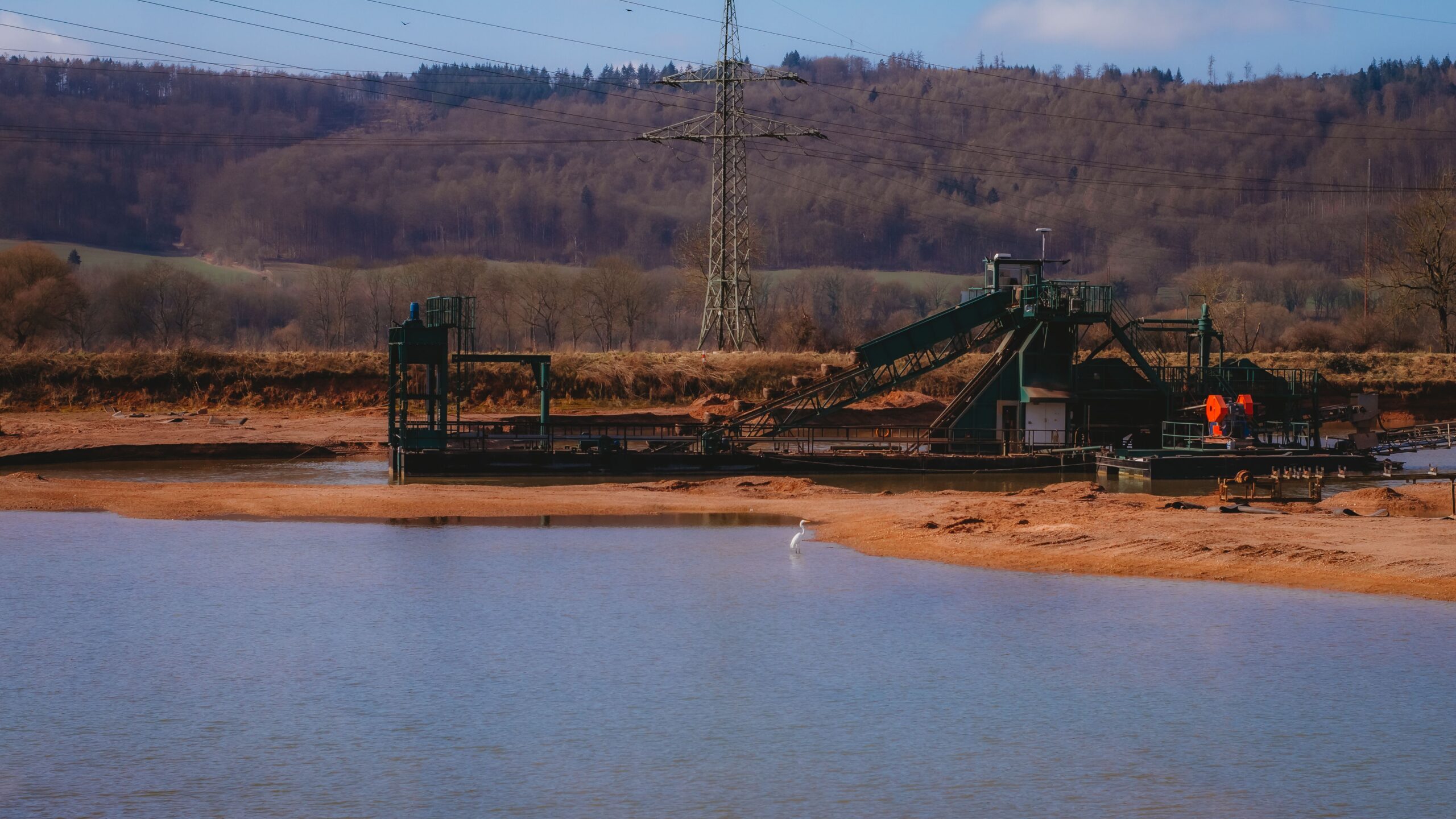
One of the most persistent forms of damage is acid mine drainage, which occurs when exposed sulfides react with water and air and release heavy metals. In the United States, the EPA describes it as a common form of water pollution in areas where mining took place in the past, and the resulting fluids can be highly toxic to people, animals and plants (EPA). Mercury pollution from artisanal gold mining is another serious problem for human health and river ecosystems.
Tailings and mining waste
Tailings, the waste left over after the valuable mineral has been separated, are one of the largest solid waste streams on the planet, and they are stored behind dams that can fail catastrophically. One study compiled 342 tailings dam failures between 1915 and 2021, with an average of about 4.4 incidents a year since 1947 and about 58% concentrated in the Americas (Lin et al., 2022). Failures such as those at Mariana (2015) and Brumadinho (2019) in Brazil show the destructive potential of these facilities.
Biodiversity loss and emissions
According to IUCN Red List assessments, nearly 8% of vertebrate species (4,642) are threatened by mineral extraction, especially mining and quarrying, and species that depend on freshwater habitats are particularly at risk (Current Biology 2024). On top of that comes its climate footprint: the IEA notes that conventional production of bulk materials such as steel and cement is emissions-intensive and very difficult to decarbonize (IEA 2023).
Social aspects of mining
Beyond transforming landscapes, mining sustains livelihoods. Artisanal and small-scale mining (ASM) directly employs at least 45 million people in some 80 countries, and an estimated 315 million people depend on it together with its associated services (World Bank 2025). At the same time, the activity creates tensions over water use, displacement, occupational health and conflicts with local and Indigenous communities. A sustainable economy requires balancing these benefits and costs fairly.
Sustainable and responsible mining
Sustainable mining seeks to extract minerals while minimizing environmental and social harm throughout the entire life cycle of a mine. Its pillars include restoring and rehabilitating the land once the deposit is exhausted, managing tailings safely, using water and energy efficiently (increasingly from renewable sources), and a circular economy that recycles metals to ease the pressure for new mining operations.
Recycling is especially strategic: recovering copper, aluminum or lithium from used products takes much less energy than extracting them from ore and reduces the need to open new mines. Added to this are international responsibility standards, mineral traceability to avoid so-called “conflict minerals,” and stricter oversight of informal mining. Mining countries such as South Africa, Brazil and Colombia face the challenge of reconciling their mineral wealth with environmental protection, a challenge that also concerns the sustainable cities that consume these materials.
Related resources on our site
- Non-renewable natural resources: characteristics and examples
- Renewable natural resources: what they are, types and examples
- Natural resources of Chile (the world’s largest copper producer)
- Natural resources of Peru
- Natural resources of Australia
- Natural resources of Brazil
- Natural resources of South Africa
- Natural resources of Indonesia
- Sustainable development projects
- Sustainable economy
Sources used
- USGS — Mineral Commodity Summaries 2026: Copper
- USGS — Mineral Commodity Summaries 2025: Gold
- USGS — Mineral Commodity Summaries 2025: Lithium
- USGS — Mineral Commodity Summaries 2025: Iron Ore
- IEA — Coal 2023: Supply
- IEA — The Role of Critical Minerals in Clean Energy Transitions
- IEA — Energy Technology Perspectives 2023: Mining and materials
- Nature Communications (2025) — Deforestation caused by mining
- Sonter et al. (2017) — Mining and deforestation in the Amazon
- Lin et al. (2022), Metals — Tailings dam failures
- EPA — Abandoned Mine Drainage
- Current Biology (2024) — Extractive industries and biodiversity
- World Bank (2025) — Artisanal mining
- Britannica — Mining
Mining will remain indispensable, especially because the energy transition depends on minerals such as copper and lithium. The challenge is not to stop it but to transform it: reduce its footprint on forests, water and biodiversity, manage tailings safely and ensure that communities receive a fair share of its benefits. Understanding the types of mining and their environmental impact is the first step toward demanding more responsible mining that is consistent with sustainable development.
Related articles
Last updated: October 17, 2026



Leave a Reply