Category: Ecology

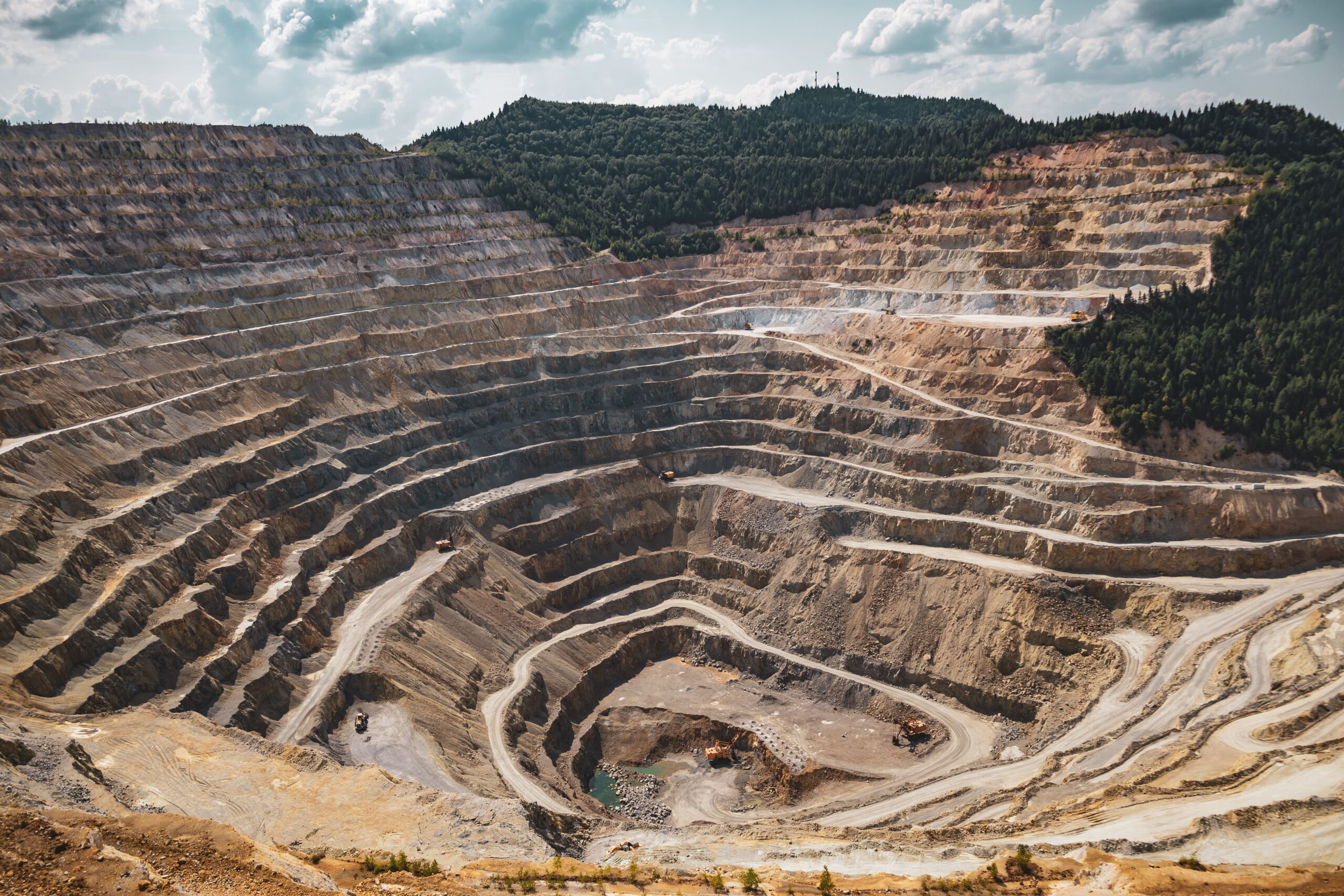
Environmental Impact of Mining: Types, Effects and Solutions
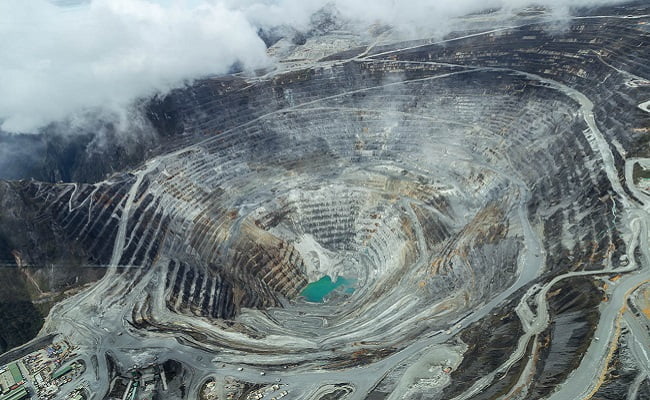
Mining is the extraction of minerals and metals from the Earth’s crust, and it takes three main forms: open-pit, underground and alluvial. Its environmental impact is enormous: between 2001 and 2023, mining caused the loss of 19,765 km² of forest and released 0.75 gigatonnes of CO₂, more than double previous estimates (Nature Communications 2025). What…

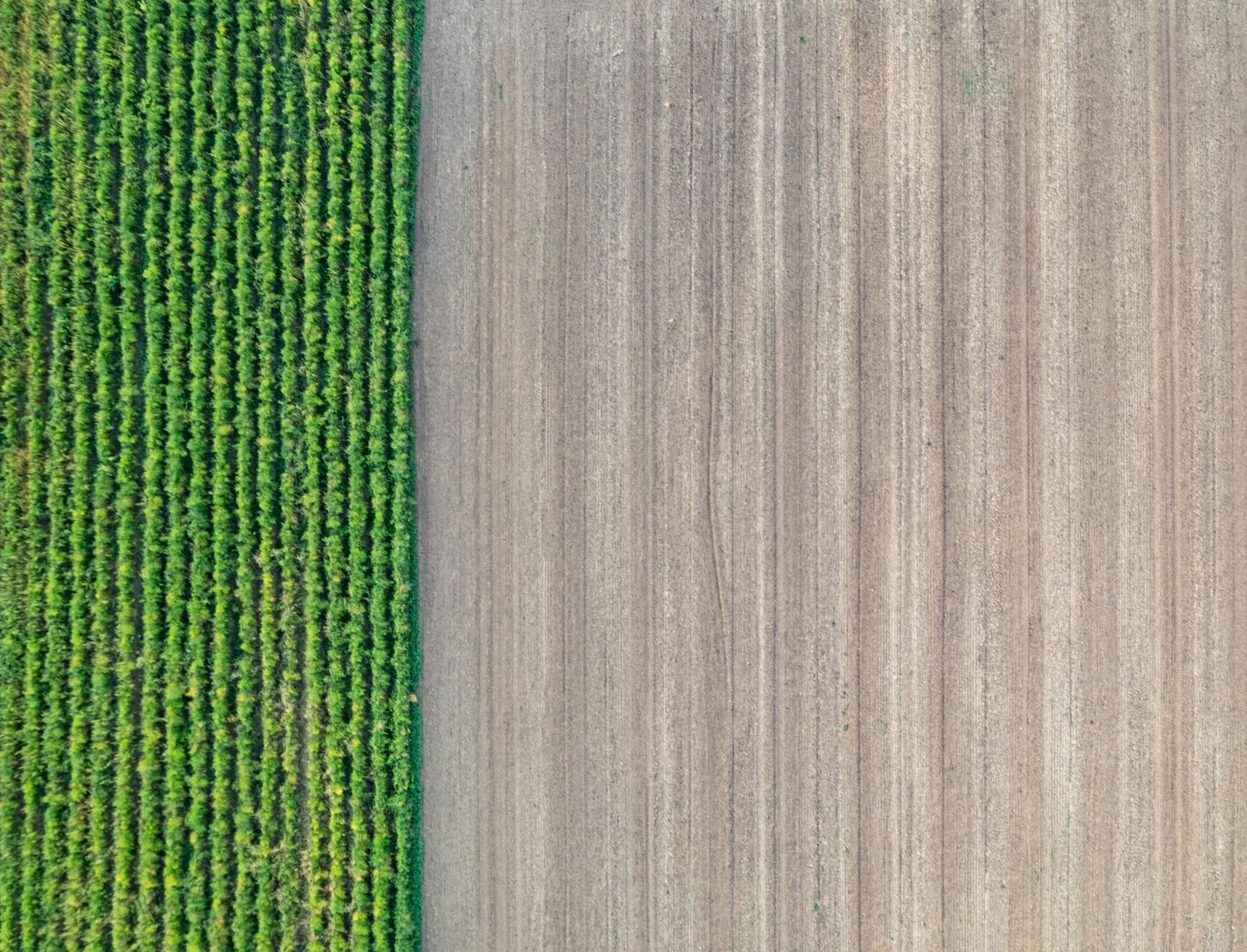
Soil Resources: Types, Agricultural Importance and Conservation
Soil and agricultural resources comprise the fertile upper layer of the Earth and the arable land required to produce food, fibers, and biomass. While soil directly or indirectly supports 95% of the food we consume, arable land accounts for only about 10.7% of global land area, and approximately 33% of soils are already degraded (FAO;…

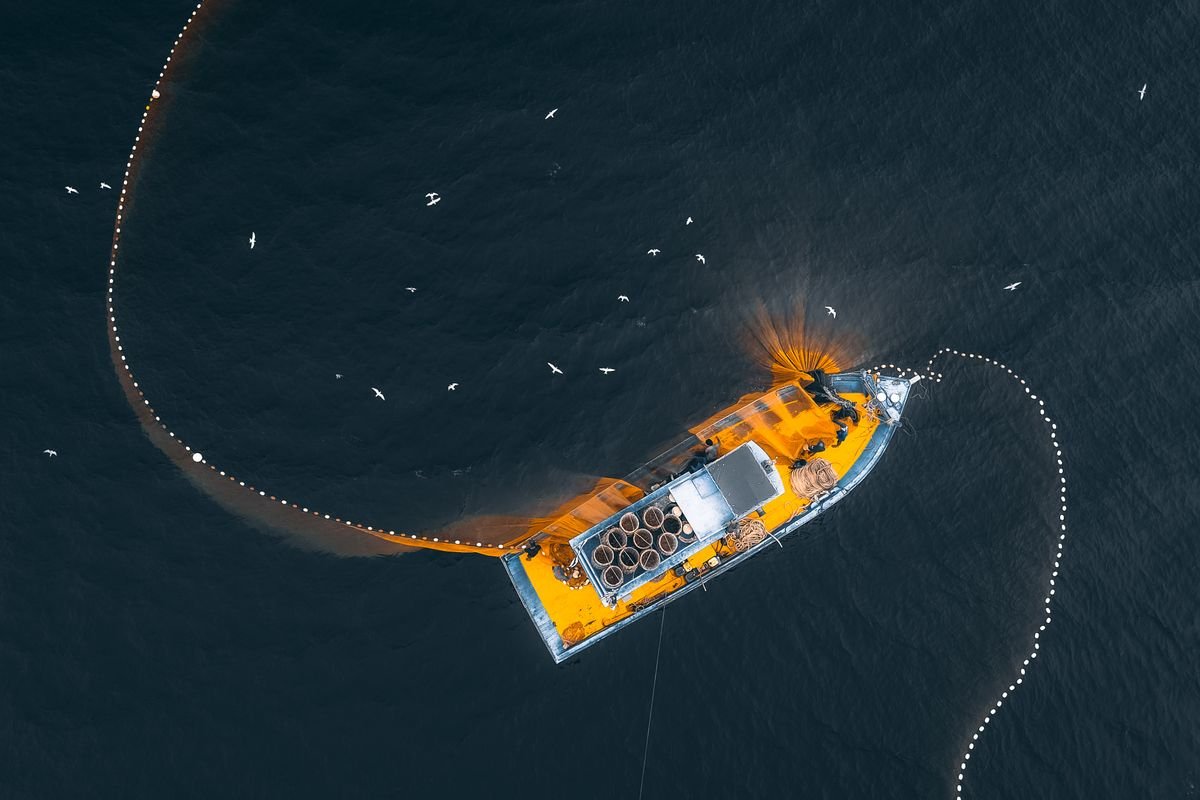
Marine and Fishery Resources: Types, Global Value and Limits
Marine and fishery resources encompass the living and non-living assets humans obtain from seas and oceans: fish, shellfish, algae, seabed minerals, energy, and marine biodiversity. In 2022, global fisheries and aquaculture production reached a record 223.2 million metric tons, including 185.4 million tons of aquatic animals (FAO SOFIA 2024). What are the primary marine resources,…

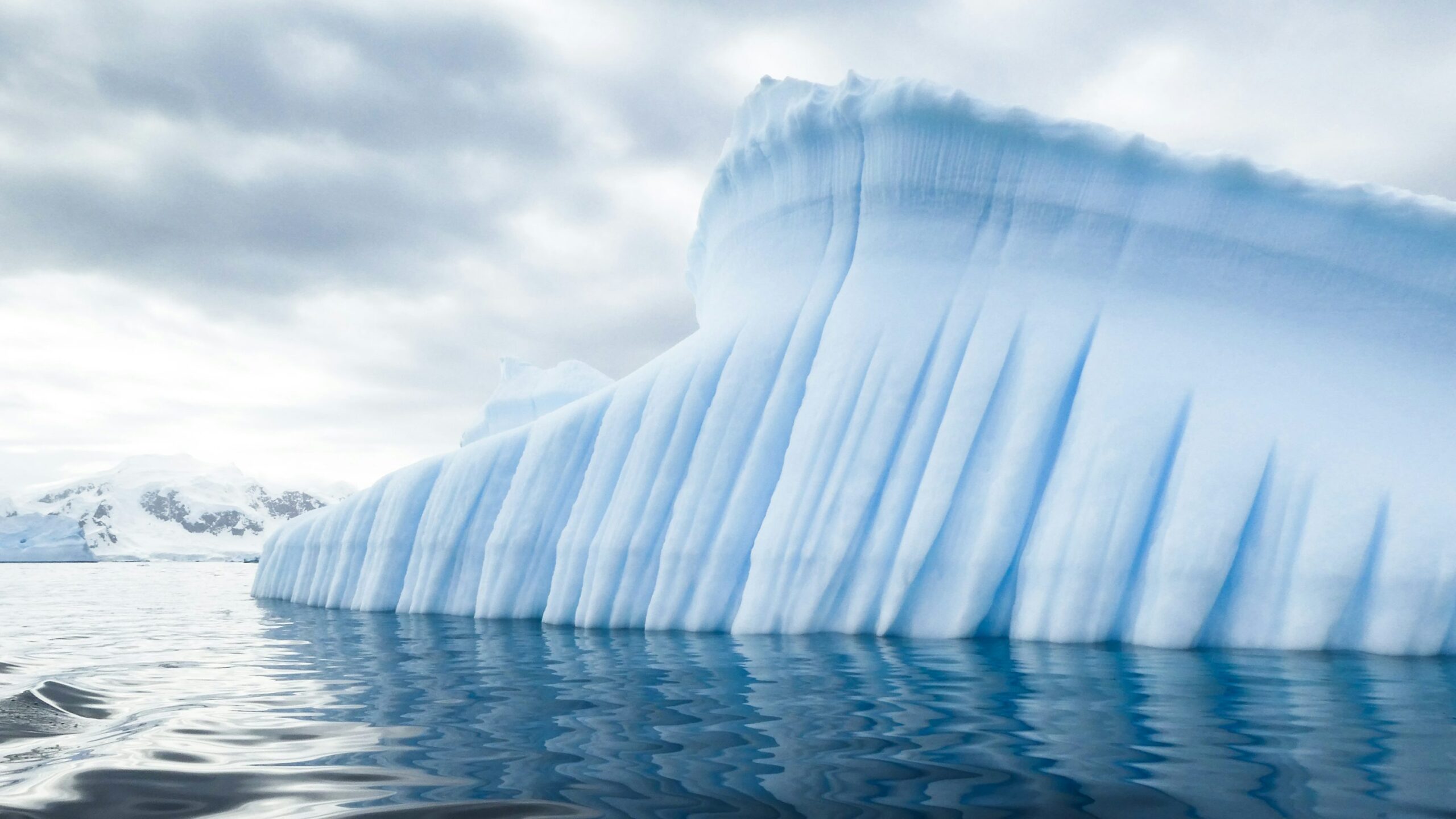
Antarctica Natural Resources: Ice Sheet, Marine Life and Minerals
Antarctica’s natural resources are unique on Earth: they belong to no single nation and commercial mining is strictly prohibited. The Antarctic ice sheet stores approximately 90% of the planet’s ice and about 70% of all global fresh water (Australian Antarctic Program). Its primary exploitable living resources reside in the Southern Ocean—chiefly Antarctic krill—strictly managed by…

Water Resources: Types, Uses and Availability
Water resources represent all liquid, solid, and atmospheric water available for ecological functions and human use. While water covers over 70% of Earth’s surface, only 2.5% is freshwater, and nearly 69% of that is locked in polar ice sheets and glaciers. In resource accounting, economists strictly separate stocks (static volumes in deep fossil aquifers and…

Forest Resources: Uses, Benefits and Conservation
Forest resources encompass the biomass, biodiversity, and ecosystem services provided by the world’s 4.06 billion hectares of forest (covering ~31% of Earth’s land surface). They supply tangible timber products (industrial roundwood, sawnwood) and essential non-timber forest products (fruits, nuts, medicinal resins), while providing vital regulatory services—such as sequestering ~2.4 billion tonnes of carbon annually and…

Amazon Rainforest Natural Resources: Water and Wildlife
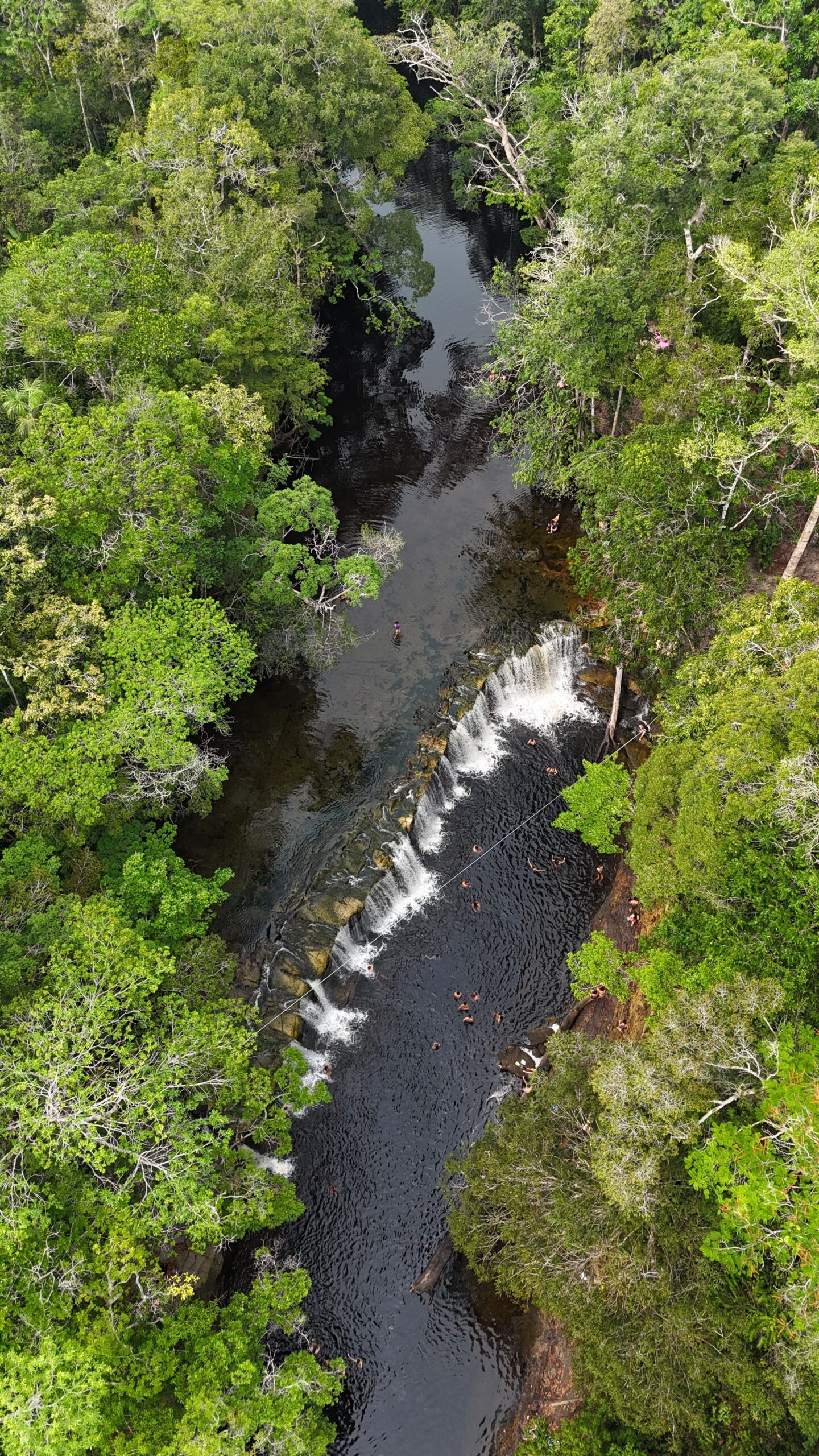
The Amazon holds the most valuable natural resources on the planet: more than half of the world’s remaining tropical rainforest (some 5.5 million km²), close to one in every ten known species on Earth, roughly 56.8 billion tonnes of above-ground carbon, and a river that discharges around 15% of all the fresh water reaching the…

Non-Renewable Natural Resources: Types and Examples
Non-renewable natural resources are materials that exist in fixed quantities and, once used up, do not come back on a human timescale. What are the best-known non-renewable natural resources? Oil, coal, natural gas, metallic minerals such as lithium, and nuclear uranium. They took millions of years to form, they pollute when burned, and oil and…
Environmental Organizations: Who They Are and What They Do
Environmental organizations are institutions, NGOs or government bodies that study, monitor and protect the environment. WWF brings together more than 5 million volunteers across 100 countries, and the Global Environment Facility has provided more than US$22 billion in funding since 1991. What are environmental organizations, and how far does their reach extend? What do environmental…