

Marine and fishery resources encompass the living and non-living assets humans obtain from seas and oceans: fish, shellfish, algae, seabed minerals, energy, and marine biodiversity. In 2022, global fisheries and aquaculture production reached a record 223.2 million metric tons, including 185.4 million tons of aquatic animals (FAO SOFIA 2024). What are the primary marine resources, and why does overfishing threaten their future?
Marine and fishery resources underpin the nutrition, employment, and economic livelihood of hundreds of millions of people worldwide. The world’s oceans do far more than supply wild fish and shellfish: they provide nutrient-dense macroalgae, seabed mineral reserves, renewable marine energy, and irreplaceable biological diversity. Understanding these marine assets is fundamental to coastal regional development and international food security.
Table de contenidos
According to the Food and Agriculture Organization of the United Nations (FAO), global production of aquatic animals reached a historic high of 185.4 million metric tons in 2022. Approximately 89% of this production was channeled directly into human food consumption, translating to an average of 20.7 kilograms of aquatic food per capita annually (FAO SOFIA 2024). These figures highlight how strategically critical the global ocean has become to feeding a growing human population.
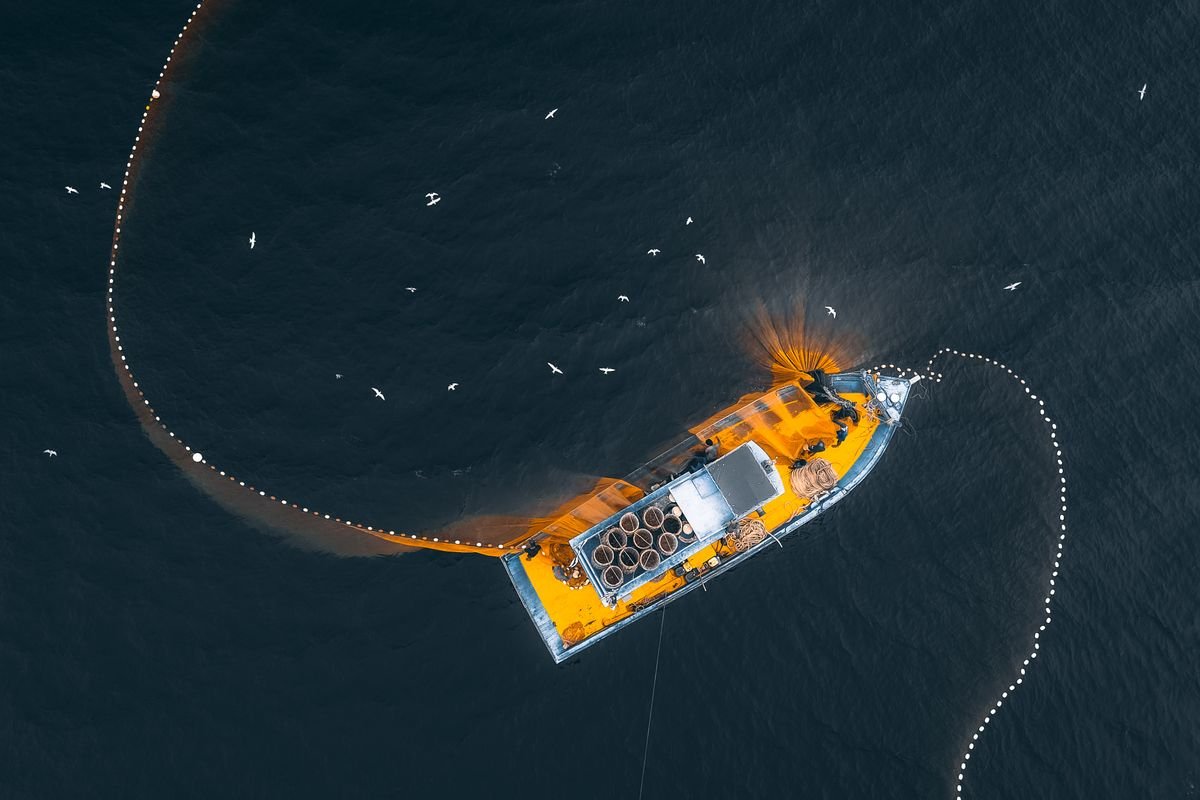
What defines marine versus fishery resources? What categories exist, and what are their tangible examples? Which nations dominate global landings, and why has overfishing become the defining crisis of ocean governance? Below, we examine these issues backed by verified data from the FAO, the World Bank, the OECD, and the IUCN.
Natural Resources
Natural resources are materials or energy sources provided or found on Earth that are useful to humans. Every product we manufacture is made from natural resources.
- Renewable resources: can be restored by natural processes faster than the rate of consumption. Examples include solar radiation, wind, hydroelectric power, water when properly managed, and plant and animal life.
- Non-renewable resources: once exploited, they are depleted and cannot regenerate. Examples include hydrocarbons, metals, and minerals.
What Are Marine and Fishery Resources?
Marine resources represent all living biological assets and non-living physical materials found throughout the oceans and coastal seas that humans utilize. Within this broad domain, fishery resources refer specifically to wild-capture and farm-raised populations of finfish, mollusks, crustaceans, and other aquatic fauna harvested for food or industrial processing. In biological terms, fishery stocks are renewable natural resources—they reproduce and regenerate naturally provided harvest rates do not exceed biological replenishment thresholds. Conversely, non-living marine assets—such as deep-sea polymetallic nodules or subsea offshore oil and gas fields—are non-renewable resources that deplete irreversibly upon extraction.
Marine resources fall into distinct structural classifications: Living biological resources include commercial pelagic and demersal finfish (tuna, anchoveta, Atlantic cod, wild salmon, sardines), shellfish (shrimp, oysters, mussels, squid, octopuses), and macroalgae (kelp, nori, spirulina). Mineral resources encompass sea salt, marine sand, aggregates, and deep-sea mineral deposits enriched in manganese, nickel, copper, and cobalt. Marine energy resources include offshore wind, tidal stream, wave power, and offshore hydrocarbons. Finally, marine biodiversity itself represents an essential ecological resource that sustains planetary carbon cycling and ocean climate regulation.
Global Fisheries and Aquaculture Production
Worldwide fisheries and aquaculture production reached an all-time record of 223.2 million metric tons in 2022, inclusive of cultivated algae. Of this total, 185.4 million tons consisted of aquatic animals (finfish, crustaceans, mollusks) and 37.8 million tons comprised aquatic algae (FAO SOFIA 2024). Capture fisheries yielded approximately 92.3 million tons, while aquaculture exceeded 130 million total tons across all plant and animal categories. This unprecedented production volume underscores the intense exploitation of ocean biomes and the imperative for science-grounded harvest quotas.
Aquaculture Surpasses Capture Fisheries for the First Time
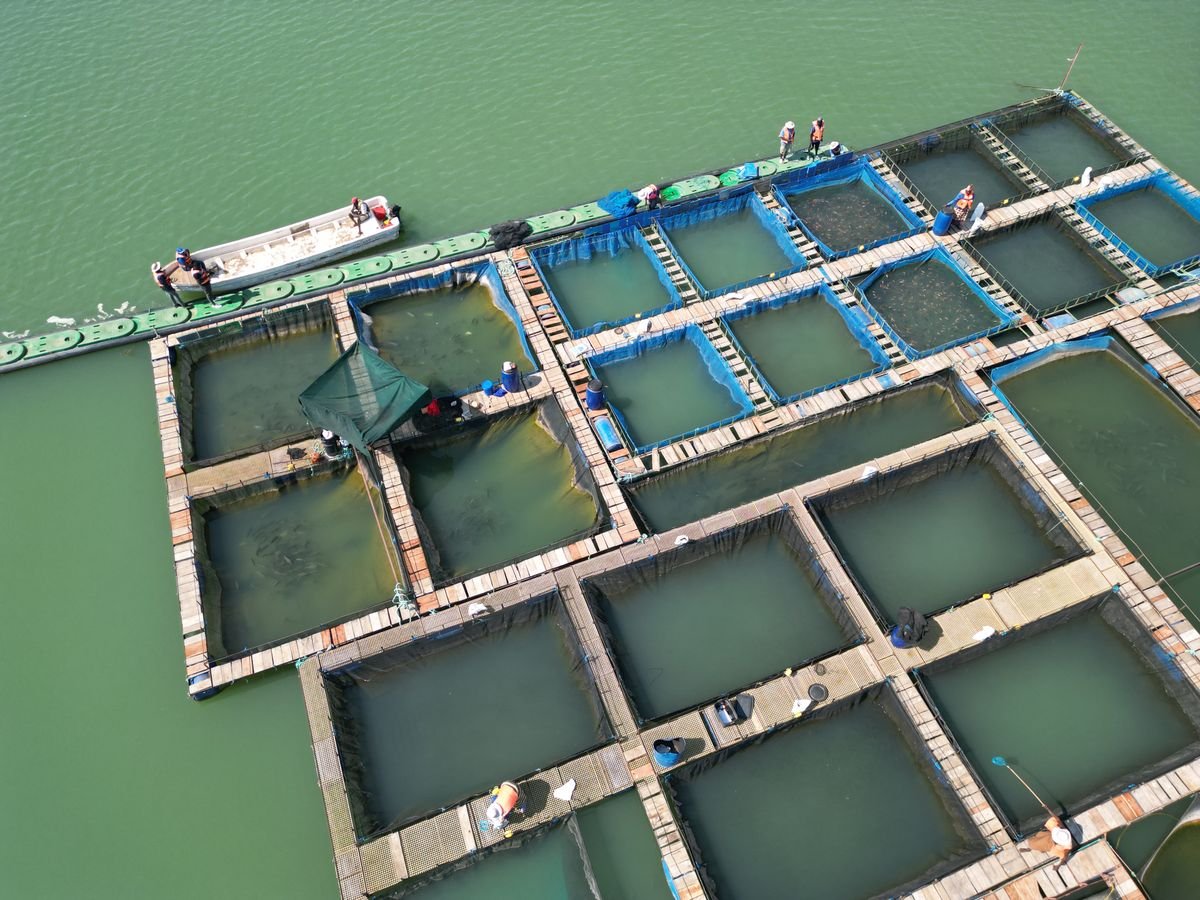
In a historic turning point for global food production, aquaculture officially overtook wild-capture fisheries in the production of aquatic animals. In 2022, aquaculture produced 94.4 million metric tons of aquatic animals (51% of global output), surpassing wild capture’s 91.0 million metric tons (49%) (FAO SOFIA 2024). This transition reflects the plateauing of wild ocean catches since the late 1980s alongside the rapid industrialization of fish and shrimp farming.
Sustainable aquaculture represents the primary pathway to expand global protein supplies without placing further pressure on wild oceanic biomass. However, intensive aquaculture presents distinct environmental concerns: wild fishmeal consumption in aquaculture feeds, local benthic pollution from cage waste, antibiotic misuse, and mangrove clearing for coastal shrimp ponds. In response, the FAO advocates a “Blue Transformation” strategy focused on sustainable farm certification, responsible feed formulations, and improved biosecurity.
Overfishing: The Greatest Challenge for Fishery Resources
The single greatest threat confronting marine fisheries is persistent overfishing. According to the FAO, 37.7% of monitored marine fish stocks were being harvested at biologically unsustainable levels in 2021, worsening from 35.4% two years earlier. In contrast, 62.3% of stocks were fished within biologically sustainable thresholds (FAO SOFIA 2024). This decades-long trend of stock deterioration illustrates the consequences of excess fleet capacity, government subsidies, and weak regulatory enforcement.
Overharvesting reverberates throughout marine food webs. Approximately 37% of evaluated shark and ray species face extinction, driven predominantly by commercial fishing mortality and bycatch (IUCN Shark Specialist Group). Illegal, unreported, and unregulated (IUU) fishing undermines legitimate fisheries management, depletes national exclusive economic zones (EEZs), and robs coastal communities of artisanal catches. Rigorous, science-based total allowable catch (TAC) limits remain the only proven mechanism to rebuild depleted biomass.
Leading Fishing and Aquaculture Nations Worldwide

Global production of aquatic animals is heavily concentrated in a small group of coastal nations. China commands an extraordinary lead, producing approximately 36% of the global aquatic animal total, followed by India, Indonesia, Vietnam, and Peru (FAO SOFIA 2024). Peru’s position is driven by the Humboldt Current anchoveta fishery (Engraulis ringens), which generated 4.9 million metric tons in 2022 as the world’s most harvested wild species, primarily converted into fishmeal and fish oil.
Source: FAO, The State of World Fisheries and Aquaculture (SOFIA) 2024.
Other Marine Resources: Minerals, Energy and Biodiversity
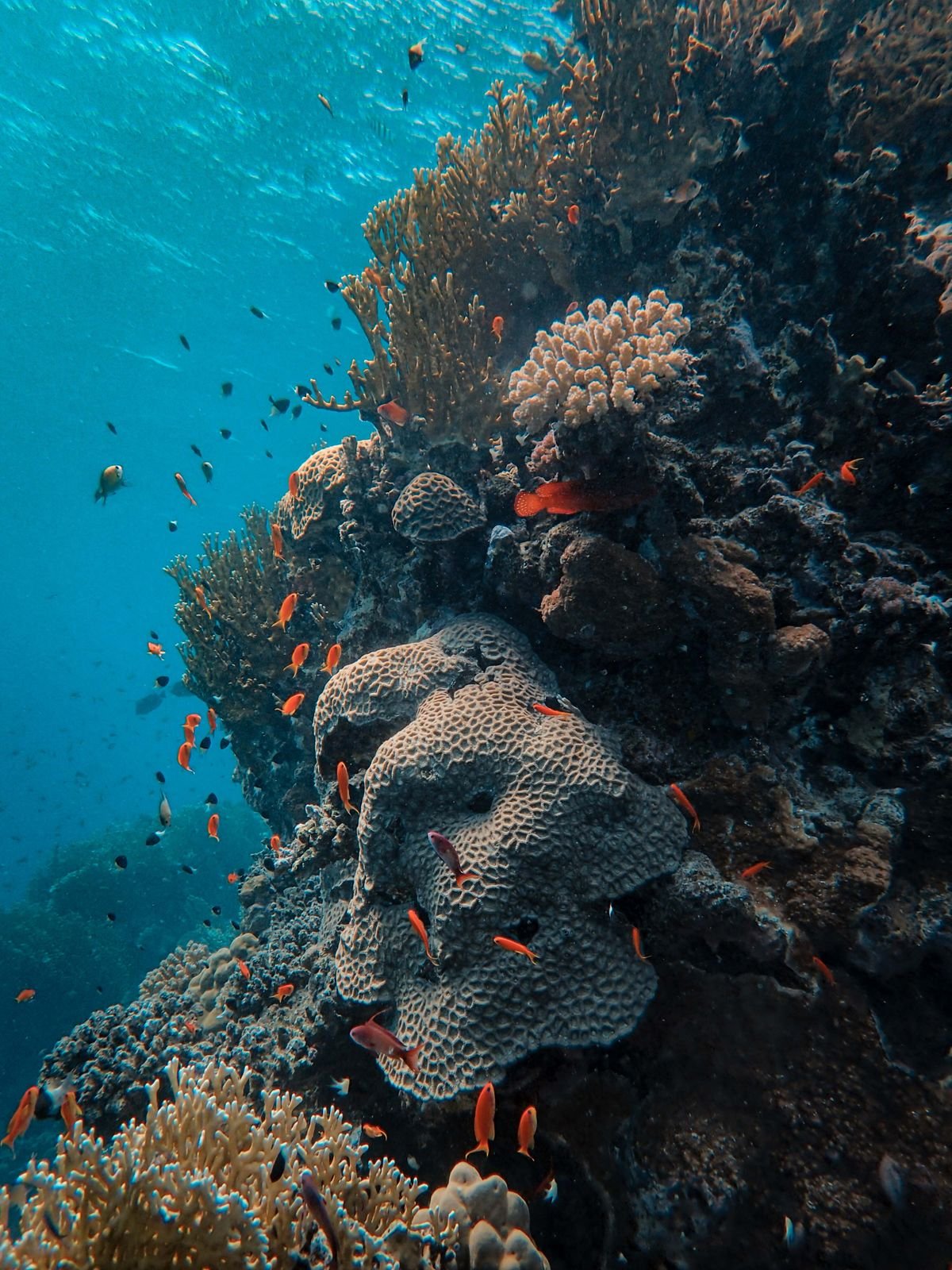
Beyond finfish and shellfish, the ocean hosts vast physical, chemical, and energy resources. In total, the global ocean economy generated approximately 2.6 trillion USD in gross value added in 2020, double its 1995 contribution (OECD 2025). Maritime nations such as Norway, Canada, and the United Kingdom systematically integrate their marine fisheries with offshore wind farms, subsea telecommunications, and maritime trade infrastructure.
Deep-seabed mineral extraction (targeting polymetallic nodules in the Clarion-Clipperton Zone) remains under intense international regulatory scrutiny through the International Seabed Authority (ISA) due to potential ecological destruction in benthic abyssal zones. Conversely, offshore wind and marine renewables represent rapidly expanding clean sectors. Marine ecosystems also provide irreplaceable climate services: oceans absorb roughly 25% of all anthropogenic carbon emissions and over 90% of excess heat trapped in the Earth system.
Socioeconomic Importance: Food Security, Employment and Economy
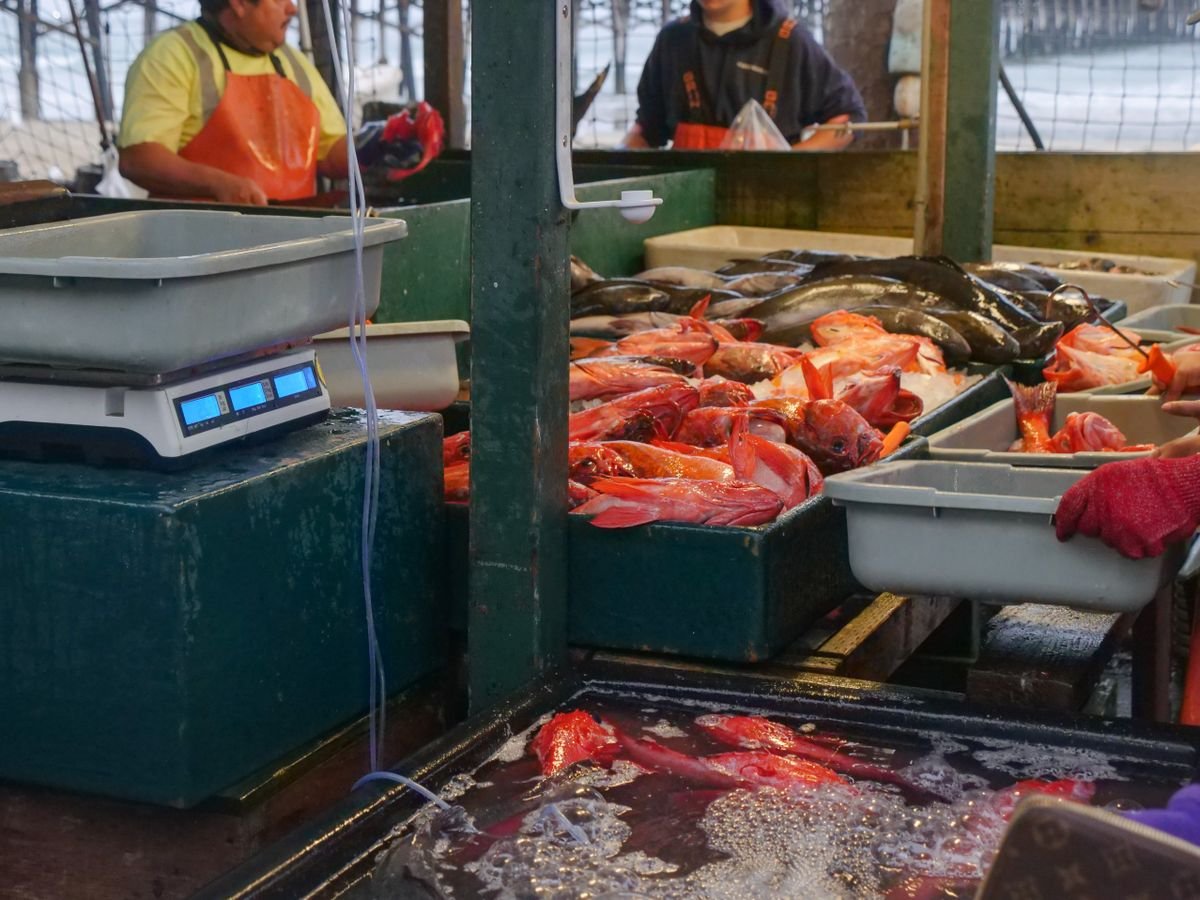
Fishery resources provide an irreplaceable source of highly bioavailable animal protein, omega-3 fatty acids, and essential micronutrients for over 3 billion people. The primary capture and cultivation sectors employ roughly 61.8 million people directly, while an estimated 600 million livelihoods depend at least partially on fisheries, post-harvest processing, logistics, and retail distribution (FAO SOFIA 2024). Across island developing states and artisanal coastal communities, artisanal fishing forms the foundation of food security and community resilience.
How Are Fishery Resources Managed Sustainably?
Effective sustainable fishery governance relies on an integrated suite of management tools: science-based quotas, biological spawning closures, minimum mesh sizes to protect juveniles, bans on destructive bottom-trawling gears in fragile habitats, and designated Marine Protected Areas (MPAs). United Nations Sustainable Development Goal 14 (“Life Below Water”) calls for eradicating overfishing, curbing harmful subsidies, and eliminating illicit fishing fleets. Crucially, empirical evidence demonstrates that well-managed fisheries recover their biomass, proving that proactive management delivers both ecological and economic dividends.
For consumers, selecting independently certified seafood products (such as MSC or ASC labels), supporting local and diversified species, and eliminating post-harvest food waste reduces excessive pressure on vulnerable stocks. The alignment of international diplomacy, transparent port inspections, and informed consumer choices is essential to keep marine resources perpetually renewable.
Marine Resources of Coastal and Fishing Nations
Marine potential varies widely depending on oceanographic currents, continental shelf width, and exclusive economic zones. Explore our detailed natural resource profiles for leading fishing and coastal states:
- Peru Natural Resources: Copper, Silver and the Amazon
- Chile Natural Resources: The World’s Top Copper Producer
- China Natural Resources: Rare Earths, Coal, Hydro and Solar
- Indonesia Natural Resources: Nickel, Coal, Rainforests and Geothermal
- Vietnam Natural Resources: Bauxite, Rare Earths, Rice and Hydro
- Norway Natural Resources: Oil, Gas, Fish and Hydro
- Japan’s Natural Resources: Rich in Forests, Poor in Minerals
- Spain Natural Resources: Copper, Forests and Solar Power
- Canada’s Natural Resources: Oil Sands, Potash and Forests
- Ecuador Natural Resources: Oil, Biodiversity and Hydropower
- Thailand Natural Resources: Natural Gas, Rubber and Tin
- What Natural Resources Does Russia Have? Gas, Oil, Timber
Sources and References
- FAO — Global Fisheries and Aquaculture Production Reaches Record High (SOFIA 2024)
- FAO SOFIA 2024 — World Fisheries and Aquaculture Production Data
- FAO SOFIA 2024 — The Status of Fishery Resources
- OECD — The Ocean Economy to 2050 (2025)
- IUCN — Red List of Threatened Species: Sharks and Rays
Marine and fishery resources remain an essential foundation for international food security, human nutrition, and coastal prosperity. Halting overfishing, ensuring environmentally sound aquaculture growth, and protecting oceanic biodiversity are critical steps toward ensuring that the global ocean remains a thriving, productive commons for generations to come.

Leave a Reply