

Europe holds around 25% of the world’s forest area, the largest share of any region (FAO 2025), is home to the planet’s largest natural gas reserves in Russia, and protects more than 1.29 million km² through the Natura 2000 network. Its natural resources span strategic minerals, North Sea hydrocarbons, rivers such as the Volga, and a biodiversity safeguarded by the largest coordinated network of protected areas in the world. What are Europe’s most important natural resources, and which countries hold them?
Europe is a relatively small continent by area but extraordinarily rich and diverse in natural resources. From the iron ore deposits of Sweden to North Sea gas, by way of the immense forests of European Russia and one of the most ambitious protected-area networks on the planet, European territory combines intensive extraction with a strong conservation policy. According to the FAO, the world’s forest area comes to 4,140 million hectares, and Europe — including European Russia — accounts for close to a quarter of that total (FAO 2025).
Table de contenidos
In this guide we review Europe’s natural resources by category — mineral, energy, forest, water and biodiversity — with verified data from bodies including the FAO, Eurostat, the European Environment Agency, the USGS and the IUCN, plus links to the resources of each European country we have analyzed in detail.
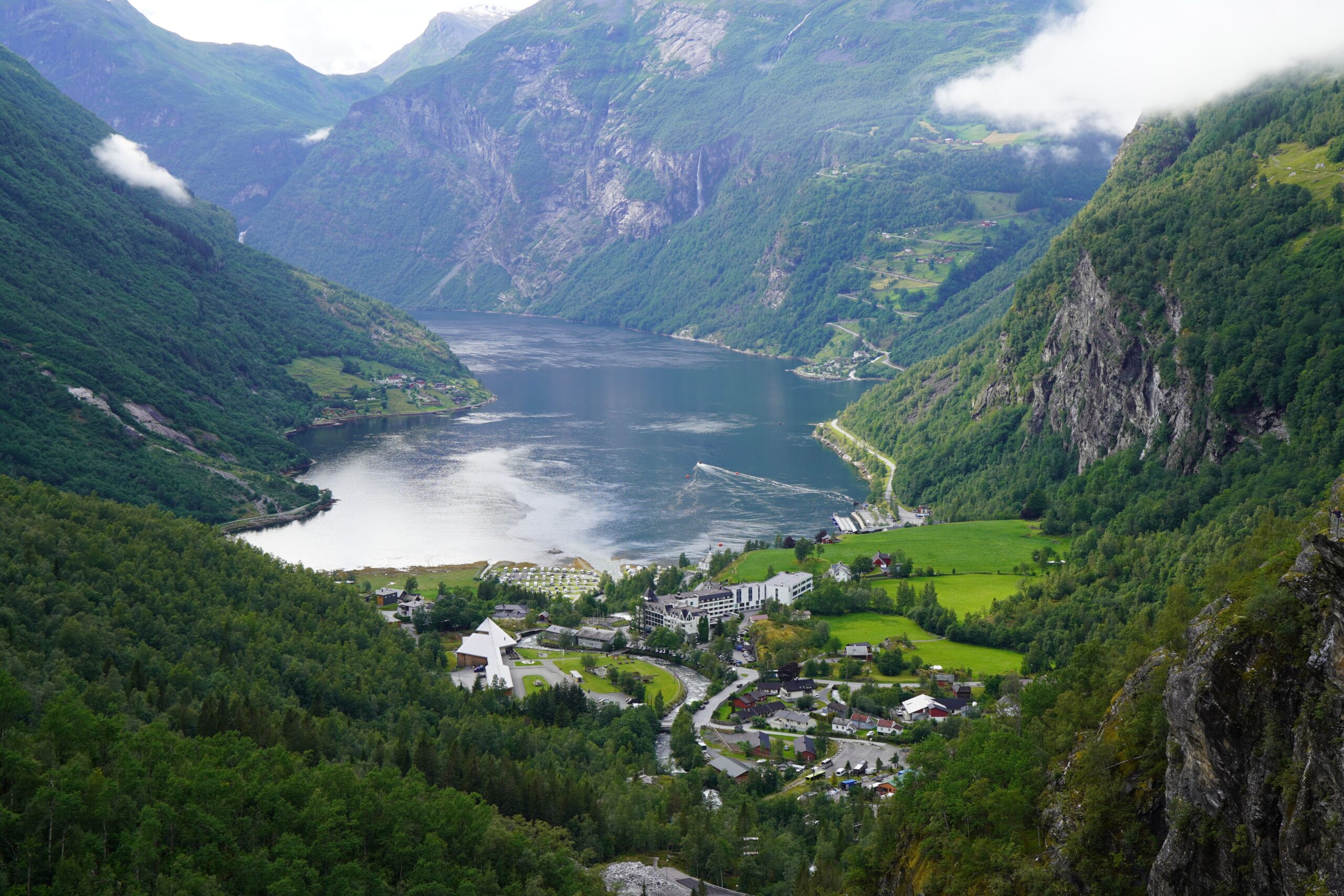
Which minerals and metals does Europe produce? Where does its energy come from? How much nature does it actually protect? Below we answer these questions with current figures and cited sources.
Natural Resources
Natural resources are materials or energy sources provided by or found on Earth that are useful to humans. Every product we manufacture is made up of natural resources.
- Renewable resources: these can be restored by natural processes faster than the rate at which they are consumed. Examples include solar radiation, wind, hydroelectric power, water when used properly, and plant and animal life.
- Non-renewable resources: once extracted, these are depleted and cannot regenerate. Examples include hydrocarbons, metals and minerals.
Europe in figures: environmental indicators
Totals and averages for the 43 European countries with comparable data, calculated from each country’s figures.
| Countries included | 43 with comparable data |
|---|---|
| Land area | 5,752,218 km² |
| Forest cover | 35.3% of the territory2023 |
| Forest area | 2,029,758 km²2023 |
| Protected land area | 24.1% of the territory2025 |
| Annual change in forest area | +2,210 km² per year (2018–2023) |
| Agricultural area | 41.9% of the territory2023 |
Russia is not included, since most of its territory is Asian.
Mineral resources of Europe
Europe is a key player in world mining for certain strategic minerals. Sweden is the European Union’s largest iron ore producer: the state-owned company LKAB operates the world’s largest underground iron mine at Kiruna and produces more than 80% of the EU’s iron ore (LKAB 2023). In 2023 Europe’s largest rare earth deposit was also discovered in the Kiruna area, with an estimated resource of more than a million tonnes of oxides — a preliminary figure that later studies have revised upward (LKAB 2023).
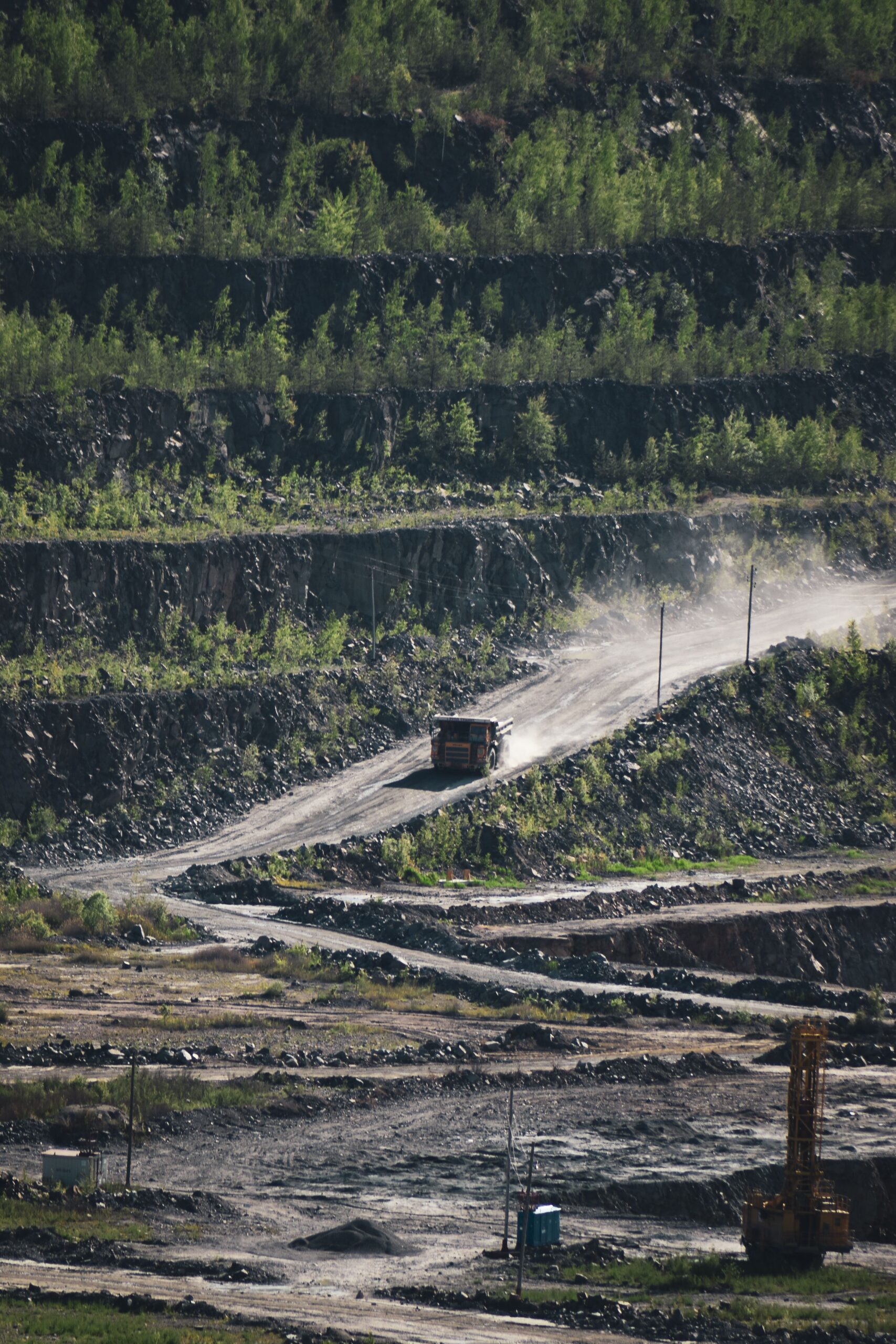
On fertilizers, potash is a significant mineral resource: world reserves exceed 3,600 million tonnes of K₂O, and Canada, Belarus and Russia hold close to 69% of world reserves and around 70% of production (USGS 2024). Poland, for its part, has become effectively the EU’s only producer of hard coal, at some 44 million tonnes in 2024 — close to 97% of EU output (Eurostat 2024). Other countries such as Germany and Poland also maintain significant reserves of coal and industrial minerals.
Beyond iron and potash, Europe’s subsoil supplies a wide range of raw materials. Greece and Hungary have a long tradition of extracting bauxite, the rock from which aluminum is obtained; Finland, Sweden and Poland produce copper, nickel, zinc and chromium; and the marble deposits of Italy, Greece and Portugal have supplied construction and sculpture for millennia. Growing demand for electric vehicles and batteries has also put rare earths and lithium at the center of Europe’s critical raw materials strategy, with projects under way in Sweden, Spain and France.
Energy resources: oil, gas and renewables
North Sea hydrocarbons are Western Europe’s energy jewel. Norway produced a record 124 billion Sm³ of gas sold in 2024, with total continental shelf production close to 240 million Sm³ of oil equivalent (Norwegian Offshore Directorate 2024). At the end of 2024, Norway still held remaining reserves of 1.26 trillion Sm³ of gas and 858 million Sm³ of oil, spread across 97 producing fields (Norwegian Offshore Directorate 2024). At continental scale, Russia holds the world’s largest proven natural gas reserves, around a quarter of the world total, though the exact figure varies considerably by source and methodology (EIA/OPEC, compiled 2024).
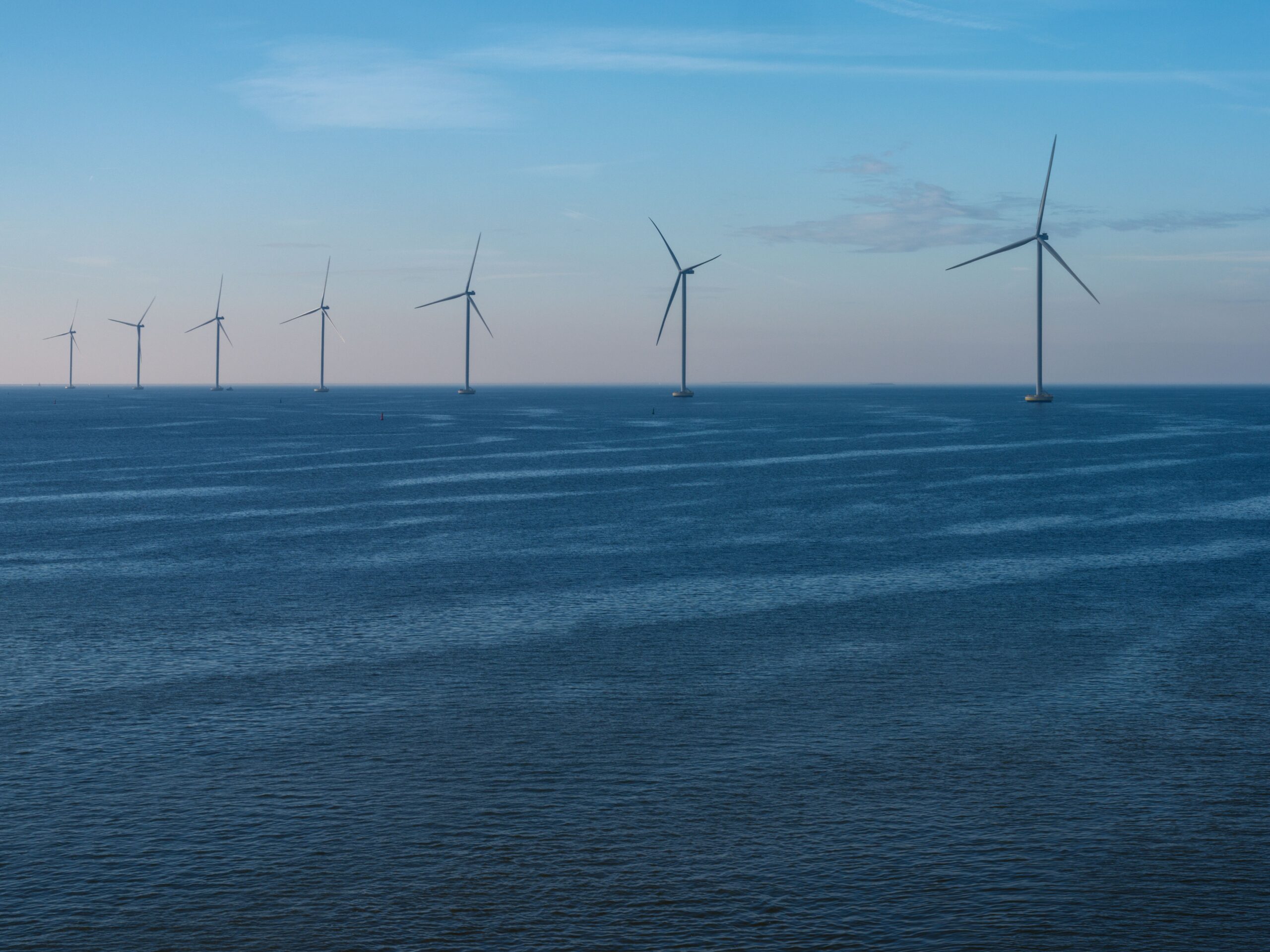
Renewables are gaining ground fast. In 2023, 24.5% of the European Union’s gross final energy consumption came from renewable sources, a share that rose to 25.2% in 2024 (Eurostat 2024). Leading the way are Sweden (66.4%), Finland (50.8%) and Denmark (44.9%), thanks to hydropower, biomass and offshore wind. Even so, the EU still depended on imports for 58% of its energy in 2023 (Eurostat 2023).
Forest resources
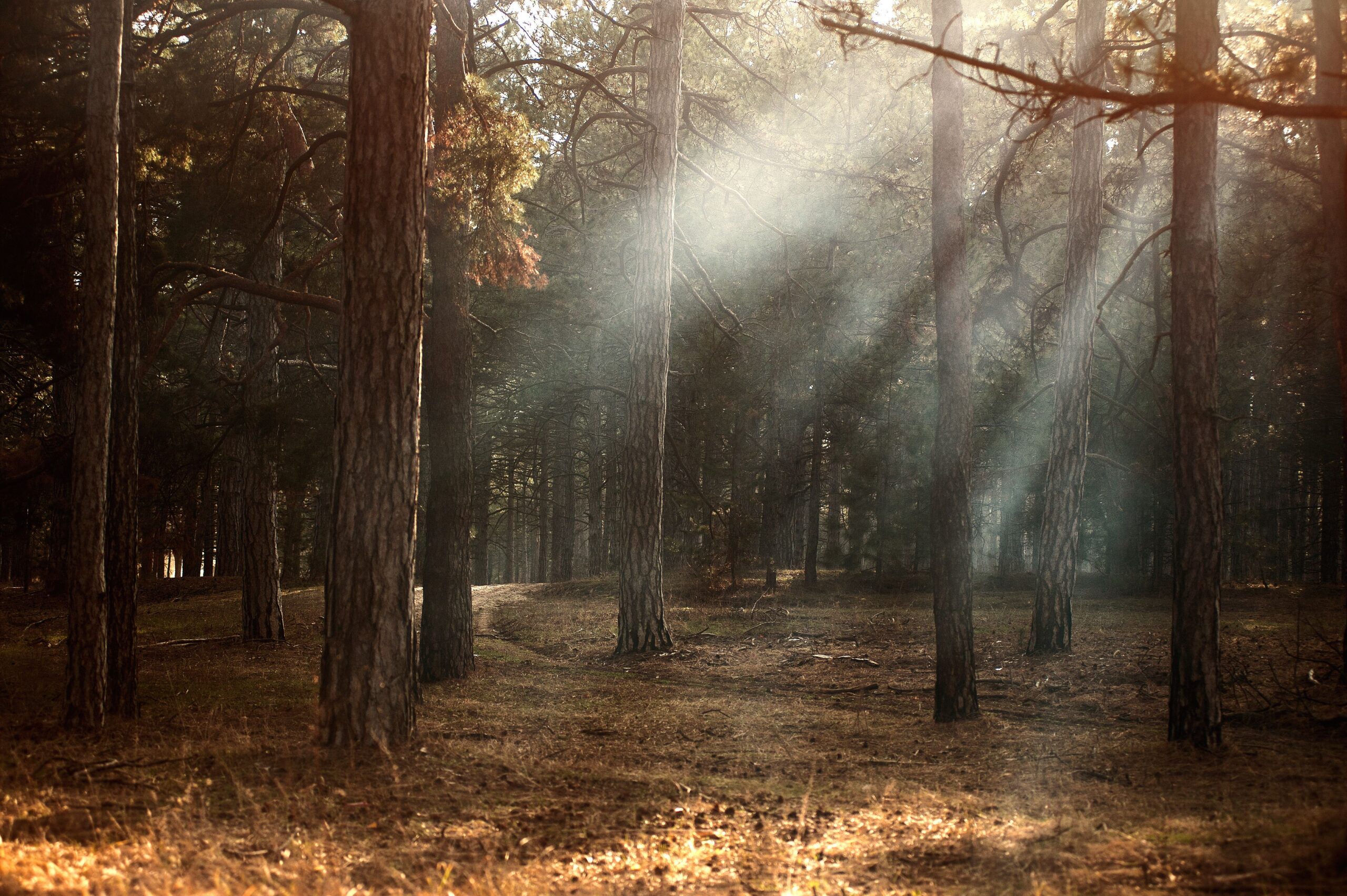
Forests are one of the continent’s great natural resources. Europe holds approximately 25% of the world’s forest area, the largest share of any region on the planet (FAO 2025). Russia has the largest national forest extent in the world, with more than 800 million hectares — close to a fifth of all the planet’s forests (Our World in Data 2024). These boreal and temperate forests sustain the timber industry in countries such as Sweden, Finland and Russia, as well as acting as carbon sinks central to European climate targets.
Water resources: rivers and fresh water
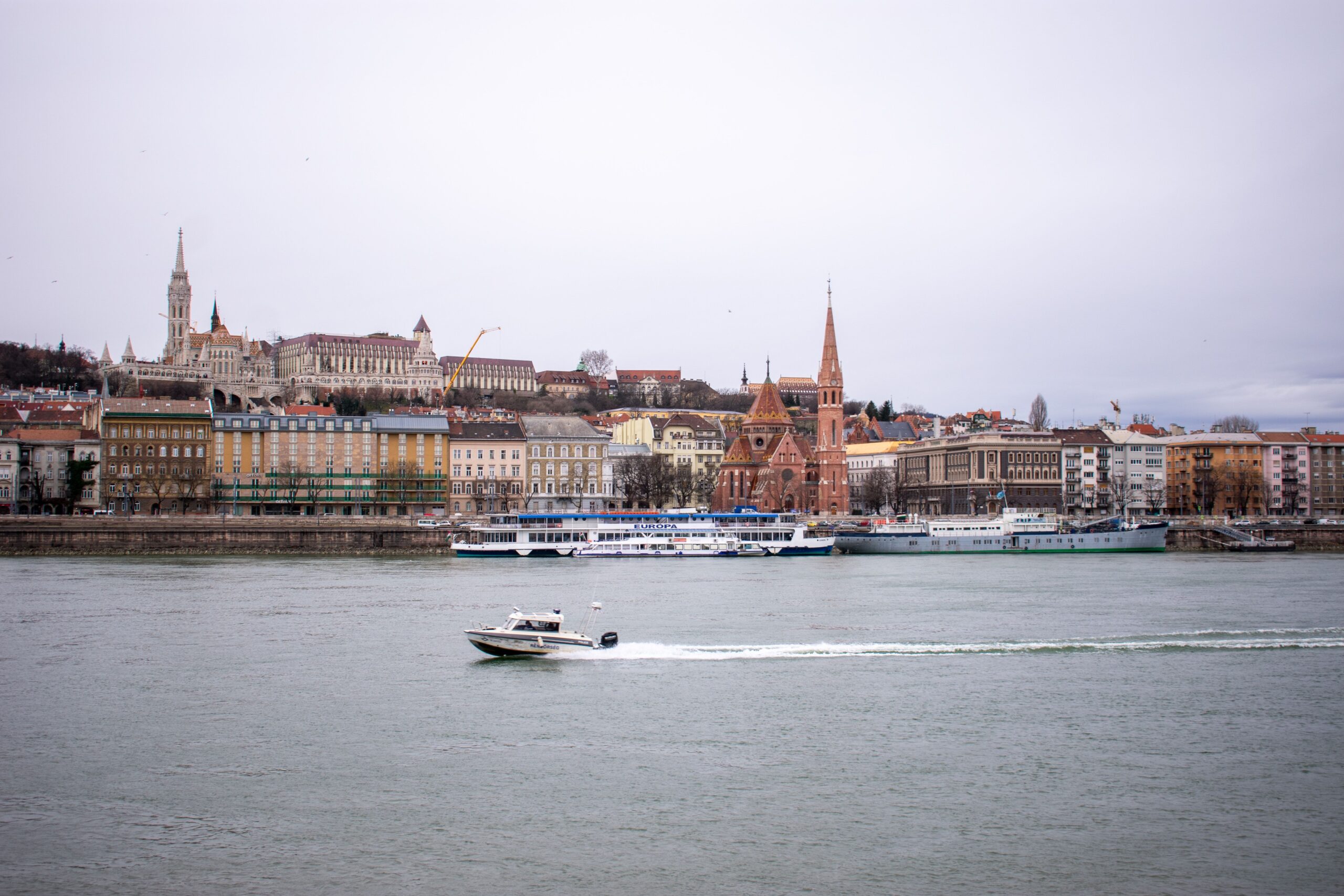
Europe is crossed by great rivers that have served for centuries as transport routes, sources of hydroelectric power and the basis of agriculture. The Volga, at 3,531 km, is Europe’s longest river and flows into the Caspian Sea (Britannica/Wikipedia). Next is the Danube, at 2,860 km, which crosses ten countries and connects central Europe with the Black Sea (Wikipedia 2024). These waterways supply water to Austria, Romania and Ukraine, among many others.
Biodiversity and protected areas
Europe combines the exploitation of its resources with one of the most ambitious conservation policies in the world. The Natura 2000 network comprises 27,165 sites covering 18.6% of the EU’s land territory and 10.5% of its marine waters, with a total area of 1,294,876 km² — the largest coordinated network of protected areas on the planet (European Environment Agency 2023). Adding national designations, protected areas together reach close to 26% of land territory and 12% of marine area (EEA 2023).
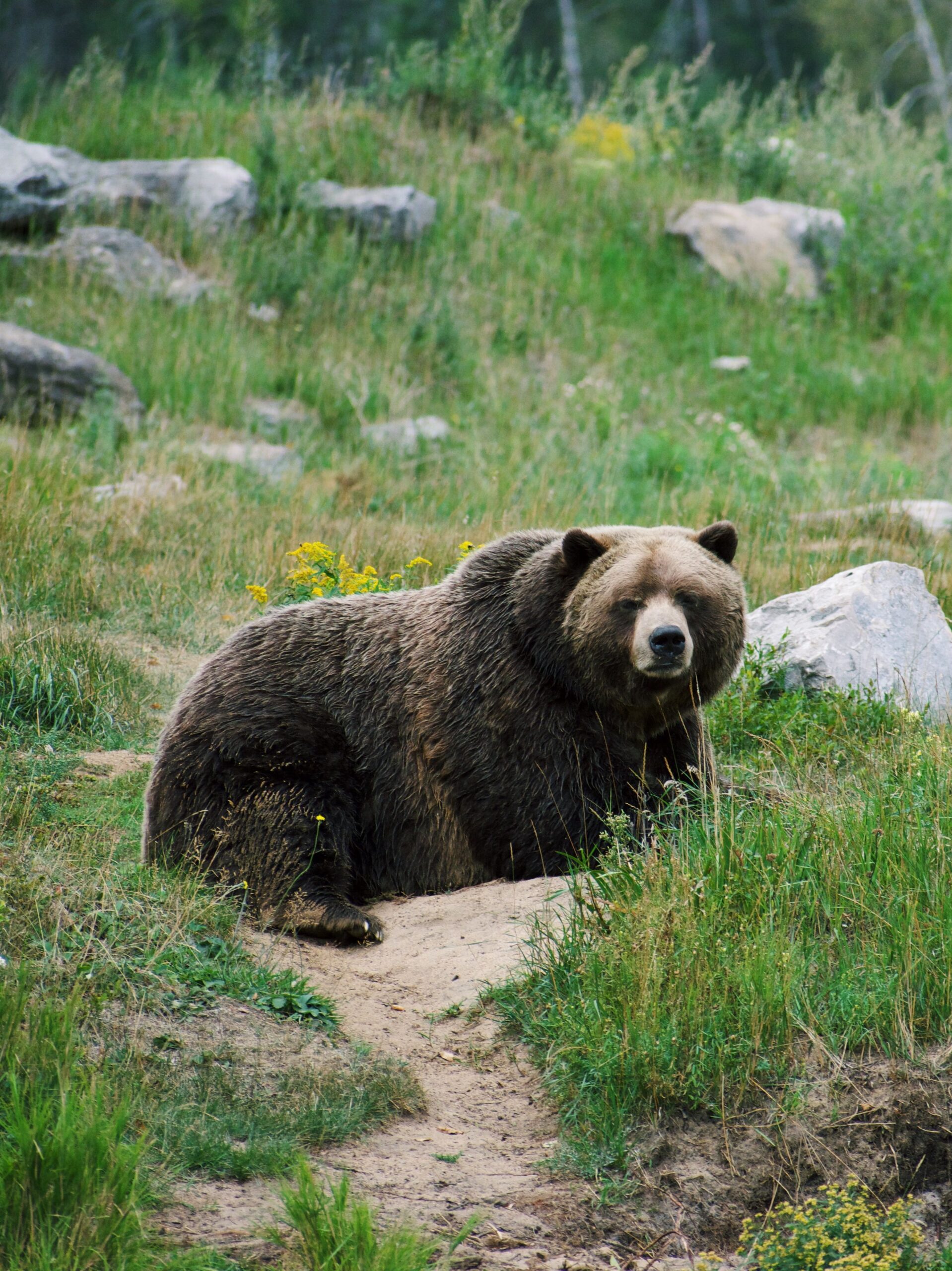
Even so, pressure on species is considerable. The European Red List, compiled with the IUCN, has assessed 15,060 species and estimates that around 19% of the European species assessed are threatened with extinction, with plants (27%) and invertebrates (24%) the most vulnerable groups (European Commission/IUCN 2023).
Economic importance and environmental challenges
Natural resources have historically been the engine of the European economy, but also its main weak point in security of supply. Despite its mineral wealth and North Sea hydrocarbons, the European Union remains a large net energy importer: it depended on imports for 58% of its consumption in 2023, a figure that had peaked at 62.5% in 2022 before the energy crisis accelerated supplier diversification and energy saving (Eurostat 2023). That vulnerability explains the strong push toward renewables and toward extracting critical raw materials within the continent itself.
The challenge is to balance using these resources with conserving them. The expansion of offshore wind, rare earth mining and forestry often collides with the biodiversity objectives of the Natura 2000 network and with the targets of the European Green Deal. The IUCN warns that close to 19% of the European species assessed are threatened (European Commission/IUCN 2023), which makes it essential to design extractive and energy projects that minimize the impact on sensitive habitats.
At the same time, renewable resources offer Europe a route to a more sustainable model. Forests act as carbon sinks, Alpine and Scandinavian rivers generate clean hydroelectricity, and the winds of the North Sea and the Baltic drive a rapidly expanding wind industry. Countries such as Norway, Sweden and Denmark show that it is possible to combine high living standards with a high share of renewable energy, setting the course for the rest of the continent.
Natural resources by country in Europe
Each European country contributes a unique combination of natural resources. We have analyzed the resources of the continent’s main countries in detail; explore each one for its minerals, energy, forests and biodiversity:
- Natural resources of Germany
- Natural resources of France
- Natural resources of Spain
- Natural resources of Italy
- Natural resources of the United Kingdom
- Natural resources of Russia
- Natural resources of Norway
- Natural resources of Sweden
- Natural resources of Poland
- Natural resources of Portugal
- Natural resources of the Netherlands
- Natural resources of Ukraine
- Natural resources of Greece
- Natural resources of Austria
- Natural resources of Switzerland
- Natural resources of Belgium
- Natural resources of Finland
- Natural resources of Romania
- Natural resources of Ireland
- Natural resources of Denmark
Sources used
- FAO — Global Forest Resources Assessment 2025
- Our World in Data — Forest area
- Eurostat — Renewable share in the EU
- Eurostat — Energy production and imports
- European Environment Agency — Natura 2000
- European Commission / IUCN — European Red List
- Norwegian Offshore Directorate — Gas production 2024
- USGS — Mineral Commodity Summaries 2024 (potash)
- LKAB — Rare earths at Kiruna
- List of rivers of Europe
Europe’s natural resources reflect a continent that has learned to use its mineral, energy and forest wealth while deploying the largest conservation network in the world. Understanding where Swedish iron, Norwegian gas and Russian forests come from — and how European biodiversity is protected — is essential to moving toward a genuinely sustainable model of development. Explore the country links to go deeper into each case.
Related articles
Organizations that protect or study Europe’s natural resources
- European Environment Agency (EEA): the EU agency providing data and assessments on Europe’s environment.
- European Commission – Environment: the EU directorate that shapes European environmental and biodiversity policy.
- IUCN – Regional Office for Europe: international union conserving European biodiversity and natural resources.
- WWF European Policy Office: international organization driving nature conservation in Europe.
- BirdLife Europe & Central Asia: partnership protecting birds and natural habitats across Europe.
- UNEP – Regional Office for Europe: the UN programme coordinating environmental action in the European region.
Last updated: September 26, 2026
Leave a Reply