

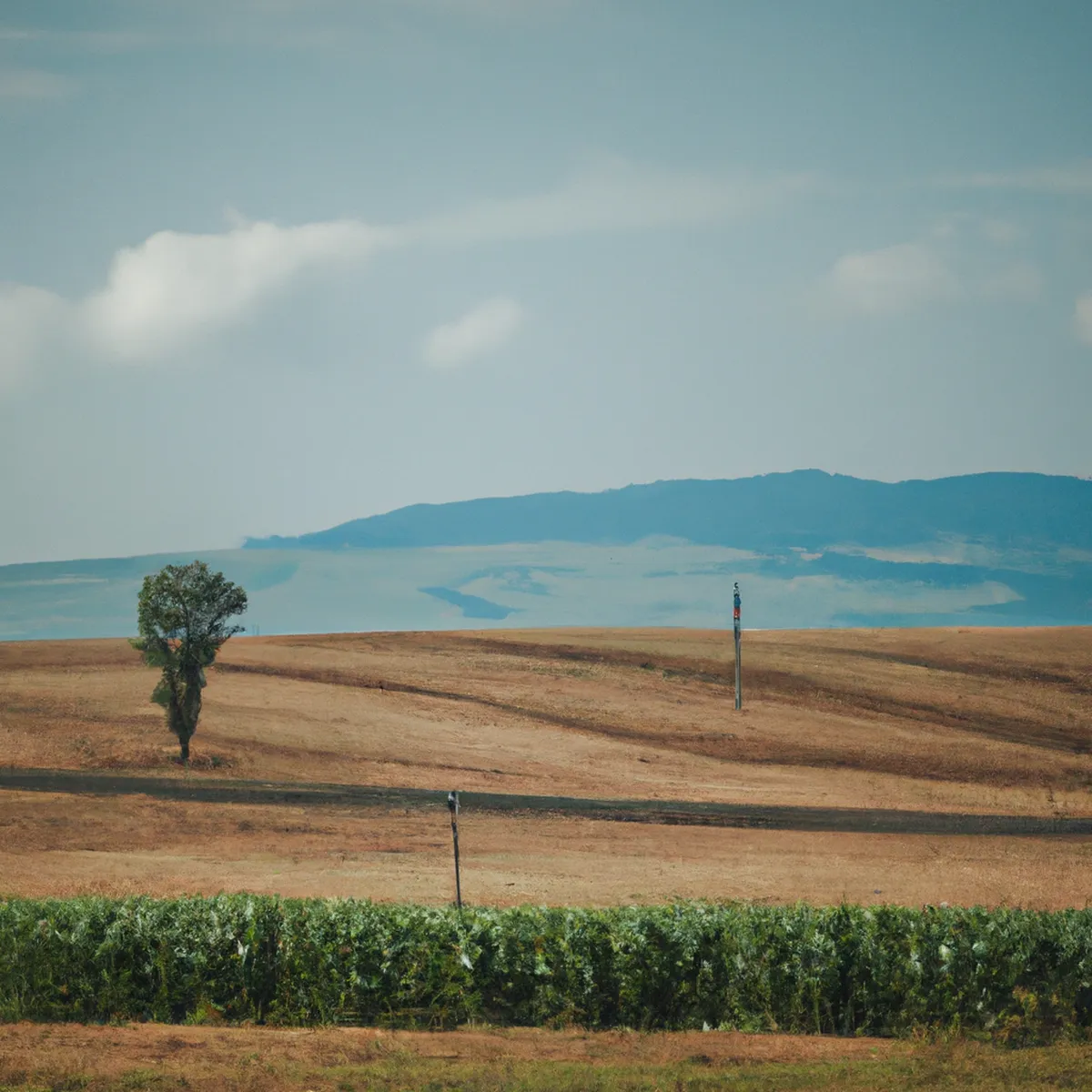
Romania’s natural resources combine oil, gas, coal, aluminum, forests and abundant freshwater. What are Romania’s most important natural resources? The country has 217.1 km³ of renewable freshwater resources and forest cover of 30.12%, and it produced 15 million tonnes of coal in 2020. It is also home to 364 bird species and 3,515 vascular plant species.
Romania is a country in southeastern Europe with an area of 238,391 km². It has a wide variety of natural resources, most notably forests, rivers, mineral deposits and arable land.
Table de contenidos
The country’s biodiversity is exceptional, with numerous endemic species and a wide variety of natural habitats. The sustainable use of Romania’s natural resources is essential to the country’s economic development and to the conservation of its natural heritage.
What are Romania’s main natural resources? What makes up the country’s natural wealth? Where does it stand in the world rankings for mineral resources? How much water is available, and which resources are used to generate energy?
Natural resources
Natural resources are materials or energy sources provided by or found on Earth that are useful to humans. Every product we manufacture is made up of natural resources.
- Renewable resources: these can be restored by natural processes faster than the rate at which they are consumed. Examples include solar radiation, wind, hydroelectric power, water when used properly, and plant and animal life.
- Non-renewable resources: once extracted, these are depleted and cannot regenerate. Examples include hydrocarbons, metals and minerals.
Examples of Romania’s main natural resources
What Romania’s land produces
Natural resource rents, fisheries and agricultural land use, along with the state of conservation.
| Natural resource rents | 1.1% of GDP2021 |
|---|---|
| Capture fisheries | 5,758 t per year2024 |
| Agricultural land | 55.3% of land area2023 |
| Arable land | 36.5% of land area2023 |
| Forest cover | 30.1% of land area2023 |
| Protected land area | 24.6% of land area2025 |
Oil and gas resources in Romania
Romania produced 59,230 barrels of oil per day in 2023, a figure that has been falling steadily, according to The Global Economy. The country also has oil reserves of 600,000,000 barrels, which places it around 45th in the world ranking of oil reserves, according to Worldometer (2025).
Romania is also a mid-sized gas producer, with output of about 9.3 billion cubic meters in 2025 (OPEC Annual Statistical Bulletin 2026), which comes mainly from small fields.
Examples of Romania’s mineral resources
Romania produced 15 million tonnes of coal in 2020, placing it 19th in the world ranking. It also had coal reserves of 320,772,210 tonnes in 2016. Romania’s main coal-producing region is the Jiu Valley basin, in the southwest of the country.
In 2019, Romania produced a total of 283 thousand tonnes of aluminum, placing it 25th in the world ranking. The country’s main aluminum-producing center is the city of Slatina, in the south of the country.
Water resources of Romania
Romania has 217.1 km³ of renewable freshwater resources, which placed it 34th in the world ranking of water reserves in 2020. This European country is fortunate to have a great deal of freshwater, thanks above all to the Danube, which flows some 1,075 km through or along Romanian territory, and the Olt, the longest river entirely within the country; its largest lake is Lake Razelm (Razim), a lagoon south of the Danube Delta.

Average rainfall and soils of Romania
Romania has an average annual rainfall of 637 mm, which places it 106th in the world for this climate factor. Thanks to this moisture, the country’s soils are mostly fertile and suitable for agriculture, although they can also suffer from erosion and landslides in areas with steep slopes.
Renewable electricity and hydropower production in Romania
In 2025, Romania generated 23.4 TWh of electricity from renewable sources — 47% of its total generation of 49.8 TWh — and hydropower alone supplied 12.1 TWh (Ember, 2025). The country’s largest hydroelectric plant is Iron Gates I (Porțile de Fier I), on the Danube.

The plant is shared with Serbia; its Romanian side has an installed capacity of about 1,166 MW (six 194.3 MW units), and the complex is one of the largest hydroelectric plants in Europe.
Forest resources of Romania
Romania is one of Europe’s major forest regions, with a forest area of 69,290.5 km², or 30.12% of its land area. This natural resource is vital to the country’s economy, as it provides timber and other forest products.
Romania ranks 59th in the world for forest area, which shows the importance of its forest wealth.
Environmental performance and protection of Romania’s natural resources
Romania scored 57.3 on the Environmental Performance Index (2024), ranking 33rd, according to the Yale EPI 2024. Terrestrial and marine protected areas also make up 24.36% of the country’s total territorial area.
Natural parks of Romania: the hidden wealth of natural resources
Biodiversity: animal and plant resources of Romania
Birds of Romania
Romania has a rich diversity of birds, with a total of 364 species according to the most recent count (2023) by Mongabay. Although it had no endemic bird species in 2020, the country is home to a wide variety of species, most notably the golden eagle.
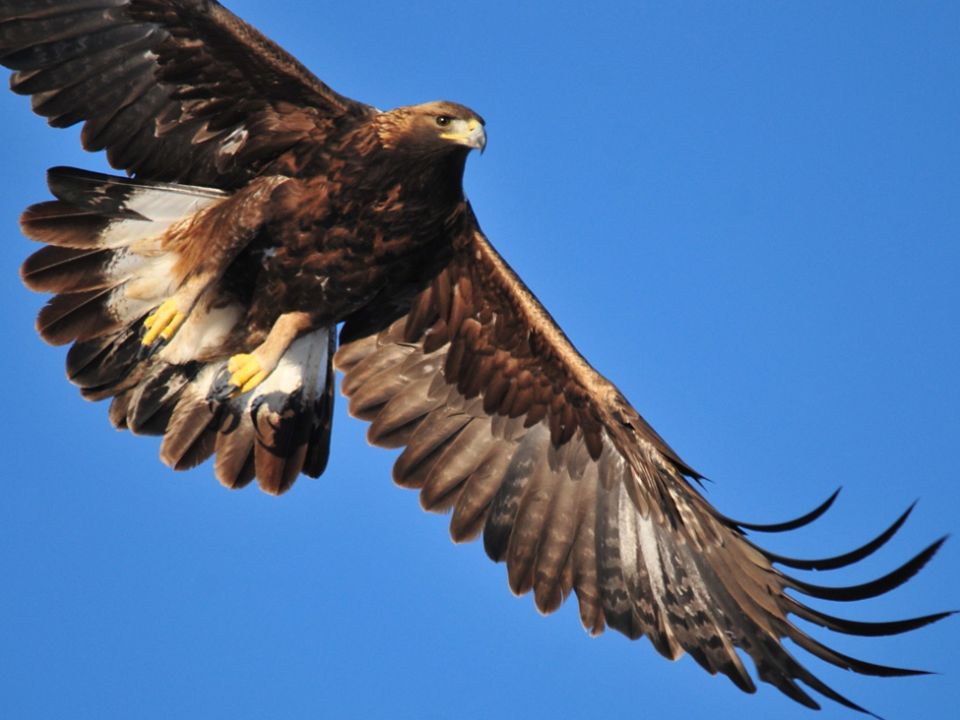
However, it also faces the threat of extinction of 17 bird species.
Fish and amphibians of Romania
Romania has rich biodiversity, with a total of 20 amphibian species and 213 fish species according to the most recent count (2023) by Mongabay. Globally, it ranks 77th for number of amphibian species and 171st for number of fish species. The most notable are the common frog and the common carp, respectively.
However, 22 fish species are threatened in the country.
Mammals of Romania
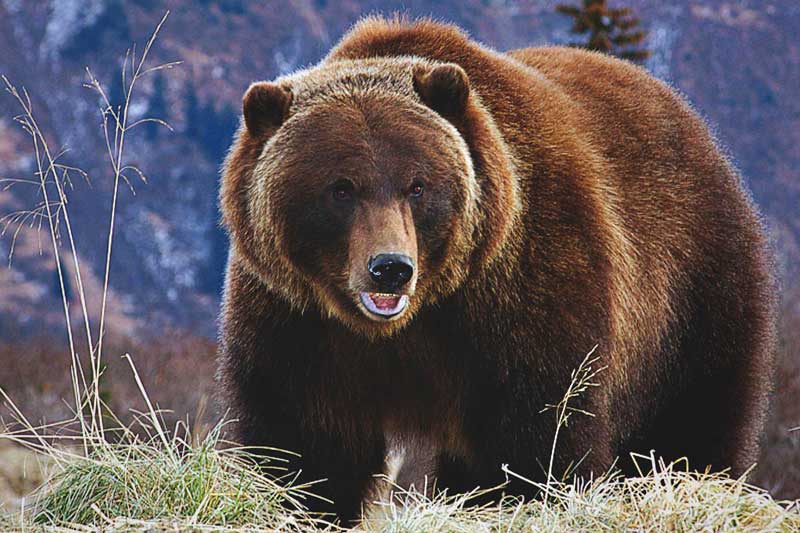
Romania has a great diversity of mammals, including 9 threatened species. The country also has 2 endemic mammals.
The conservation of these species is invaluable for the country’s biodiversity; the brown bear stands out among them.
Reptiles of Romania
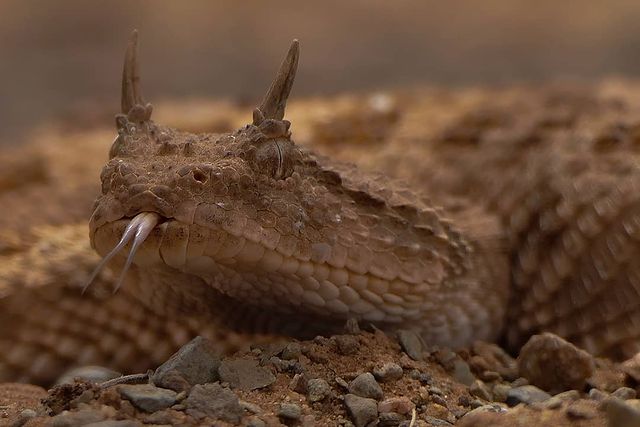
Romania has 27 reptile species according to the most recent count (2023) by Mongabay. This natural resource is very important for the country, and the nose-horned viper is the most common reptile species in the region.
Plants of Romania
Romania has a great diversity of vascular plants, with a total of 3,515 species recorded in 2020, placing it 60th in the world. Among the most notable species is the Carpathian bellflower, a plant endemic to the Carpathians known for its beautiful blue flowers.

Organizations that protect or study Romania’s natural resources
- WWF Romania – Protects biodiversity and promotes sustainability in Romania.
- Greenpeace Romania – Fights pollution and climate change in Romania.
- Ecopolis – Promotes environmental justice and sustainability in Romania.
- Friends of the Earth Europe – Works with local organizations to protect the environment in Romania and across Europe.
The Neptun Deep field, in the Romanian sector of the Black Sea about 160 km offshore, holds some 100,000 million cubic meters of recoverable natural gas, a volume that will make Romania the largest gas producer in the European Union once extraction begins in 2027 (OMV Petrom, n.d.).
Oil and gas: from Ploiești to Neptun Deep
Romania’s relationship with hydrocarbons goes back a long way: in 1857 the country opened the world’s first industrial oil refinery, in Ploiești (Wikipedia, based on energy industry sources). Neptun Deep, operated in equal shares by OMV Petrom and Romgaz, carries that history offshore: its ten wells are expected to produce about 8,000 million cubic meters of gas a year for around a decade (Offshore Technology, 2024).
The gold of Roșia Montană
The Roșia Montană gold deposit, in the Western Carpathians, is among the largest in Europe. A geological survey in 2000 estimated about 330 tonnes of gold and 1,600 tonnes of silver in the mountains around the village (Wikipedia, citing the Gabriel Resources study). In 2021 UNESCO inscribed the mining landscape, with its two-thousand-year-old Roman galleries, on its World Heritage List and, at the same time, on the List of World Heritage in Danger, which halted the open-pit mine project that had planned to process more than 200 million tonnes of rock.
Sunflower: the EU’s top producer
The fertile plains of the south and east make Romania the largest producer of sunflower seed in the European Union. For the 2025/26 season, a harvest of 2.2 million tonnes is projected, 50% more than the previous year, which puts the country back at the top of the bloc (Biofuels International, 2025).
Sources used
- List of countries by mineral production – Wikipedia
- Economic data by country – The Global Economy
- Forest area (km²) – World Bank
- Forest area (% of land area) – World Bank
- Oil reserves – The Global Economy
- Coal reserves – Worldometers
- Water and agriculture statistics – FAO
- Precipitation (mm) – World Bank
- Environmental Performance Index – Environmental Performance Index
- Bird species – Mongabay
- Amphibian species by country – Mongabay
- Mammal species – Mongabay
- Endemic mammal species – Our World in Data
- Plant species – Mongabay
- Reptile species by country – Mongabay
- Endemic bird species by country – Our World in Data
The World Bank noted in 2023 that Romania has the largest natural gas resources in the European Union and is developing extraction projects in the Black Sea.
Last updated: September 26, 2026
Leave a Reply