

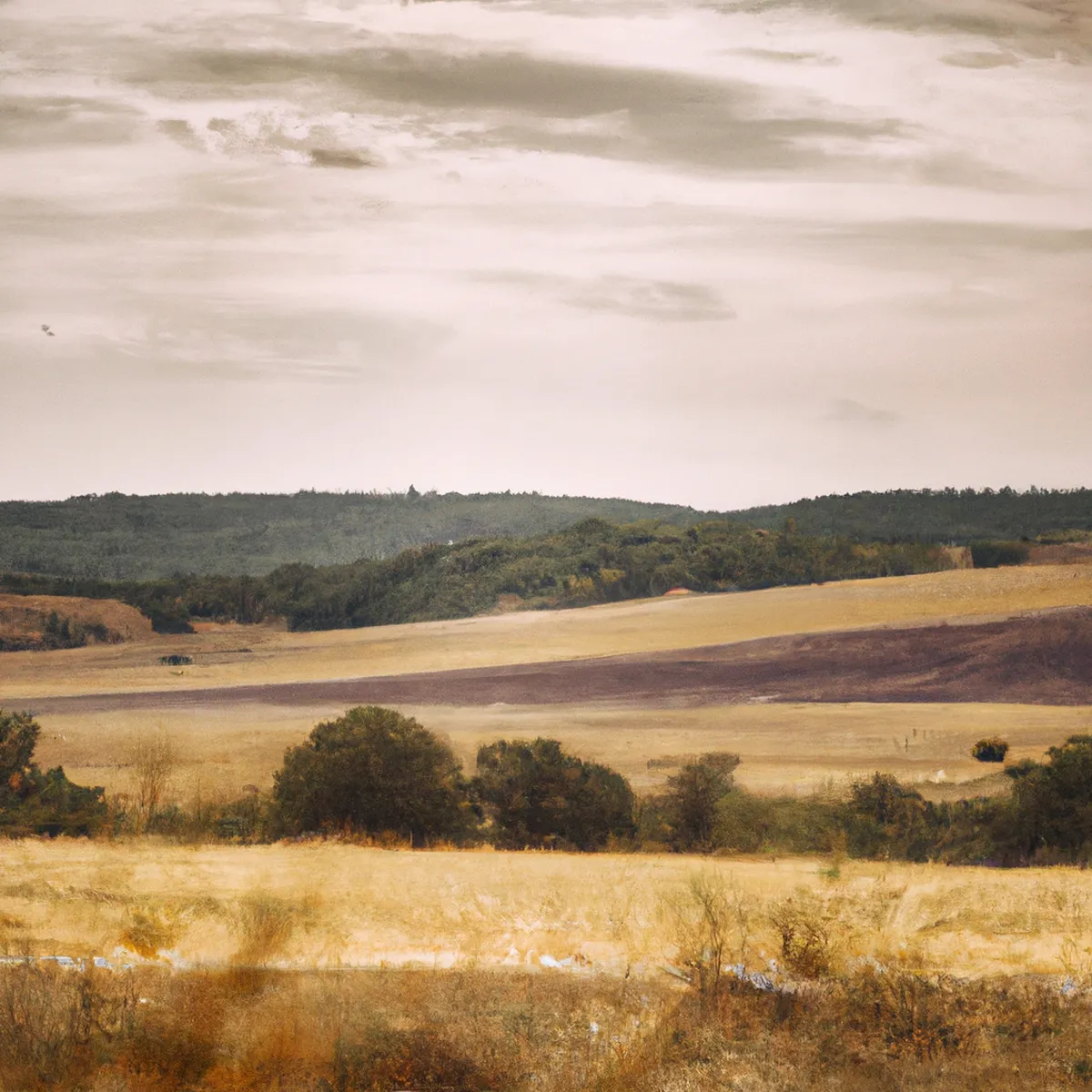
Moldova’s natural resources are based on its rivers, fertile soils and forests. What are Moldova’s most notable natural resources? The Dniester and Prut rivers support 11.65 km³ of renewable freshwater resources, fertile black chernozem soils favor agriculture, and forests cover 11.75% of the territory. The country has recorded 241 bird species, and the Codrii forest is its main forest region.
Moldova, a country in Eastern Europe, has a wide variety of natural resources, ranging from forests and rivers to mineral deposits. Its geographic location in the Dniester River basin, its continental climate and its varied topography have created a unique ecosystem.
Table de contenidos
Its rich biodiversity includes endemic species and a significant population of migratory birds. The sustainable use of Moldova’s natural resources is essential for the country’s economic development and the preservation of its natural heritage.
What are Moldova’s most notable natural resources? What does the country’s natural wealth consist of? How much water and how many energy resources does it have?
Natural resources
Natural resources are materials or energy sources provided by or found on Earth that are useful to humans. Every product we manufacture is made up of natural resources.
- Renewable resources: these can be restored by natural processes faster than the rate at which they are consumed. Examples include solar radiation, wind, hydroelectric power, water when used properly, and plant and animal life.
- Non-renewable resources: once extracted, these are depleted and cannot regenerate. Examples include hydrocarbons, metals and minerals.
Examples of Moldova’s main natural resources
Moldova in figures: land and conservation
Land area, land use and protected areas, with their reference year.
| Land area | 32,930 km²2023 |
|---|---|
| Protected land area | 11.5% of land area2025 |
| Forest cover | 11.7% of land area2023 |
| Agricultural land | 74.1% of land area2023 |
| Threatened species | 28 mammals, birds, fish and plants2022 |
Water resources of Moldova
Moldova has 11.65 km³ of renewable freshwater resources, which placed it 123rd in the world ranking of water reserves in 2020. This European country has important water sources, chiefly the Dniester (Nistru) and Prut rivers, along with reservoirs such as Costești-Stânca and Lake Beleu.
Average rainfall and soils of Moldova
Moldova has an average annual rainfall of 450 mm, which places it 128th in the world ranking for average annual precipitation. Its soils are mostly fertile black chernozems, rich in nutrients, which makes them ideal for agriculture.
Renewable electricity and hydropower production in Moldova
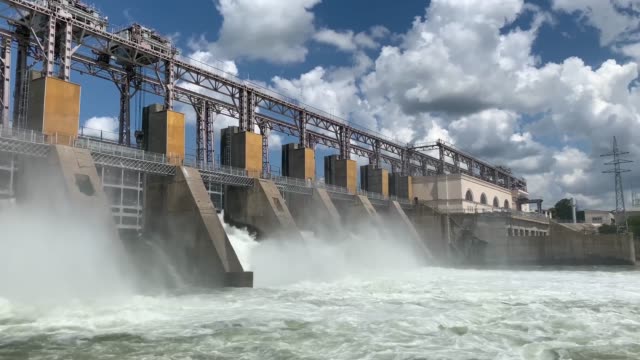
In 2025, Moldova generated 830 GWh of electricity from renewable sources — 29% of its total generation of 2.9 TWh — and hydropower supplied 350 GWh (Ember, 2025). The country’s main hydroelectric plant is the Dubăsari Hydroelectric Power Station on the Dniester River, in the breakaway region of Transnistria, with an installed capacity of 48 MW (Dubăsari Dam).
Forest resources of Moldova
Moldova’s forest area covers 11.75% of its territory, equivalent to 3,865 km².
Moldova’s main forest region is the Codrii forest, which covers a large part of the center of the country.
Environmental performance and protection of Moldova’s natural resources
Moldova scores 46.1 on the Environmental Performance Index (2024), ranking 86th (Yale EPI 2024). Protected areas also cover 11.5% of its land area (World Bank, 2025).
Natural parks of Moldova: the hidden wealth of natural resources
Biodiversity: animal and plant resources of Moldova
Birds of Moldova
Moldova has a total of 241 recorded bird species (Mongabay/WorldRainforests). However, 11 of these species are endangered.
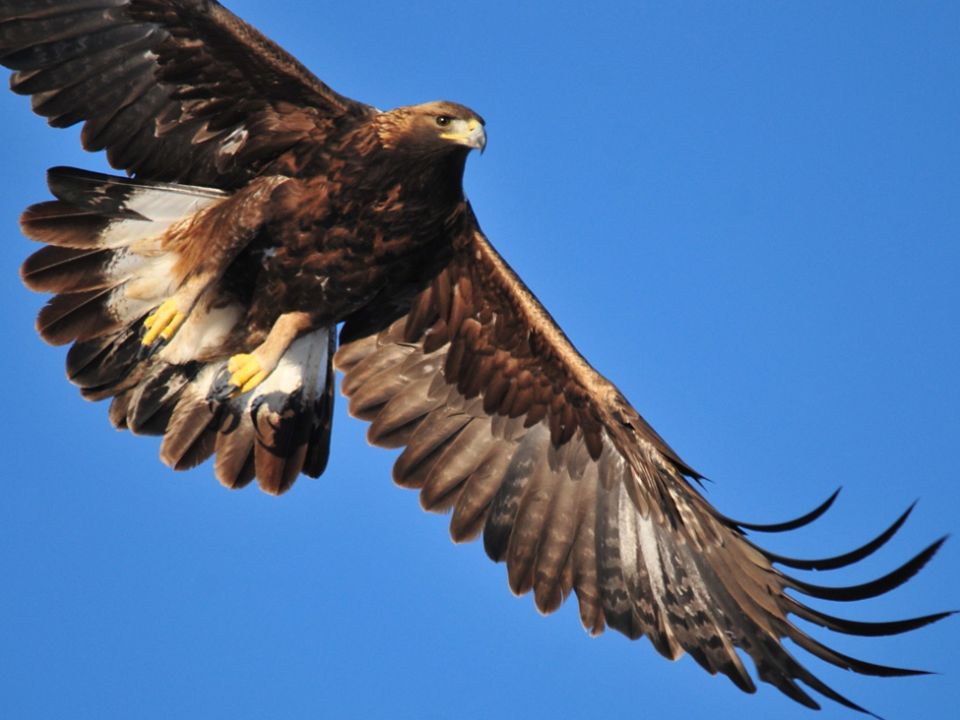
Among the birds recorded in Moldova is the golden eagle, although it is rare in the country. Whatever its position in the world ranking for number of bird species, Moldova is an ideal destination for birdwatchers and nature lovers in general.
Fish and amphibians of Moldova
Moldova has a rich diversity of amphibian and fish species, with a total of 14 and 65 respectively (Mongabay/WorldRainforests). It ranks 85th in the world for number of amphibian species and 206th for number of fish species.
However, 8 fish species are threatened in the country.
Reptiles of Moldova
Moldova has 15 reptile species (Mongabay/WorldRainforests), ranking 129th in the world. A notable species is the European green lizard, which is endangered because of the degradation of its natural habitat.
Moldova’s greatest resource fits in a bottle: the underground cellars of Mileștii Mici hold more than 1.5 million bottles, the largest wine collection in the world according to the Guinness record set in 2005, spread across 55 km of galleries dug into old limestone mines (Guinness World Records, 2005). Behind that record is a country whose real wealth lies in its soil, not beneath it.
Chernozem: the most fertile black soil on the planet
Black soils, or chernozem (among the most fertile in existence), cover about 75% of Moldova’s territory. Agricultural land totals 2.5 million hectares, also 75% of the country, of which 1.85 million are arable and 0.27 million are perennial plantations (Invest Moldova, 2023). Very few countries can match this proportion of arable land.
Vineyards and wine: the crop that defines exports
That land supports one of the highest vineyard densities in the world: some 148,500 hectares are planted, of which 107,800 are used for commercial production (Wikipedia, “Moldovan wine”, with data from the wine sector). In 2023, Moldova exported 123 million liters of wine and divin (brandy) worth $192.1 million, 24% more than in 2022 by value (InfoMarket, 2024).
Energy: the resource Moldova lacks
Energy is where the contrast comes in. Moldova imports about 75% of all the energy it consumes, around 80% of its electricity and 100% of its natural gas (International Energy Agency, 2022). This near-total dependence makes energy one of the country’s scarcest, and most strategic, resources.
Sources used
- Forest area (km²) – World Bank
- Forest area (% of land area) – World Bank
- Water and agriculture statistics – FAO
- Precipitation (mm) – World Bank
- Environmental Performance Index – Environmental Performance Index
- Bird species – Mongabay
- Amphibian species by country – Mongabay
- Plant species – Mongabay
- Reptile species by country – Mongabay
- Endemic bird species by country – Our World in Data
The World Bank noted in 2023 that Moldova is one of the most energy-import-dependent countries in Europe, with natural gas accounting for most of its energy consumption.
Organizations that protect or study Moldova’s natural resources
- Ministry of Environment of the Republic of Moldova: National ministry that leads Moldova’s environmental and natural resources policy.
- Environment Agency of Moldova (Agenția de Mediu): State agency that implements environmental protection and manages the country’s biodiversity.
- Moldsilva Agency (state forestry): State forestry authority responsible for forests, forestry, hunting and wildlife.
- Institute of Ecology and Geography: National scientific institute dedicated to research on ecology and the environment.
- BIOTICA Ecological Society: National NGO dedicated to conserving Moldova’s biodiversity and ecosystems.
Last updated: September 26, 2026
Leave a Reply