


Switzerland’s natural resources center on abundant freshwater, extensive alpine forests, and hydroelectric energy, which generated 34.0 TWh in 2025 (Ember) and makes the nation a renewable electricity leader. What are Switzerland’s most important natural resources? Glacial river systems such as the Rhine and Rhône and major hydro facilities like Grande Dixence anchor an environmental framework that ranks 9th globally on the 2024 Environmental Performance Index.
Switzerland, situated in the heart of Europe, is renowned for its iconic alpine landscapes, precision manufacturing, and highly developed economy. However, its underlying natural endowments are equally fundamental to its sustained prosperity.
Table de contenidos
From towering alpine forests and productive pastoral lands to glaciated valleys and crystal-clear lakes, Switzerland’s natural capital is both diverse and strategically managed. Careful stewardship and strict spatial planning have enabled the Swiss Confederation to build a prosperous low-carbon economy while safeguarding fragile mountain ecosystems.
What are the key natural resources of Switzerland? What constitutes its natural wealth? Which minerals does the country possess, and how does it rank internationally? How much freshwater does it store, how does it generate clean power, and what wildlife and plant species thrive across its territory?
To examine how Switzerland’s ecological balance compares across the continent, explore our regional synthesis of Europe’s natural resources and our global directory of natural resources by country.
Natural Resources
Natural resources are materials and energy flows provided by the Earth that sustain human civilization and economic activity. Every manufactured product and infrastructure network originates from these foundational natural endowments.
- Renewable resources: Can regenerate through natural ecological or planetary cycles faster than they are consumed. Examples include solar radiation, wind currents, hydroelectric water flows, sustainable forestry, and diverse flora and fauna.
- Non-renewable resources: Formed over geological epochs, these finite stocks deplete irreversibly upon extraction. Primary examples include fossil hydrocarbons, coal, and industrial metallic mineral resources.
Examples of Switzerland’s Main Natural Resources
The Economic Value of Switzerland’s Subsoil
Economic share of natural capital and territory conservation status.
| Natural resource rents | 0.0 % of GDP2021 |
|---|---|
| Forest cover | 32.4 % of land area2023 |
| Protected terrestrial area | 12.5 % of territory2025 |
| Land area | 39,510 km²2023 |
| Resource | Reserves / Production | Source |
|---|---|---|
| Freshwater | 53.5 km³ (2020); 80th globally | FAO AQUASTAT |
| Precipitation | 1,537 mm/year; 47th globally | World Bank |
| Electricity generation | 65.0 TWh in 2025 (34.0 TWh hydropower) | Ember |
| Forests | 32.38% (12,794 km², 2023); 110th globally | World Bank |
| Environmental performance | 9th globally on the EPI (2024) | Yale University EPI |
| Natural gas | No domestic production | Energy Institute |
Natural Gas Resources in Switzerland
Switzerland has no domestic natural gas production, so it relies entirely on imports and regional pipeline networks.
Water Resources of Switzerland
Switzerland holds an estimated total renewable potable freshwater reserve of 53.5 km³, ranking 80th globally in 2020 according to the FAO. Often celebrated as the “Water Tower of Europe,” this alpine nation harbors vast glaciated headwaters, including the origins of two continental rivers—the Rhine and the Rhône—as well as Western Europe’s largest body of freshwater, Lake Geneva (Lac Léman). To understand how global freshwater cycles operate, read our comprehensive overview of water resources.
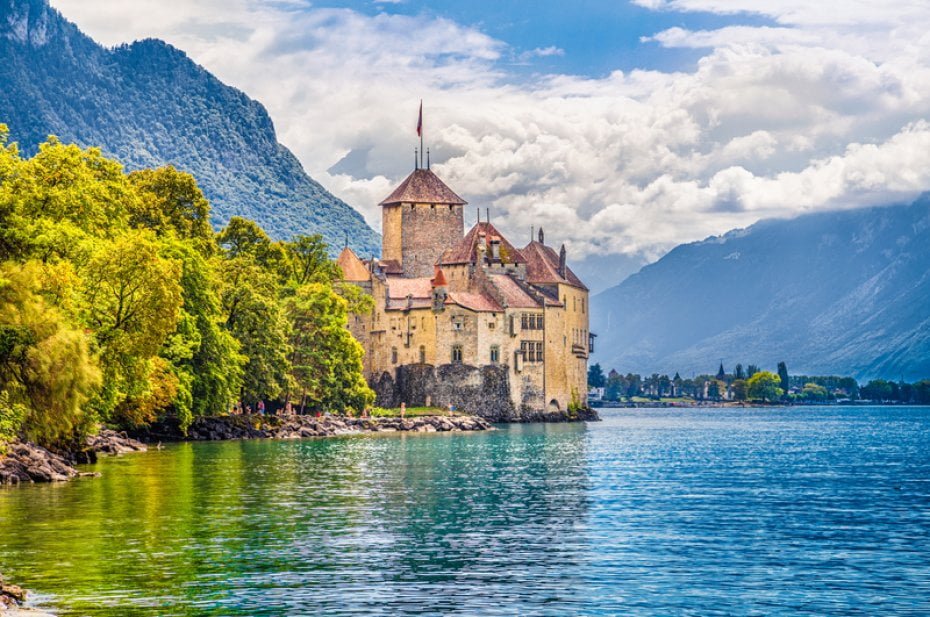
Average Rainfall and Soils of Switzerland
Switzerland receives an average annual precipitation of 1,537 mm, placing it 47th globally. Abundant snowfall across the Alps combined with frequent seasonal rain keeps Swiss soils well moisturized and deeply influences their physical and biological characteristics.
Swiss soils are typically nutrient-dense, yet their moisture profiles differ considerably across elevations. In humid high-altitude zones across the Alps, soils have higher clay fractions with elevated water retention capacity, whereas sheltered valleys like the Rhône Valley feature coarser, sandier, and highly permeable gravel soils.
Renewable Electricity and Hydropower Production in Switzerland
Switzerland is an international benchmark for renewable power generation: in 2025 it generated 44.1 TWh of renewable electricity — 68% of its total generation of 65.0 TWh — and hydropower, the foundation of this system, supplied 34.0 TWh (Ember). Flagship facilities such as the Grande Dixence Dam produce up to 2,000 GWh per year. To examine comparative renewable matrices, see our guide on energy resources.
This immense hydroelectric capability provides dispatchable, zero-emission electricity that fulfills seasonal domestic demand while providing crucial pumped-storage grid balancing services for neighboring European power markets.
Forest Resources of Switzerland
Switzerland contains vital forest biomes concentrated across the Jura Mountains and the Swiss Alps, covering 32.38% of its national land area (equivalent to 12,794 km² as of 2023, according to World Bank data). Globally, Switzerland ranks 110th in absolute forest surface area. For a broader analysis of global silviculture, read our guide to forest resources.
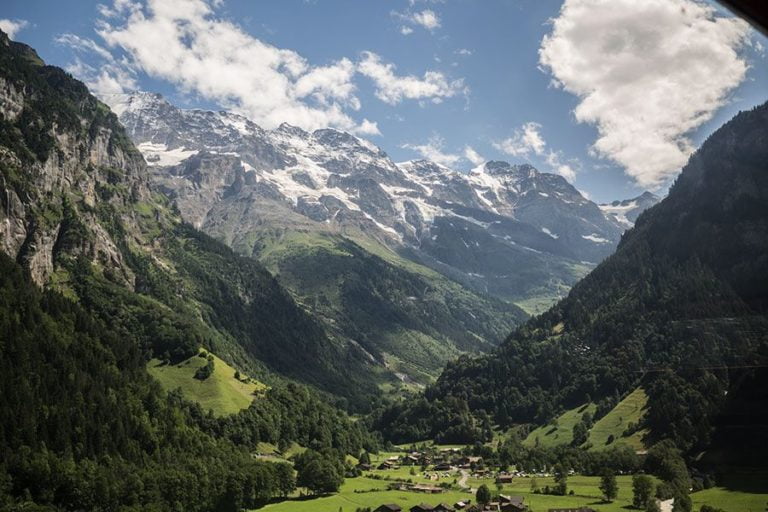
Swiss mountain forests fulfill essential protection functions (Schutzwald), preventing avalanches, stabilizing slopes against landslides, regulating microclimates, and sequestering carbon while supplying commercial timber under certified sustainable yields.
Environmental Performance and Protection of Switzerland’s Natural Resources
On the 2024 Environmental Performance Index (EPI) developed by Yale and Columbia universities, Switzerland achieved a score of 67.8, ranking 9th out of 180 countries. Protected terrestrial and aquatic areas encompass 12.13% of its total surface area, demonstrating a strong legislative framework for ecological preservation. For complete rankings, consult the official Yale EPI 2024 profile.
Natural Parks of Switzerland: The Hidden Wealth of Natural Resources
Biodiversity: Animal and Plant Resources of Switzerland
Birds of Switzerland
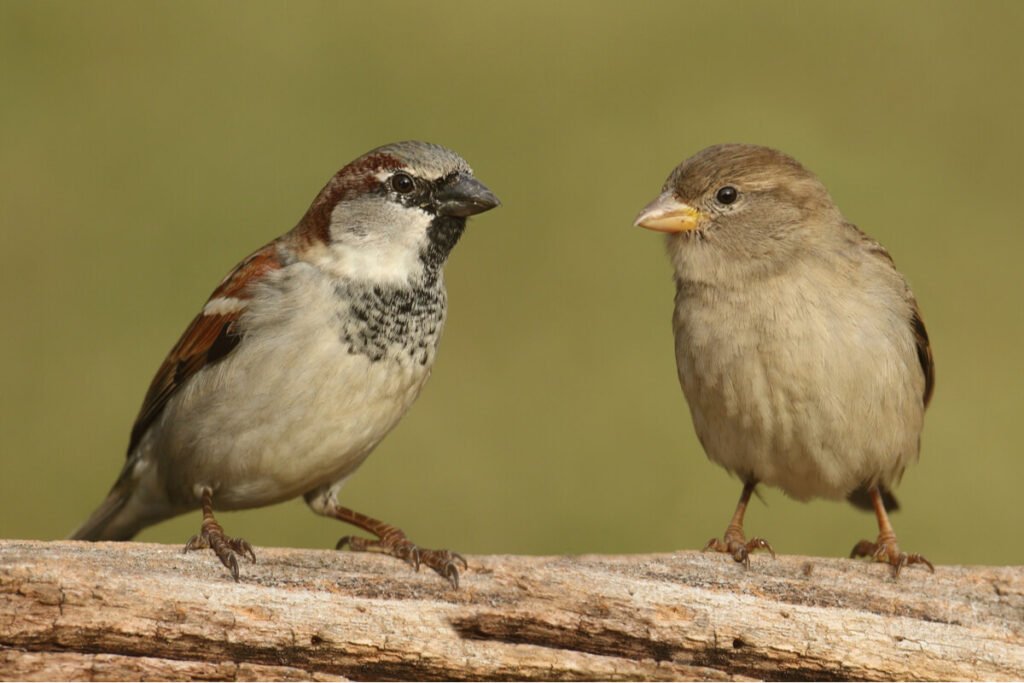
Switzerland supports rich avian diversity, with 384 species recorded. While the territory harbors no strictly endemic bird species due to interconnected alpine corridors, common species like the house sparrow (Passer domesticus) remain widespread across lower elevations.
However, habitat fragmentation and land-use intensification threaten 9 bird species with regional extinction, driving active conservation programs.
Fish and Amphibians of Switzerland
Switzerland hosts 21 amphibian species (ranking 76th globally) and 88 recorded fish species (ranking 197th). Prominent amphibians include the common frog (Rana temporaria), while alpine rivers support premier game species such as the brown trout (Salmo trutta).
Currently, 9 fish species face conservation threats due to river canalization, water temperature variations, and barrier structures that impede spawning migrations.
Reptiles of Switzerland
Switzerland records 18 reptile species, positioning it 125th globally in reptile diversity. Key species include the common European adder (Vipera berus), adapted to colder alpine conditions.
Reptile populations serve as crucial ecological bioindicators for alpine grasslands, scree slopes, and lowland wetlands.
Plants of Switzerland
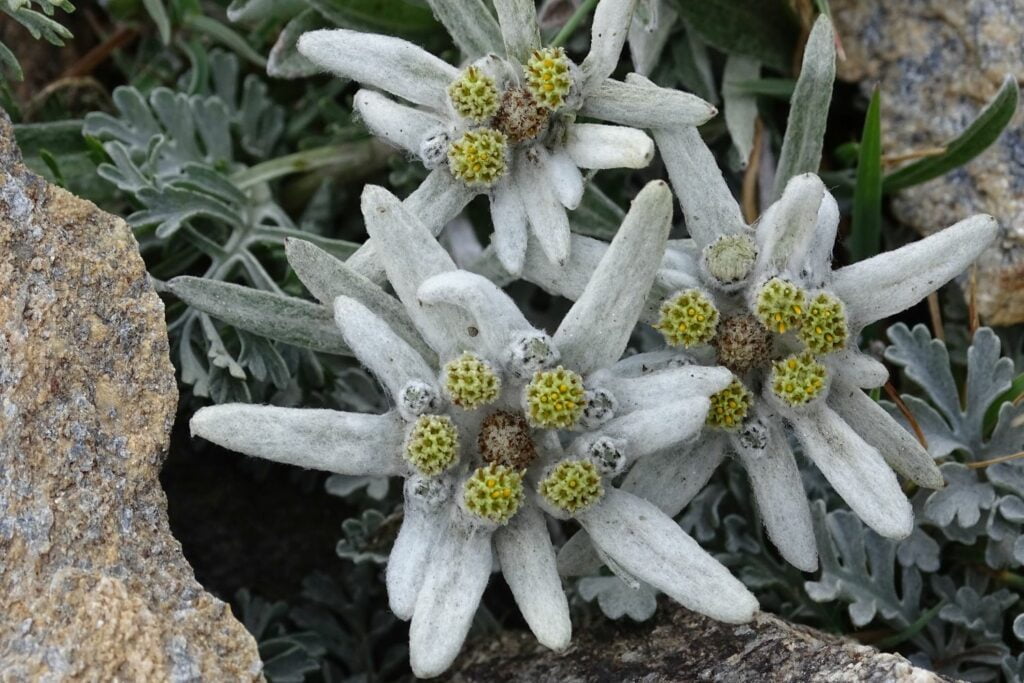
The Swiss flora encompasses 2,590 vascular plant species documented as of 2020, placing the nation 74th globally. Its most celebrated botanical symbol is the Edelweiss (Leontopodium alpinum), an iconic protected flower that thrives on limestone rocks at high altitudes.
Organizations Protecting and Studying Switzerland’s Natural Resources
- Federal Office for the Environment (FOEN/BAFU): The Swiss federal authority responsible for air, water, soil, forests, and biodiversity conservation.
- Swiss National Park: Founded in 1914 in the Engadin valley, the country’s oldest and only designated national park.
- Pro Natura: Switzerland’s leading nature conservation NGO, managing approximately 800 protected nature reserves nationwide.
- BirdLife Switzerland (SVS): National ornithological organization safeguarding birds, fragile habitats, and ecological corridors.
- Swiss Federal Research Institute WSL: Federal body conducting advanced research on forests, snow, landscape ecology, and natural hazards.
- WWF Switzerland: National section of the World Wide Fund for Nature, driving global and regional conservation campaigns.
The Water Tower of Europe
Three major European rivers originate within the Swiss Alps: the Rhine, the Rhône, and the Inn (a tributary of the Danube). The Gotthard Massif acts as a continental hydrological divide between the Mediterranean Sea and the North Sea.
The Rhine traverses 375 km through Swiss territory before continuing into Germany and the Netherlands, while the Rhône extends over 264 km within Switzerland before flowing into France, according to data from Presence Switzerland (EDA, 2024).
Dominant Hydropower Base
This alpine discharge directly powers the Swiss electric grid. In 2023, hydroelectric power stations generated 56.6% of Switzerland’s domestic electricity, combining run-of-river installations and high-head storage reservoirs.
When combined with nuclear power generation, approximately 89% of Switzerland’s total electricity production is derived from low-carbon sources, as recorded in Swiss Federal Office of Energy statistics and documented by Wikipedia (2023).
Global Gold Refining Hub
While Switzerland possesses virtually no domestic gold mines, it refines a substantial majority of the world’s physical gold. Between one-third and one-half of all global gold is processed through major Swiss refineries, which import raw doré bars and re-export refined bullion.
In 2023, the Swiss Confederation imported 2,372 tonnes of gold valued at 91 billion Swiss francs and exported 1,564 tonnes valued at 88 billion Swiss francs, according to official customs figures reported by Swissinfo (2025).
Benchmark Environmental Performance
Switzerland consistently earns top evaluations in international environmental management, achieving near-perfect marks for drinking water purity, air quality, and municipal sanitation infrastructure.
In the 2024 Environmental Performance Index, Switzerland ranked 9th worldwide with an overall score of 67.8, according to the Yale EPI (2024).
Authoritative Data Sources Used
- Annex: Countries by mineral production – Wikipedia
- Economic indicators by country – The Global Economy
- Forest area (km²) – World Bank
- Forest area as a percentage of land – World Bank
- Global coal reserves – Worldometers
- Water and agricultural statistics – FAO AQUASTAT
- Mean annual precipitation (mm) – World Bank
- Environmental Performance Index (EPI) – Yale University
- Avian species by country – Mongabay
- Amphibian species by country – Mongabay
- Vascular plant species by country – Mongabay
- Reptile species by country – Mongabay
- Endemic bird species by country – Our World in Data
The Swiss Federal Office of Energy (SFOE) confirmed in official 2023 reporting that Switzerland generates approximately 60% of its electricity from domestic hydropower.
Last updated: September 26, 2026
Leave a Reply