

Natural resources are fundamentally classified by renewability into renewable (replenished by natural cycles, such as solar, wind, water, and forests) and non-renewable (finite stocks formed over geological eras, such as petroleum, natural gas, coal, and minerals). Beyond renewability, earth scientists and environmental economists classify them by origin (biotic vs. abiotic), physical domain (water, forest, mineral, energy, soil, and marine), and stage of development (potential, actual, reserve, and stock). How are natural resources categorized, and what explains the critical boundary cases where classifications overlap?
Everything consumed, manufactured, and utilized across modern civilization originates ultimately from the Earth. Understanding the types of natural resources and how they are classified is the essential foundation for assessing sustainable development, resource depletion, and conservation priorities. The primary dividing line rests on the timescale required for natural replenishment: while solar irradiance and wind flows are practically inexhaustible, a deposit of copper or crude oil takes millions of years to accumulate and, once extracted, is permanently gone from that geological reservoir.
Table de contenidos
The scale of human demand places unprecedented pressure on these systems. According to the United Nations Environment Programme (UNEP) International Resource Panel, global raw material extraction surpassed 100 billion tonnes annually in the 2020s—a fourfold increase since 1970. Meanwhile, freshwater distribution is starkly asymmetric: while water covers over 70% of the Earth’s surface, only 2.5% is freshwater, and less than 1% of that is accessible in lakes, rivers, and shallow aquifers. Categorizing these resources accurately is not merely an academic exercise; it dictates policy, economic planning, and ecological survival.
What Are Natural Resources and How Are They Classified?
A natural resource is any matter, organism, or energy flow present in the natural environment that human beings can utilize to satisfy physical needs, support economic production, or sustain well-being. Because natural resources differ fundamentally in their physical nature, spatial distribution, and regeneration rates, no single classification scheme captures all their characteristics.
In environmental sciences and resource economics, four major classification criteria are standard:
- By renewability: Renewable, non-renewable, and continuous (inexhaustible) resources.
- By origin / chemical nature: Biotic (organic, derived from living organisms) versus abiotic (inorganic, derived from non-living matter).
- By physical domain: Water, forest, mineral, energy, soil, and marine resources.
- By development stage and availability: Potential resources, actual/developed resources, reserves, and stock resources.
Classification by Renewability: The Critical Dividing Line
The distinction between renewable resources and non-renewable resources remains the most influential framework in ecological economics:
1. Renewable Resources: Elements that regenerate through biological reproduction or biogeochemical cycles at a rate comparable to or faster than their human consumption. Examples include timber, fisheries, agricultural crops, freshwater flows, and solar energy. However, renewability is conditional: if the rate of harvesting exceeds the regenerative threshold (carrying capacity or sustainable yield), renewable stocks can be degraded into non-renewable depletion.
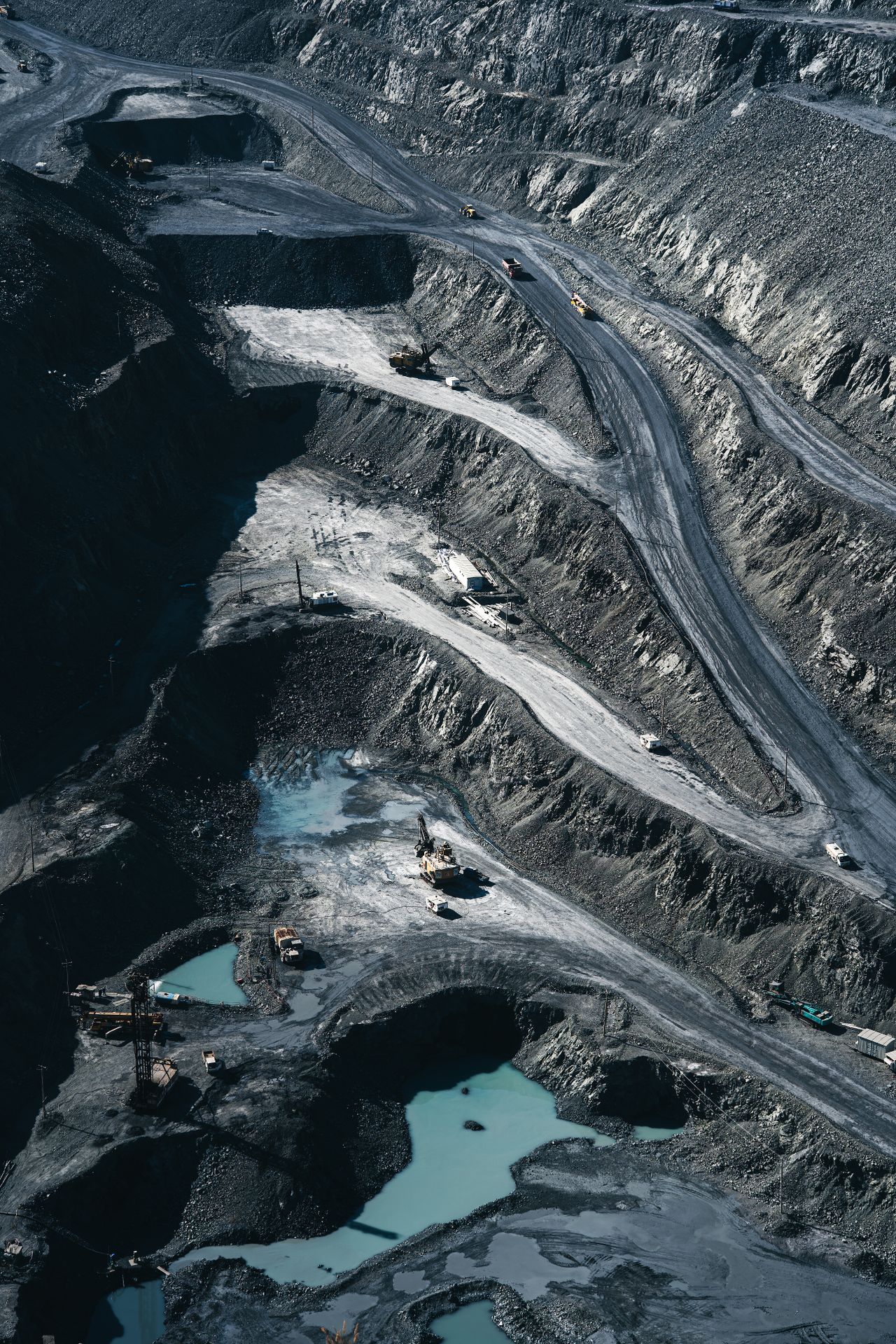
2. Non-Renewable Resources: Geological substances that formed under specific geochemical conditions over tens or hundreds of millions of years. Their total physical volume on Earth is essentially fixed. Major categories include fossil hydrocarbons (crude oil, natural gas, anthracite, and lignite), metallic minerals (iron ore, copper, gold, bauxite, lithium), and non-metallic industrial minerals (phosphates, potash, rare earth elements).
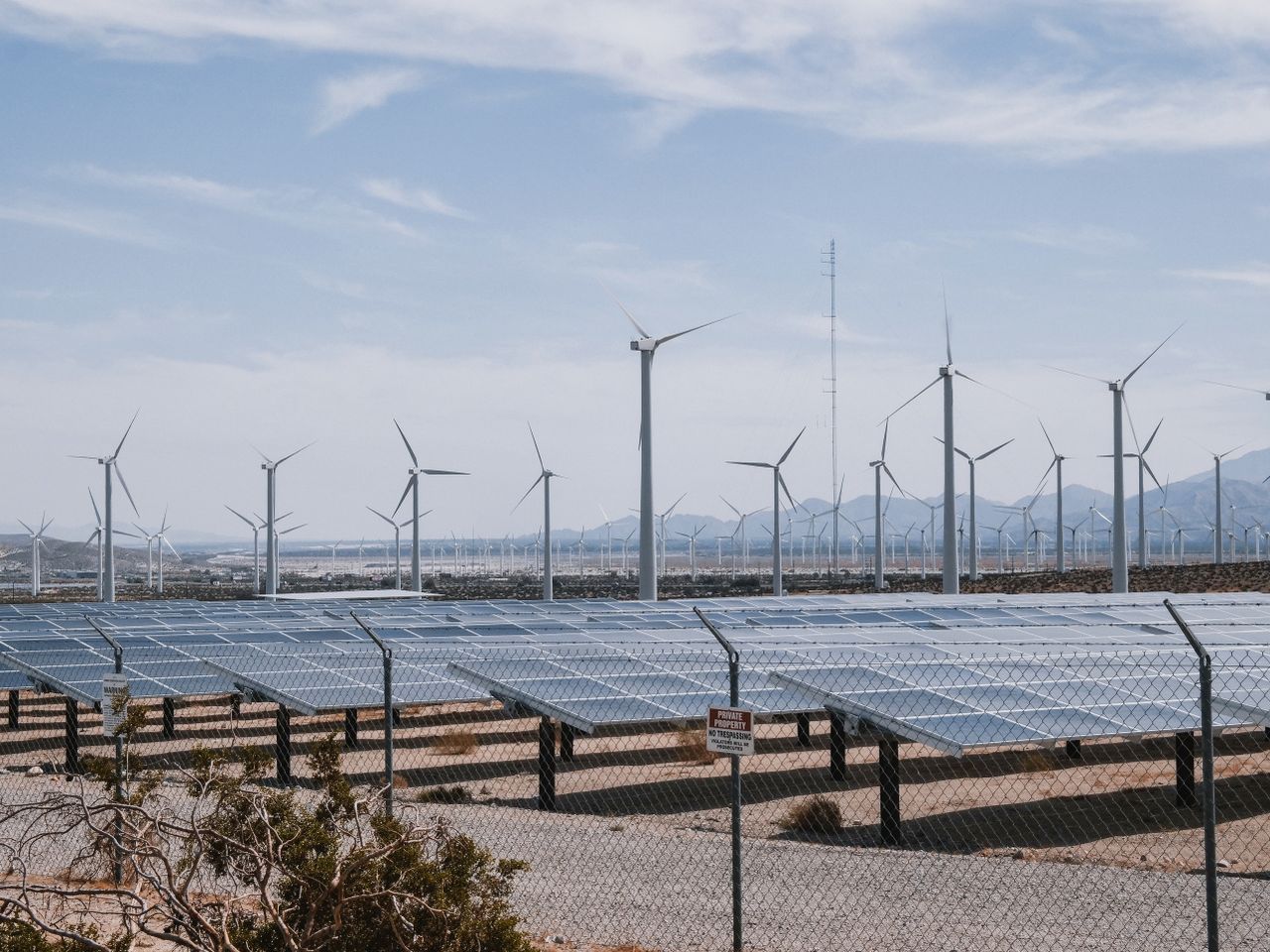
3. Inexhaustible (Continuous) Resources: A specialized subcategory of renewables that cannot be depleted regardless of the scale of human extraction, because they represent active planetary energy flows rather than finite material reservoirs. Solar radiation, wind currents, tidal dynamics, and deep geothermal heat flows belong to this group.
Comprehensive Classification Matrix and Overlapping Boundaries
While textbook definitions present categories as rigid silos, real-world resources frequently sit at the intersection of multiple classifications. Understanding these boundary cases is essential for environmental managers and policymakers:
| Resource Category | Primary Criterion | Key Examples | Renewability Status | Overlapping / Boundary Nuance |
|---|---|---|---|---|
| Water Resources | Hydrological cycle (abiotic) | Rivers, lakes, glaciers, aquifers | Renewable (flows) / Non-renewable (fossil aquifers) | Surface runoff is rapidly renewable, but deep fossil aquifers (e.g., Ogallala, Nubian Sandstone) recharge on millennial timescales, making extraction functionally non-renewable. |
| Forest Resources | Biomass & ecology (biotic) | Timber, fibers, non-timber forest products, resin | Conditionally renewable | Biological growth is renewable, but primary old-growth rainforests (e.g., the Amazon or Congo Basin) harbor biodiversity that cannot be recreated once clear-cut. |
| Mineral Resources | Lithosphere & geology (abiotic) | Copper, iron ore, lithium, cobalt, sand, gravel | Non-renewable | Unlike fossil fuels, elemental metals are not chemically destroyed upon use; with adequate energy and circular infrastructure, metals can be recycled indefinitely. |
| Fossil Energy Resources | Hydrocarbon deposits (biotic origin, abiotic state) | Crude oil, natural gas, thermal coal | Non-renewable | Formed from ancient decayed biotic matter (plankton, plant debris), yet classified geologically as abiotic mineral fuels due to million-year metamorphic timescales. |
| Soil Resources | Pedosphere (biotic + abiotic interface) | Topsoil, humus, agricultural arable land | Conditionally renewable / Functionally non-renewable | Topsoil regenerates at a rate of roughly 1 cm every 100 to 400 years; when agricultural erosion exceeds 1 mm per year, soil acts as an exhaustible non-renewable capital. |
| Marine Resources | Oceanic ecosystems & minerals | Fisheries, seaweeds, seabed polymetallic nodules | Mixed (living: renewable; minerals: non-renewable) | Fish stocks are renewable under science-based catch quotas, but deep-sea manganese nodules require millions of years of chemical precipitation to form. |
Classification by Physical Domain and Economic Use
Beyond theoretical frameworks, statistical institutions such as the Food and Agriculture Organization (FAO), the International Energy Agency (IEA), and the United States Geological Survey (USGS) track resources through six functional physical domains:
1. Water Resources
Comprising surface freshwater (rivers, lakes, wetlands) and subsurface groundwater. The FAO’s AQUASTAT database indicates that global agriculture accounts for roughly 70% of all freshwater withdrawals, while industry consumes 19% and municipal domestic use takes 11%. Regions with high water stress—such as the Middle East and North Africa—must balance withdrawals against finite renewable flows.
2. Forest Resources
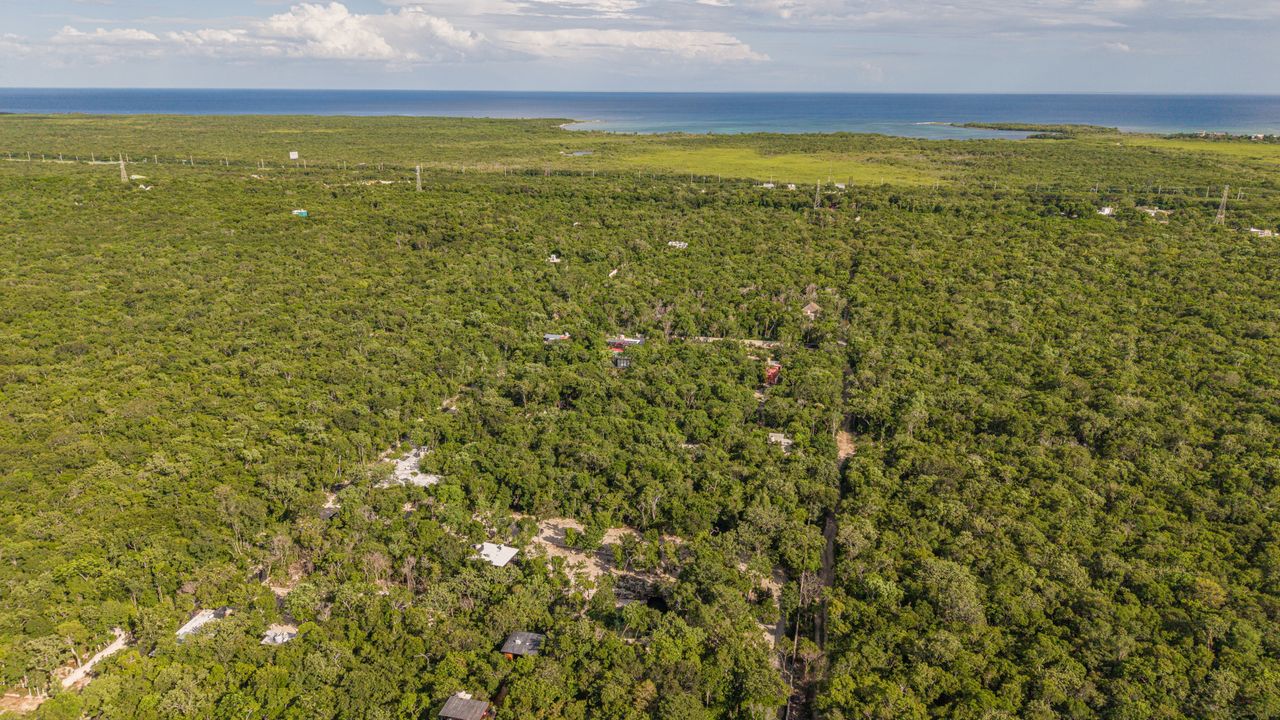
Forests cover approximately 31% of the world’s land surface (4.06 billion hectares), according to the FAO Global Forest Resources Assessment. They supply both tangible raw materials (industrial roundwood, fuelwood, biochemical compounds) and critical regulatory ecosystem services, including sequestering an estimated 2.4 billion tonnes of carbon annually and regulating continental precipitation cycles.
3. Mineral Resources
Extracted from the Earth’s crust, minerals form the backbone of industrial infrastructure. They are broadly divided into metallic minerals (ferrous metals like iron, non-ferrous like copper and aluminum, and critical energy transition metals like lithium, cobalt, and nickel) and non-metallic or industrial minerals (limestone, gypsum, potash, and construction aggregates).
4. Energy Resources
Energy resources encompass all primary sources converted into heat, electricity, and mechanical power. While fossil fuels still accounted for approximately 80% of total primary energy supply globally in 2024, renewable power additions—driven by solar photovoltaics and wind turbines—reached record global capacity additions, exceeding 500 GW in 2024 according to the IEA.
5. Soil and Land Resources
Fertile topsoil is a complex, living matrix of weathered rock minerals, organic matter, microbial life, water, and gases. According to the FAO, approximately 95% of direct human food production relies on soil. Severe erosion, salinization, and contamination pose major threats to global food security because soil generation takes centuries.
6. Marine and Oceanic Resources
Oceans generate half of the planet’s atmospheric oxygen, absorb 25% of annual carbon dioxide emissions, and support capture fisheries that provide primary animal protein for over 3 billion people. In addition to fisheries, marine resources include offshore wind energy, ocean thermal energy, and coastal aquaculture.
Classification by Stage of Development: Occurrences, Reserves, and Stocks
An indispensable distinction used by resource economists separates total physical presence from economically recoverable supply:
- Potential Resources: Resources known to exist in a geographic region based on preliminary exploration, but which cannot yet be exploited because required technologies or infrastructure are not yet developed (e.g., uranium in seawater, arctic hydrocarbon reservoirs).
- Actual / Developed Resources: Resources that have been accurately surveyed, quantified, and are actively being extracted and consumed today.
- Reserves: The specific portion of an identified resource that can be economically, legally, and technically extracted under current market prices and regulatory frameworks.
- Stock: Natural materials present in the biosphere or lithosphere that have enormous potential utility, but for which human society currently lacks the technological capacity to harness efficiently (e.g., atmospheric nitrogen as a direct power source).
Global Distribution: How Natural Resources Are Concentrated
Natural wealth is distributed with extreme unevenness across sovereign territories, shaping geopolitical alliances and international trade balances:
In the Americas, Brazil anchors global biodiversity, freshwater volume, and iron ore production, while Chile holds roughly 20% of global copper reserves and massive lithium brine salars. In North America, the United States and Canada combine extensive boreal timberlands with massive petroleum, potash, and natural gas infrastructure. In Asia, China commands over 60% of rare earth mining and dominant mineral processing capacity, while Australia leads the world in iron ore, bauxite, and lithium extraction.
To examine verified data for individual countries across all six continents, explore our comprehensive Natural Resources by Country directory.
Authoritative Data Sources Used
Every classification, statistic, and reserve metric in this guide is derived from primary databases of leading international research bodies:
- Food and Agriculture Organization (FAO): AQUASTAT Global Water Information System and Global Forest Resources Assessment (FRA).
- United States Geological Survey (USGS): Mineral Commodity Summaries.
- International Energy Agency (IEA): World Energy Outlook and global energy transition statistics.
- United Nations Environment Programme (UNEP): International Resource Panel Global Resources Outlook.
- For details on our data auditing process, visit our Research Methodology and Official Sources.

Leave a Reply