

Sustainable urban development is the development of urban spaces so that they do not depend excessively on rural areas and can meet present needs without compromising those of future generations. What does sustainable urban development mean in practice? Reducing a city’s ecological footprint through renewable energy, mass transit and recycling. Today, cities are home to 45% of the world’s population (8.2 billion people), and the UN projects that two-thirds of global population growth through 2050 will occur in cities.
As the population grows, cities are expanding all over the world. According to the UN DESA’s World Urbanization Prospects 2025 revision, cities are home to 45% of the world’s population of 8.2 billion people, and two-thirds of global population growth through 2050 is projected to occur in cities, with most of the rest in towns.
Contents
Reducing the environmental impact of cities requires transforming or developing urban infrastructure and economic and social processes that increase efficiency, cut waste and promote the reuse of resources.
Background of sustainable urban development
What is sustainable urban development?
Definition of sustainable urban development: the development of urban spaces so that they do not depend excessively on rural areas and so that people can meet their needs without compromising those of future generations.
This type of development seeks to reduce cities’ ecological footprint and minimize their contribution to climate change by reducing the pollution they generate, improving land use, recycling materials, disposing of waste properly, and so on.
Like sustainable development, it also seeks to achieve sustainability, in this case urban sustainability. Both are a process with an end goal.

Characteristics of sustainable urban development
- 100% of energy from renewable sources.
- Integrated water and waste recycling systems.
- Large green spaces integrated into commercial, industrial and residential development.
- Integrated mass public transportation that lets people travel across the whole city by different modes for a single fare.
- Smart green buildings that minimize resource use.
Sustainable urban development in the UN SDGs
In doing so, it pays special attention to air quality and municipal waste management. The goal also mentions promoting sustainable urbanization and protecting the world’s cultural and natural heritage. It also calls for cities to lead climate change mitigation and adaptation (it is no longer a fight to prevent it; it is already happening).
Misconceptions about sustainable urban development
People will find the services they need close to home, and possibly even work, so they will no longer have to spend hours every day commuting by public transportation or by car. It also becomes more practical for people to walk, cycle or use similar means to get around.
How to achieve sustainable urban development
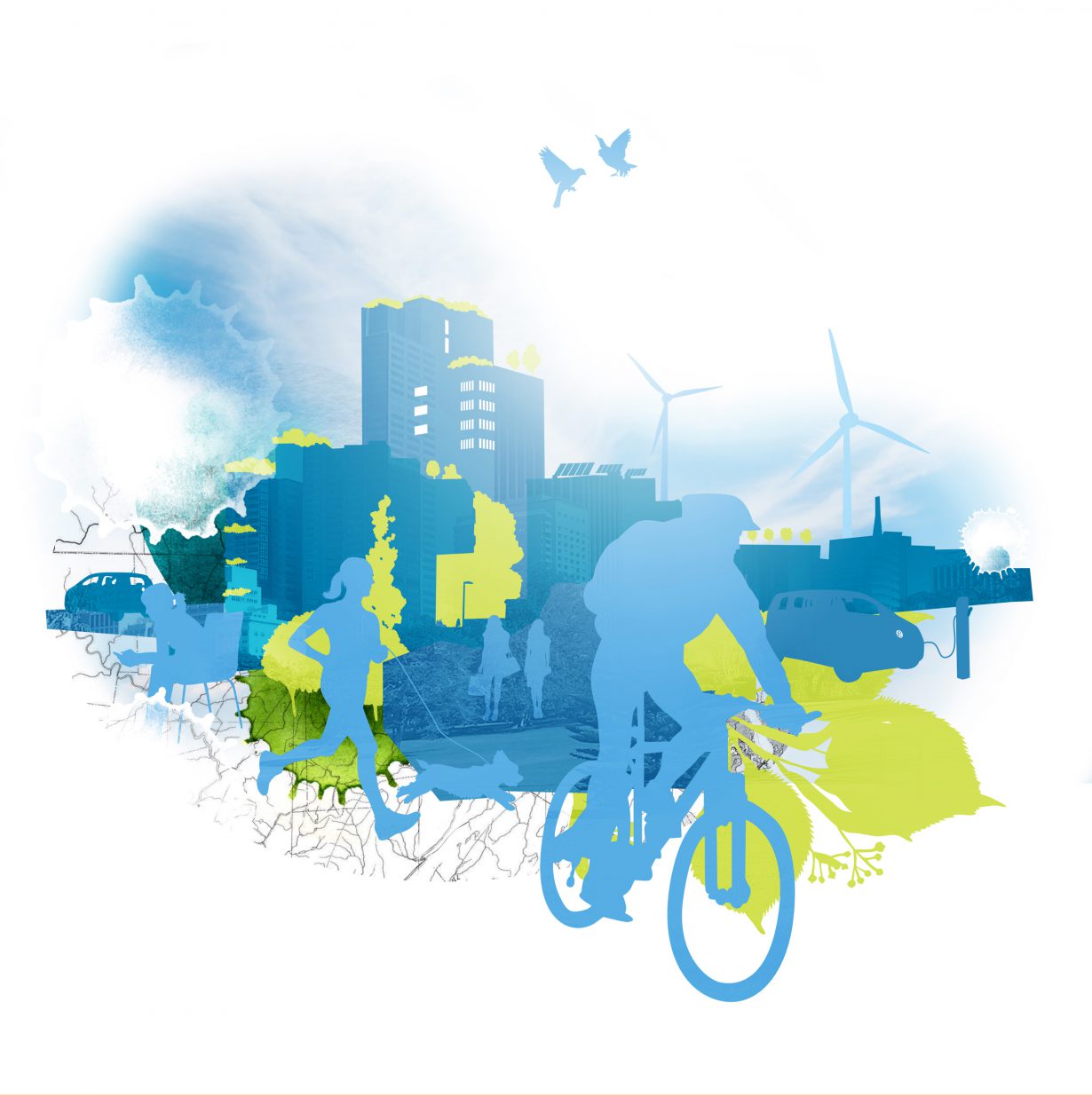
Sustainable urban development must be guided by a vision of sustainable planning and management that promotes interconnected green spaces, multimodal transportation systems and mixed-use land development.
Achieving this type of urban development requires creating partnerships between public and private entities through which the city’s environmental, cultural and historical resources are protected.
With the support of, or pressure from, citizens, the government can create laws or institutions that drive sustainability. The private sector, in turn, can create new businesses and generate value through the efficient use of resources and the application of new technologies.
Likewise, political authorities (legislators, regulators, mayors, governors, community boards and so on) must take part in and support the planning and development of the urban area. For example, they should require the use of environmentally friendly construction techniques and seek a balance between the city’s natural systems, such as rivers, and public infrastructure.
In that sense, any new development or urban renewal must prioritize not only building housing for all types of families but also providing health, education, retail, transportation and other services.
Challenges of sustainable urban development
Some of the challenges in achieving sustainable cities are the government’s legal limits, the lack of coordination between the public and private sectors, the availability of resources to invest and low citizen participation.
Examples of sustainable urban development
Some categories of efforts to achieve urban sustainability are mass transit systems, the development of mixed economic zones, the construction of smart green buildings, waste and water recycling systems, and the construction of green spaces integrated into urban infrastructure.
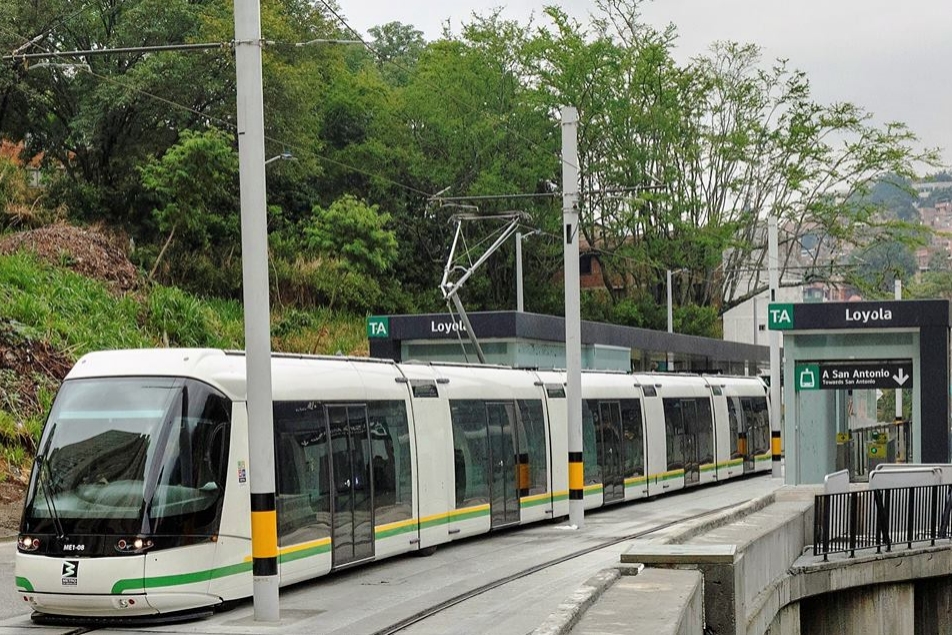
Integrated urban public transportation system in Medellín, Colombia
Medellín has an integrated transportation system: a metro with two lines (A and B) running through the city; Metrocable aerial cable cars serving the poorer neighborhoods on the edges of the valley; Metroplus, medium-capacity bus rapid transit routes with their own stations and lanes; a tram, an electric urban passenger rail service; and a cycle route network (ciclorruta or ciclovía), lanes or areas reserved exclusively for bicycles.
100% LED street lighting in Buenos Aires, Argentina
Buenos Aires set out to become the first city in the region with 100% LED street lighting, and in 2019 it became the first in Latin America to reach that goal, with some 160,000 LED luminaires. According to the city government, the switch cut the energy consumption of street lighting by more than 50% and annual maintenance costs by about 30%.
More:
Sustainable cities
Sustainable projectsSources:
Siemens
UN
SDG 11
Last updated: September 26, 2026

Leave a Reply