
Category: Sustainability

Sustainable Development in Business: Strategies and Examples
Sustainable development in business means integrating environmental, social and governance (ESG) criteria into business strategy to create long-term value without depleting natural resources. As of 2026, more than 25,000 organizations from more than 160 countries participate in the UN Global Compact (UN Global Compact, 2026), and 96% of the world’s 250 largest companies already report…
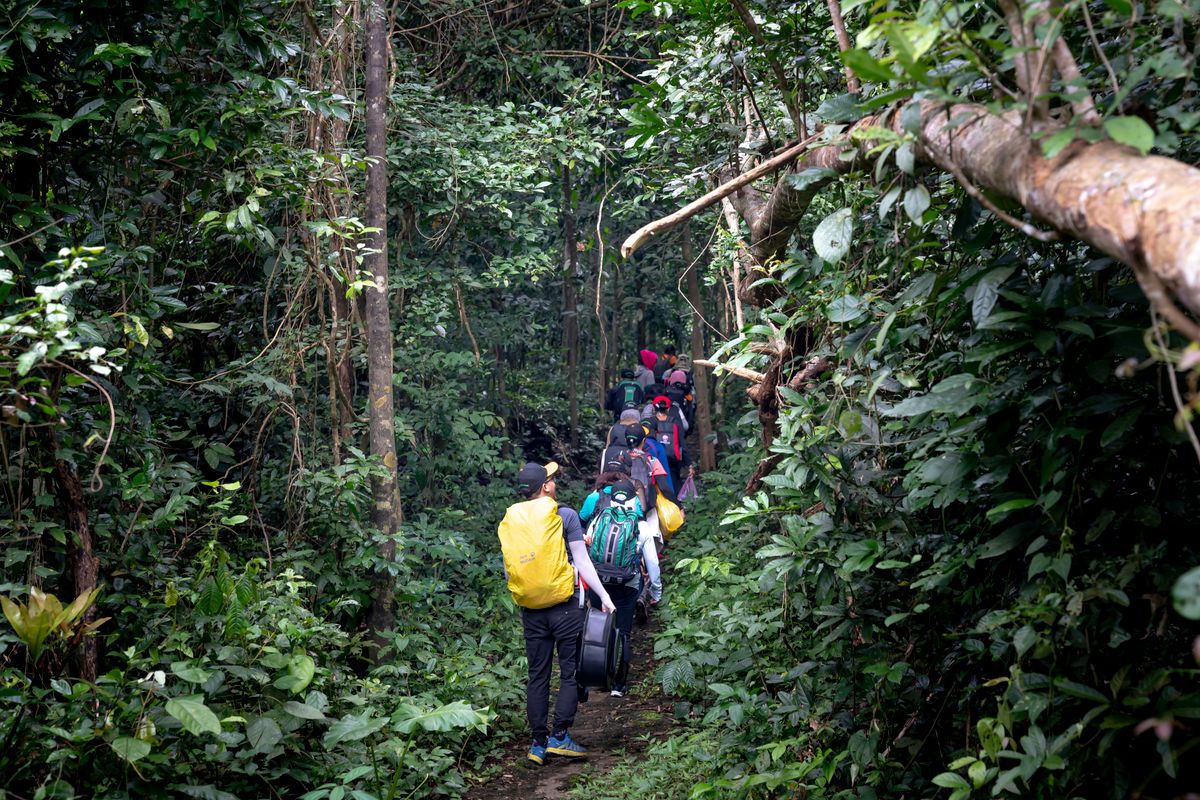
Sustainable Tourism and Ecotourism: Definition, Pillars and Examples
Sustainable tourism, as defined by UN Tourism (UNWTO), is tourism that takes full account of its current and future economic, social and environmental impacts, addressing the needs of visitors, the industry, the environment and host communities. Ecotourism is one form of it, focused on nature and conservation. In 2024 tourism accounted for about 1.4 billion…
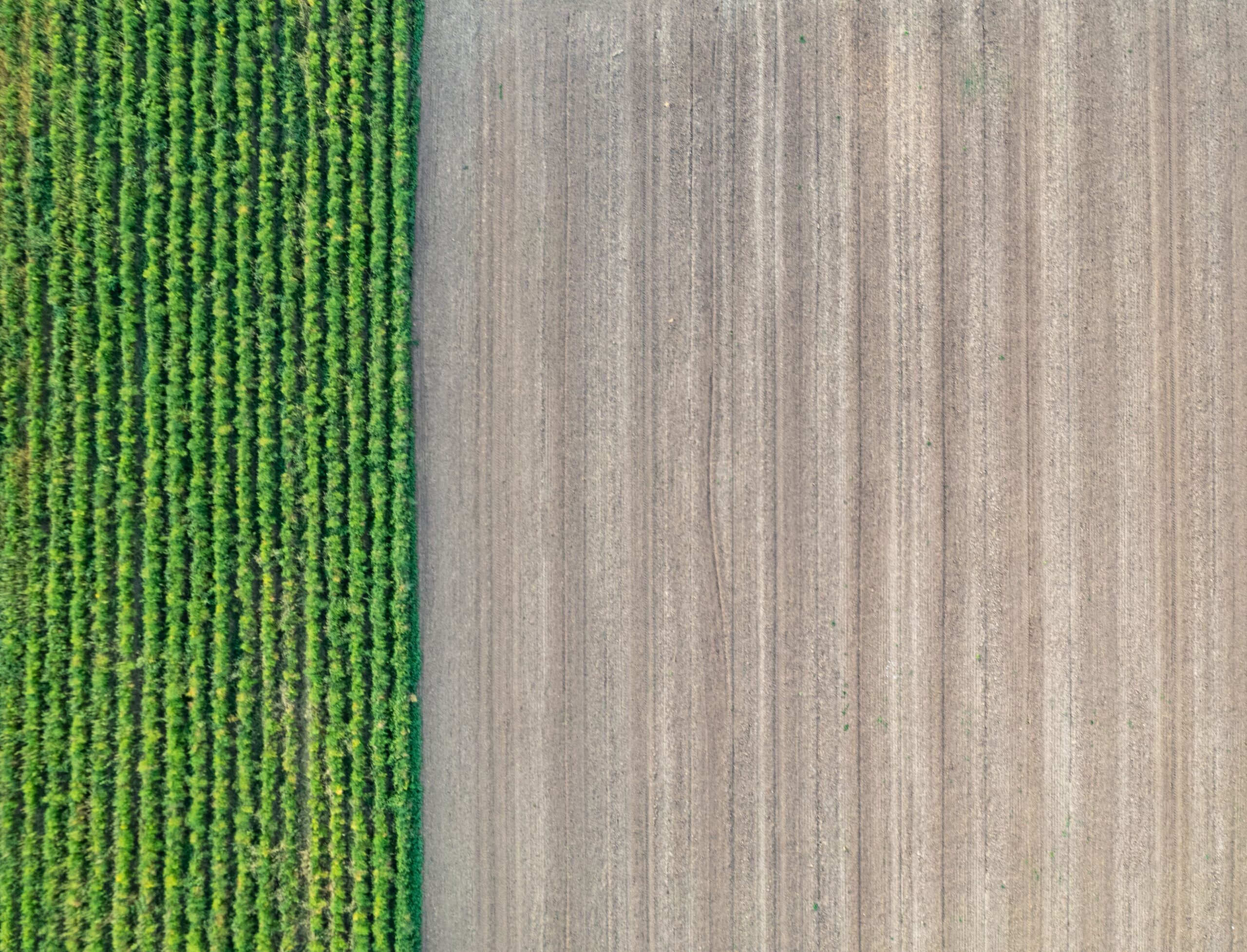
Sustainable Agriculture: What It Is, Techniques and Benefits
Sustainable agriculture is a way of producing food that meets today’s needs without depleting the soil, water and biodiversity that future generations will depend on. It is an urgent priority: agriculture accounts for around 70% of the planet’s freshwater withdrawals, and in 2015 food systems generated close to 34% of greenhouse gas emissions. How can…
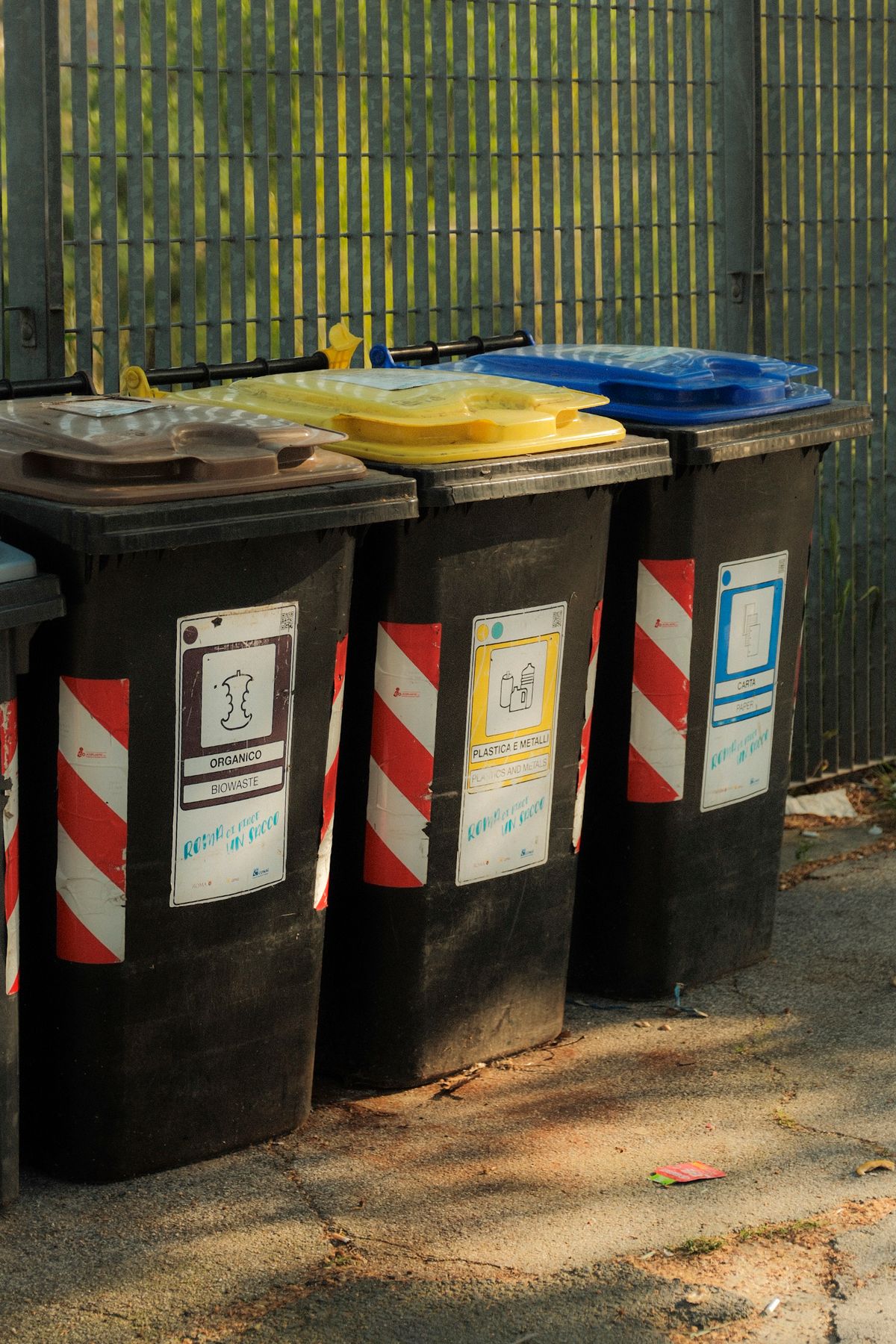
Circular Economy: What It Is, Principles and Examples
The circular economy is a model of production and consumption that aims to keep materials and products in use for as long as possible through reduction, reuse and recycling, as opposed to the linear “take-make-dispose” model. It is an urgent response: the global economy is only 6.9% circular and already consumes 106 billion tonnes of…
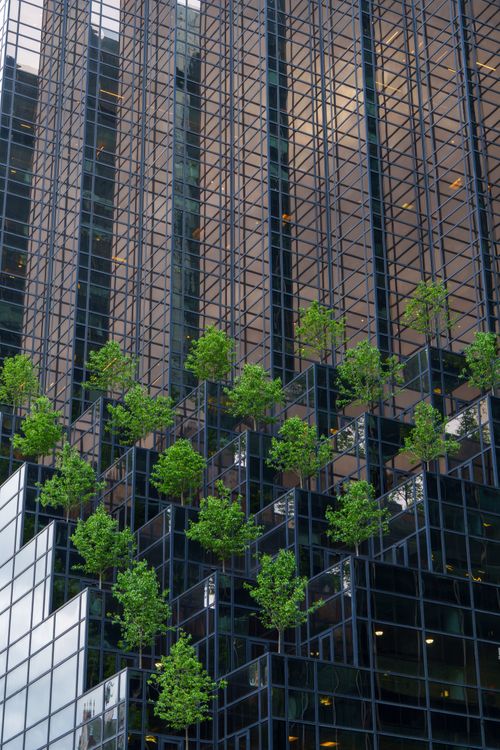
The Three Pillars of Sustainable Development: Definition and Examples
The three pillars of sustainable development are environmental (protecting ecosystems and natural resources), social (equity, health, education and inclusion) and economic (sustained, inclusive growth). The UN calls them “the three dimensions of sustainable development: the economic, social and environmental” and integrates them into the 17 Sustainable Development Goals adopted by 193 countries in 2015 (UN,…
Emerging Energy Sources: Airborne Wind, Algae Fuel and Waste-to-Energy
Emerging energy sources rely heavily on renewable resources such as the sun, wind and water, and involve new methods and technologies to harness them more effectively. Notable innovations include the airborne wind farms studied by NASA, algae for biofuels and generating energy from waste. What are the new emerging energy technologies? In 1954, Lewis Strauss,…
OECD Environmental Outlook to 2050: Key Findings and Projections
The OECD’s Environmental Outlook to 2050, published in 2012, projects a world population of more than 9 billion, with 70% living in urban areas. Without action, terrestrial biodiversity would shrink by 10%, water demand would grow by 55% and greenhouse gas emissions would rise by 50% by 2050. What will the world’s environment look like…
Sustainable Development in Mexico: Progress and Challenges
Mexico is one of the most megadiverse countries in the world: according to CONABIO, it holds about 12% of the planet’s terrestrial biodiversity and ranks second in reptile species richness, third in mammals and fifth in amphibians and vascular plants. Its challenge is to conserve this natural wealth while its economy grows. What progress has…

UN Sustainable Development Goals: The World Toward 2030
The Sustainable Development Goals (SDGs), also known as the 2030 Agenda, are an intergovernmental platform of 17 goals for every community in the world. They follow on from the Millennium Development Goals, which the UN created in 2000 and which expired in 2015, and they have their origin in the 2012 Rio+20 conference. What are…
Challenges of the Sustainable Development Goals (SDGs)
The Sustainable Development Goals (SDGs) replaced the Millennium Development Goals, expanding from 8 goals and 21 targets to 17 goals and 169 targets. Their sheer breadth spreads efforts thin, and they include no binding mechanisms to hold governments accountable, which makes them hard to achieve, especially in countries with weak institutions. What are the main…