

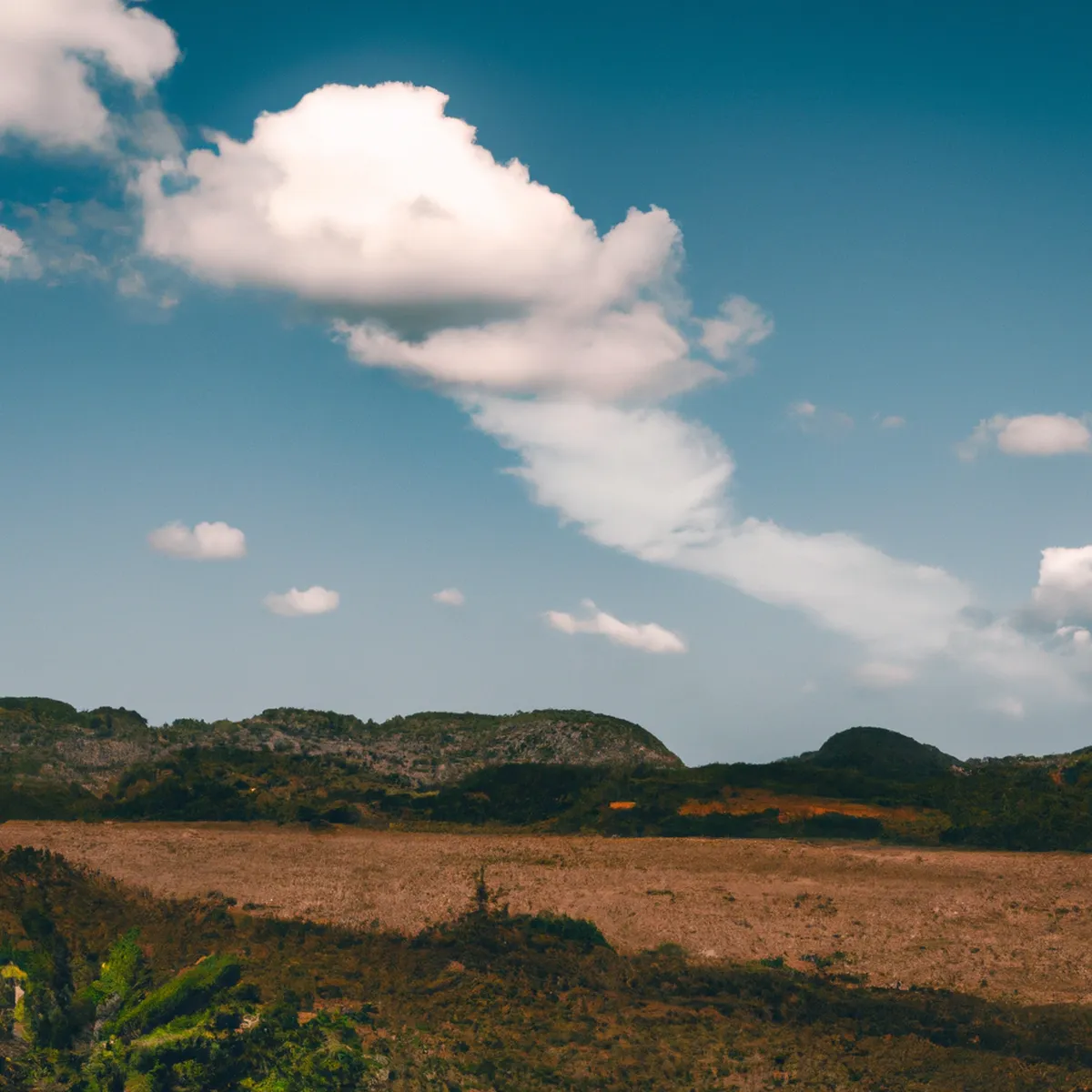
Cuba’s natural resources stand out for biodiversity rather than minerals: the island hosts 1,103 fish species, the tocororo as its national bird and the Cuban crocodile. Its forests cover 31.23% of the territory, it holds a freshwater reserve of 38.12 km³ and it produces some 33,912 barrels of oil a day. What natural resources does Cuba have?
Cuba is a Caribbean island with a rich diversity of natural resources. Its beautiful beaches, mountains, forests and rivers are among the country’s most important tourist attractions.
Table de contenidos
Cuba also holds a wide variety of animal and plant species found nowhere else, and is home to several ecosystems of great importance to global biodiversity. Cuba’s natural resources are a treasure for humanity.
Which natural resources does Cuba have, and how do they compare with other countries? How rich is the country’s natural world? Which minerals are available, and how does it compare with other countries? How much water does it have, and how is energy generated? How varied are the plants and wildlife in Cuba?
Natural Resources
Natural resources are materials or energy sources provided by or found on Earth that are useful to humans. Every product we manufacture is made up of natural resources.
- Renewable resources: these can be restored by natural processes faster than the rate at which they are consumed. Examples include solar radiation, wind, hydroelectric power, water when used properly, and plant and animal life.
- Non-renewable resources: once extracted, these are depleted and cannot regenerate. Examples include hydrocarbons, metals and minerals.
Examples of Cuba’s main natural resources
Cuba: water, forest and protection
Key indicators of the country’s natural assets, with the reference year for each.
| Renewable fresh water per capita | 3,447 m³ per year2022 |
|---|---|
| Forest cover | 31.2% of the territory2023 |
| Annual change in forest area | stable (2018–2023) |
| Protected land area | 15.6% of the territory2025 |
| Protected marine areas | 4.2% of its waters2025 |
| Threatened species | 285 mammals, birds, fish and plants2022 |
Map of Cuba’s natural resources by region
Cuba is divided into three broad regions — West, Central and East — with distinct natural resources.
Isla de la Juventud lies to the south, in the Caribbean Sea.
| Resource | Reserves / Production | Source |
|---|---|---|
| Fresh water | 38.12 km³ (2020); 90th in the world | FAO |
| Rainfall | 1,335 mm/year; 58th in the world | World Bank |
| Forests | 31.23% (32,420 km², 2020); 82nd in the world | World Bank |
| Biodiversity (fish) | 1,103 species | Mongabay |
| Renewable energy | 780 GWh (2024) | Ember |
Oil and gas resources in Cuba
In 2021 Cuba produced a total of 33,912 barrels of oil per day, placing it forty-third worldwide for oil production. It also held oil reserves of 124,000,000 barrels as of 2022, placing it sixtieth in the world ranking.
Although it is not one of the world’s leading oil producers, Cuba holds significant natural resources in this field. The main oil-producing region in Cuba is the North Cuba Basin.
With dry natural gas output of 970 million cubic meters in 2024 (EIA), the country sits sixty-seventh (67th) in the world ranking of producers.
Water resources of Cuba
Cuba holds a freshwater reserve of 38.12 km³, placing it ninetieth in the global ranking of water reserves as of 2020. This Caribbean country has important freshwater sources, the Cauto and Toa rivers being the most significant, and its main lake is Laguna de la Leche.

Average rainfall and soils of Cuba
Cuba has average annual rainfall of 1,335 mm, placing it fifty-eighth worldwide. Because of that moisture, the island’s soils are mostly damp and fertile, favoring agriculture and food production.
Renewable electricity and hydropower production in Cuba
In 2024, Cuba generated 780 GWh of electricity from renewable sources — only 4% of its total generation of 19.4 TWh — and hydropower supplied 120 GWh (Ember, 2024). The country’s largest hydroelectric plant is Hanabanilla, in Villa Clara province, with installed capacity of 43 MW.

Forest resources of Cuba
Cuba holds considerable forest wealth. In 2020 the country’s forest area reached 31.23% of its land area, equivalent to 32,420 km².
Cuba ranks 82nd in the world for forest area.
Environmental performance and protection of Cuba’s natural resources
The country’s Environmental Performance Index (EPI 2024, Yale University) score is 52.5, placing it 50th of 180 countries. Protected land and marine areas account for 6.75% of the country’s total territorial area.
Natural parks of Cuba: the hidden wealth of natural resources
Biodiversity: animal and plant resources of Cuba
Birds of Cuba
Cuba has rich bird diversity, with a total of 317 species recorded in 2018, placing it 114th in the world ranking for number of bird species. In addition, 19 of its bird species are endangered.
Among the most notable is the tocororo, Cuba’s national bird and a symbol of freedom.

Fish and amphibians of Cuba
In 2019, 69 amphibian species were recorded in the country, placing it 47th worldwide.
Cuba has a total of 1,103 fish species, the flagship species being the needlefish. Cuba ranks 38th in this world ranking.
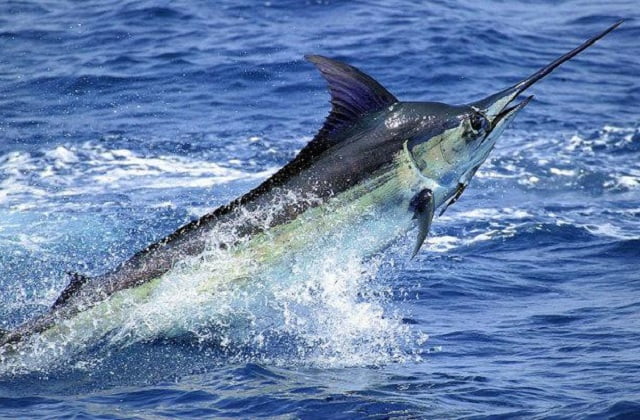
It is worth noting, however, that 44 of those fish species are threatened, which poses a challenge for conserving these natural resources.
Mammals of Cuba
Cuba has a total of 65 mammal species, ranking eighty-second in the world, of which 10 are threatened.
Reptiles of Cuba
Cuba has rich reptile diversity, with a total of 175 species recorded in 2019, placing it 48th worldwide. Among the most notable is the Cuban crocodile, an important resource for conservation and tourism in the country.

Organizations that protect or study Cuba’s natural resources
- Ministry of Science, Technology and Environment (CITMA): the body that sets Cuban state policy on the environment, science and technology.
- Environment Agency (AMA): CITMA’s senior body, managing environmental research and services in Cuba.
- National Center for Protected Areas (CNAP): the center that plans and manages the National System of Protected Areas.
- National Enterprise for the Protection of Flora and Fauna: state enterprise that administers protected areas and conserves Cuban plants and wildlife.
- Antonio Núñez Jiménez Foundation for Nature and Humanity: non-governmental foundation promoting a culture of nature in Cuba.
Nickel and cobalt: the mineral base
The USGS places Cuba among the world’s ten largest producers of nickel and cobalt (USGS). Both metals come from lateritic deposits in the east of the country.
Nickel leads Cuban exports: nickel oxide sinters totaled $961 million in 2022 (World Bank, 2022).
Island biodiversity
Cuban flora numbers between 7,000 and 7,500 plant species (IUCN), among the richest in the Caribbean. Island isolation explains that diversity.
The Red List documents 2,143 threatened plant taxa; close to 50% of Cuban plants are at risk of extinction (Red List of the flora of Cuba, 2016).
Exports: nickel, tobacco and sugar
After nickel ($961M), Cuba’s largest exports in 2022 were rum ($258.9M), cigars and tobacco ($218.7M), zinc ($102.7M) and raw cane sugar ($80.6M) (World Bank, 2022).
Protected areas
Protected land areas covered 16.2% of Cuban territory in 2023 (World Bank, 2023). The country records 230 protected areas (Protected Planet, 2025).
Frequently asked questions
What are Cuba’s main mineral resources? Nickel and cobalt; the USGS places the country among the world’s ten largest producers of both metals (USGS).
What does Cuba export most? In 2022 nickel led ($961M), followed by rum, cigars and cane sugar (World Bank, 2022).
Leave a Reply