Category: Natural Resources

Environmental Impact of Mining: Types, Effects and Solutions
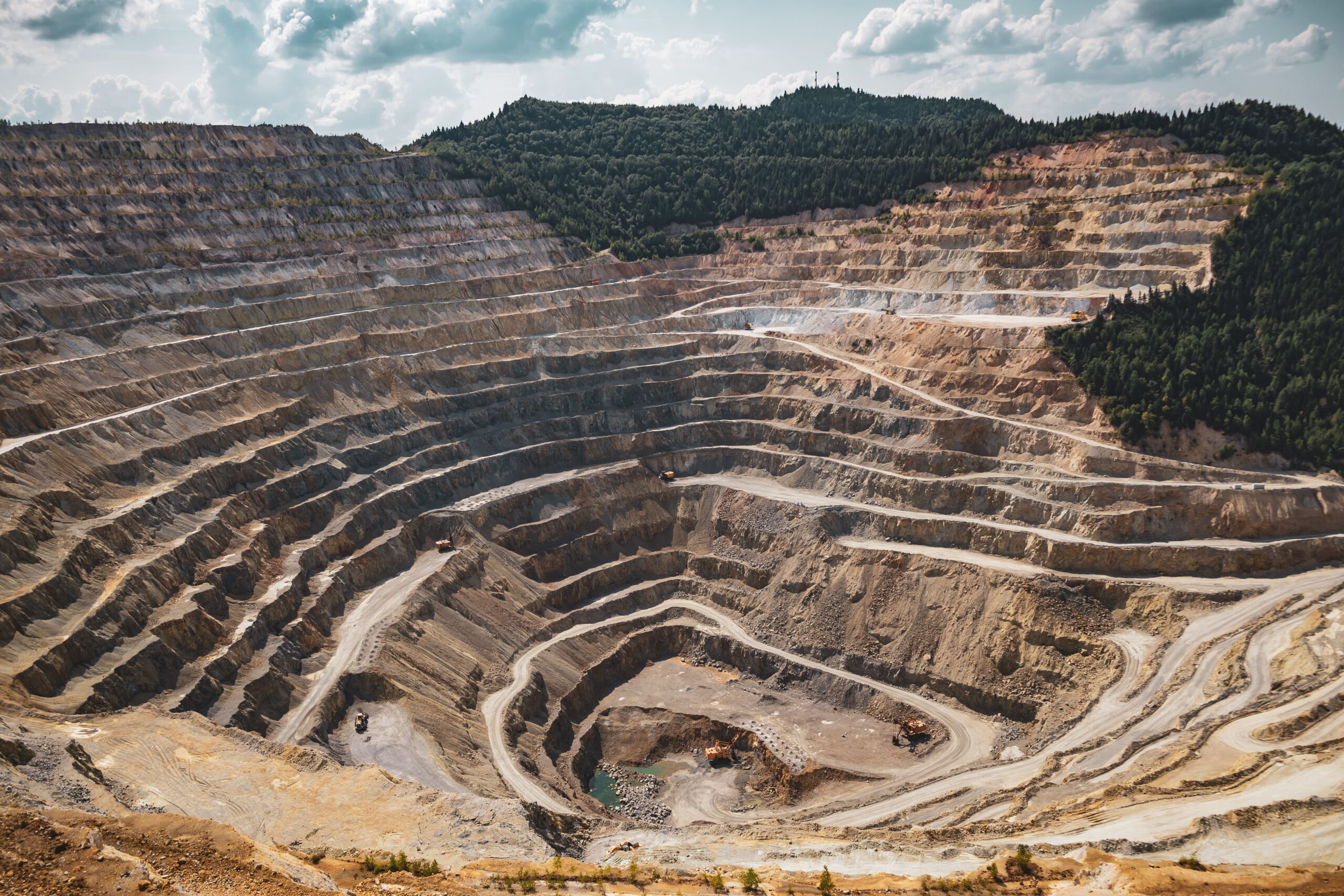
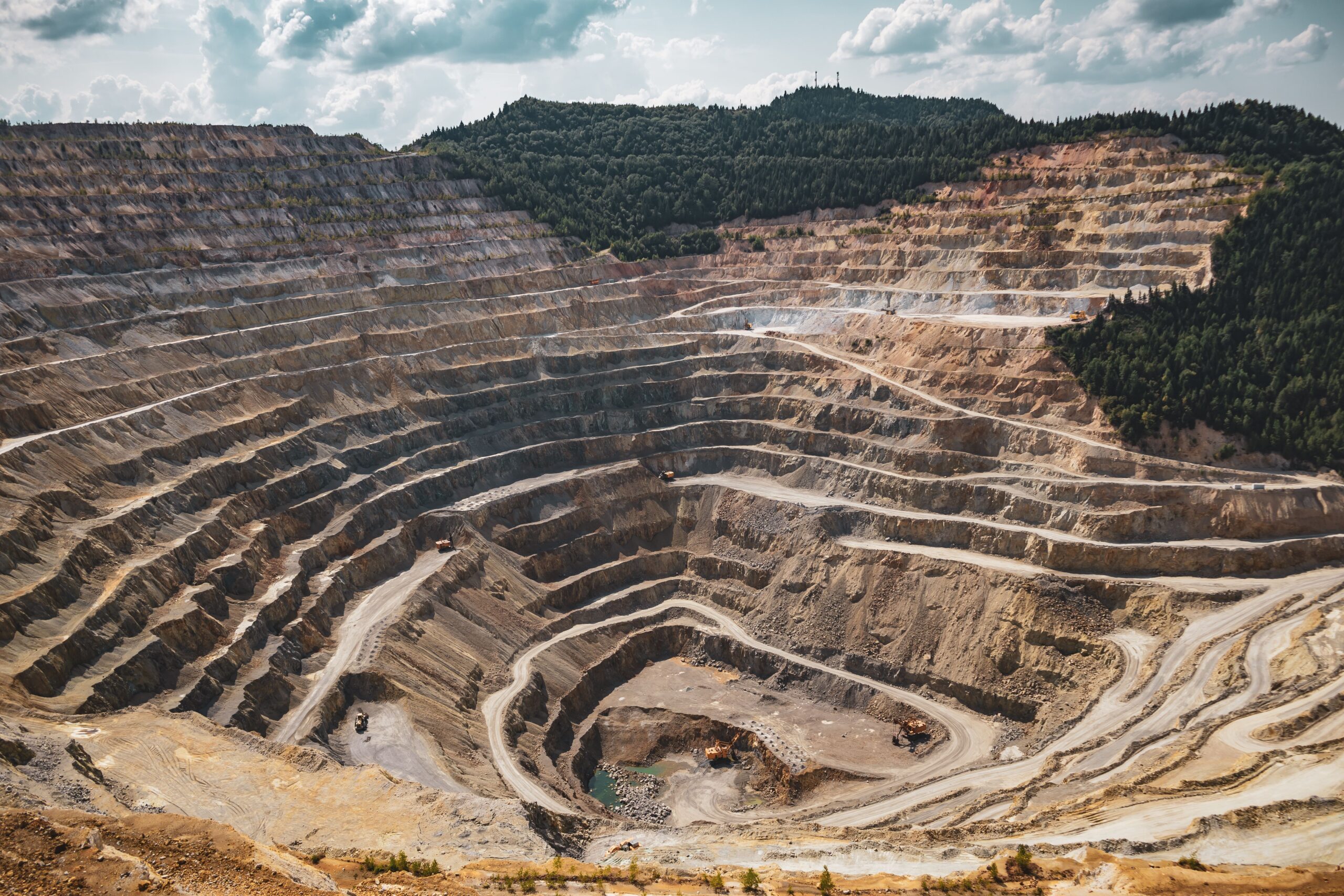
Mining is the extraction of minerals and metals from the Earth’s crust, and it takes three main forms: open-pit, underground and alluvial. Its environmental impact is enormous: between 2001 and 2023, mining caused the loss of 19,765 km² of forest and released 0.75 gigatonnes of CO₂, more than double previous estimates (Nature Communications 2025). What…
Fossil Fuels: What They Are and Why They’re Running Out
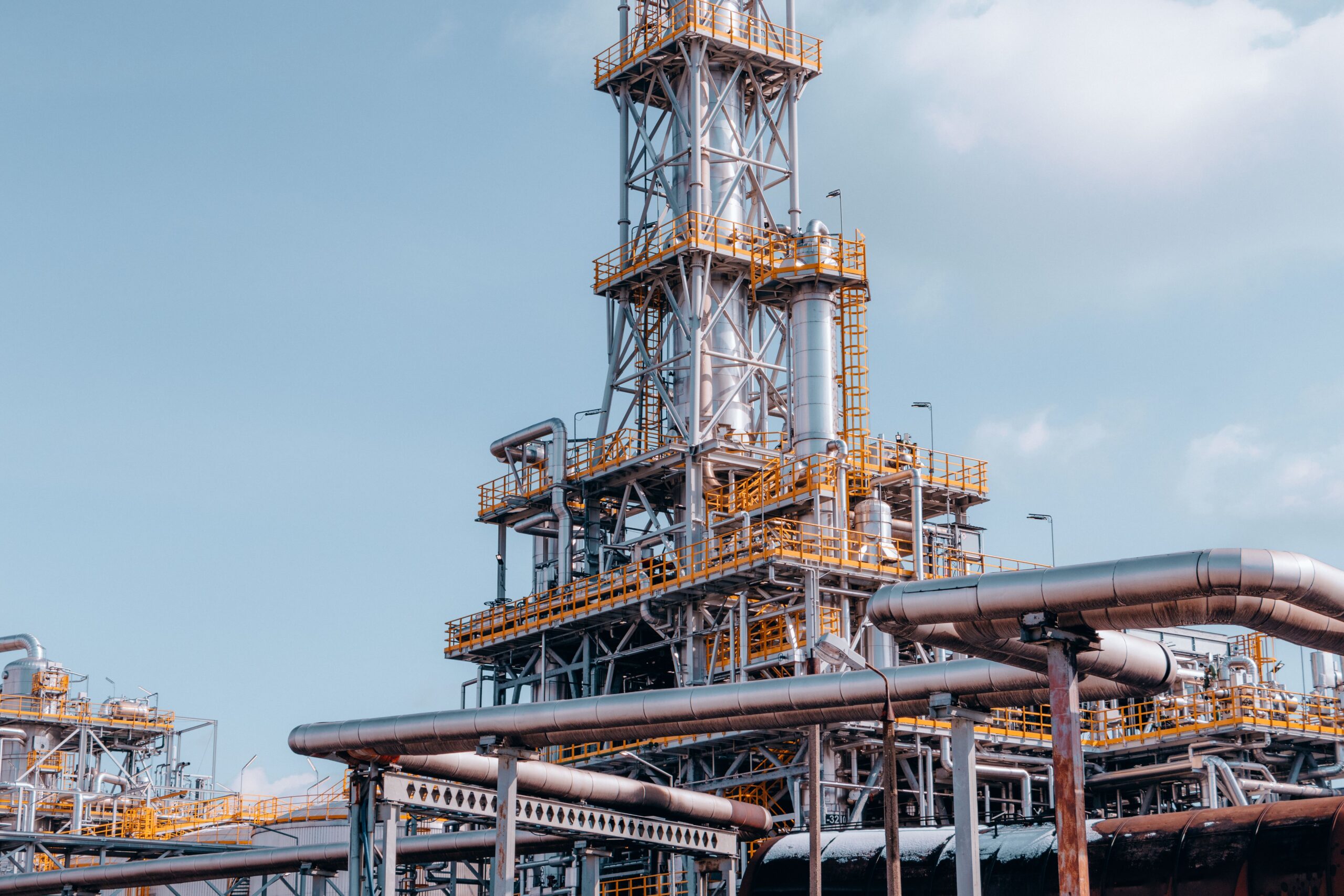
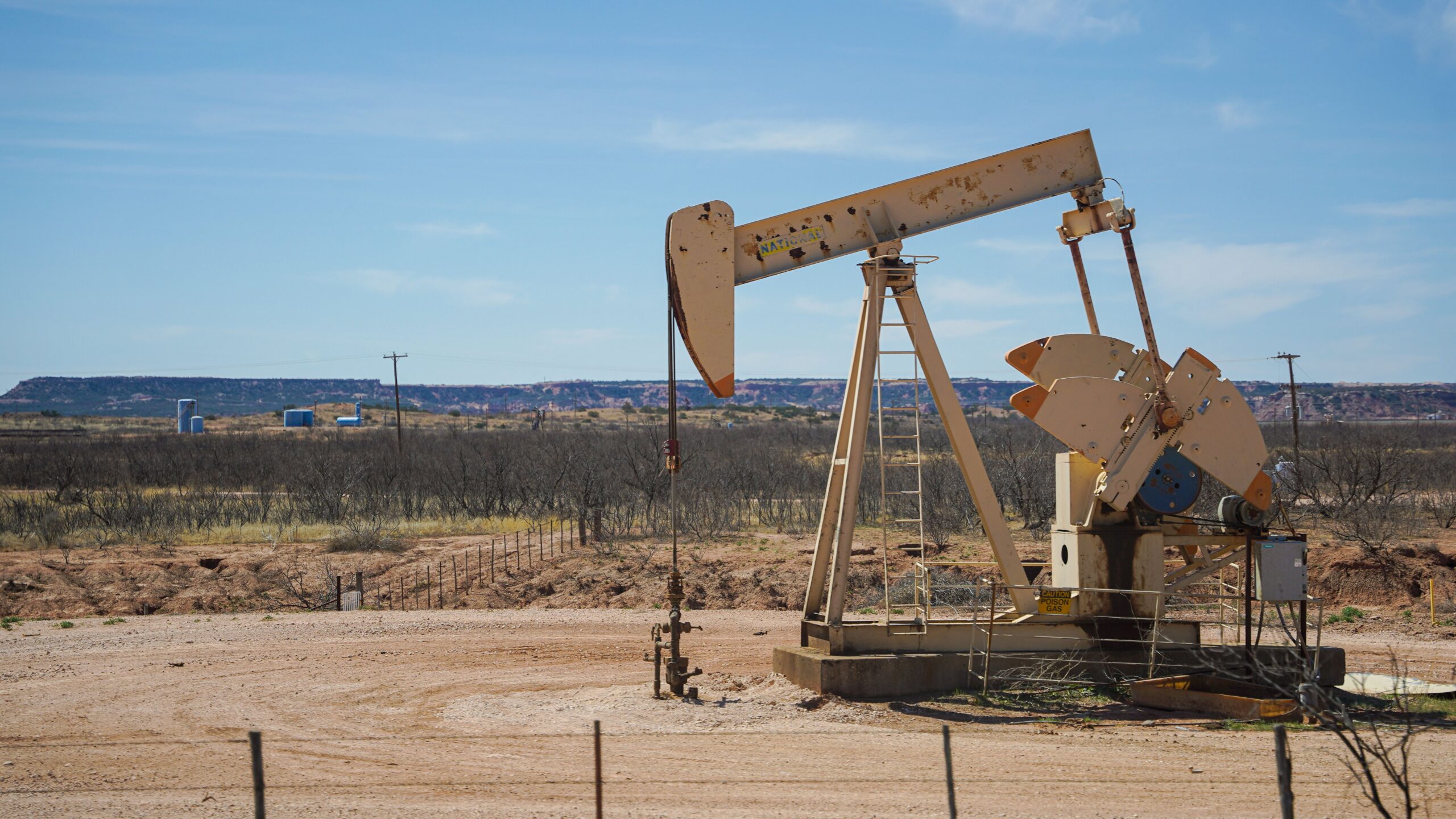
Fossil fuels (oil, coal and natural gas) are energy sources formed over millions of years from the remains of living organisms. They are non-renewable resources because they are consumed much faster than nature can replenish them. In 2025 they supplied about 86% of the world’s total energy supply (Energy Institute, 2026), and their CO2 emissions…

Natural Gas: What It Is, How It Forms and Its Uses
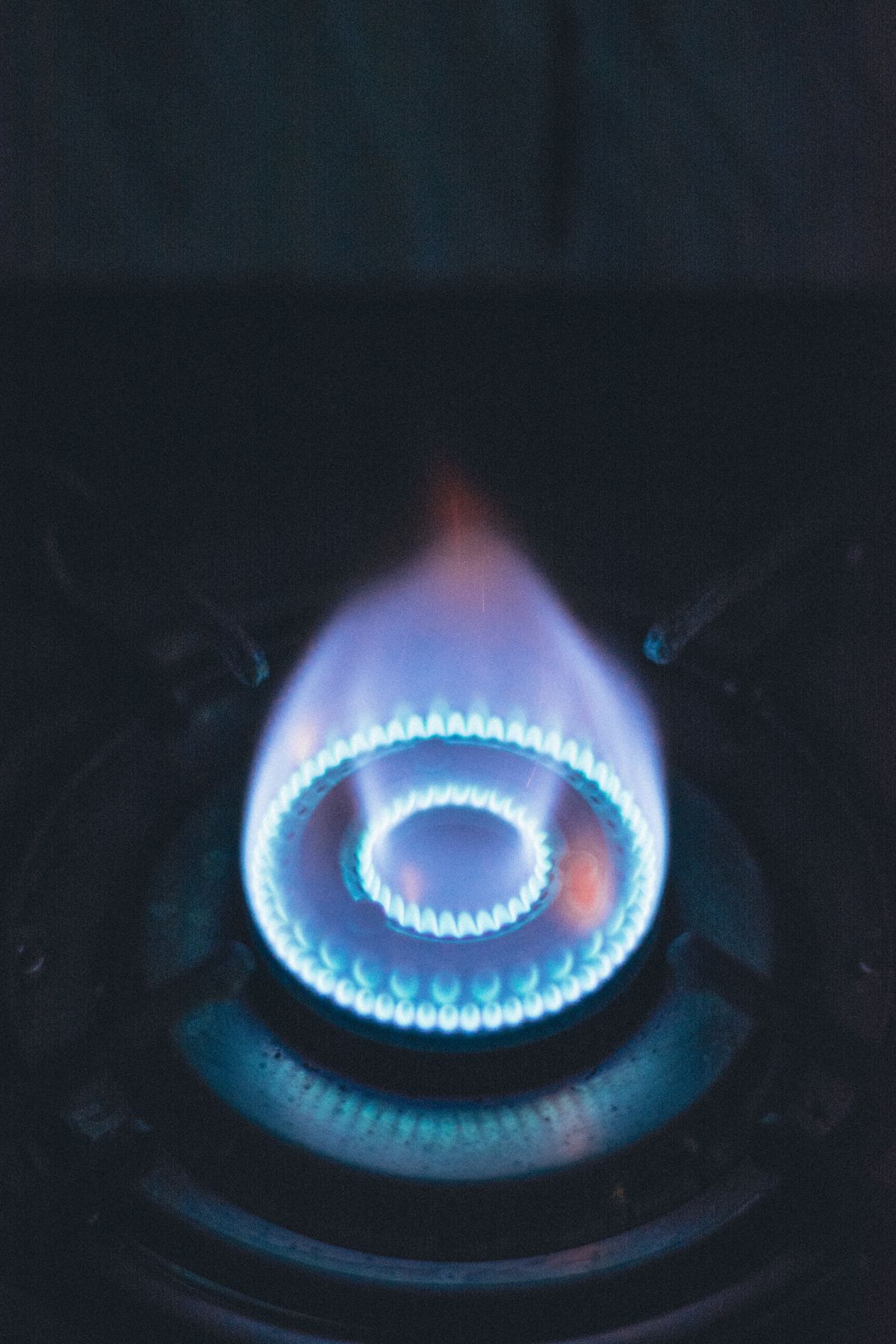
Natural gas is a fossil fuel made up mainly of methane (CH4) that formed over millions of years from buried organic remains. In 2024 it supplied about 22% of the world’s electricity, according to Ember, and demand for it grew 2.7% that year (IEA 2025). What exactly is natural gas, how does it form, and…
Coal: What It Is, Types, Uses and Environmental Impact
Coal is a combustible, carbon-rich sedimentary rock formed over millions of years from buried plant remains. It was the world’s largest source of electricity in 2024 (about 34%, according to Ember) and remains the largest single source of energy-related CO2 emissions (about 15 gigatonnes in 2021, according to the IEA). What types of coal are…

What Is Petroleum? How It Forms, Its Uses and Environmental Impact
Petroleum is a liquid fossil fuel formed over millions of years from the remains of marine organisms. It is a non-renewable natural resource and the world’s largest source of energy: although its share fell below 30% of global energy demand for the first time in 2024, it remains the mainstay of transportation and petrochemicals (IEA…

Uzbekistan Natural Resources: Gold, Natural Gas and Uranium
Uzbekistan’s natural resources are based on natural gas, oil and gold. What are Uzbekistan’s most valuable natural resources? The country produces about 129 tonnes of gold a year, much of it from the Muruntau mine, one of the largest in the world; it ranks 17th in natural gas production; and its gold reserves total 1,800…
Yemen Natural Resources: Oil, Coffee and Sidr Honey
Yemen’s natural resources are limited, but they include oil, gas and endemic biodiversity. What natural resources does Yemen have? After the conflict, its oil production fell to about 15,000 barrels a day in 2024, although it still has reserves of 3 billion barrels, 30th in the world. Yemen is a country at the southern tip…
United Arab Emirates Natural Resources: Oil, Gas and Solar Power
The natural resources of the United Arab Emirates rest on oil and gas. It has produced an average of almost four million barrels a day of oil and other liquids since 2016, and in 2025 it produced about 60 billion cubic meters of natural gas, the world’s 15th-largest output. Why is the United Arab Emirates…
Tunisia Natural Resources: Phosphates, Olive Oil and Petroleum
Tunisia’s natural resources include phosphates, oil, natural gas and minerals, in a territory that stretches from the Mediterranean to the Sahara. What are Tunisia’s most important natural resources? Phosphates and oil top the list, with crude production of about 29,863 barrels a day, reserves of 425 million barrels and iron ore mined mainly at Djerissa,…
Syria Natural Resources: Oil, Phosphates and the Euphrates
Syria’s natural resources revolve around oil and gas, with estimated reserves of 2,500 million barrels that place it around 32nd in the world. What natural resources does Syria have besides oil? It has the Euphrates and Tigris rivers, the 880 MW Tabqa Dam and 14.7 km³ of renewable freshwater resources, although the conflict has affected…