


Uzbekistan’s natural resources are based on natural gas, oil and gold. What are Uzbekistan’s most valuable natural resources? The country produces about 129 tonnes of gold a year, much of it from the Muruntau mine, one of the largest in the world; it ranks 17th in natural gas production; and its gold reserves total 1,800 tonnes.
Uzbekistan is a Central Asian country known for its rich cultural and architectural history. It also has natural resources of great importance.
Contents
From its vast gas and oil reserves to its valuable gold and silver deposits, Uzbekistan has a wide variety of natural resources that have been heavily exploited in recent years. In addition, its diverse geography and unique ecosystems make Uzbekistan a fascinating place to explore and study.
In this context, Uzbekistan’s natural resources are a vital source of income and an important part of its economy.
What are Uzbekistan’s most notable natural resources? How rich is the country’s natural wealth? What minerals are found there, and how does it rank globally? How many birds, reptiles, mammals, fish, amphibians and plants are there in Uzbekistan?
Natural resources
Natural resources are materials or energy sources provided by or found on Earth that are useful to humans. Every product we manufacture is made up of natural resources.
- Renewable resources: these can be restored by natural processes faster than the rate at which they are consumed. Examples include solar radiation, wind, hydroelectric power, water when used properly, and plant and animal life.
- Non-renewable resources: once extracted, these are depleted and cannot regenerate. Examples include hydrocarbons, metals and minerals.
Examples of Uzbekistan’s main natural resources
Uzbekistan: an environmental snapshot in six figures
The most frequently cited indicators on the country’s natural heritage.
| Forest cover | 8.5% of land area2023 |
|---|---|
| Protected land area | 14.1% of land area2025 |
| Renewable freshwater per capita | 468 m³ per year2022 |
| Natural resource rents | 20.5% of GDP2021 |
| Electricity from renewable sources | 7.1% of total generation2021 |
| Threatened species | 54 mammals, birds, fish and plants2022 |
Oil and gas resources in Uzbekistan
According to Worldometer (2024), Uzbekistan produces around 44,800 barrels of oil per day. It also had oil reserves of 594,000,000 barrels in 2022, which places it 45th in the world for oil reserves.
Although Uzbekistan is not one of the world’s leading oil producers, this natural resource is important for the country’s economy. Uzbekistan’s main oil-producing region is Bukhara-Khiva.
Uzbekistan also has abundant natural gas resources, which allowed it to produce about 43.2 billion cubic meters in 2023. The country ranks 17th among the world’s natural gas producers (CIA World Factbook).
Examples of Uzbekistan’s mineral resources
Uzbekistan has large coal reserves. According to 2016 data, its coal reserves amount to 1,515,676,250 tonnes, which represents 0.10% of the world’s coal reserves.
Uzbekistan also has a gold output of around 129 tonnes (2024) and gold reserves of 1,800 tonnes. It ranks 11th in the world for gold production. The country’s main mine is the Muruntau gold mine, considered one of the largest gold mines in the world.
Water resources of Uzbekistan
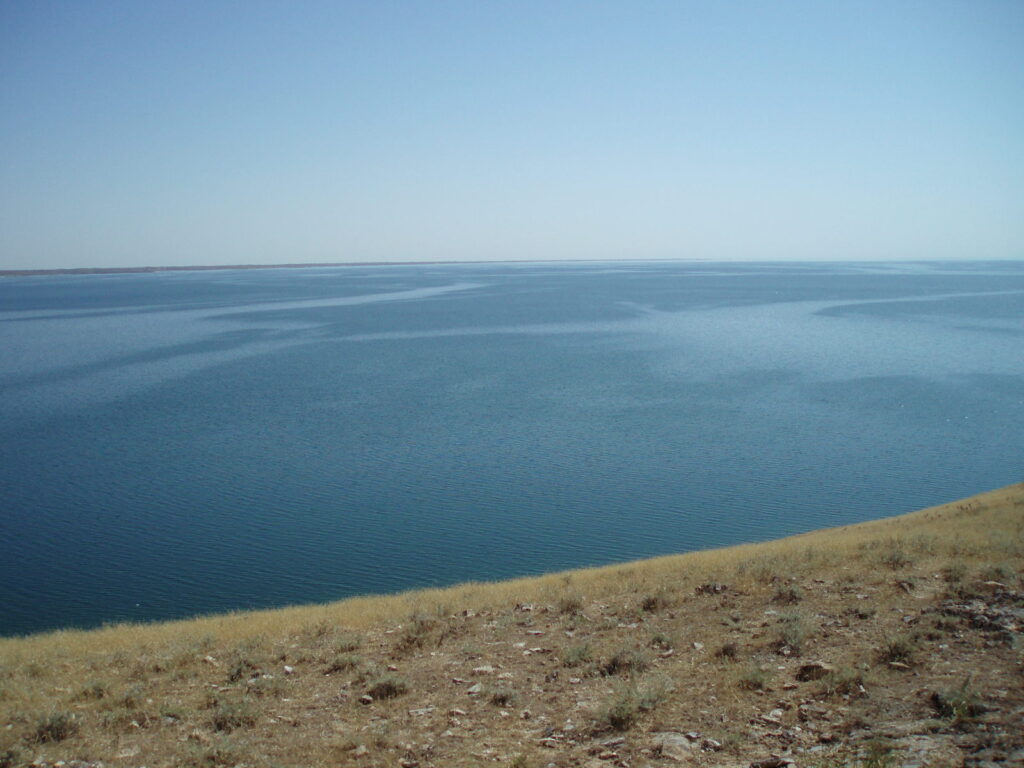
Uzbekistan has 48.87 km³ of renewable freshwater resources, which placed it 85th in the world ranking of water reserves in 2020. This Central Asian country has significant water resources: its most important rivers are the Amu Darya and the Syr Darya, and its main body of water is Lake Aydarkul.
Average rainfall and soils of Uzbekistan
Uzbekistan has an average annual rainfall of 206 mm, which places it 146th in the world ranking for average annual rainfall.
Renewable electricity and hydropower production in Uzbekistan
In 2025, Uzbekistan generated 16.8 TWh of electricity from renewable sources — 19% of its total generation of 86.7 TWh — and hydropower alone supplied 6.3 TWh (Ember, 2025). The country’s main hydroelectric plant is the Charvak Hydroelectric Power Plant, in the Tashkent region.
This plant has an installed capacity of 666 MW and is an important source of renewable energy for the country.
Forest resources of Uzbekistan
According to the World Bank (2023), forest covers 8.55% of Uzbekistan’s territory, equivalent to 37,672 km². Although it is not one of the world’s major forest regions, it ranks 75th in the world for forest area.
This natural resource is very important for the country’s economy and environment, and it is found mainly in the Chatkal forest region.
Environmental performance and protection of Uzbekistan’s natural resources
Uzbekistan has an Environmental Performance Index (EPI 2024) score of 42.6 and ranks 107th on the index. In addition, protected areas make up 14.1% of its land area (World Bank, 2025), which shows its commitment to conserving natural resources.
Natural parks of Uzbekistan: the hidden wealth of natural resources
Biodiversity: animal and plant resources of Uzbekistan
Birds of Uzbekistan
Uzbekistan has a rich diversity of birds, with a total of 371 species. However, it has a large number of threatened species, 19 in total.
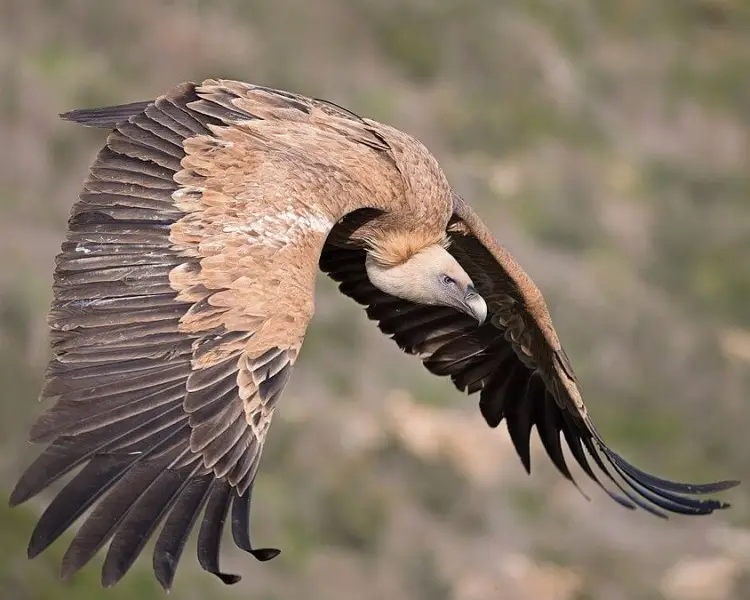
Among Uzbekistan’s most notable birds is the griffon vulture, a key species for the ecosystem and for the conservation of the country’s natural resources. Despite the challenges facing Uzbekistan’s biodiversity, the country continues to work to protect and preserve its natural resources and wildlife.
Fish and amphibians of Uzbekistan
In 2019, 2 amphibian species were recorded, placing the country 95th in the world for number of amphibian species.
On the other hand, 86 fish species were found, ranking 198th in the world for number of fish species. However, 7 of these fish species are threatened.
Mammals of Uzbekistan
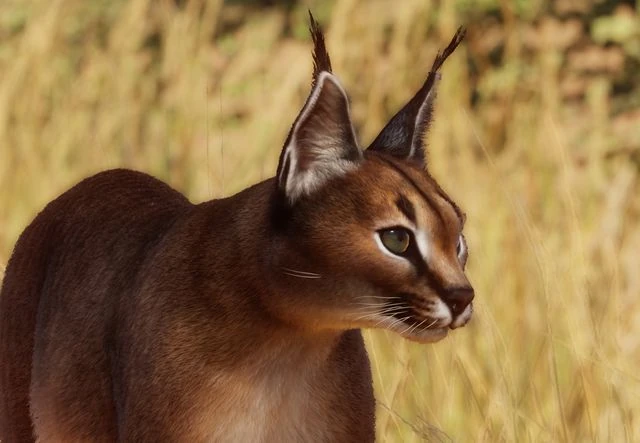
Uzbekistan has a great diversity of mammals, with a total of 83 species recorded in 2016. However, 10 of them are endangered. The caracal stands out.
Reptiles of Uzbekistan
Uzbekistan has a diversity of 61 reptile species, ranking 94th in the world. This natural resource is very important for the country, and a notable species is Horsfield’s tortoise (Testudo horsfieldii), which the IUCN classifies as vulnerable because of habitat loss and collection for the pet trade.
Plants of Uzbekistan
Uzbekistan has a great diversity of vascular plants, with a total of 4,344 species recorded in 2020, placing it 53rd in the world. Among the most notable species is cotton, a plant of great economic importance for the country.
Organizations that protect or study Uzbekistan’s natural resources
- International Union for Conservation of Nature (IUCN) – Promotes the conservation and sustainable use of Uzbekistan’s natural resources.
- The Nature Conservancy – Works to protect Uzbekistan’s biodiversity and natural resources.
- Conservation International – Protects Uzbekistan’s biodiversity and natural resources through science and innovation.
- Food and Agriculture Organization of the United Nations (FAO) – Promotes sustainable management of natural resources and agriculture in Uzbekistan.
- German Agency for International Cooperation (GIZ) – Works on conservation and sustainable natural resource management projects in Uzbekistan.
Muruntau, one of the largest open-pit gold mines in the world, operates in the Kyzylkum Desert: a pit about 3.5 by 3 kilometers and 600 meters deep that produces 66 tonnes of gold a year (Mining Technology, 2020). With this deposit, mined since 1967, Uzbekistan was the world’s ninth-largest gold producer in 2022, with 106,700 kilograms, or 3.4% of global output (USGS, 2024).
Gold: the weight of Navoi GMK
State-owned Navoi GMK accounts for about 80% of national gold output and controls 13 deposits, with Muruntau at the core (USGS, 2024). Its expansion plan, which includes developing the Pistali deposit, expanding Muruntau and building a tailings reprocessing plant, costs $3,100 million, would create 31,000 jobs and would raise by 30% a capacity that already stands at 80,000 kilograms a year (USGS, 2024).
Natural gas: from exporter to importer
Uzbekistan produced 51,660 million cubic meters of dry gas in 2022, but growing domestic consumption cut its exports from 13,200 million m³ in 2018 to 3,200 million in 2022 (USGS, 2024). The shortfall is covered by imports from Russia and Turkmenistan, and some industries are switching from gas to coal because of the shortage.
Uranium and strategic minerals
Uzbekistan is the world’s fifth-largest uranium producer: in 2022 it accounted for 6.7% of global output (USGS, 2024), and state-owned Navoiyuran reached 7,000 tonnes of uranium in 2025, all of it extracted by in-situ leaching, with no open-pit mines (World Nuclear Association, 2026). The country was also the world’s leading producer of kaolin (16.4% of the total) and the fourth-largest producer of rhenium in 2022 (USGS, 2024).
Sources used
- List of countries by mineral production – Wikipedia
- Economic data by country – The Global Economy
- Forest area (km²) – World Bank
- Forest area (% of land area) – World Bank
- Oil reserves – The Global Economy
- Coal reserves – Worldometers
- Water and agriculture statistics – FAO
- Precipitation (mm) – World Bank
- Environmental Performance Index – Environmental Performance Index
- Bird species – Mongabay
- Amphibian species by country – Mongabay
- Endemic mammal species – Our World in Data
- Plant species – Mongabay
- Reptile species by country – Mongabay
- Endemic bird species by country – Our World in Data
The World Bank noted in 2023 that Uzbekistan is one of the world’s largest cotton producers and has significant reserves of natural gas, gold and uranium.
Last updated: September 26, 2026

Leave a Reply