

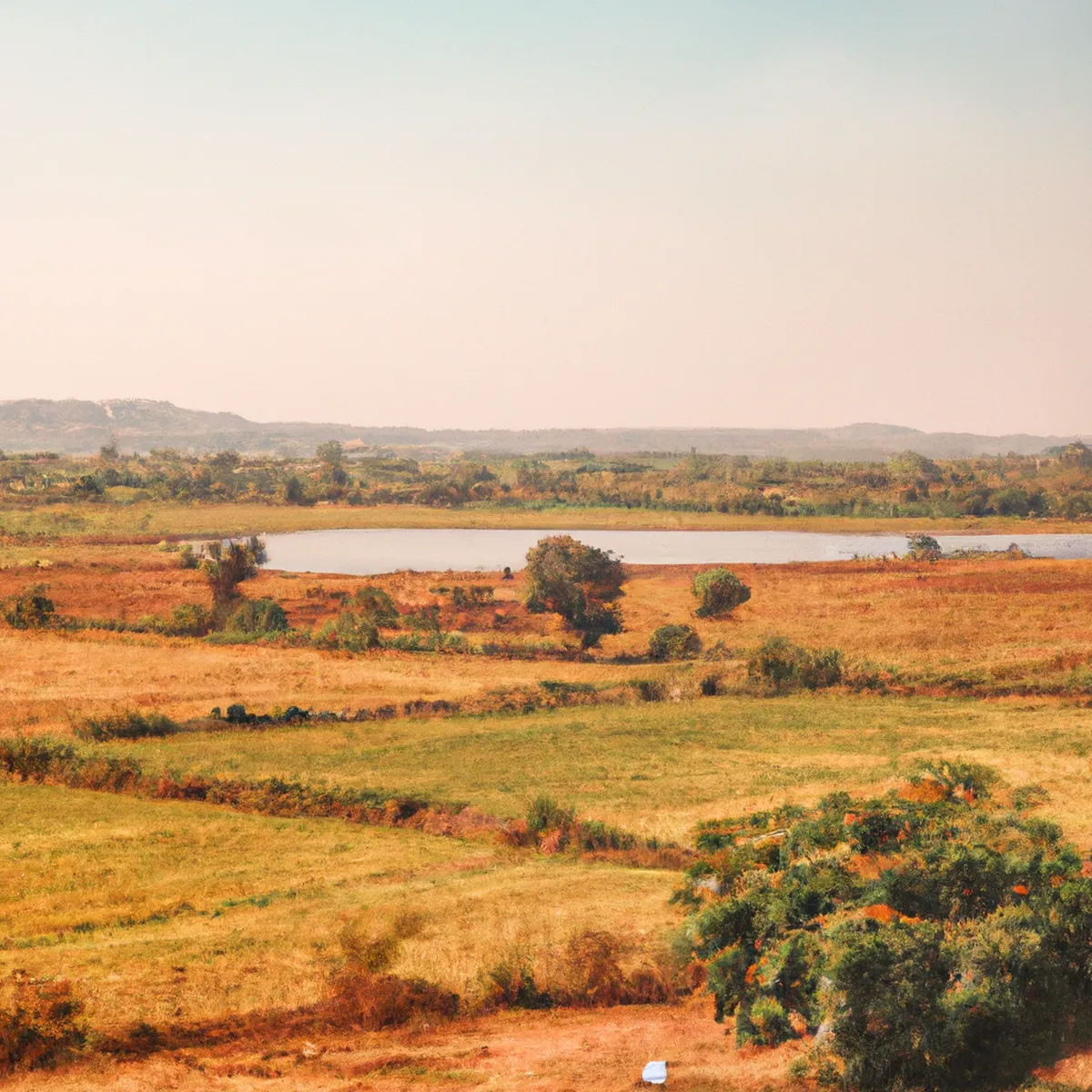
India’s natural resources center on vast mineral deposits, extensive arable land, and major river systems that sustain the world’s most populous nation. India is the world’s second-largest coal producer (surpassing 1 billion tonnes in 2024–2025), the second-largest aluminium producer (3,700 thousand tonnes), and produced a record 289 million tonnes of iron ore in FY2024–2025, alongside 2,161 km³ of renewable freshwater reserves.
India is a diverse and expansive country endowed with a vast spectrum of natural resources, forming a central pillar of our regional guide to Asia natural resources and the global natural resources by country directory. From the Himalayan peaks down to the shores of the Indian Ocean, the subcontinent encompasses mighty river systems, dense forests, arid deserts, and extraordinary biodiversity.
Table de contenidos
The natural resources of India are fundamental to its economy, with agriculture, mining, and heavy industry serving as key engines of national development. The utilization of these resources has driven industrialization and economic growth, while also presenting significant social and environmental challenges that require rigorous ecological stewardship.
What natural resources sustain India, and where does the country stand globally? What is its geological and mineral wealth? How does it generate energy, and how much freshwater is available? How diverse are its birds, reptiles, mammals, fish, amphibians, and plant species?
Natural Resources
Natural resources are materials or energy sources provided or found on Earth that are useful to humans; consult our guide on the primary types of natural resources for a comprehensive breakdown. All products manufactured today originate from natural resources.
- Renewable resources: can be naturally replenished at rates faster than their consumption. Key examples include solar radiation, wind currents, hydroelectric flows, freshwater when managed sustainably, and biological flora and fauna.
- Non-renewable resources: once extracted and consumed, these finite stocks deplete and cannot regenerate on human timescales. Key examples include fossil hydrocarbons, metals, and industrial minerals.
Examples of India’s Main Natural Resources
Environmental Profile of India
Land use, available freshwater, and energy in comparable figures.
| Agricultural land | 60.1% of land area2023 |
|---|---|
| Arable land | 51.8% of land area2023 |
| Forest cover | 24.5% of land area2023 |
| Renewable internal freshwater per capita | 1,014 m³ per year2022 |
| Renewable electricity output | 19.1% of total generation2021 |
| Terrestrial protected area | 7.7% of land area2025 |
| Resource | Reserves / Production | Source |
|---|---|---|
| Petroleum | 602,336 barrels/day (2021, 15th) | EIA |
| Natural gas | 26,210 million ft³ (27th) | EIA |
| Coal | 756.5M tonnes (2020, 2nd worldwide) | USGS |
| Aluminium | 3,700 thousand tonnes (2019, 2nd) | USGS |
| Iron ore | 289M tonnes (FY2024–2025, record high) | GMK Center 2025 |
| Freshwater | 2,161 km³ (6th, 2020) | FAO |
Oil and Gas Resources in India
India maintains crude oil production of approximately 602,336 barrels per day as of 2021, ranking 15th globally. Its petroleum reserves are primarily concentrated in the western offshore basins, notably Mumbai High, as well as onshore fields in Assam and Gujarat.
In natural gas, India produced approximately 26,210 million cubic feet, ranking 27th globally. The Krishna Godavari Basin in the eastern offshore region represents one of the nation’s most strategic gas development zones.
Examples of Mineral Resources of India
India is the world’s second-largest producer of coal, with output recorded at 756.5 million tonnes in 2020 and surging beyond 1 billion tonnes in subsequent fiscal years. In addition, the nation possesses massive proven coal reserves of 107,726,551,700 tonnes (2016 figures), accounting for 9.50% of global coal reserves. The primary coal-mining heartland is the Damodar River Basin in the state of Jharkhand, alongside deposits in Odisha and Chhattisgarh. Explore our specialized guide to mineral resources to contextualize India’s global mining footprint.
India is the second (2nd) largest producer of aluminium in the world, with refined output reaching 3,700 thousand tonnes in 2019. Bauxite mining and primary aluminium smelting are heavily concentrated in the mineral-rich state of Odisha.
In 2020, India produced approximately 900 thousand tonnes of copper ore and concentrates, ranking fifth globally in production. The leading copper-producing hub in India is the state of Rajasthan, with substantial smelting operations supporting domestic electrical wiring, power transmission, and electronics manufacturing.
In fiscal year 2024–2025, India produced a record-breaking 289 million tonnes of iron ore, according to data from the Ministry of Mines of India (GMK Center, 2025), consolidating its status among the world’s leading suppliers. The primary iron-producing region is the state of Odisha, followed by Chhattisgarh and Karnataka, feeding India’s rapidly expanding domestic steel sector.
Water Resources of India
India possesses an impressive renewable freshwater reserve of 2,161 km³, ranking sixth in the world in total water volume in 2020. Read our detailed analysis on global water resources to understand how monsoon patterns shape agricultural availability.
The Ganges and Brahmaputra river systems form the lifeblood of northern and eastern India, providing irrigation, transport, and drinking water to hundreds of millions, while Chilika Lake in Odisha represents the country’s largest coastal freshwater-brackish lagoon.

Average Rainfall and Soils of India
India receives an average annual precipitation of 1,083 mm, ranking 74th globally in average rainfall. Driven primarily by the southwest monsoon, soil humidity varies sharply across the country: fertile alluvial soils dominate the moist Indo-Gangetic Plains, while nutrient-rich black cotton soils (regur) span the semi-arid Deccan Plateau, and arid red and laterite soils characterize rain-shadow belts.
Renewable Electricity and Hydropower Production in India
India produces a substantial amount of renewable electricity, generating over 1,598,417 GWh across all sources. Of this total, approximately 165,135 GWh is produced by hydroelectric facilities. For broader comparative data, see our overview of global energy resources.
The premier hydroelectric project in the country is the Sardar Sarovar Dam, situated on the Narmada River in Gujarat, featuring an installed capacity of 1,450 MW and providing vital irrigation and peaking power.

Forest Resources of India
India is endowed with abundant forest resources, with the Sundarbans mangrove ecosystem in West Bengal standing out as the largest contiguous tidal halophytic mangrove forest on Earth. In 2020, forest cover reached 24.27% of total land area, encompassing 721,600 km². For an in-depth ecological perspective, see our comprehensive guide to forest resources.
These figures place India ninth in the world in total forest area, underscoring the critical balance between industrial expansion and ecological preservation.
Environmental Performance and Protection of India’s Natural Resources
India is a nation of immense biological richness. In the 2024 Environmental Performance Index (EPI), India received an overall score of 27.6, ranking 176th worldwide, according to the EPI 2024 results from Yale University. Terrestrial and marine protected areas cover 4.40% of the country’s sovereign territory, reflecting ongoing initiatives to expand wildlife corridors and habitat conservation.
Natural Parks of India: The Hidden Wealth of Natural Resources
Biodiversity: Animal and Plant Resources of India
Birds of India
India is home to an extraordinary avian diversity, recording approximately 1,212 bird species in 2019 and ranking eighth in the world. However, 88 of these bird species face conservation threats.
In addition, India records 55 endemic bird species, ranking 17th globally in bird endemism. Prominent species include the Indian peafowl (Pavo cristatus), the national bird, and the critically endangered Great Indian Bustard.
Avian protection in India is vital for maintaining ecological balance and pest control across major agricultural river basins.
Fish and Amphibians of India
India harbors exceptional aquatic and amphibian biodiversity. In 2019, 434 amphibian species were documented, placing the country sixth worldwide.
On the aquatic front, India is home to 2,583 fish species, ranking 11th globally. Nonetheless, 227 of these fish species are currently classified as threatened.
Notable amphibian species include the Malabar gliding frog (Rhacophorus malabaricus), while freshwater fish include the iconic flathead catfish and mahseer inhabiting Himalayan and peninsular rivers.
Mammals of India
India sustains remarkable mammalian diversity, harboring a total of 436 mammal species, of which 93 are threatened. This biodiversity places India seventh worldwide in mammalian richness.
The country also stands out with 54 endemic mammal species as of 2020, ranking twelfth globally in mammal endemism. The Bengal tiger (Panthera tigris tigris) represents the pinnacle of its apex predator conservation efforts.

Reptiles of India
India is a global powerhouse of reptilian diversity, recording 689 reptile species in 2019 and holding fifth place worldwide. Renowned native reptiles include the King Cobra (Ophiophagus hannah), the Indian python, and the critically endangered Gharial crocodile inhabiting northern river systems.
Plants of India
India boasts rich floral diversity, recording over 15,000 vascular plant species and ranking 11th globally in overall plant species richness.
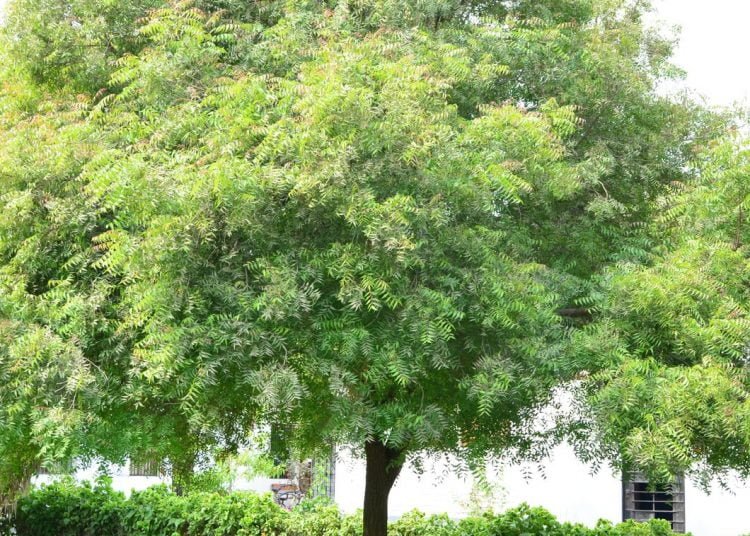
A flagship native botanical resource is the Neem tree (Azadirachta indica), celebrated in traditional Ayurvedic medicine, organic agriculture, and modern biopesticide formulations.
Organizations That Protect or Study India’s Natural Resources
- WWF India – Protects biodiversity and advocates for conservation of India’s natural resources.
- Greenpeace India – Campaigns against environmental pollution and climate change impacts across India.
- TERI – Promotes sustainable energy, resource efficiency, and environmental research.
- CPREEC – Fosters environmental education and biodiversity conservation across southern India.
- Wildlife Trust of India – Conserves wildlife habitats and rescues endangered fauna nationwide.
- Ministry of Environment, Forest and Climate Change – Central government authority managing national environmental policy, forestry, and wildlife reserves.
India is the world’s second-largest coal producer, trailing only China (IEA, 2024). At the same time, it ranks among the planet’s rare megadiverse countries, with the Western Ghats serving as a global epicenter of endemic species (WWF India).
Coal and Iron: The Mineral Backbone
Domestic coal production surpassed 1 billion tonnes in fiscal year 2024–2025, with coal supplying nearly 55% of the total primary energy supply and over 74% of national electricity generation (Ministry of Coal of India, 2025). In tandem, India stands as the world’s fourth-largest producer of iron ore (USGS, 2025).
Power Grid and Renewables
Fossil fuels supplied 78% of power generation in 2024, led by coal (1,534 TWh). Wind and solar combined accounted for approximately 10%, while hydropower generated 9%. In that same year, India overtook Germany to become the world’s third-largest producer of solar and wind electricity (Ember, 2024).
Megadiversity and Unique Species
The Western Ghats, designated as a UNESCO World Heritage site, harbor more than 30% of all plant, fish, bird, and mammal species in India. Among the 650 recorded tree species in the range, 54% are strictly endemic (WWF India).
Forest Cover
Total forest and tree cover spans 827,357 km², representing 25.17% of the nation’s geographical area. Forest area proper accounts for 21.76% (715,343 km²) of national territory (ISFR/FSI, 2023).
Frequently Asked Questions
What is India’s global rank in coal production? India is the world’s second-largest coal producer after China, with domestic extraction surpassing 1 billion tonnes in FY2024–2025 (IEA, 2024; Ministry of Coal of India, 2025).
How much forest cover does India have? Forest cover proper extends over 21.76% of the country (715,343 km²); when combined with tree canopy outside recorded forests, the aggregate canopy reaches 25.17% (ISFR/FSI, 2023).
Sources Used
- Lists of Countries by Mineral Production – Wikipedia
- Economic Data by Country – The Global Economy
- Forest Area (sq. km) – World Bank
- Forest Area (% of Land Area) – World Bank
- Crude Oil Reserves – The Global Economy
- Coal Reserves by Country – Worldometers
- AQUASTAT Water and Agriculture Statistics – FAO
- Average Precipitation in Depth (mm per year) – World Bank
- Yale Center for Environmental Law & Policy — Environmental Performance Index 2024
- Bird Species by Country – Mongabay
- Amphibian Species by Country – Mongabay
- Mammal Species by Country – Mongabay
- Endemic Mammal Species by Country – Our World in Data
- Plant Species by Country – Mongabay
- Reptile Species by Country – Mongabay
- Endemic Bird Species by Country – Our World in Data
The International Renewable Energy Agency (IRENA) highlighted that India surpassed 175 GW of installed renewable power capacity, cementing its rank as the fourth-largest solar power market in the world.
Last updated: August 19, 2026 (Official indicators and resources factsheet review)

Leave a Reply