

Solar energy is power harnessed from the Sun’s radiation, captured primarily through photovoltaic panels that convert light into electricity and solar thermal collectors that produce heat. In 2024, the world installed a record 451.9 GW of new solar PV capacity, pushing cumulative capacity past 1,865 GW, according to IRENA. Why has solar energy become the fastest-growing source of new electricity on Earth?
Solar energy is today the fastest-growing electricity generation technology on the planet. In 2024 alone, the world added 451.9 GW of new solar photovoltaic (PV) capacity—a 32.2% year-on-year increase—bringing total cumulative installations past 1,865 GW globally (IRENA 2025). Together, solar PV and wind energy accounted for 96.6% of all net renewable capacity additions worldwide that year.
Table de contenidos
Harnessing sunlight is not new, but its massive, exponential rollout is: sustained cost declines and steady photovoltaic efficiency improvements have turned solar power into the centerpiece of the clean energy transition. As an infinite natural flow, it complements other vital renewable natural resources like wind, water, and biomass.
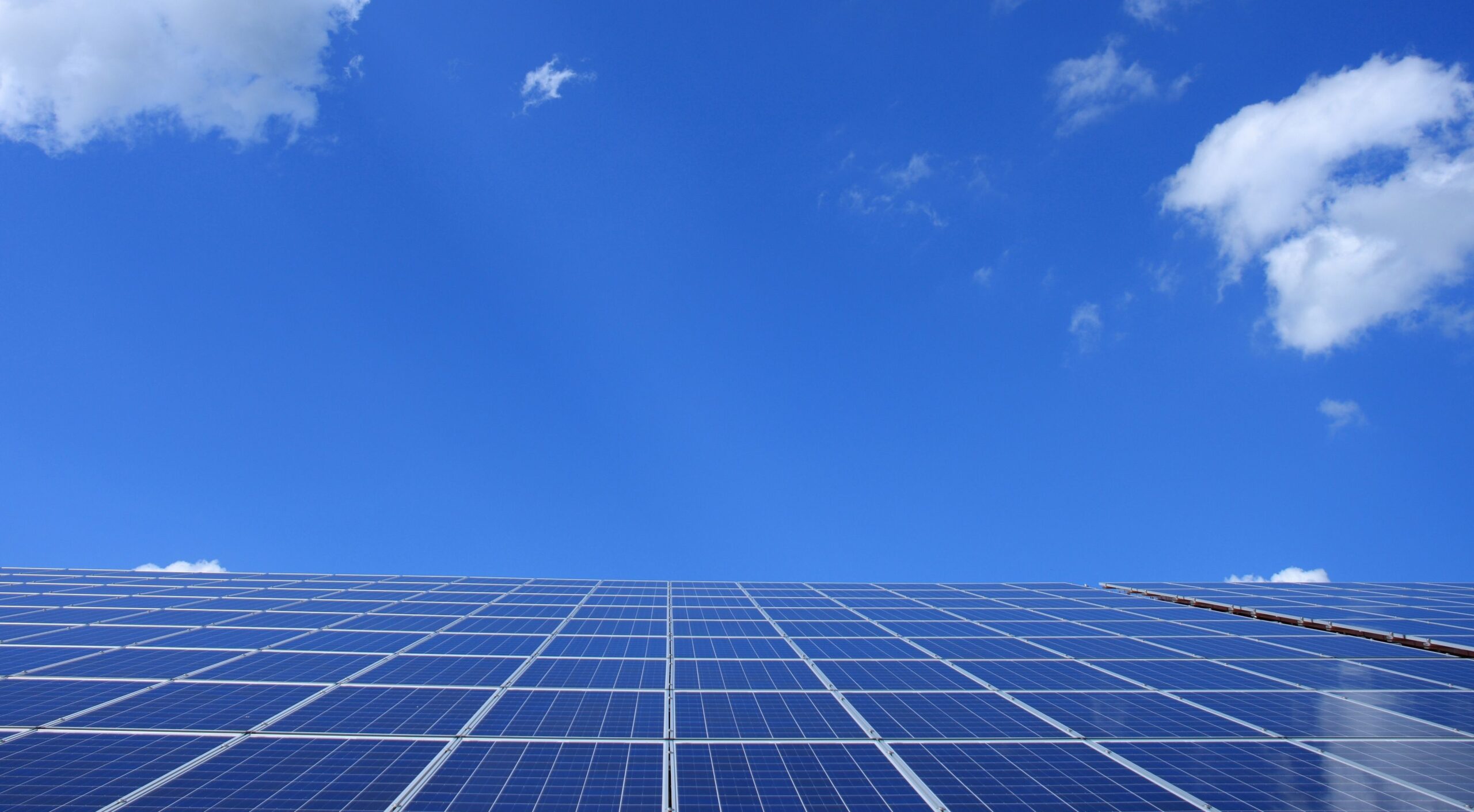
What is solar energy, and how do photovoltaic cells generate electric current? How does solar PV differ from concentrating solar-thermal power (CSP)? How much capacity is installed globally, and which nations dominate the market? What are its primary advantages, and what technical challenges remain? Below, we explore these questions with verified data from IRENA, the IEA-PVPS, and Our World in Data.
Natural Resources
Natural resources are materials or energy sources provided or found on Earth that are useful to humans. Every product we manufacture is made from natural resources.
- Renewable resources: can be restored by natural processes faster than the rate of consumption. Examples include solar radiation, wind, hydroelectric power, water when properly managed, and plant and animal life.
- Non-renewable resources: once exploited, they are depleted and cannot regenerate. Examples include hydrocarbons, metals, and minerals.
What Is Solar Energy?
Solar energy is radiant light and heat emitted by the Sun that reaches Earth. It is an inexhaustible, clean resource on a human timescale: every single hour, Earth’s surface intercepts more solar radiation than the entire human species consumes in a full year. The central technological challenge has never been resource availability, but capturing, converting, and storing that energy economically and efficiently.
There are two primary technological families for converting solar radiation. Solar photovoltaic (PV) technology directly converts light into electricity using semiconductor wafer cells. Solar thermal energy—including concentrating solar power (CSP) and solar thermal collectors—absorbs heat to warm water for domestic use, or generates high-temperature steam to spin turbines and produce electricity. Solar PV is by far the dominant and most rapidly expanding technology worldwide, serving as a frontline alternative to non-renewable resources like coal and natural gas.
How Does Solar Energy Work?
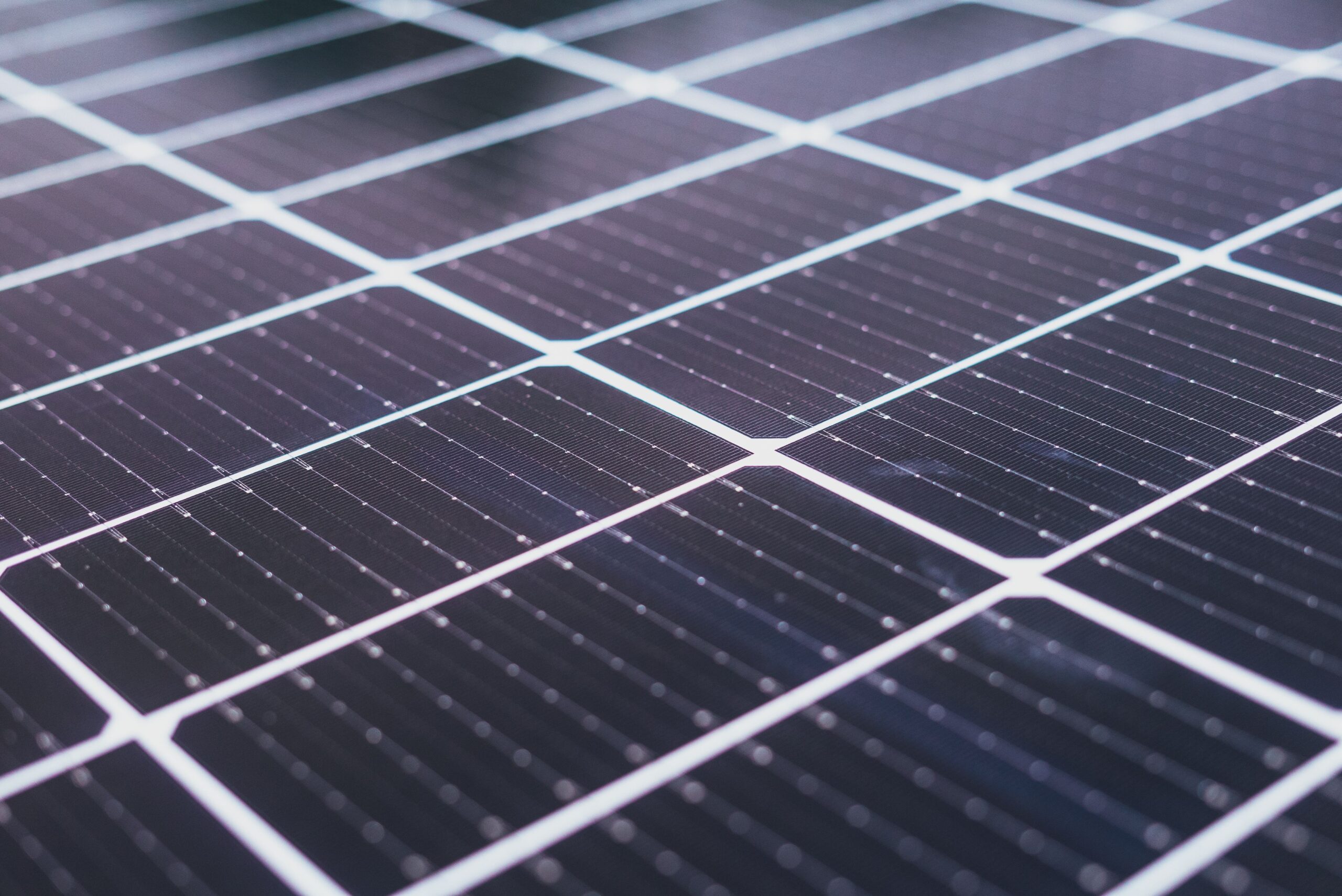
In a photovoltaic system, panels are assembled from semiconductor cells, predominantly crystalline silicon. When incoming photons strike the silicon p-n junction, they impart energy to electrons, knocking them free and generating a direct electrical current (DC)—a phenomenon known as the photovoltaic effect. An inverter then converts this direct current into alternating current (AC), compatible with commercial electrical grids and home appliances. Because PV panels contain no moving mechanical parts, they require minimal maintenance and operate entirely silently.
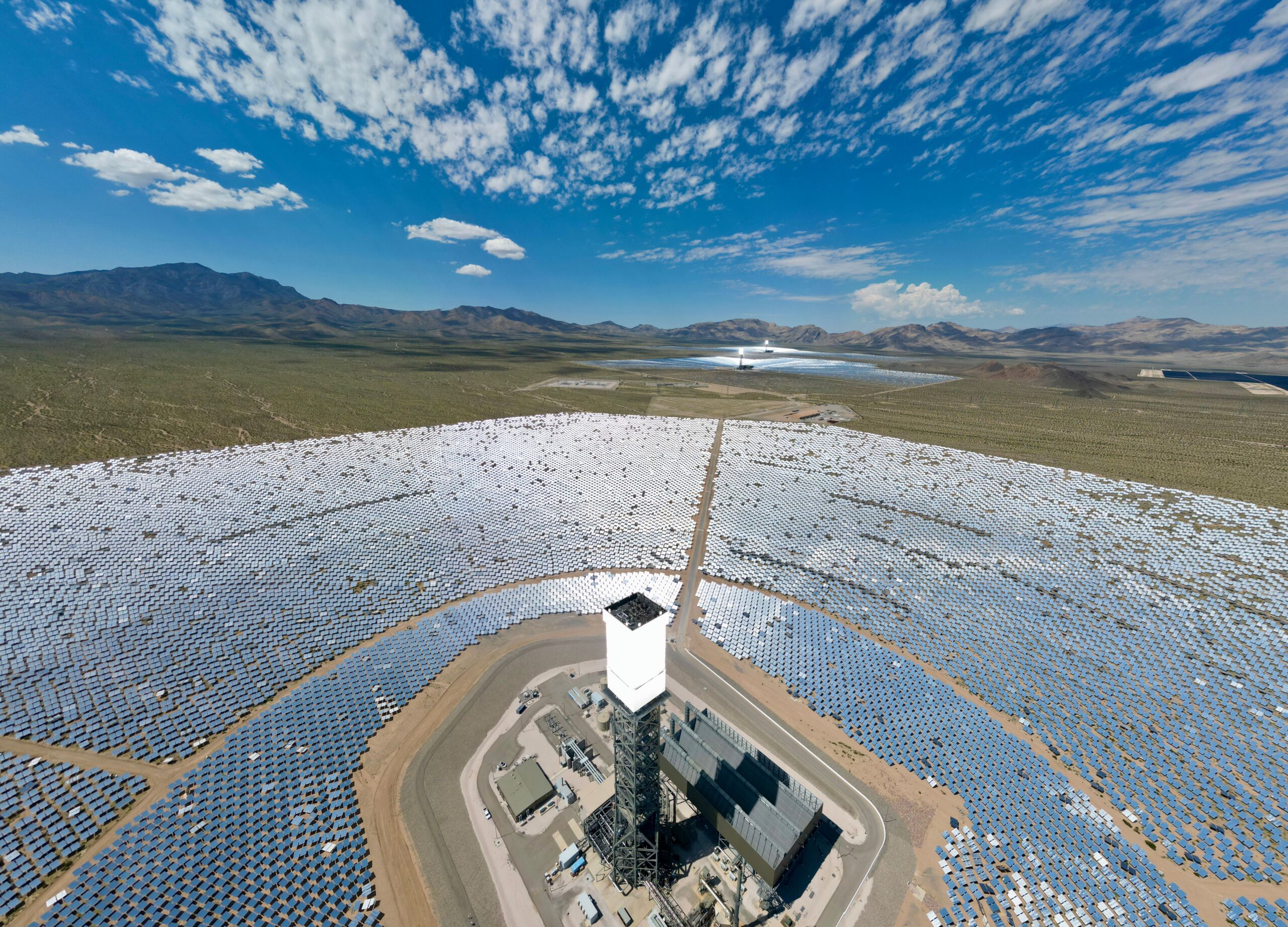
In concentrating solar power (CSP) plants, large mirrors (heliostats or parabolic troughs) track the Sun and concentrate sunlight onto a central receiver containing a heat transfer fluid, such as molten salt. The superheated fluid creates high-pressure steam that drives a conventional turbine generator. CSP’s significant advantage is thermal energy storage: molten salt reservoirs store heat cheaply, allowing plants to dispatch electricity during evening peak hours long after sunset. In 2024, solar photovoltaics surpassed a historic milestone, supplying over 10% of total global electricity demand for the first time (IEA-PVPS 2025).
Global Installed Solar Capacity
The speed of global solar deployment is unprecedented in energy history. According to IRENA, cumulative global solar capacity stood at approximately 1,865 GW at the close of 2024, driven by a record single-year addition of 451.9 GW (+32.2% year-over-year) (IRENA 2025). The IEA Photovoltaic Power Systems Programme (IEA-PVPS), utilizing an all-inclusive grid-connected metric, estimates cumulative global PV capacity exceeded 2.2 TW (2,200 GW) by the end of 2024, with over 600 GW of new systems connected in that single year (IEA-PVPS 2025).
Projections indicate that global solar additions will top 510 GW annually, pushing cumulative installed capacity toward 2,392 GW (IRENA 2025). This rapid expansion is central to driving sustainable consumption and enabling sustainable cities to decarbonize urban power grids.
Leading Countries in Solar Energy
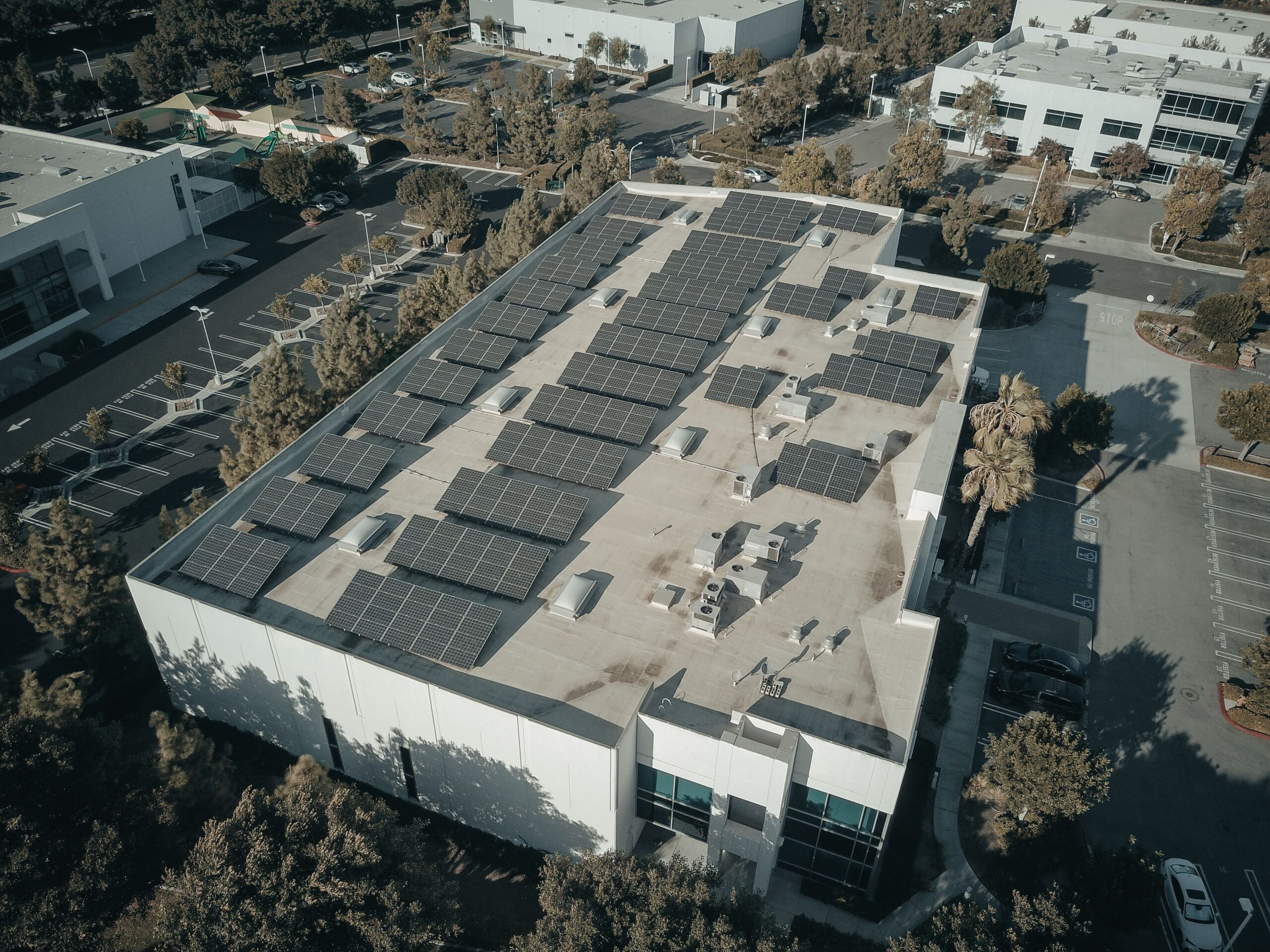
China holds an unmatched leadership position across every segment of the solar supply chain and installation market. In 2024, China deployed approximately 357.3 GW of new photovoltaic capacity—nearly 60% of all global installations—becoming the first nation in history to exceed 1 TW (1,000 GW) of cumulative solar PV capacity within its borders (IEA-PVPS 2025). Beyond China, the European Union added 62.6 GW, the United States deployed 47.1 GW, and India added 31.9 GW (more than doubling its previous annual rate). Globally, 34 individual nations installed more than 1 GW of new solar in 2024.
Source: IEA-PVPS, Snapshot of Global PV Markets 2025.
Advantages and Disadvantages of Solar Energy
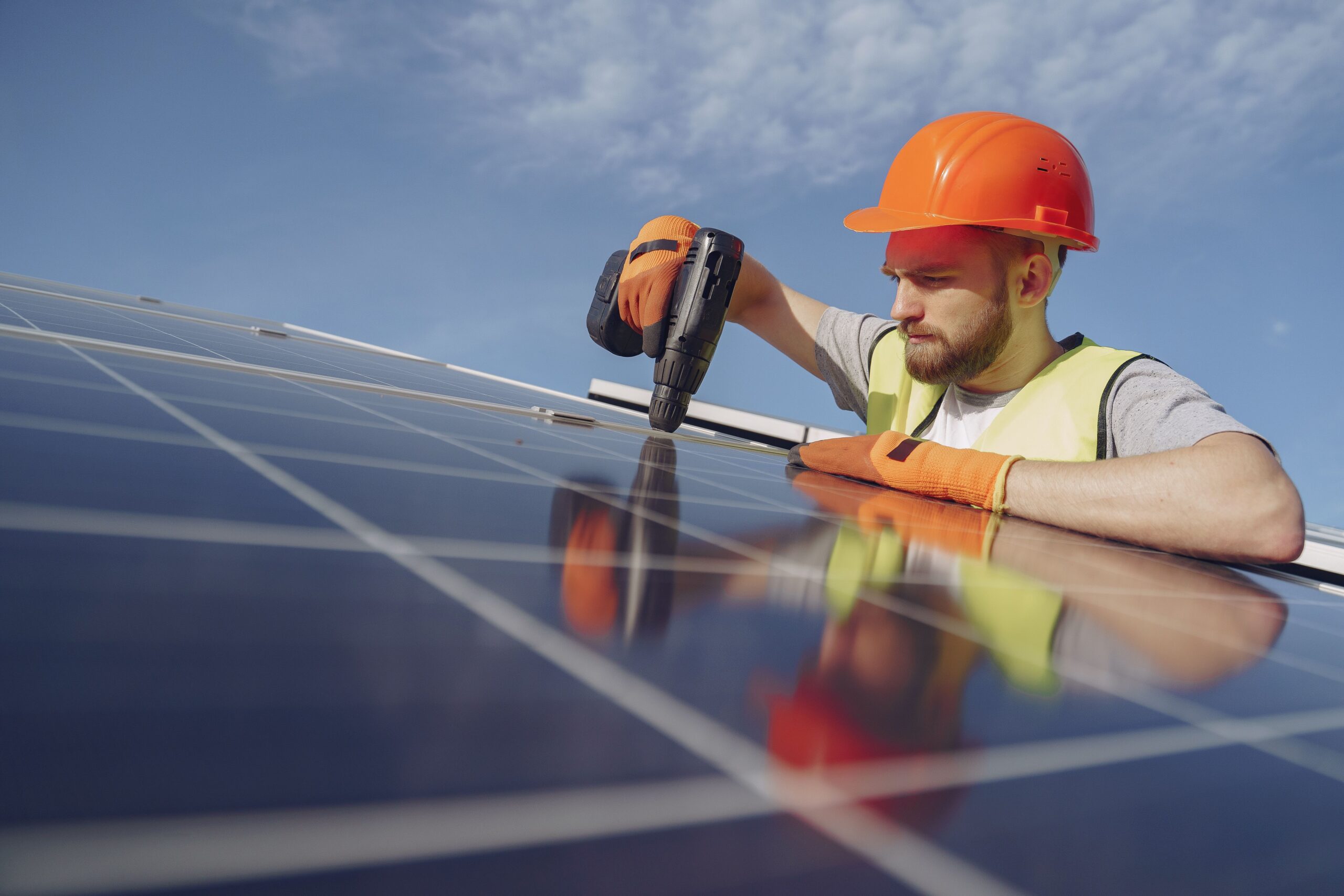
Solar energy offers compelling advantages: it is an inexhaustible, truly renewable resource; it emits zero greenhouse gases during operation; it features low operational and maintenance expenses; it scales modularly from a 3 kW residential rooftop to multi-gigawatt desert solar parks; and it is now the lowest-cost source of bulk electricity in history. In 2024, the global average levelized cost of electricity (LCOE) for utility-scale solar PV dropped to just 0.043 USD/kWh, while total installed installation costs plunged to 691 USD/kW—an extraordinary 87% reduction compared to 2010 levels (pv magazine / IRENA 2025).
Its primary disadvantages include: intermittency (solar generates zero power at night and fluctuates with cloud cover), requiring complementary battery energy storage systems (BESS), pumped hydro, or grid-level balancing; land use requirements for large ground-mounted arrays; and mineral demand (silicon, silver, and aluminum) during panel manufacturing. However, life-cycle emissions assessments confirm that solar panels generate 20 to 30 times more clean energy over their 25-to-30-year lifetime than was consumed during their manufacturing, and battery technology is scaling rapidly to address diurnal intermittency.
Falling Costs: Why Solar Is So Competitive
The collapse in photovoltaic costs is the single greatest economic catalyst behind the global clean energy transition. According to IRENA data, the levelized cost of electricity from utility-scale solar has dropped approximately 90% since 2010, making new solar farms roughly 56% cheaper than the lowest-cost fossil fuel alternative in most major global markets (pv magazine / IRENA 2025).
This remarkable deflation follows Swanson’s Law: empirical data compiled by Our World in Data demonstrates that the real price of photovoltaic modules has declined by approximately 20% every single time cumulative global manufacturing capacity has doubled (Our World in Data 2024). Massive industrial scale, automated manufacturing, and wafer thinness improvements have created a virtuous economic cycle: lower costs drive greater deployment, which in turn unlocks further economies of scale.
Explore Related Guides
To dive deeper into clean energy, natural resources, and the global sustainability transition, explore these foundational guides:
- What Are Renewable Resources? Types and Examples
- Non-Renewable Natural Resources: Types and Examples
- Energy Resources: Types, Sources and Uses
- Sustainable Consumption: What It Is and Real Examples
- Sustainable Cities: What They Are and Real Examples
- China Natural Resources: Rare Earths, Coal, Hydro and Solar
- India Natural Resources: Coal, Iron Ore, Arable Land and Solar
- Spain Natural Resources: Copper, Forests and Solar Power
- Australia Natural Resources: The World’s Iron Ore Leader
- Chile Natural Resources: The World’s Top Copper Producer
- Germany Natural Resources: Europe’s Top Lignite Producer
- Japan’s Natural Resources: Rich in Forests, Poor in Minerals
Sources and References
- IRENA — Record-Breaking Annual Growth in Renewable Power Capacity (2025)
- IEA-PVPS — Snapshot of Global PV Markets 2025
- pv magazine / IRENA — Global Average Solar LCOE at 0.043 USD/kWh in 2024
- Our World in Data — Solar Panel Prices Fall 20% for Every Doubling of Capacity
Solar energy has transformed from an experimental alternative into the primary engine of global power expansion. Powered by falling levelized costs, advancing battery storage technology, and record-breaking deployments led by China, solar photovoltaics will continue leading the transition toward an electrified, decarbonized, and truly sustainable global economy.

Leave a Reply