

Coal is a combustible, carbon-rich sedimentary rock formed over millions of years from buried plant remains. It was the world’s largest source of electricity in 2024 (about 34%, according to Ember) and remains the largest single source of energy-related CO2 emissions (about 15 gigatonnes in 2021, according to the IEA). What types of coal are there, and why is its use at the center of the energy transition?
Coal is one of the oldest and most widely used fossil fuels, and also one of the most controversial. Despite decades of climate policy, global coal demand hit a record 8,770 million tonnes in 2024 (IEA 2024), and coal-fired power generation set another all-time high of 10,700 TWh. Understanding what coal is, how it forms and what it is used for is key to understanding today’s energy debate.
Contents
As a resource, coal belongs to the category of non-renewable natural resources: once it has been mined and burned, it cannot regenerate on a human timescale. That is why its role is so different from that of renewable natural resources such as the sun or the wind, which are continuously replenished.
What exactly is coal? What are its types (anthracite, bituminous coal and lignite), and how do they differ? What is it used for, which countries produce and consume the most, and what future awaits it in a world that is trying to cut its emissions? This guide answers all of these questions with verified data from the IEA, the EIA, the Energy Institute, Ember and Britannica.
Natural resources
Natural resources are materials or sources of energy provided by or found on Earth that are useful to humans. Every product we make is made from natural resources.
- Renewable resources: they can be replenished by natural processes faster than they are consumed. Examples include solar radiation, wind, hydropower, water (when used properly), and flora and fauna.
- Non-renewable resources: once exploited, they are depleted and cannot regenerate. Examples include hydrocarbons, metals and minerals.
What is coal?
Coal is a brown-to-black combustible sedimentary rock made up mainly of carbon, along with hydrogen, oxygen, sulfur and nitrogen. It formed from the buildup and transformation of plant remains in ancient swamps and wetlands. The higher its carbon content, the more energy it releases when burned and the higher its heating value (EIA 2024).
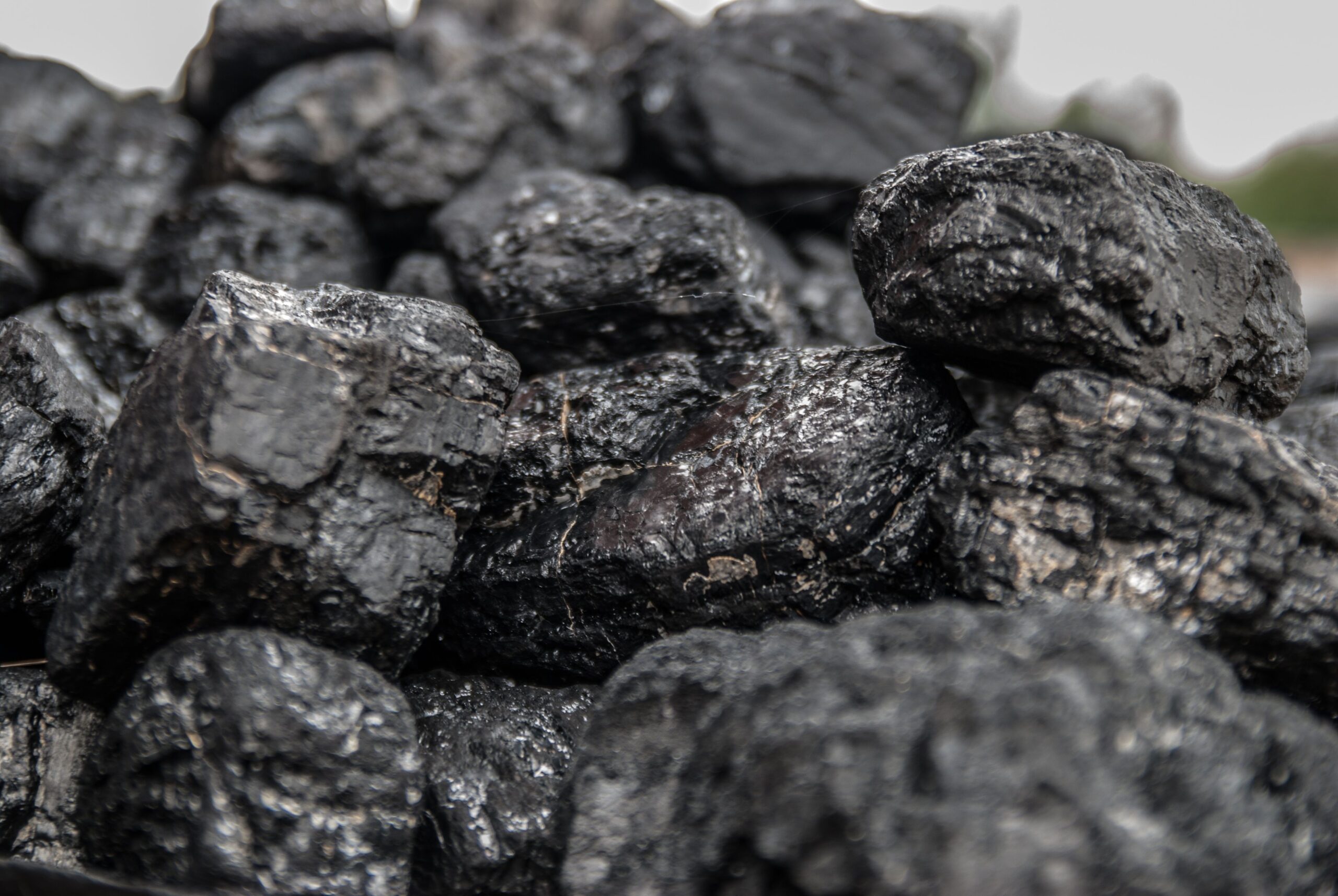
Unlike oil and natural gas, which are a liquid and a gas, coal is a solid fuel extracted from underground or open-pit mines. It is an abundant and widely distributed resource: it is found on every continent and in more than 70 countries, which historically made it the foundation of the Industrial Revolution and of the world’s electrification.
How does coal form?
Coal forms through a process called coalification, which takes millions of years. According to Britannica, the sequence is as follows (Britannica):
- Peat: plant remains build up in swamps without fully decomposing because of the lack of oxygen.
- Lignite: burial and pressure compact the peat and increase its carbon content.
- Subbituminous and bituminous coal: rising heat and pressure drive off water and gases, concentrating the carbon.
- Anthracite: under the most extreme conditions of temperature and pressure, the purest coal forms.
This gradual progression, known as coal “rank,” explains why the different types vary so widely in energy content.
Types of coal: anthracite, bituminous coal and lignite
The EIA classifies coal into four main ranks based on its carbon content and heating value (EIA 2024):
- Anthracite: the highest rank, with 86%–97% carbon and the highest heating value. It is hard and shiny and burns with little flame and little smoke.
- Bituminous coal: contains 45%–86% carbon. It is the most abundant type and is used to generate electricity and to produce metallurgical coke for steelmaking.
- Subbituminous coal: contains 35%–45% carbon and has a lower heating value than bituminous coal; it is used mainly in power plants.
- Lignite: the lowest rank, with 25%–35% carbon and the lowest energy content. It is soft and has a high moisture content.
What is coal used for?
Coal has two major industrial uses. About two-thirds of global consumption goes to electricity generation in thermal power plants (IEA 2025). The second key use is steelmaking: metallurgical (coking) coal is essential for producing steel in blast furnaces.
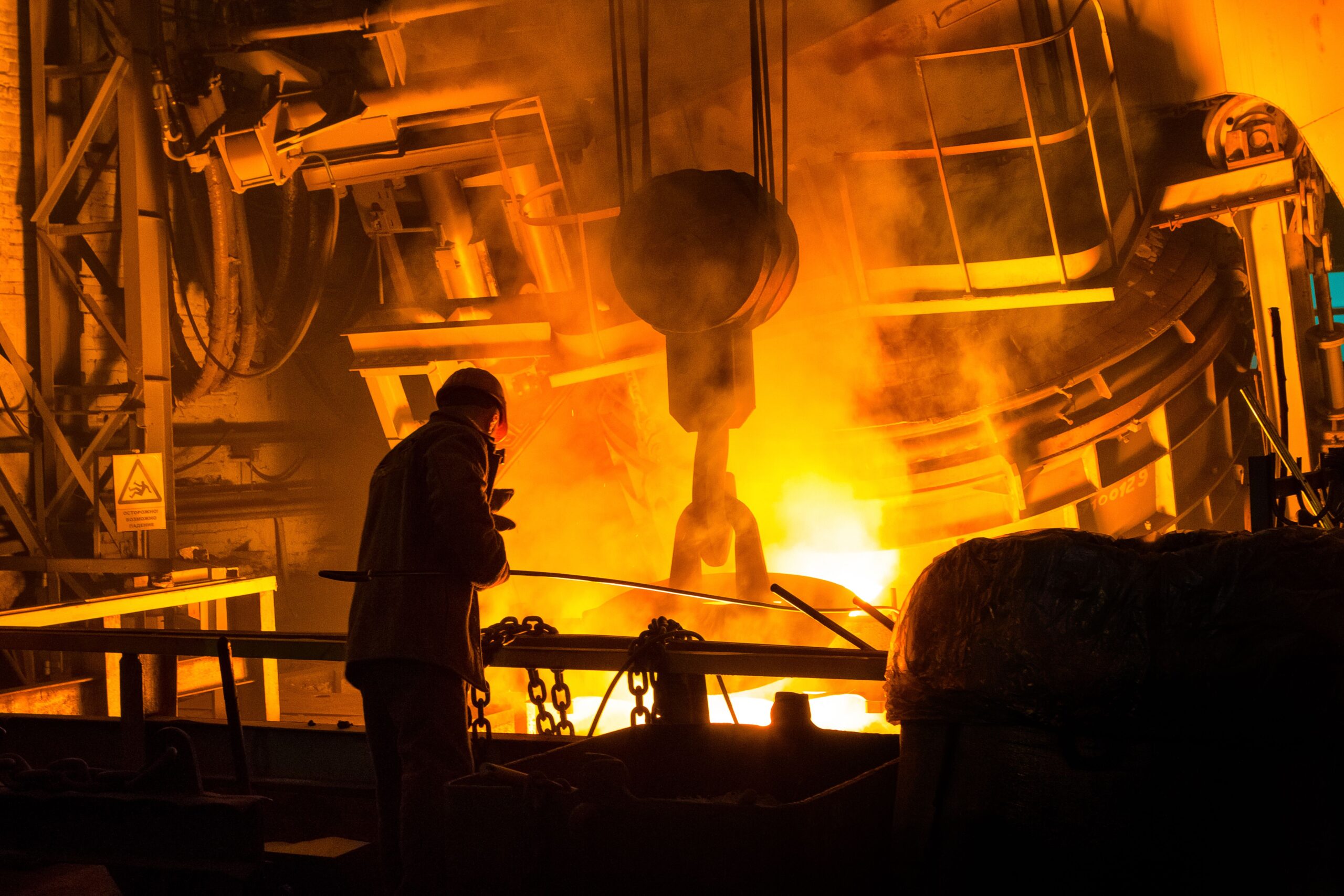
Other uses include cement manufacturing, where large amounts of coal are burned to produce heat, and a range of industrial and chemical processes. This reliance on coal for steel and cement is one of the reasons it is so hard to replace in the short term.
World coal reserves
Proven coal reserves worldwide were estimated at around 1.17 trillion tonnes in 2023, according to the U.S. Energy Information Administration (EIA / OWID 2026). Five countries hold about 72% of those reserves: the United States (around 21%), Russia (~14%), Australia (~13%), China (~13%) and India (~11%).
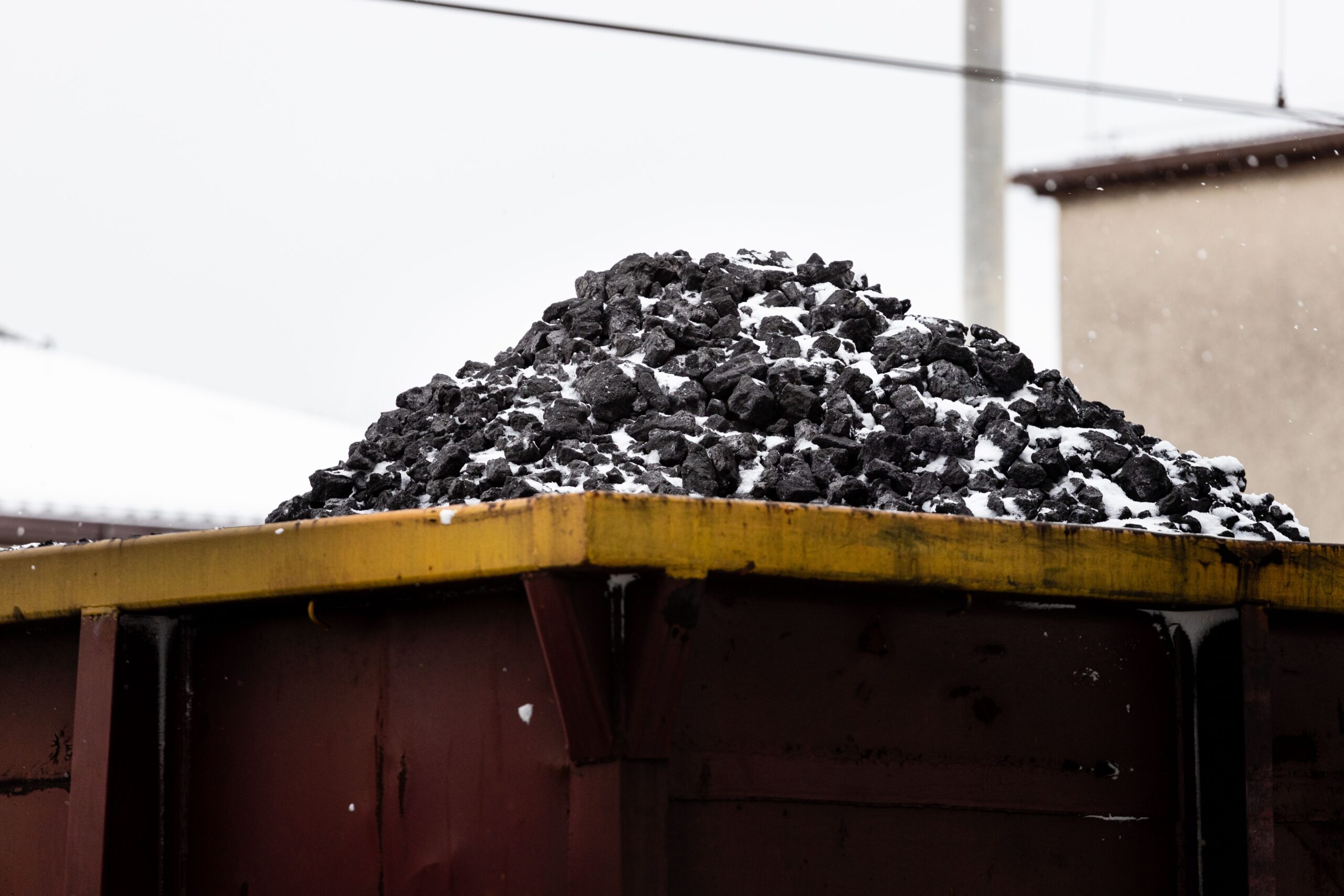
Other countries with significant deposits include Germany, Poland, Kazakhstan and Indonesia, while Colombia is the largest producer in Latin America.
Top coal producers
World coal production was around 9,240 million tonnes in 2024 (Energy Institute 2025). Production and demand figures come from different statistical series and are not directly comparable; the IEA also expected 2024 output to surpass 9,000 million tonnes for the first time. China is overwhelmingly dominant: on its own it produces more than half of the planet’s coal, more than all other countries combined.
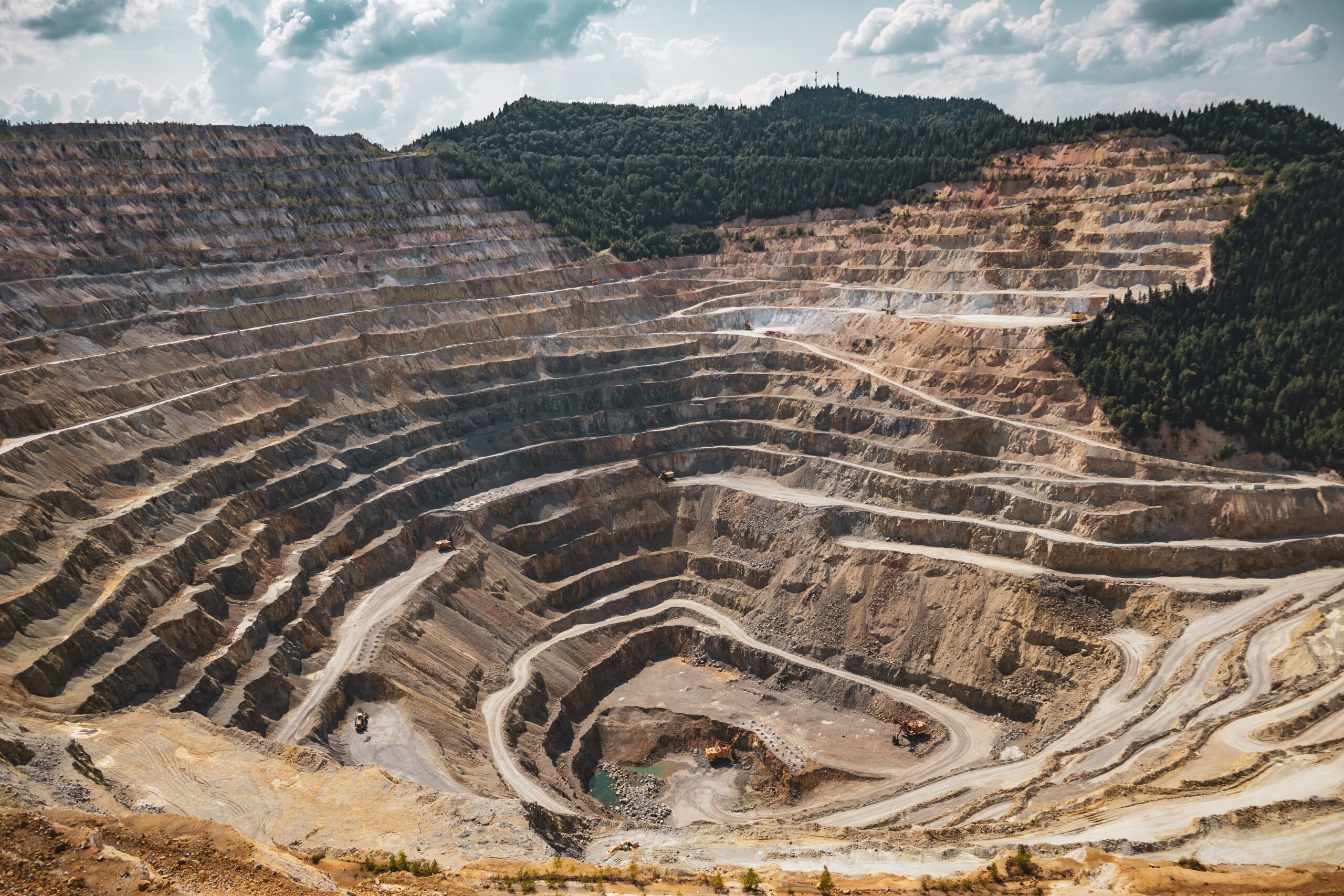
After China, the largest producers are India, Indonesia, the United States, Australia and Russia. In 2024, Indonesia topped 800 million tonnes for the first time, cementing its place as one of the world’s leading exporters (IEA 2024).
Top coal consumers
Coal consumption is heavily concentrated in Asia. According to the Energy Institute, the Asia-Pacific region accounted for about 83% of global coal consumption in 2024, and China alone accounts for more than half of global consumption (IEA 2024). India ranks second, with rapidly growing demand, followed by the United States, where consumption, by contrast, falls year after year.
According to the IEA, China, India and Southeast Asia together accounted for about three-quarters of all the coal consumed in the world in 2024, which reflects the central role of this fuel in emerging industrial economies.
Environmental impact of coal
Coal is the most carbon-intensive fossil fuel and, according to the IEA, the largest single source of energy-related CO2 emissions, at about 15 gigatonnes of CO2 in 2021 (IEA 2022). Burning it also releases sulfur dioxide, nitrogen oxides, particulate matter and heavy metals such as mercury, which cause acid rain and serious public health problems.
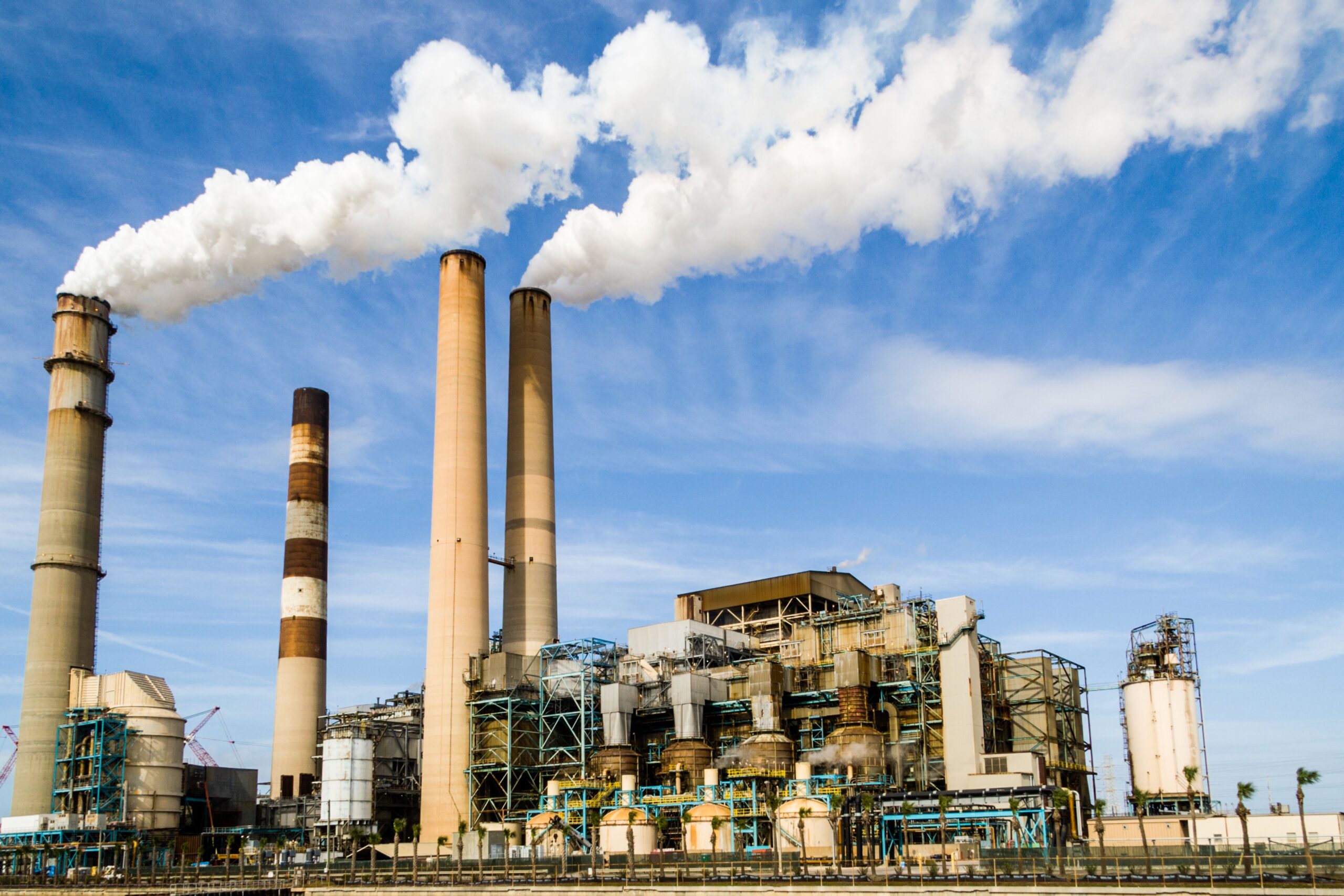
That is why reducing coal use is one of the priorities of global climate policy. Coal mining and transportation also have significant local impacts on water, soil and ecosystems.
The future of coal: toward a gradual phase-out?
At the COP28 climate summit in 2023, nearly 200 countries agreed on “accelerating efforts towards the phase-down of unabated coal power” and “transitioning away from fossil fuels” (UNFCCC 2023). It was the first time a global climate agreement explicitly referred to the end of the fossil fuel era.
The transition, however, is uneven. In its Coal 2024 report, the IEA expected global coal demand to plateau through 2027, while in most advanced economies it has already peaked (IEA 2024); its Coal 2025 update foresees a very gradual decline through 2030. A historic milestone: in 2025, for the first time in a century, renewables overtook coal in the global electricity mix, with 33.8% versus 33% for coal (Ember 2026).
Countries with coal resources: related links
To learn more about the geography of coal and other resources, see these guides to producing countries and related resources:
- Natural resources of China — the world’s largest producer and consumer.
- Natural resources of India — the world’s second-largest consumer.
- Natural resources of Indonesia — a major coal exporter.
- Natural resources of the United States — the largest reserves in the world.
- Natural resources of Australia — a leader in metallurgical coal.
- Natural resources of Russia — large reserves and production.
- Natural resources of South Africa — Africa’s coal powerhouse.
- Natural resources of Germany and Poland — coal in Europe.
- Natural resources of Kazakhstan and Colombia.
Sources used
- IEA — Coal 2024 (Executive Summary)
- IEA — Global Energy Review 2025 (Coal)
- IEA — Coal in Net Zero Transitions
- U.S. EIA — Coal explained
- Energy Institute — Statistical Review of World Energy 2025
- Ember — Global Electricity Review 2026
- Britannica — Coal types
- UNFCCC — COP28 agreement
Coal has been the engine of the world’s energy supply for more than two centuries and still covers a huge share of electricity generation and steel production. However, its heavy climate and environmental impact places it at the center of the transition to a cleaner model. Understanding what coal is, how it forms, and who produces and consumes it is the first step toward understanding one of the great challenges of sustainable development in the coming decades.
Related articles
Last updated: October 8, 2026



Leave a Reply