


The natural resources of the United States make it the world’s leading producer of oil and natural gas, with about 12.9 million barrels a day in 2023. What natural resources does the United States have? It has the third-largest renewable freshwater resources on the planet, at 3,069 km³, 22.3% of the world’s coal reserves, and forests covering 33.87% of its territory.
The United States is a country with a great diversity of natural resources, from vast fertile, mineral-rich lands to huge expanses of forests and grasslands. Its biodiversity is impressive, with a large number of animal and plant species found nowhere else in the world.
Contents
Coal, gas and oil are non-renewable natural resources that carry great weight in its industry.
The country also has unique ecosystems, such as the redwood forests on the West Coast and the prairies in the center of the country. Preserving and sustainably using the natural resources of the United States is essential to the country’s economic and environmental well-being.
What natural wealth does the United States have, and which resources stand out? How much water does it have, and how does it generate energy? Where does it rank globally for mineral resources? And how is its land used, and how well does it protect its biodiversity?
Natural resources
Natural resources are materials or energy sources provided by or found on Earth that are useful to humans. Every product we manufacture is made up of natural resources.
- Renewable resources: these can be restored by natural processes faster than the rate at which they are consumed. Examples include solar radiation, wind, hydroelectric power, water when used properly, and plant and animal life.
- Non-renewable resources: once extracted, these are depleted and cannot regenerate. Examples include hydrocarbons, metals and minerals.
Examples of the main natural resources of the United States
United States: an environmental summary in six figures
The most frequently cited indicators of the country’s natural heritage.
| Forest cover | 33.9% of land area2023 |
|---|---|
| Protected land area | 12.9% of land area2025 |
| Renewable freshwater per capita | 8,437 m³ per year2022 |
| Natural resource rents | 1.3% of GDP2021 |
| Electricity from renewable sources | 20.3% of total generation2021 |
| Threatened species | 1,101 mammals, birds, fish and plants2022 |
| Resource | Reserves / production | Source |
|---|---|---|
| Oil | 12.9 million barrels/day (2023); 1st in the world | The Global Economy |
| Natural gas | 934,200 million m³ (2021); 1st in the world | EIA |
| Renewable freshwater | 3,069 km³; 3rd largest in the world | FAO |
| Coal | 484 million t (2020); 22.3% of world reserves | USGS |
| Forests | 33.87% of land area | World Bank |
| Copper | 1,200 thousand t (2020); 4th in the world | USGS |
Oil and gas resources in the United States
The United States is the world’s leading oil producer, with daily output of around 12.9 million barrels in 2023 (The Global Economy), an all-time high that keeps it at the top of the world ranking. It also had oil reserves of 35,230,000,000 barrels in 2022, placing it 10th in the world ranking of oil reserves.
The United States also has abundant natural gas resources, which allowed it to produce 934,200 million cubic meters (about 934 billion m³) in 2021. The country ranks first among the world’s natural gas producers.
Examples of mineral resources in the United States
Coal production in the United States in 2020 was 484 million tonnes, placing it fourth in the world ranking. The country also has large coal reserves, totaling 254,197 million short tons in 2016, which represents 22.3% of the world’s coal reserves. The main producing region is the Powder River Basin in Wyoming and Montana, which supplied 43% of U.S. coal in 2019.
In 2019, aluminum production in the United States reached 1,100 thousand tonnes, placing it ninth in the world ranking. That year, three companies operated seven primary aluminum smelters in six states.
In 2020, copper production in the United States reached 1,200 thousand tonnes, placing it fourth in the world ranking for copper production. The main producing region in the United States is the Western Cordillera, which spans Arizona, Utah, Nevada, Montana and New Mexico.
In 2019, iron production in the United States reached 48,000 thousand tonnes, a significant figure for the steel industry. This output places the United States ninth in the world ranking. The main producing region is the Great Lakes.
In 2018, silver production in the United States reached 930 tonnes, placing it tenth in the world ranking for production of this resource. The main silver-producing state is Nevada, followed by Alaska and Utah.
The United States is the world’s fifth-largest producer of platinum, with 3,600 kilograms produced in 2019. The country’s main mine is the Stillwater mine in Montana, which produces platinum, palladium and other precious metals.
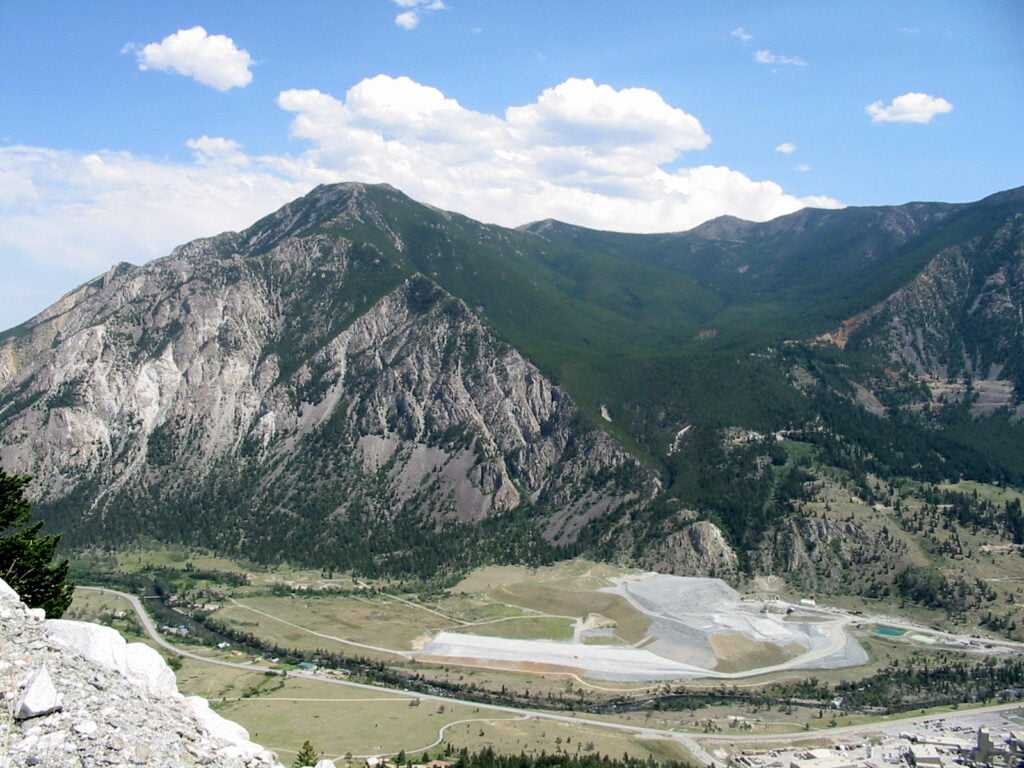
The United States is the world’s fourth-largest producer of gold, with production of 190 tonnes in 2020 and reserves of 3,000 tonnes of the precious metal. The country’s main mine is the Carlin gold mine in Nevada, which has produced more than 70 million ounces of gold since it opened in 1965.
Water resources of the United States
The United States has an impressive 3,069 km³ of renewable freshwater resources, which placed it third in the world ranking of water reserves in 2020.
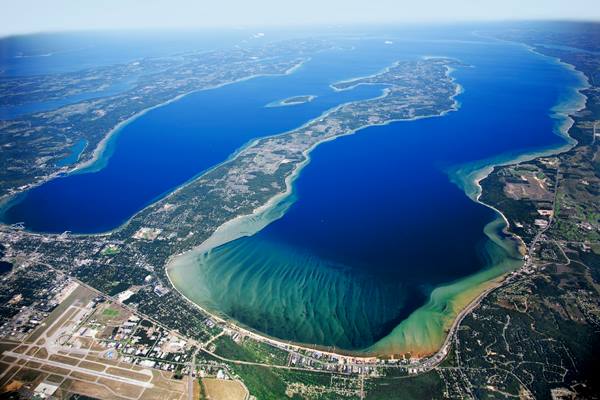
The country’s main bodies of water include the Mississippi and Missouri rivers, as well as Lake Michigan, the country’s main lake.
Average rainfall and soils of the United States
Average annual precipitation in the United States is 715 mm, according to the World Bank.
Renewable electricity and hydropower production in the United States
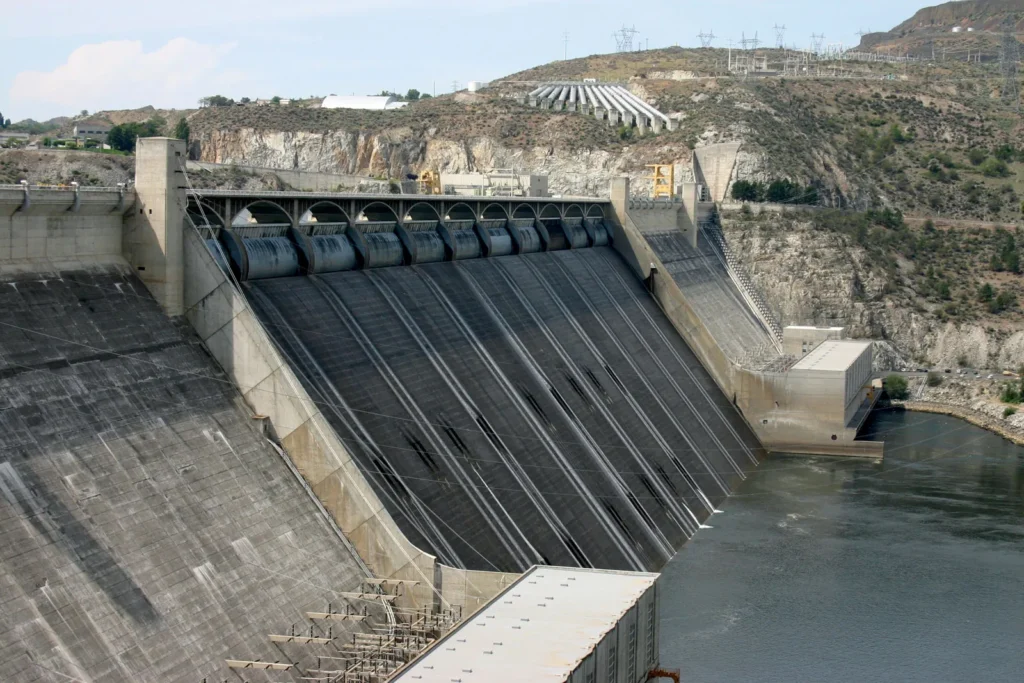
In 2025, the United States generated 1,158.8 TWh of electricity from renewable sources — 26% of its total generation of 4,519.8 TWh — and hydropower alone supplied 241.7 TWh (Ember, 2025). The Grand Coulee Dam in Washington State stands out, with an installed capacity of 6,809 MW and annual output of 21,000 GWh.
Forest resources of the United States
The United States has an important forest region known as the Tongass National Forest, in Alaska. This natural resource is very important to the country: its forest area represents 33.87% of its land area and covers a total of 3,097,950 km².
The United States ranks fourth in the world for forest area.
Environmental performance and protection of natural resources in the United States
The United States has a score of 57.2 on Yale University’s 2024 Environmental Performance Index (EPI) and ranks 35th in the world. Terrestrial and marine protected areas also make up 15.88% of its total territorial area.
Natural parks of the United States: the hidden wealth of natural resources
Biodiversity: animal and plant resources of the United States
Birds of the United States
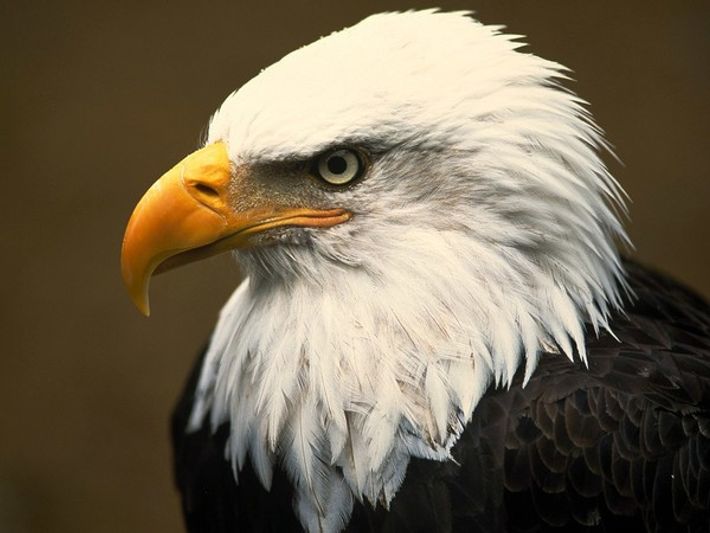
The United States is rich in natural resources, and its bird diversity is an example of this. With the bald eagle as its flagship species, the country had a total of 860 bird species in 2018, placing it 23rd in the world for number of species.
It also has 77 endemic species. However, 91 bird species were threatened in 2018, which highlights the importance of protecting and conserving these natural resources for future generations.
Fish and amphibians of the United States
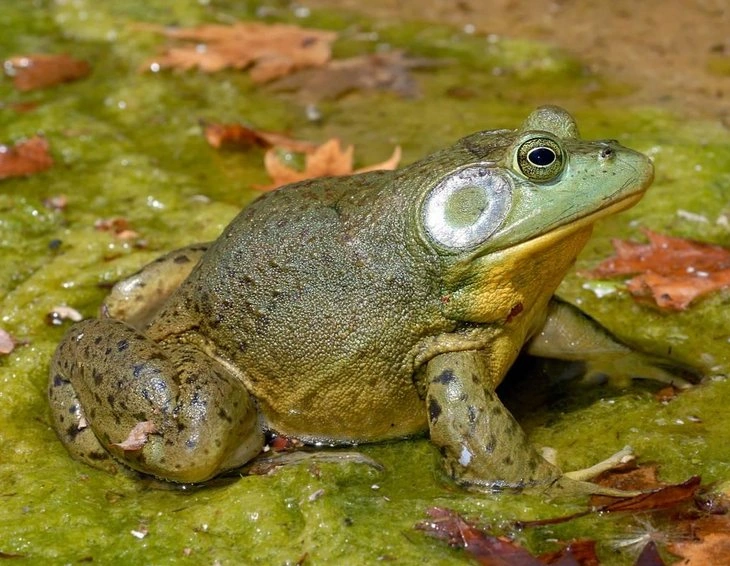
The United States is home to a wide variety of amphibians and fish. In 2019, 313 amphibian species were recorded, placing it 12th in the world for number of species of this type of animal.
It also has a total of 3,074 fish species, making it the country with the seventh-highest number of fish species in the world. However, it is worrying that 251 of these fish species are threatened.
It is important to take action to protect this valuable natural resource and preserve the country’s biodiversity. Notable species include the American bullfrog and Pacific salmon.
Mammals of the United States
The United States has a total of 104 endemic mammals, placing it seventh in the world ranking.
The country’s main mammal species include the brown bear, the gray wolf and the American bison.
Reptiles of the United States
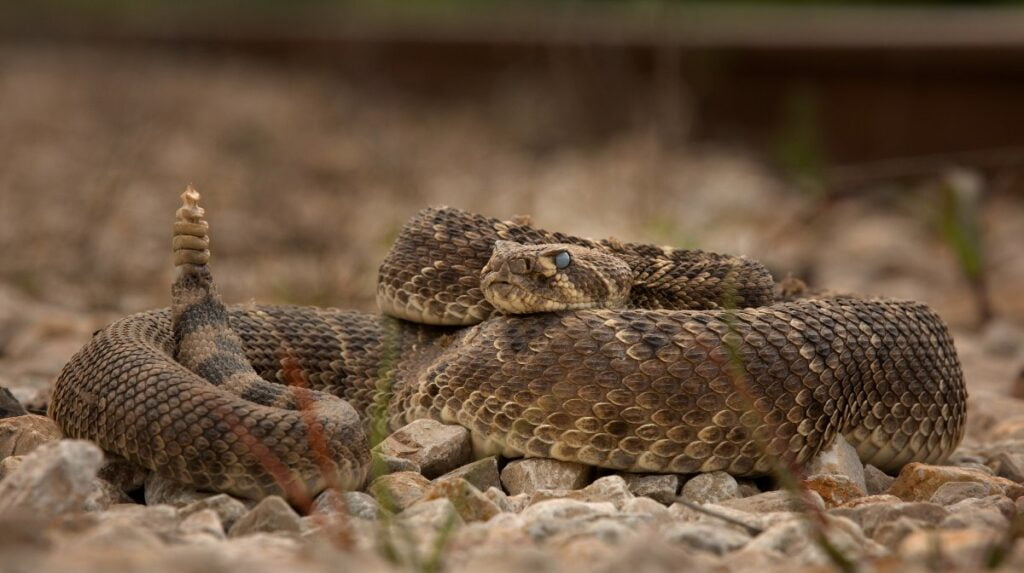
The United States has a great diversity of reptile species, ranking 8th in the world with a total of 530 species. The rattlesnake stands out among them.
Organizations that protect or study natural resources in the United States
- The Nature Conservancy – Protects biodiversity and natural resources through land and water conservation.
- Sierra Club – Promotes the protection of nature and the fight against climate change.
- Environmental Defense Fund – Works to protect human health and the environment through sustainable policies and technologies.
- Natural Resources Defense Council – Defends natural resources and public health through policy and litigation.
- U.S. Geological Survey – Conducts scientific research to understand and protect natural resources and the environment.
- Environmental Protection Agency – Protects human health and the environment through environmental policies and regulations.
- World Wildlife Fund – Works to protect biodiversity and natural resources worldwide.
The United States is the world’s largest producer of crude oil and natural gas. Crude output averaged 13.6 million barrels a day in 2025, a global record, according to the EIA, 2025. The country combines energy, mining, agriculture and forests within a single territory.
Energy: the world’s top producer of oil and natural gas
The country has led global crude oil production without interruption since 2018, when it overtook Russia. In 2025 it produced about 40% more than either Russia or Saudi Arabia, according to the EIA, 2025.
- Crude oil in 2025: 13.6 million barrels a day, compared with 9.9 million for Russia and 9.6 million for Saudi Arabia (EIA, 2025).
- Natural gas: the world’s largest producer since 2009, with about 103 billion cubic feet a day of dry gas in 2023, 75% more than Russia (EIA, 2025).
- Dry natural gas: 37.7 trillion cubic feet in 2024, a record high at the time (EIA, 2024).
Electricity mix: natural gas dominates and renewables are rising
Electricity generation reached about 4.43 trillion kilowatt-hours in 2025. Natural gas supplied the largest share, while renewables gained share relative to coal, according to the EIA, 2025.
- Natural gas: 41% of generation in 2025 (EIA, 2025).
- Nuclear power: 18%; coal: 17% (EIA, 2025).
- Renewables: 24% of the total, with wind at 11%, solar at 7% and hydropower at 6% (EIA, 2025).
Carbon footprint: total and per capita emissions
Carbon dioxide emissions have been declining gradually since 2022. The country accounted for 12.71% of global emissions in 2024, according to Global Carbon Project data published by Our World in Data, 2024.
- Total emissions: 4.9 gigatonnes of CO₂ in 2024, compared with 5.1 gigatonnes in 2022 (Global Carbon Project / Our World in Data, 2024).
- Per capita emissions: 14.20 tonnes in 2024, down from 14.80 tonnes in 2022 (Global Carbon Project / Our World in Data, 2024).
The National Park System and protected areas
The National Park Service manages protected natural heritage across all fifty states, the District of Columbia and the territories. The system includes conservation, historical and recreational areas, according to the National Park Service, 2024.
- 433 units managed by the system (NPS, 2024).
- More than 85 million acres, about 34.4 million hectares, under protection (NPS, 2024).
- 63 national parks with that formal designation (NPS, 2024).
Forest cover
Forests cover about a third of the national territory. Forest area is around 309 million hectares, according to the FAO Global Forest Resources Assessment published by Our World in Data, 2025.
- Forest area: 308,895,000 hectares (FAO / Our World in Data, 2025).
- Forest cover: 33.77% of land area (FAO / Our World in Data, 2025).
Sources used
- Lists of countries by mineral production – Wikipedia
- Economic data by country – The Global Economy
- Forest area (km²) – World Bank
- Forest area (% of land area) – World Bank
- Oil reserves of the United States – The Global Economy
- Coal reserves – Worldometers
- Water and agriculture statistics – FAO
- Precipitation (mm) – World Bank
- Environmental Performance Index (EPI) 2024 – Yale University
- Bird species – Mongabay
- Amphibian species by country – Mongabay
- Reptile species by country – Mongabay
The U.S. Energy Information Administration (EIA) reported that the country is the world’s largest producer of oil and natural gas: crude oil output averaged a record 12.9 million barrels a day in 2023 and topped 13.3 million barrels a day in December of that year.
Last updated: September 26, 2026

Leave a Reply