

Wind energy is electricity generated by harnessing the kinetic power of moving air using wind turbines. By the end of 2024, cumulative global wind capacity reached 1,136 GW, supplying 8.1% of worldwide electricity, according to GWEC and Ember. It is an inexhaustible, clean renewable resource led by China with over 520 GW. How does a wind turbine generate electricity, and why is the sector expanding so rapidly?
Wind energy is among the most dynamic and fastest-growing renewable power sources on Earth. It operates by converting atmospheric kinetic motion into usable electricity via large rotor blades mounted on high towers. Amid accelerating climate concerns and the urgent global push for energy transition, wind generation has grown into a central structural pillar of national electrical grids worldwide.
Table de contenidos
The pace of growth is historic: during 2024 alone, the global wind sector installed a record 117 GW of new capacity, marking the highest single-year expansion ever recorded, according to the Global Wind Report 2025 by GWEC (2025). This pushed total global installed capacity to 1,136 GW. In this comprehensive guide, you will learn what wind energy is, how turbines operate, the distinction between onshore and offshore installations, market-leading nations, and key benefits and technical limitations.
How does a turbine rotor transform gentle breezes into high-voltage electrical grid power? What engineering factors give offshore wind farms an advantage over onshore sites? Which countries lead global deployment, and what environmental and grid integration challenges must be overcome? Below, we explore the sector with verified international empirical data.
Natural Resources
Natural resources are materials or energy sources provided or found on Earth that are useful to humans. Every product we manufacture is made from natural resources.
- Renewable resources: can be restored by natural processes faster than the rate of consumption. Examples include solar radiation, wind, hydroelectric power, water when properly managed, and plant and animal life.
- Non-renewable resources: once exploited, they are depleted and cannot regenerate. Examples include hydrocarbons, metals, and minerals.
What Is Wind Energy?
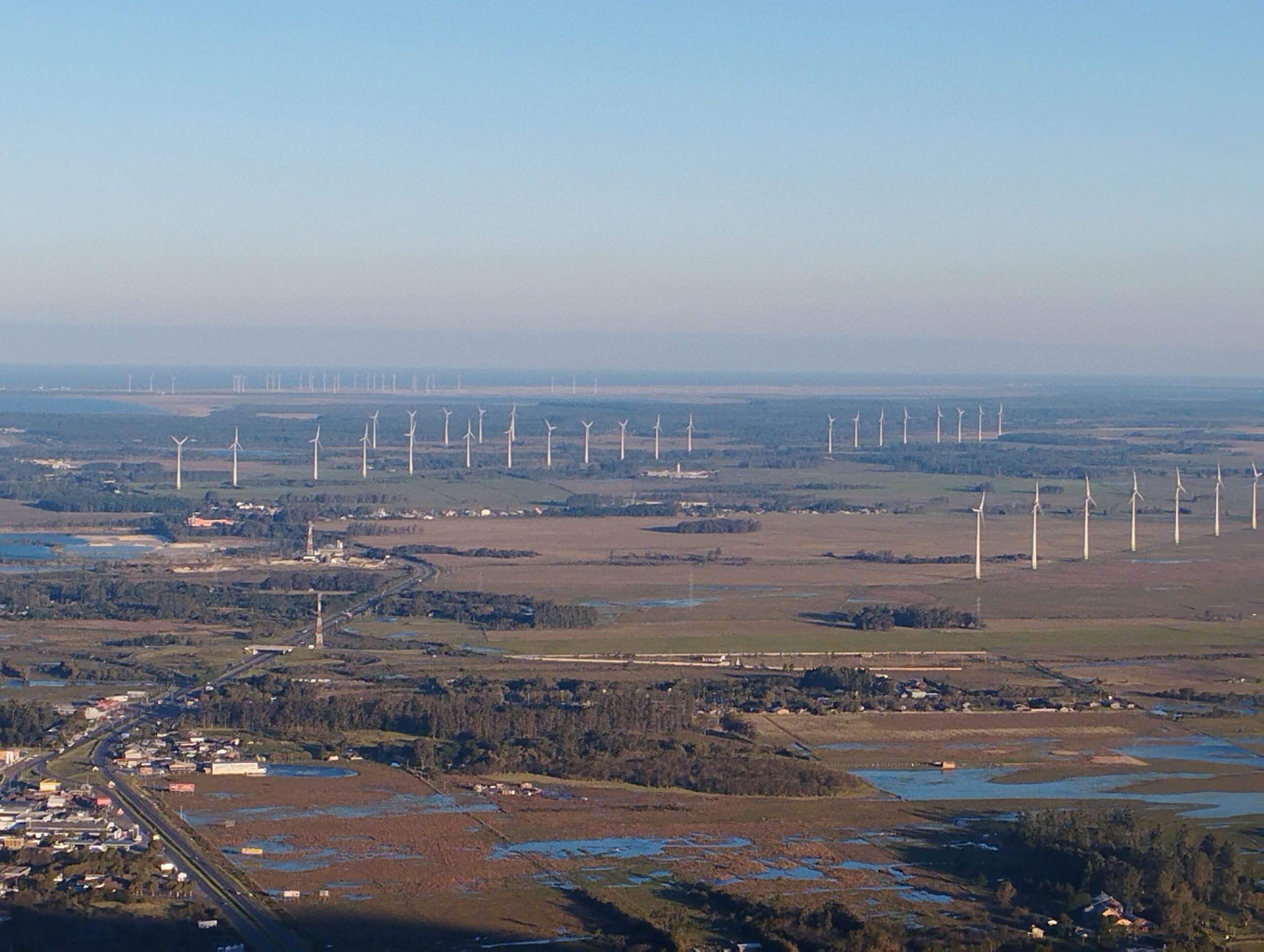
Wind energy is electrical power produced by capturing the kinetic motion of atmospheric air masses. Wind itself is an indirect manifestation of solar radiation: the Sun heats the Earth’s surface and atmosphere unevenly, creating thermal and atmospheric pressure gradients that set massive volumes of air into continuous motion. Because this atmospheric circulation is driven constantly by solar input, wind is categorized as an inexhaustible, clean renewable natural resource.
Unlike non-renewable natural resources such as thermal coal, fuel oil, or natural gas, the wind is neither depleted nor chemically consumed during power generation. Wind turbines generate electricity without thermodynamic combustion, producing zero direct air pollutants or carbon emissions while actively displacing thermal fossil generation across interconnected networks.
How Does a Wind Turbine Work?
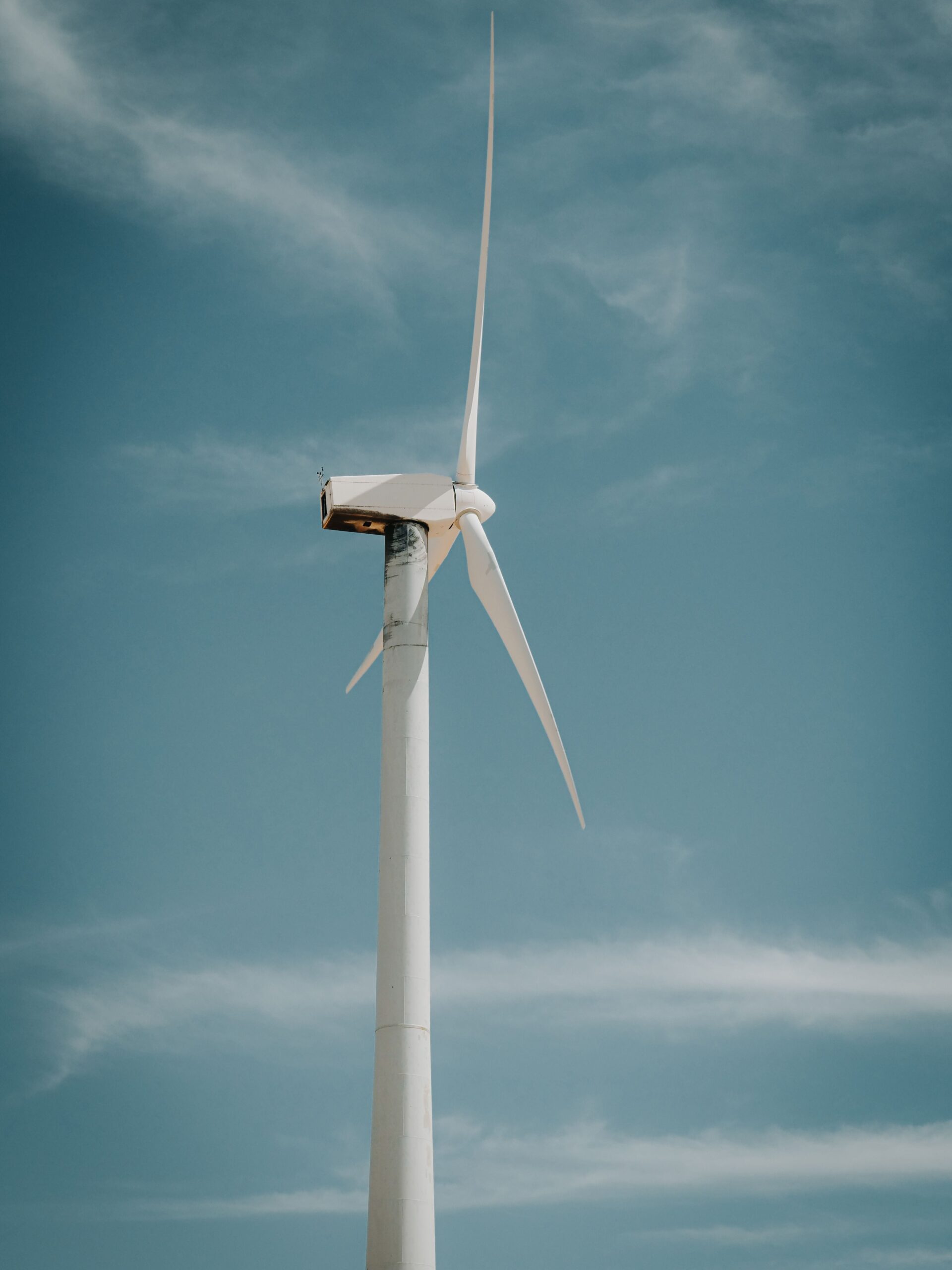
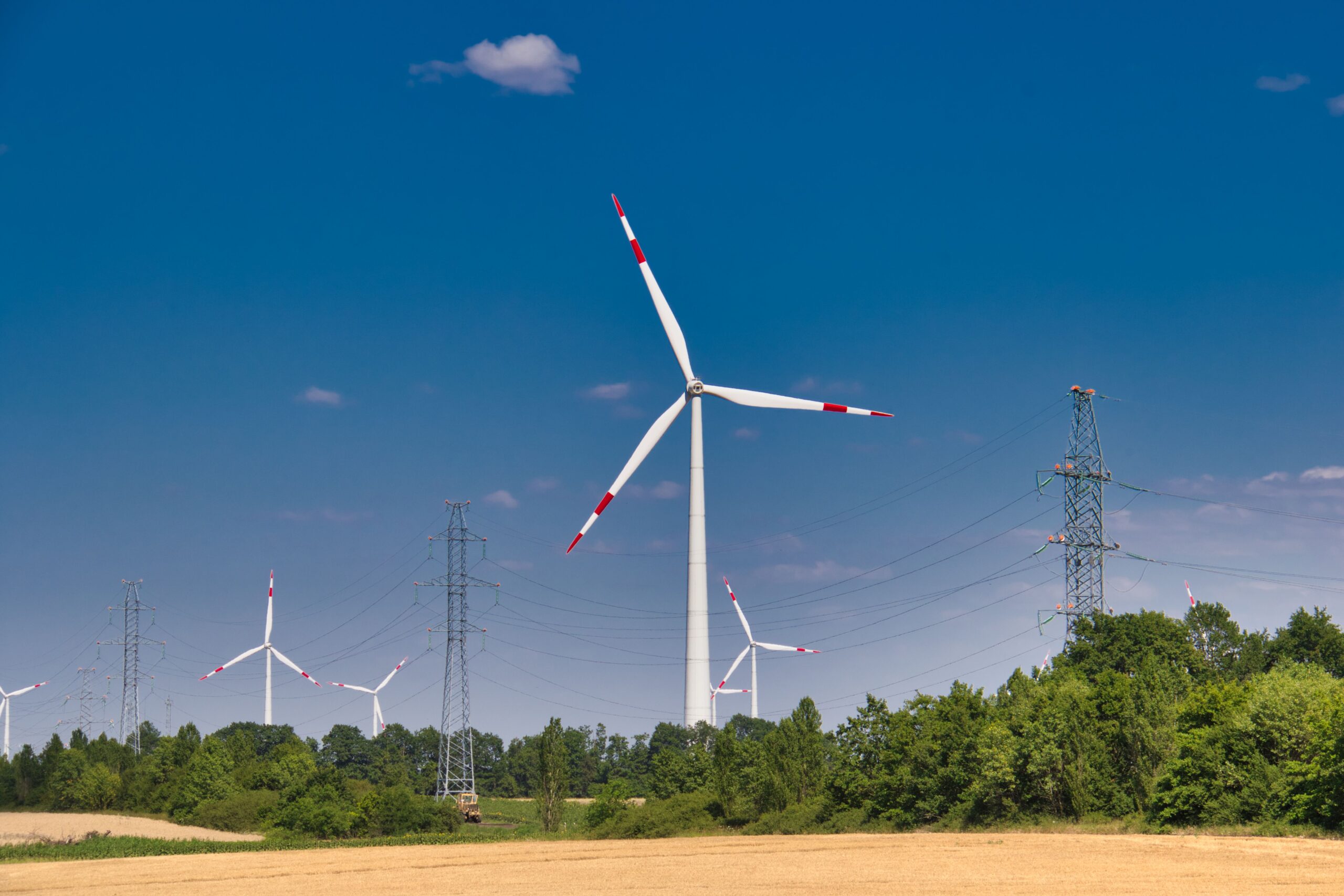
A modern wind turbine converts aerodynamic kinetic force into electricity through a precise mechanical and electromagnetic sequence. As moving air flows across the aerodynamically shaped blades of the rotor, it creates an aerodynamic lift differential that causes the hub to rotate. This rotational motion is transferred via a main drive shaft—often through a planetary gearbox that steps up rotational speed—into an electromagnetic generator housed within the nacelle atop the tower. The generator converts this mechanical rotation into electricity, which is conditioned by power electronics and transformers before being fed into the grid.
Modern utility-scale turbines are immense machines. Typical onshore models boast rated power capacities between 3 MW and 6 MW, whereas next-generation offshore turbines exceed 8 MW to 15+ MW, featuring rotor diameters reaching 250 meters and swept areas larger than several football fields (IRENA 2025). Larger swept areas and taller hub heights allow turbines to access stronger, more consistent laminar wind flows.
A vital metric in wind engineering is the capacity factor, which measures actual electrical energy output over time relative to theoretical maximum continuous output. Onshore wind farms typically achieve capacity factors between 25% and 35%, whereas offshore wind installations—benefiting from stronger, uninterrupted marine winds—consistently achieve 35% to 50% or higher. This high productivity explains the massive global investment pouring into offshore developments despite higher upfront installation costs.
Onshore vs Offshore Wind Energy
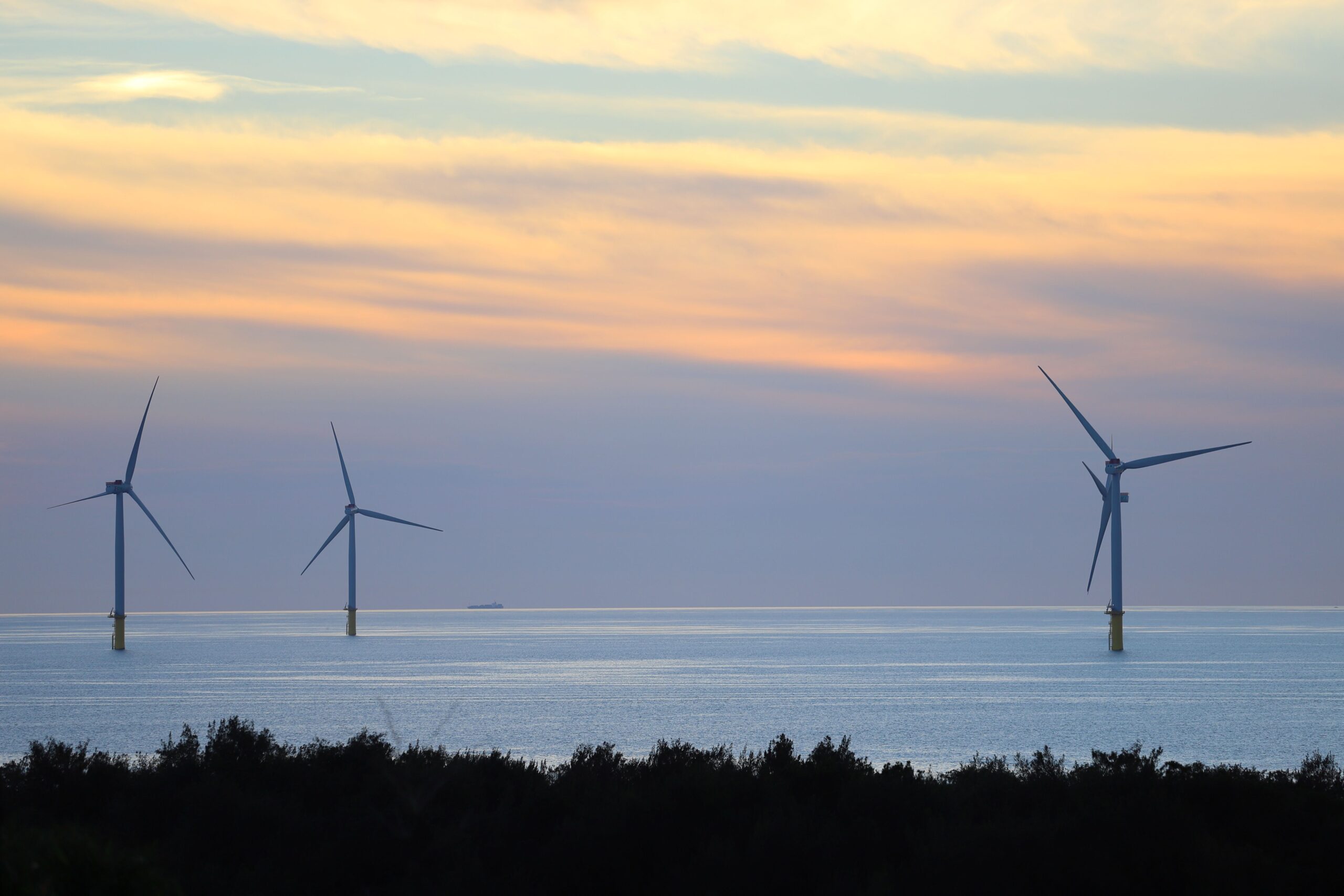
The wind energy sector divides into two distinct operational branches. Onshore wind refers to facilities erected on land, typically across vast plains, coastal hills, or open plateaus exhibiting strong wind profiles. It is the mature workhorse of the industry, representing roughly 109 GW of the 117 GW installed globally in 2024 (GWEC 2025).
Offshore wind is deployed in coastal marine environments on fixed-bottom foundations (monopiles, jackets) or floating tethered platforms. While marine logistics and subsea transmission cabling involve higher initial capital expenditures, offshore installations benefit from substantially higher wind velocities, avoid overland transportation bottlenecks for massive blades, and eliminate land-use conflicts. In 2024, approximately 8 GW of offshore capacity came online, bringing cumulative global offshore installations to 83 GW—sufficient to power roughly 73 million homes (GWEC 2025).
Global Wind Capacity and Growth
The growth trajectory of global wind power is extraordinary. Cumulative worldwide operational wind capacity reached 1,136 GW by the end of 2024 according to GWEC, closely matched by figures from Our World in Data (2024) and IRENA (recording 1,132.7 GW). This milestone establishes wind power as a cornerstone technology for sustainable cities and global grid decarbonization.
Medium-term projections indicate robust accelerating deployment: GWEC projects that annual global additions will reach roughly 194 GW by 2030, with over 981 GW of new wind capacity expected between 2025 and 2030 (an average annual compound growth rate of ~8.8%). Alongside solar photovoltaics, wind energy represents humanity’s primary tool to replace fossil generation at scale.
Leading Countries in Wind Energy
Global wind generating capacity remains concentrated within a select group of major economies. China commands an extraordinary lead, operating more than 520 GW of installed capacity—approaching half of the entire global total. The United States and Germany rank second and third, while Spain, India, and Brazil maintain strong positions among the world’s premier wind powerhouses.
Other pioneering nations play strategic roles in sector innovation: the United Kingdom has pioneered mega-scale commercial offshore arrays, while Denmark originally birthed modern commercial wind technology and was first to develop utility offshore wind. China illustrates how sustained industrial commitment and integrated domestic manufacturing can scale renewable generation to continental dimensions.
Wind Power’s Share of Global Electricity
Wind energy is no longer an auxiliary resource; it is an established mainstream pillar of the international electrical system. In 2024, wind turbines generated 8.1% of all electricity produced worldwide, according to the Global Electricity Review 2025 by Ember (2025). Combined with solar PV (6.9%), wind and solar reached a historic 15% share of total global power generation, surpassing global hydroelectricity for the first time in history.
Directly displacing thermal fossil generation with clean wind energy curtails millions of metric tons of greenhouse gas emissions, embodying the core objectives of sustainable consumption and long-term climate mitigation frameworks.
Advantages of Wind Energy
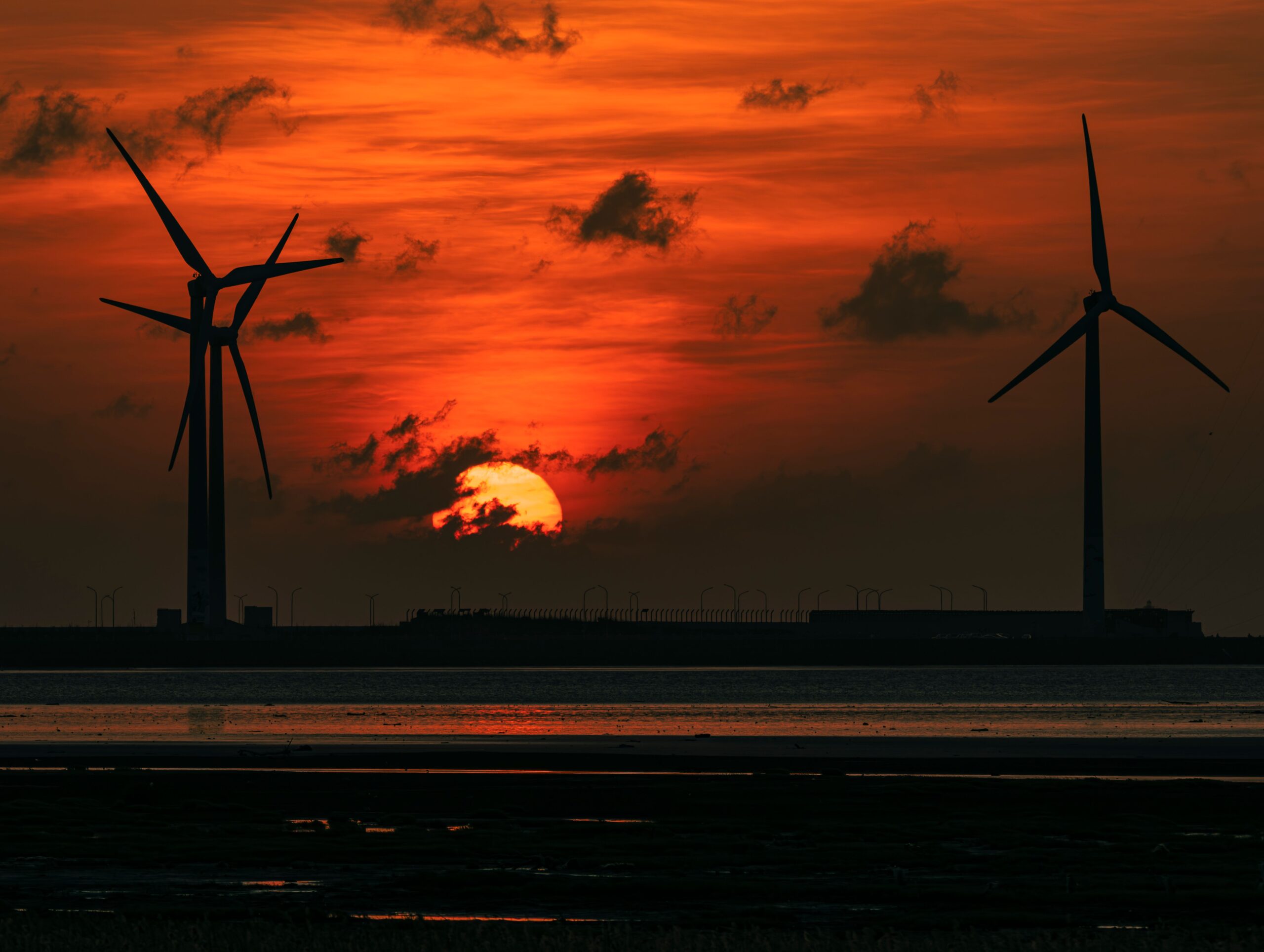
- Renewable and Non-Depleting: Driven by planetary atmospheric currents, wind is an inexhaustible natural flow available across nearly all continents and oceans.
- Ultra-Low Life-Cycle Emissions: Full life-cycle greenhouse gas emissions average approximately 11 grams of CO₂ equivalent per kilowatt-hour, compared to hundreds of grams per kWh for natural gas and coal, according to comprehensive harmonization studies by NREL (2024).
- Zero Operational Water or Fuel Consumption: Unlike thermal, coal, and nuclear facilities, wind turbines consume zero freshwater for cooling and require zero combustible fuel inputs.
- High Economic Cost-Competitiveness: Onshore wind represents one of the cheapest sources of new bulk electricity available in modern wholesale energy markets.
- Dual Land Use Compatibility: Onshore turbine towers utilize only 1% to 2% of the total land area of a wind farm, allowing agriculture, livestock grazing, and wildlife corridors to thrive unimpeded.
Disadvantages and Technical Challenges
- Meteorological Intermittency: Output varies with wind speeds. Capacity factors (25% to 50%) necessitate grid flexibility, interconnections, and complementary storage or dispatchable backup power.
- Visual and Acoustic Footprint: Large towers alter rural landscapes, occasionally prompting local siting disputes or noise regulations.
- Wildlife Considerations: Unmitigated turbine blade rotation can impact local and migratory bat and bird populations, requiring rigorous environmental impact assessments, radar shut-off systems, and responsible siting.
- Substantial Initial Capital Expenditure: Offshore wind farms in particular demand heavy marine construction equipment, specialized vessels, and subsea interconnectors.
- Grid Transmission Bottlenecks: Premium wind resources frequently lie in remote rural or offshore areas, necessitating long-distance high-voltage direct current (HVDC) transmission infrastructure to reach urban demand centers.
Explore Related Guides
- What Are Renewable Resources? Types and Examples
- Non-Renewable Natural Resources: Types and Examples
- Energy Resources: Types, Sources and Uses
- Sustainable Consumption: What It Is and Real Examples
- Sustainable Cities: What They Are and Real Examples
- China Natural Resources: Rare Earths, Coal, Hydro and Solar
- Germany Natural Resources: Europe’s Top Lignite Producer
- Spain Natural Resources: Copper, Forests and Solar Power
- United Kingdom Natural Resources: Offshore Wind, North Sea Gas
- Brazil Natural Resources: Oil, Iron Ore and Niobium
- India Natural Resources: Coal, Iron Ore, Arable Land and Solar
Sources and References
- GWEC — Global Wind Report 2025
- GWEC — Global Offshore Wind Report 2025
- Ember — Global Electricity Review 2025
- Our World in Data — Cumulative Installed Wind Capacity
- IRENA — Wind Energy Technology Overview
- NREL — Life Cycle Assessment Harmonization Findings
Wind energy has firmly positioned itself at the center of the global clean energy transition. With over 1,136 GW operating worldwide, providing 8.1% of global electricity generation and poised for rapid expansion through 2030, wind power proves that clean, abundant, and cost-competitive power is achievable. By coupling wind farms with energy storage, smart transmission networks, and responsible environmental planning, modern nations are building a resilient, low-carbon future.

Leave a Reply