

Sustainable mobility is the set of ways of getting around (public transit, cycling, walking, electric vehicles and shared mobility) that cut emissions, noise and energy use compared with the private combustion-engine car. It matters because transport generated about 23% of energy-related CO2 emissions worldwide in 2019 (IPCC, 2022), and 70% of the sector’s direct emissions came from road vehicles. What exactly is sustainable mobility, and how can it transform our cities?
Sustainable mobility has become one of the cornerstones of the fight against climate change and of building more livable cities. According to the IPCC, transport emitted 8.7 GtCO2-eq in 2019, accounting for 23% of global energy-related CO2 emissions (IPCC AR6, 2022). Shrinking that footprint means rethinking how we get around, both in large cities and on everyday trips.
Contents
The challenge is enormous, but so are the opportunities. The electrification of transport is advancing rapidly: almost 14 million electric cars were registered worldwide in 2023, bringing the global fleet to 40 million (IEA Global EV Outlook 2024), and sales exceeded 20 million in 2025, one in four new cars sold (IEA Global EV Outlook 2026). This article explains what sustainable mobility is, what types it includes and what benefits it brings to people, the economy and the planet.
What are the types of sustainable mobility? Why is transport so decisive for the climate? What concrete benefits does it offer compared with today’s model built around the private car? Below we answer these questions with verified data from international organizations.
Sustainable mobility
Sustainable mobility is the model for moving people and goods that meets travel needs while minimizing fossil energy use, greenhouse gas emissions, air pollution and noise. It prioritizes low- or zero-impact modes and a more efficient use of urban space.
- Active modes and mass transit: walking, cycling and public transit (metro, light rail, bus) are the foundation of clean, healthy, high-capacity mobility.
- Zero-emission technologies: electric vehicles and shared mobility cut direct emissions and the number of cars on the road.
What is sustainable mobility?
Sustainable mobility encompasses all the transport strategies, technologies and habits aimed at reducing the environmental and social impact of how we travel. It is not just about swapping a combustion engine for an electric motor: it means rethinking how cities are designed, giving priority to pedestrians and public transit, and reducing dependence on the private car. It is a pillar of sustainable urban development and sustainable cities.
Road transport is the sector’s main source of emissions: according to the IPCC, 70% of direct transport emissions come from road vehicles (IPCC AR6, 2022). That is why changing the way we move around cities is one of the most effective levers for meeting climate goals and advancing toward sustainable development.
Types of sustainable mobility
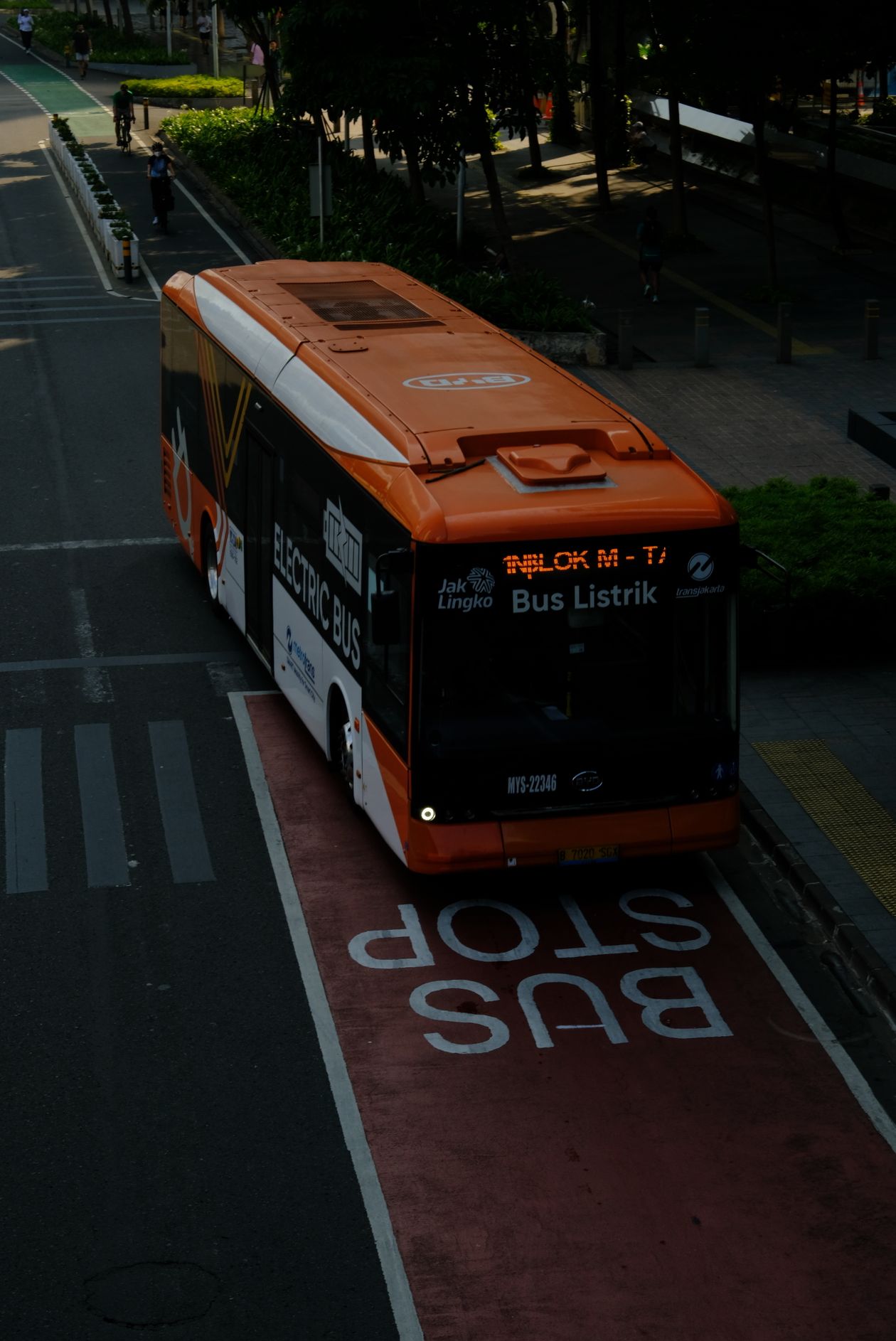
Sustainable mobility does not depend on a single solution but on a combination of modes that complement one another. These are the main ones.
Public transit
Metro, light rail and bus systems move large numbers of people with a fraction of a private car’s emissions per passenger. Beyond decarbonization, public transit creates jobs and social cohesion: urban public transport employs about 9 million people worldwide, a figure that has grown by 20% over the past decade (UITP, 2026).
Cycling and micromobility
Bicycles, with or without electric assist, and shared scooters take up little space, emit no CO2 in use and improve the health of the people who ride them.

Walking
Walking is still the oldest and most sustainable way to get around. Proximity-based urban planning, with wide sidewalks and safe streets, lets people cover on foot many short trips that are made by car today, with zero emissions and direct benefits for public health.

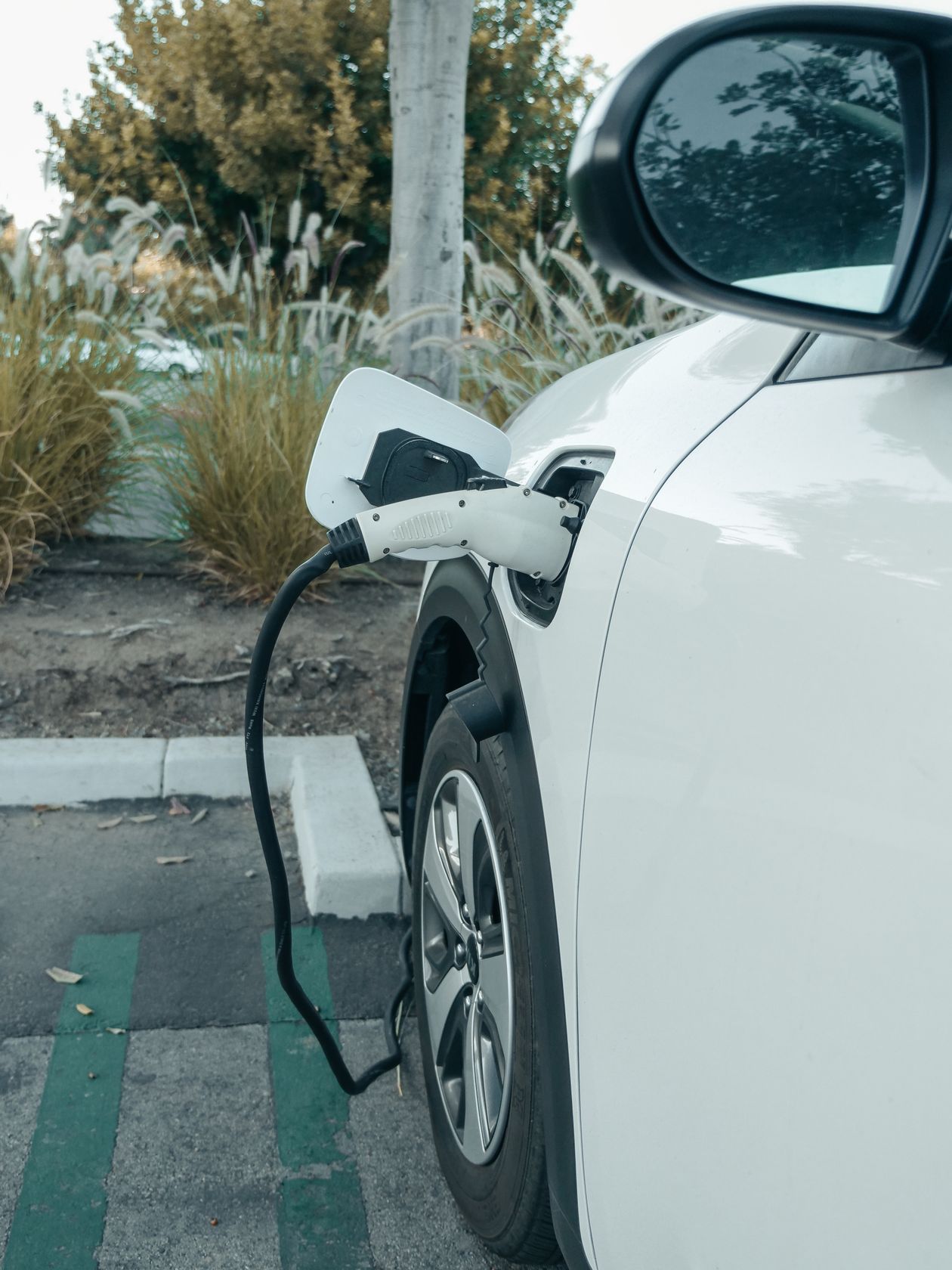
Electric vehicles
Electric vehicles (cars, buses, vans and motorcycles) eliminate tailpipe emissions and, when charged with renewable energy, drastically shrink their carbon footprint. Their adoption is growing at a remarkable pace: electric cars went from 14% of global sales in 2022 to 18% in 2023 (IEA, 2024) and about 25% in 2025 (IEA, 2026). This electrification is part of a broader energy transition that reduces dependence on non-renewable natural resources.
Shared mobility
Carsharing, carpooling and shared bike or scooter fleets reduce the total number of vehicles needed, freeing up urban space now devoted to parking.
Why transport is key for the climate
In 2018, transport was responsible for about a quarter (24%) of global CO2 emissions from energy, and road transport accounted for around three-quarters of the sector’s emissions (Our World in Data, 2020). Passenger vehicles (cars and buses) alone accounted for about 45% of transport emissions, according to the same data.
Transport emissions have kept rising for decades: they grew from 5.0 GtCO2-eq in 1990 to 8.7 GtCO2-eq in 2019 (IPCC AR6, 2022). Reversing this trend requires combining electrification with lower demand for private cars and support for clean modes, a challenge directly tied to climate change.
The rise of electric vehicles
Few indicators illustrate the shift under way better than electric car sales. Between 2020 and 2023 they multiplied several times over, from about 3 million units to almost 14 million (IEA Global EV Outlook 2024), and they topped 17 million in 2024 and 20 million in 2025 (IEA Global EV Outlook 2025 and 2026).
Source: IEA, Global EV Outlook 2024.
Sustainable mobility and cities
Cities are where sustainable mobility has the greatest impact. Investing in high-quality public transit reduces congestion, improves access to opportunities and cuts pollution. Cities that have expanded their metro networks, such as New Delhi and Copenhagen, more than doubled their ridership between 2015 and 2024 (UITP, 2026). These transformations are part of a broader sustainable economy.

Challenges and barriers to sustainable mobility
Despite its progress, sustainable mobility faces major obstacles. A lack of charging infrastructure is still a barrier to mass adoption of electric vehicles, especially outside large cities. In addition, the purchase price of an electric car is still higher than that of a combustion car in many markets, although the gap narrows year after year as battery costs fall (IEA, 2024).
Public transit, for its part, requires sustained investment and urban planning that puts pedestrians ahead of cars. In many cities, decades of car-oriented design have created a dependence that is hard to reverse without ambitious policies and stable funding. Overcoming this inertia is as important as developing new technologies.
Then there is the materials challenge: battery manufacturing depends on minerals such as lithium, cobalt and nickel, whose extraction must be managed responsibly so that the environmental impact is not simply shifted from the use phase to the production phase. Recycling batteries and extending their service life will be key to closing the loop sustainably.
How to promote sustainable mobility
Speeding up the transition to clean mobility requires combining several levers. Governments can expand public transit networks, build safe bike lanes, pedestrianize city centers and offer incentives for buying electric vehicles. In its 2024 projections (Stated Policies Scenario), the IEA estimated that the rapid adoption of electric vehicles of all types would avoid about 6 million barrels of oil demand per day in 2030 (IEA Global EV Outlook 2024); in 2025, the global EV fleet already avoided around 1.7 million barrels per day (IEA Global EV Outlook 2026).
Technology is also supporting this transformation: mobility-as-a-service (MaaS) platforms integrate different modes (public transit, shared bikes and electric vehicles) into a single app, making it easier for people to combine clean options on every trip without relying on a car of their own.
On an individual level, everyone can contribute by choosing public transit, cycling or walking for short trips, carpooling when possible and opting for low-emission vehicles. These everyday decisions, combined with consistent public policies, are the foundation of a mobility model that fits within the planet’s limits and supports actions for sustainable development.
Benefits of sustainable mobility
The benefits of embracing cleaner mobility are many, and they reinforce one another.
- Lower emissions: cutting the use of combustion cars reduces emissions from transport, which accounted for 23% of energy-related CO2 emissions in 2019 (IPCC, 2022).
- Cleaner air: fewer combustion vehicles mean fewer local pollutants and better respiratory health.
- More livable cities: less congestion, less noise and more public space for people.
- Cost savings: public transit and active modes are cheaper than a private car and lower energy bills.
- Health and jobs: walking and cycling improve health, and public transit supports about 9 million jobs worldwide (UITP, 2026).
Related topics
- Sustainable urban development
- Sustainable cities: everything you need to know
- Sustainable development projects
- Sustainable economy
- Economic sustainable development
- Actions for sustainable development
- Renewable natural resources
- Non-renewable natural resources
- Eco projects for schools and universities
Sources used
- IPCC, Sixth Assessment Report (AR6), Chapter 10: Transport (2022)
- IEA, Global EV Outlook 2024
- UITP, 50 Statistics That Show How Public Transport Makes Cities Better (2026)
- Our World in Data, Cars, planes, trains: where do CO2 emissions from transport come from? (2020)
Sustainable mobility is not a distant utopia but a transformation already under way that combines technology, urban planning and new habits. Choosing public transit, cycling, walking and electric vehicles cuts emissions, improves health and makes cities fairer and more livable. Every trip we stop making in a combustion car is a step toward a cleaner future.
Related articles
Last updated: November 10, 2026







Leave a Reply