
Category: Sustainable Development
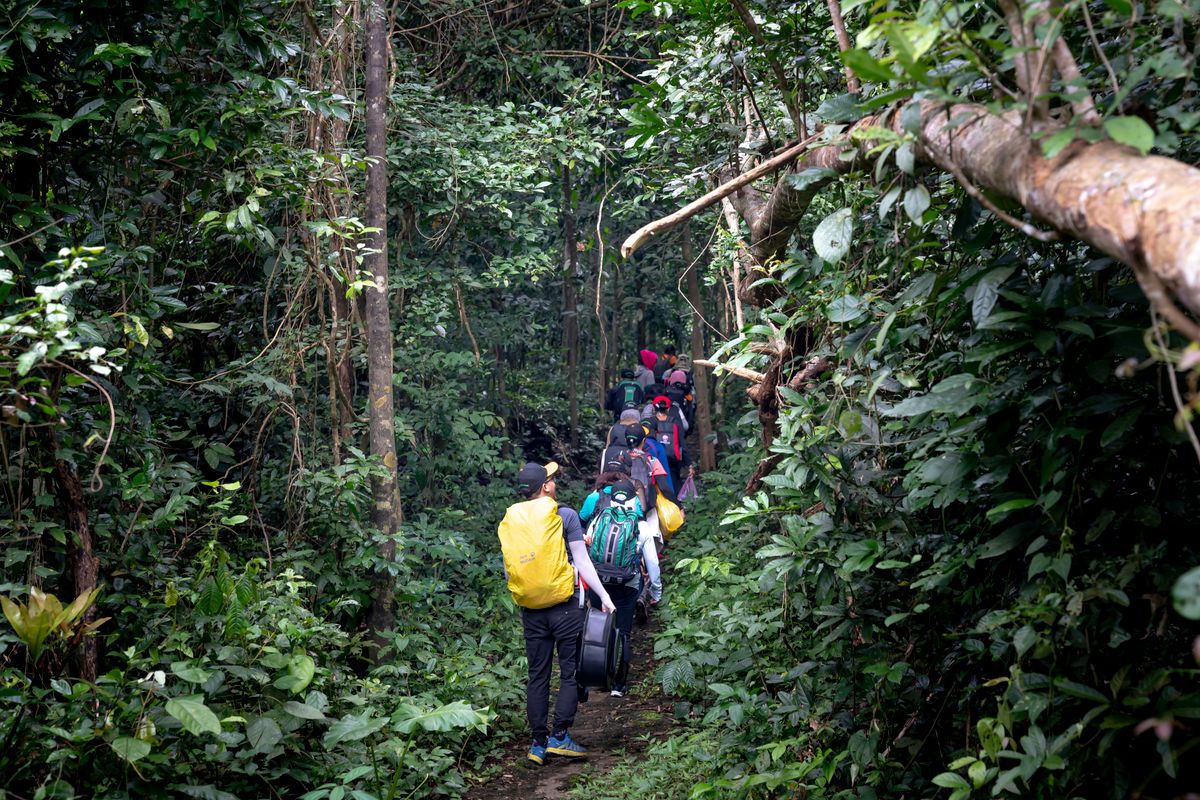
Sustainable Tourism and Ecotourism: Definition, Pillars and Examples
Sustainable tourism, as defined by UN Tourism (UNWTO), is tourism that takes full account of its current and future economic, social and environmental impacts, addressing the needs of visitors, the industry, the environment and host communities. Ecotourism is one form of it, focused on nature and conservation. In 2024 tourism accounted for about 1.4 billion…
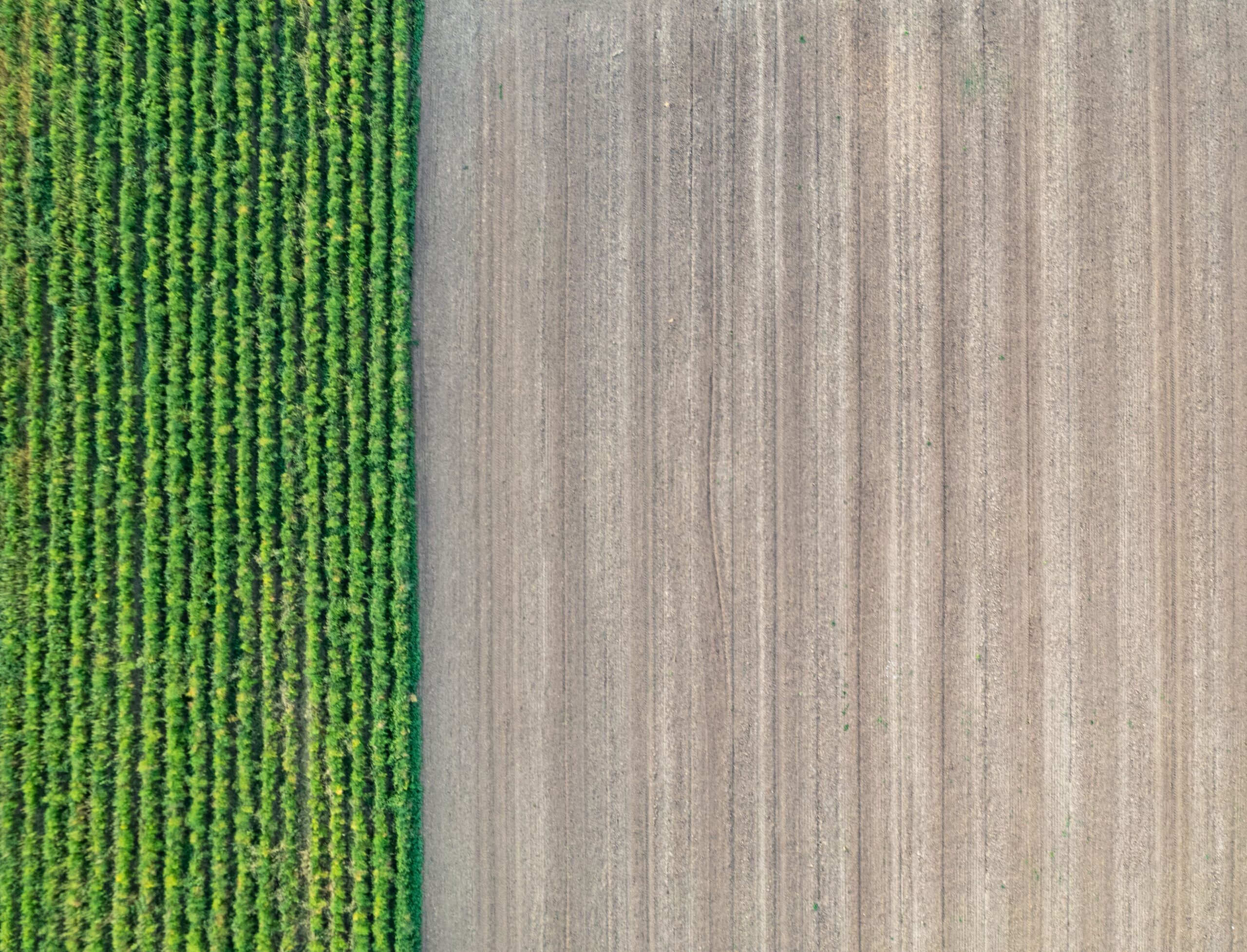
Sustainable Agriculture: What It Is, Techniques and Benefits
Sustainable agriculture is a way of producing food that meets today’s needs without depleting the soil, water and biodiversity that future generations will depend on. It is an urgent priority: agriculture accounts for around 70% of the planet’s freshwater withdrawals, and in 2015 food systems generated close to 34% of greenhouse gas emissions. How can…
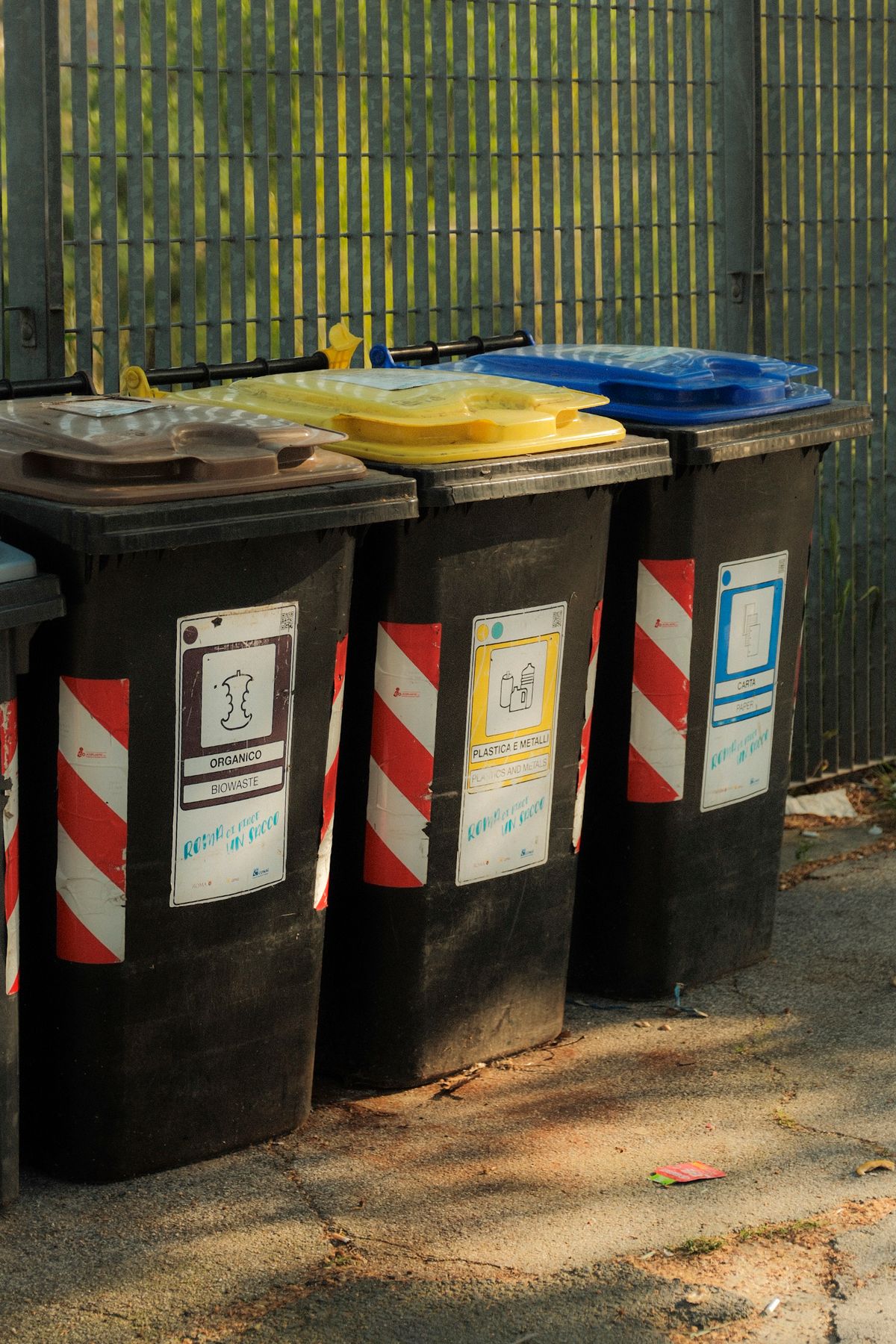
Circular Economy: What It Is, Principles and Examples
The circular economy is a model of production and consumption that aims to keep materials and products in use for as long as possible through reduction, reuse and recycling, as opposed to the linear “take-make-dispose” model. It is an urgent response: the global economy is only 6.9% circular and already consumes 106 billion tonnes of…
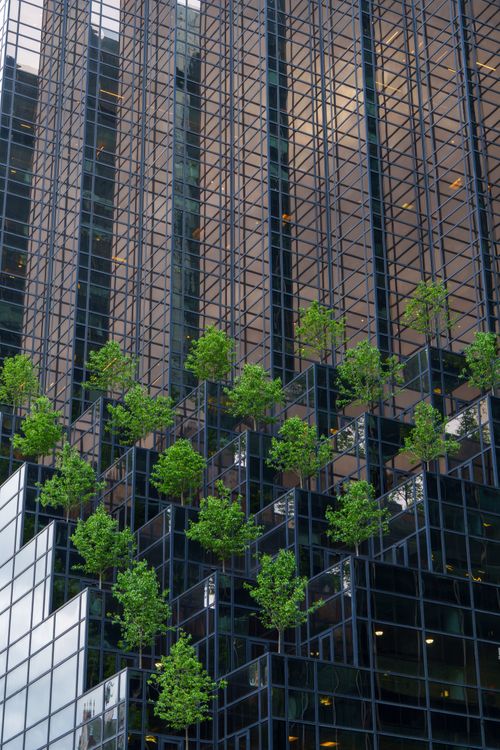
The Three Pillars of Sustainable Development: Definition and Examples
The three pillars of sustainable development are environmental (protecting ecosystems and natural resources), social (equity, health, education and inclusion) and economic (sustained, inclusive growth). The UN calls them “the three dimensions of sustainable development: the economic, social and environmental” and integrates them into the 17 Sustainable Development Goals adopted by 193 countries in 2015 (UN,…
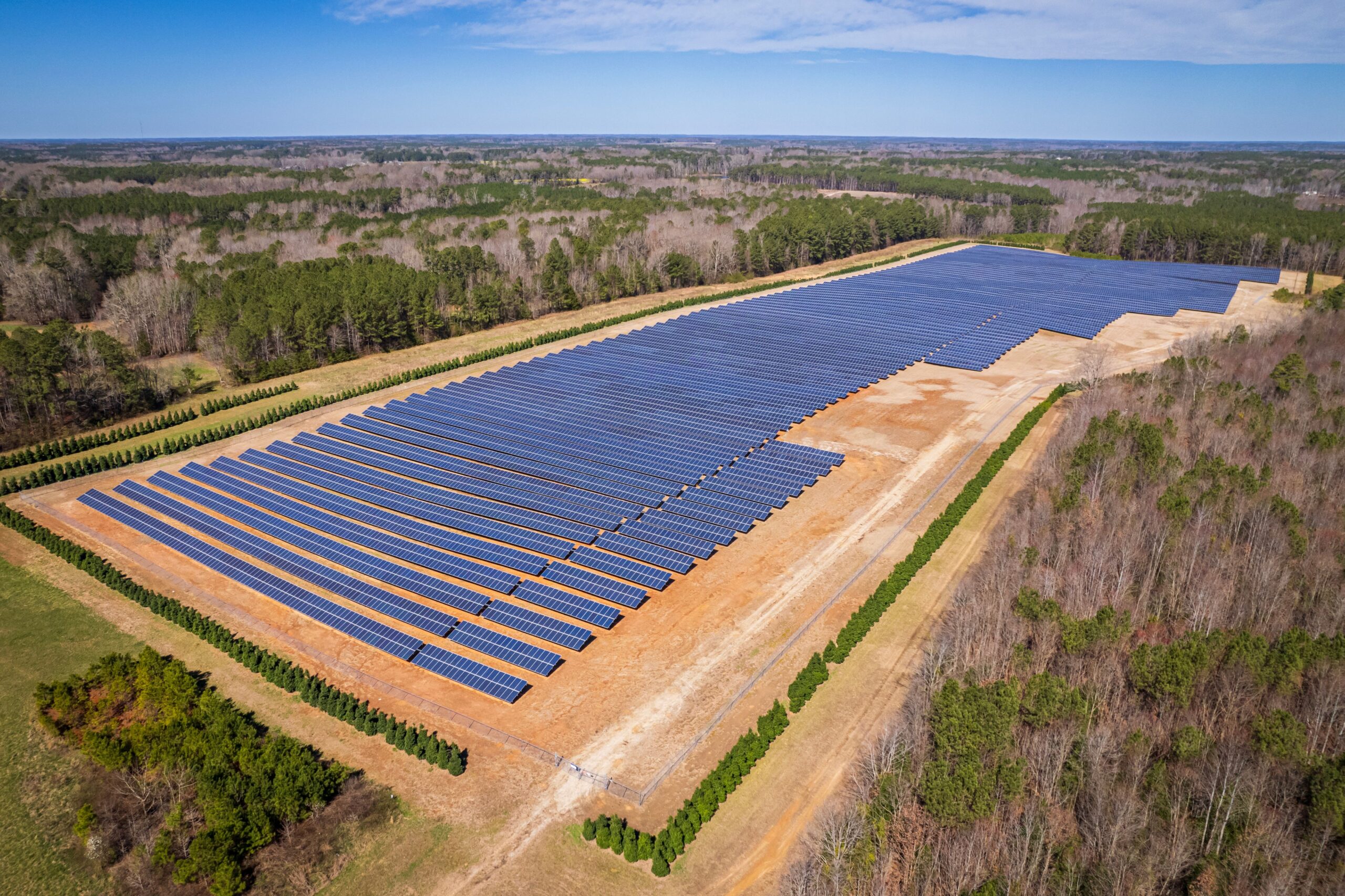
Energy Transition: What It Is and How the World Is Progressing
The energy transition is the shift from a system based on fossil fuels (coal, oil and gas) to one dominated by clean sources such as solar, wind and hydropower. In 2025, renewables generated 33.8% of the world’s electricity and overtook coal for the first time in a century, while investment in clean energy was expected…
Sustainable Development Projects: What They Are and Examples
Sustainable development projects are ideas that pursue economic prosperity, environmental integrity and social equity at the same time. What examples of sustainable development projects are there? The Shams 1 solar plant in the United Arab Emirates reaches 100 megawatts with 258,048 mirrors, and in 2011 Japan set out to build a 1-gigawatt floating wind farm…
Sustainable Development in Colombia: Trends, Examples and Parks
Colombia is one of the 17 megadiverse countries, which together are home to 70% of the world’s biodiversity, which makes it vital to protect the environment as the country develops economically. Its national parks system has 61 protected areas covering about 23.3 million hectares, including marine areas, and its Human Development Index reached 0.788 in…
Emerging Energy Sources: Airborne Wind, Algae Fuel and Waste-to-Energy
Emerging energy sources rely heavily on renewable resources such as the sun, wind and water, and involve new methods and technologies to harness them more effectively. Notable innovations include the airborne wind farms studied by NASA, algae for biofuels and generating energy from waste. What are the new emerging energy technologies? In 1954, Lewis Strauss,…
OECD Environmental Outlook to 2050: Key Findings and Projections
The OECD’s Environmental Outlook to 2050, published in 2012, projects a world population of more than 9 billion, with 70% living in urban areas. Without action, terrestrial biodiversity would shrink by 10%, water demand would grow by 55% and greenhouse gas emissions would rise by 50% by 2050. What will the world’s environment look like…
Why Access to Electricity Matters for Education, Health and Growth
Access to electricity remains out of reach for millions of people: according to the International Energy Agency (IEA), about 750 million people lacked electricity in 2023. Its absence holds back education, health, safety and economic growth, and it hits sub-Saharan Africa hardest: about 600 million people there had no access in 2023, 80% of the…