

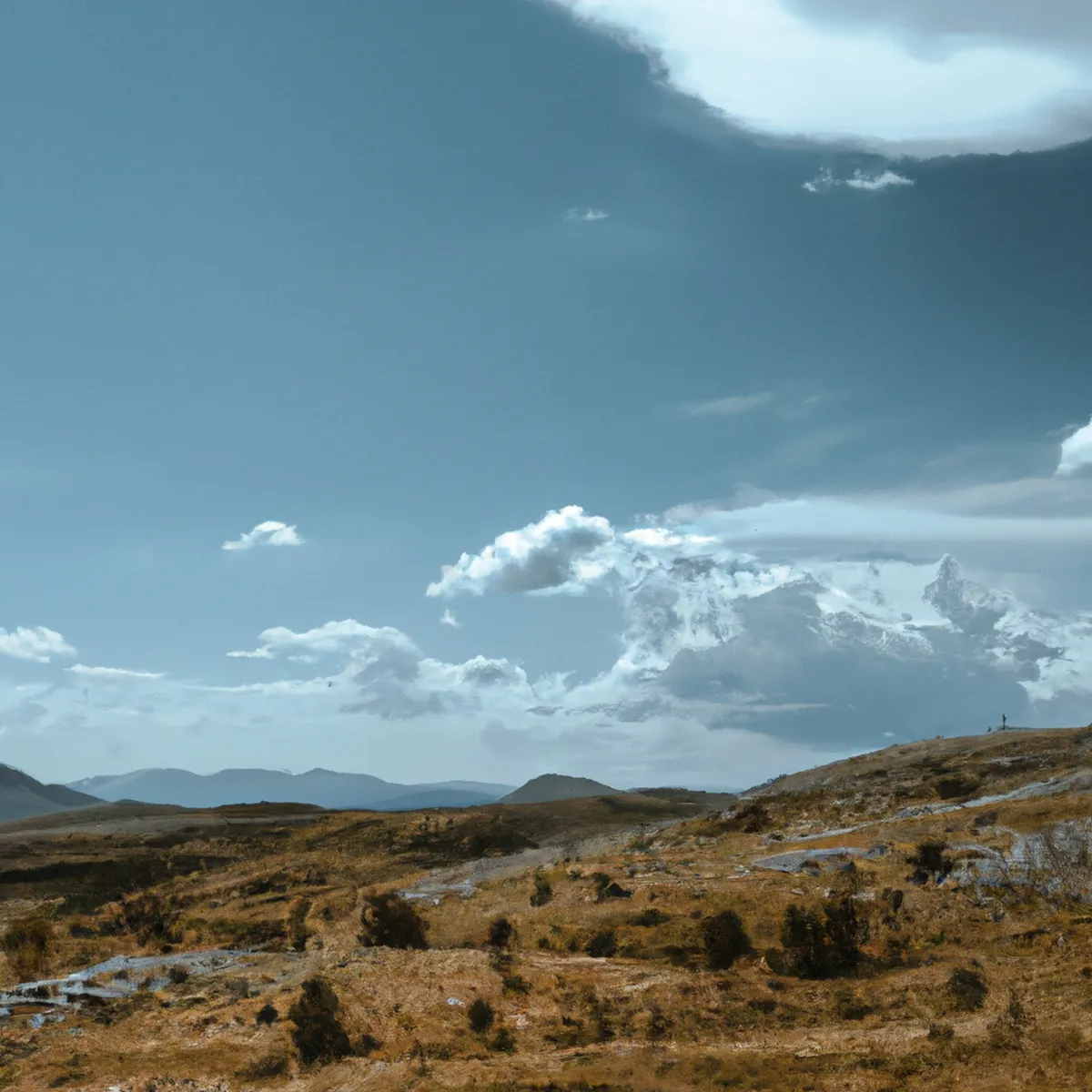
Bosnia and Herzegovina’s natural resources stand out for coal reserves of 2,495 million tonnes and iron production of 1,622 thousand tonnes in 2019. Coal is concentrated in the Zenica-Doboj Basin, forests cover 42.73% of the territory and the brown bear heads its wildlife. What mineral wealth does the country have?
Bosnia and Herzegovina is a country on the Balkan Peninsula, with mountainous terrain and a wide variety of natural resources. These include abundant forests, rivers and lakes, as well as significant mineral reserves.
Table de contenidos
The richness of its biodiversity is also remarkable, with a wide variety of animal and plant species unique to the region. Bosnia and Herzegovina’s natural resources are vital to the country’s economy, as they generate jobs and wealth through sectors such as agriculture, fishing, mining and tourism.
What are Bosnia and Herzegovina’s natural resources? What wealth does the country have? How does it rank globally for mineral resources? How diverse are Bosnia and Herzegovina’s animals and plants?
Natural resources
Natural resources are materials or energy sources provided by or found on Earth that are useful to humans. Every product we manufacture is made up of natural resources.
- Renewable resources: these can be restored by natural processes faster than the rate at which they are consumed. Examples include solar radiation, wind, hydroelectric power, water when used properly, and plant and animal life.
- Non-renewable resources: once extracted, these are depleted and cannot regenerate. Examples include hydrocarbons, metals and minerals.
Examples of Bosnia and Herzegovina’s main natural resources
Bosnia and Herzegovina: environmental profile
The latest data on the land, water and biodiversity of Bosnia and Herzegovina.
| Land area | 51,200 km²2023 |
|---|---|
| Forest cover | 42.7% of land area2023 |
| Agricultural land | 21.7% of land area2023 |
| Arable land | 7.2% of land area2023 |
| Renewable freshwater per capita | 11,077 m³ per year2022 |
| Threatened species | 70 mammals, birds, fish and plants2022 |
Examples of Bosnia and Herzegovina’s mineral resources
Bosnia and Herzegovina has significant coal reserves, totaling 2,495,629,840 tonnes in 2016. This figure represents 0.20% of the world’s coal reserves, which shows the importance of this resource to the country’s economy. The main coal-producing region in Bosnia and Herzegovina is the Zenica-Doboj Basin, in the center of the country.
In 2019, Bosnia and Herzegovina produced a total of 1,622 thousand tonnes of iron, placing it 28th in the world ranking for production of this resource. The country’s iron ore is mined mainly at Ljubija, near Prijedor, in the northwest, while the city of Zenica, in central Bosnia and Herzegovina, is home to its blast furnace and steelworks. Iron production is an important source of income for the economy of Bosnia and Herzegovina, and the iron is used mainly to make steel for the construction and automotive industries.
Other important mining activities are zinc and lead production, which in 2019 yielded 16,815 tonnes of zinc concentrate and 11,900 tonnes of lead concentrate, while bauxite production amounted to 934,100 tonnes (USGS, 2019).
Water resources of Bosnia and Herzegovina
Bosnia and Herzegovina had 37.5 km³ of renewable freshwater resources in 2020, which placed it 91st in the world ranking. This Southeastern European (Balkan) country has a large number of rivers and lakes, the main ones being the Sava and Drina rivers and Jablanica Lake.
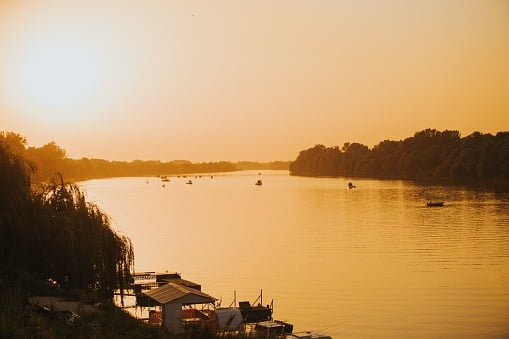
These water resources are very important for the economy and for the daily lives of the people of Bosnia and Herzegovina.
Average rainfall and soils of Bosnia and Herzegovina
Bosnia and Herzegovina has an average annual rainfall of 1,028 mm, which places it 78th in the world.
In general, Bosnian soils are rich in nutrients and minerals because of the high humidity, which makes them ideal for agriculture and food production.
Renewable electricity and hydropower production in Bosnia and Herzegovina
In 2025, Bosnia and Herzegovina generated 6.3 TWh of electricity from renewable sources — 43% of its total generation of 14.5 TWh — and hydropower alone supplied 5.3 TWh (Ember, 2025). One of the country’s main hydroelectric plants is the Jablanica Hydroelectric Power Plant, on the Neretva River.
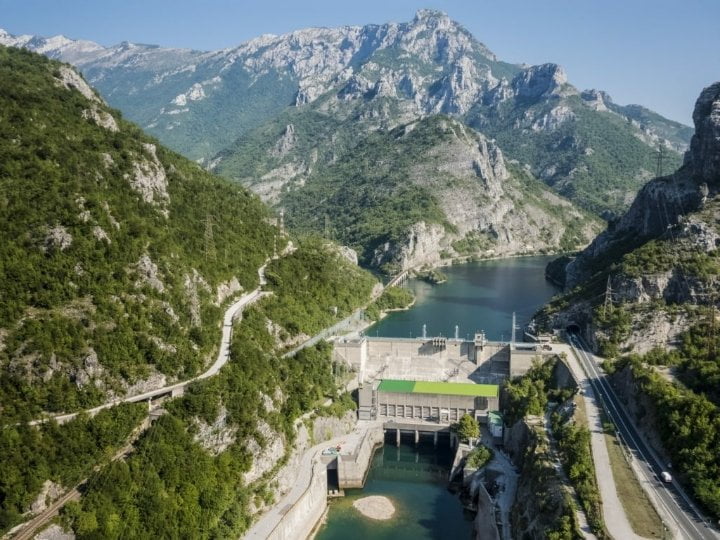
This plant has an installed capacity of 180 MW and generates around 770 GWh of energy a year.
Forest resources of Bosnia and Herzegovina
Forests cover much of Bosnia and Herzegovina’s territory. This natural resource is fundamental to the country’s economy, as forests make up 42.73% of its land area and cover 21,879.1 km².
Globally, Bosnia and Herzegovina ranks 98th for forest area.
Environmental performance and protection of Bosnia and Herzegovina’s natural resources
Bosnia and Herzegovina scores 46.0 on the Environmental Performance Index (EPI 2024), ranking 87th on the index. In addition, terrestrial and marine protected areas cover 9.5% of its total territorial area (World Bank, 2024), which shows its commitment to conserving natural resources.
Natural parks of Bosnia and Herzegovina
Biodiversity: animal and plant resources of Bosnia and Herzegovina
Birds of Bosnia and Herzegovina
Bosnia and Herzegovina has an impressive diversity of birds, with a total of 318 species. Although it had no endemic bird species in 2020, the country is home to a large number of threatened species, 7 in total.
Among the most notable birds is the eastern imperial eagle, the country’s flagship species and an important natural resource for conservation. Globally, Bosnia and Herzegovina ranks 132nd for number of bird species, which shows the importance of its biodiversity.
Fish and amphibians of Bosnia and Herzegovina
Bosnia and Herzegovina has rich biodiversity, notably 17 amphibian species and 336 fish species; its flagship amphibian is the alpine salamander and its flagship fish is the brown trout. Despite this diversity, the country ranks 81st in the world for number of amphibian species and 146th for number of fish species.
In addition, a worrying 36 fish species are threatened.
Mammals of Bosnia and Herzegovina
Bosnia and Herzegovina had 4 threatened mammal species in 2016 but no endemic mammals in 2020. Even so, the country has a great natural resource in its wildlife, and its flagship mammal is the brown bear.
Reptiles of Bosnia and Herzegovina
The Reptile Database lists at least 22 reptile species for Bosnia and Herzegovina. It is important to protect and conserve this natural resource, especially the country’s flagship species, the Bosnian viper.
Organizations that protect or study Bosnia and Herzegovina’s natural resources
- Ekoforum Zenica – Promotes environmental protection and environmental education in the city of Zenica.
- Ekopak – Focuses on waste management and the promotion of sustainable practices in Bosnia and Herzegovina.
- EKO (eko.ba) – Promotes sustainability and environmental protection in Bosnia and Herzegovina.
- Fondacija za zaštitu ptica i prirode u Bosni i Hercegovini (Foundation for the Protection of Birds and Nature in Bosnia and Herzegovina) – Focuses on biodiversity conservation and the protection of birds in Bosnia and Herzegovina.
Bosnia and Herzegovina is a net exporter of electricity: in 2021 it sold about 8 TWh abroad and imported close to 3 TWh, a surplus of about 5 TWh out of 17 TWh generated (EIA via Wikipedia, 2021). Electricity ranks alongside iron and aluminum among its main exports (OEC via Wikipedia, 2024).
Hydropower and a largely untapped potential
In 2021, the country had about 2,076 MW of installed hydroelectric capacity in plants larger than 10 MW, plus 180 MW in small hydro (World Bank via Wikipedia, 2021). Much of that energy comes from mountain rivers such as the Neretva, the largest karst river in the Dinaric Alps, whose upper course still has Class I water purity (Croatian Statistical Yearbook via Wikipedia, 2017). Even so, only 35% of its estimated hydroelectric potential of 6,800 MW was being used, the lowest utilization rate in Europe.
Lignite underpins the power grid
The other half of the system relies on coal: five lignite-fired plants had a combined capacity of up to 2,065 MW in 2021 (World Bank via Wikipedia, 2021). This domestic lignite, mined in basins such as Gacko, Kakanj and Ugljevik, is what makes it possible to generate the electricity surpluses that are exported to neighboring Balkan countries.
Iron and salt: mining with centuries of history
The Ljubija mine, near Prijedor, holds the country’s largest iron reserves, estimated at 442 million tonnes, and was producing about 2.9 million tonnes a year around 2008, with mining documented since the sixth century BC (Mindat and esiweb via Wikipedia, 2010). In the northeast, Tuzla, whose name means “salt mine” in Ottoman Turkish, is the only city in Europe with salt lakes in its center, a legacy of salt deposits worked since Ottoman times (Tuzla, Wikipedia).
Sources used
- Lists of countries by mineral production
- Economic data by country
- Forest area (km²)
- Forest area (% of land area)
- Arable land area (km²)
- Oil reserves
- Coal reserves
- Water and agriculture statistics
- Precipitation (mm)
- Environmental Performance Index
- CO2 emissions (tonnes per capita)
- Bird species
- Amphibian species by country
- Mammal species
- Endemic mammal species
- Plant species
- Reptile species by country
- Endemic bird species by country
Last updated: September 26, 2026
Leave a Reply