


Austria’s natural resources include forests covering 47.25% of its territory, minerals such as iron (2,800 thousand tonnes in 2019) and strong hydroelectric generation of 37.9 TWh in 2025. The Vienna Basin is the main oil-producing region, and the country has 78 km³ of renewable freshwater resources. What natural resources does Austria have?
Austria is a country in the heart of Europe, surrounded by mountains and hills. It has a wide variety of natural resources, including forests, minerals, rivers and lakes.
Table de contenidos
Forests cover almost half of the territory and are an important source of timber and other forest products. Its minerals include iron, copper, lead and zinc, which are mined in several regions.
Rivers and lakes are important for hydroelectric power generation and fishing. Austria’s natural resources have been used for centuries and are a fundamental part of its economy.
What are Austria’s natural resources? What natural wealth does the country have? Which minerals does it have, and how does it rank globally? How diverse are Austria’s animals and plants?
Natural resources
Natural resources are materials or energy sources provided by or found on Earth that are useful to humans. Every product we manufacture is made up of natural resources.
- Renewable resources: these can be restored by natural processes faster than the rate at which they are consumed. Examples include solar radiation, wind, hydroelectric power, water when used properly, and plant and animal life.
- Non-renewable resources: once extracted, these are depleted and cannot regenerate. Examples include hydrocarbons, metals and minerals.
Examples of Austria’s main natural resources
Austria in figures: environmental indicators
The most recent official figures available on the state of Austria’s environment.
| Forest cover | 47.2% of land area2023 |
|---|---|
| Protected land area | 29.6% of land area2025 |
| Annual change in forest area | +13 km² per year (2018–2023) |
| Renewable freshwater per capita | 6,083 m³ per year2022 |
| Threatened species | 69 mammals, birds, fish and plants2022 |
| Agricultural land | 31.5% of land area2023 |
Oil and gas resources in Austria
According to Worldometer (2024), Austria produces around 22,861 barrels of oil per day.
According to Worldometer, it also has oil reserves of about 27,700,000 barrels, which places it at around 81st in the world ranking of oil reserves. Although it is not one of the world’s leading oil producers, the country has significant natural resources in this field, and its main oil-producing region is the Vienna Basin.
In 2024, the country produced 548 million cubic meters of natural gas, according to Eurostat. Most of its output comes from small fields.
Examples of Austria’s mineral resources
In 2019, Austria produced a total of 2,800 thousand tonnes of iron, placing it 25th in the world ranking for production of this resource. Austria’s main iron-producing region is Styria, which has major iron ore deposits and a long tradition of steelmaking. Iron production is a key sector of the Austrian economy, which has remained competitive thanks to technological innovation and investment in research and development.
Water resources of Austria
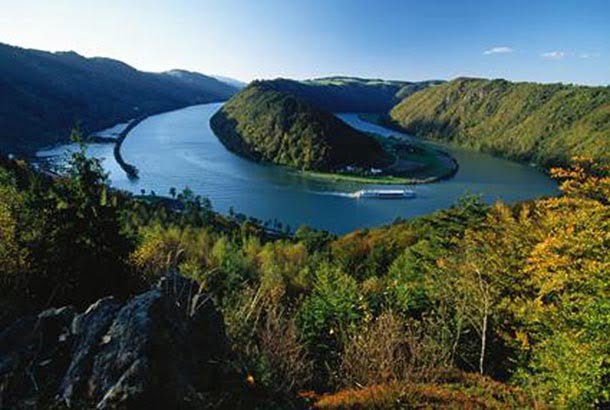
Austria has 78 km³ of renewable freshwater resources, which places it 69th in the world ranking of water reserves. This European country is in a privileged position in terms of water availability, which allows it to guarantee a supply of drinking water for its population and its economic activities.
Austria’s main bodies of water include the Danube and Mur rivers, as well as Lake Neusiedl.
Average rainfall and soils of Austria
The country has an average annual rainfall of 1,110 mm, which places it 73rd in the world. Austria’s soils vary with the country’s actual moisture levels; most are fertile and rich in nutrients because of the amount of rain the country receives each year.
Renewable electricity and hydropower production in Austria
In 2025, Austria generated 61.2 TWh of electricity from renewable sources — 84% of its total generation of 73.3 TWh — and hydropower alone supplied 37.9 TWh (Ember, 2025). One of its best-known hydroelectric plants is Kaprun, in the Austrian Alps.
Kaprun’s main stage has an installed capacity of 260 MW and generates about 549 GWh a year.
Forest resources of Austria
Austria is rich in forest resources, and its main forest region is the Vienna Woods. In 2020, the country’s forest area reached 47.25% of its land area, equivalent to 38,991.5 km².
These figures place Austria 72nd in the world ranking of forest area, which shows the importance of this natural resource in the country.
Environmental performance and protection of Austria’s natural resources
In Austria, natural resources are protected through terrestrial protected areas, which cover 29.6% of its land area. The link between these areas and the country’s environmental performance is clear: Austria ranks eighth, with a score of 68.9, in the Environmental Performance Index (EPI 2024).
Natural parks of Austria: the hidden wealth of natural resources
”Biodiversity: animal and plant resources of Austria
Birds of Austria
Austria has a rich diversity of birds, with a total of 304 species recorded in 2018. Although it had no endemic bird species in 2020, the country ranks 120th in the world for number of bird species.
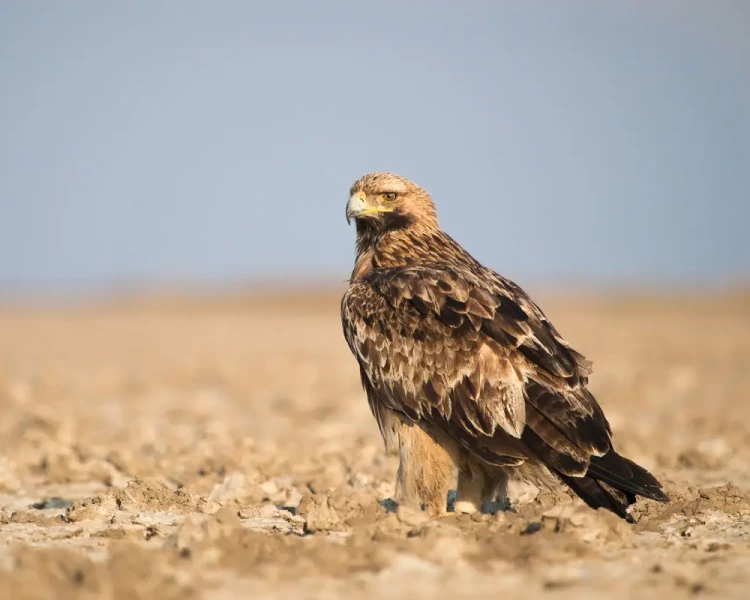
However, 13 of these species are endangered and require conservation measures and protection of their natural habitat as a valuable biodiversity resource. Among the most notable species is the eastern imperial eagle, which is considered the country’s flagship bird.
Fish and amphibians of Austria
Austria has rich biodiversity, with a total of 20 amphibian species and 93 fish species; its flagship amphibian is the alpine salamander and its flagship fish is the brown trout. Whatever its position in the world rankings for number of amphibian species (77th) and fish species (195th), the country faces the threat of 11 endangered fish species.
It is important to stress the need to protect and conserve these natural resources in order to ensure their survival and that of the species that depend on them.
Mammals of Austria
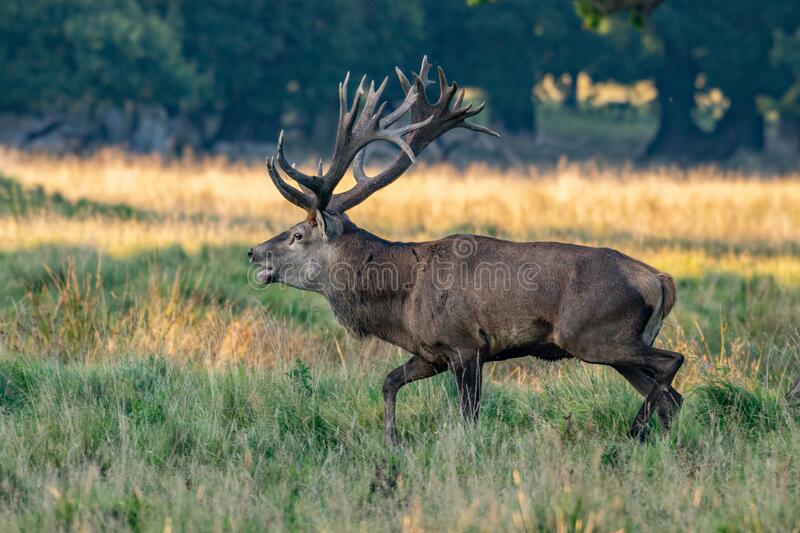
Austria had three threatened mammal species in 2016 and no endemic mammals in 2020, ranking 86th in the world. Even so, the country has a wide variety of natural resources and diverse wildlife, and its flagship mammal is the red deer.
Reptiles of Austria
Austria has a total of 16 reptile species, ranking 127th in the world for diversity of these animals. This natural resource is very important for the country; its flagship species is the European green lizard, which is endangered because of the loss of its natural habitat.
Plants of Austria
Austria has a great diversity of vascular plants, with a total of 2,580 species recorded in 2020, placing it 75th in the world.
Organizations that protect or study Austria’s natural resources
- Environment Agency Austria (Umweltbundesamt) – Protects and monitors air, water and soil quality in Austria.
- Global 2000 – NGO working on climate change, renewable energy and biodiversity protection.
- Naturschutzbund Österreich (Austrian Nature Conservation League) – NGO working to protect biodiversity and conserve natural resources.
- Greenpeace Austria – NGO working on climate change, renewable energy and biodiversity protection.
- WWF Austria – NGO working to protect biodiversity and conserve natural resources.
- Federal Ministry of Agriculture, Forestry, Regions and Water Management – Responsible for environmental policy and the protection of natural resources in Austria.
What are Austria’s main natural resources?
Austria’s main natural resources include forests; minerals such as iron, copper, lead and zinc; and rivers and lakes, which are important for hydroelectric power generation and fishing.
How diverse are Austria’s animals and plants?
Austria has rich biodiversity, including 304 bird species, 20 amphibian species, 93 fish species and 2,580 vascular plant species.
How are natural resources and biodiversity protected in Austria?
Austria protects its natural resources and biodiversity through terrestrial protected areas, which cover 29.6% of its land area. The country also has organizations such as Environment Agency Austria and Global 2000 that work on protection and conservation.
Austria’s signature mineral is magnesite, the raw material for the refractory bricks that line steel furnaces and cement kilns around the world. The country ranks among the largest producers globally and is the leading producer in the European Union, and the Austrian company RHI Magnesita is the world leader in refractories, according to data from the USGS via Investing News, 2024.
Magnesite: a European heavyweight
Austria’s magnesite production is around 760,000 to 810,000 tonnes a year, a figure that puts it among the top six producers on the planet and at the top of the European Union. China dominates the market with about 13 million tonnes, according to the USGS via Investing News, 2024.
Electricity: hydropower dominates
Austria’s electricity mix is among the cleanest in Europe. Low-carbon sources provide about 76% of generation, and hydropower alone covers almost half of the total, according to Low Carbon Power, 2026.
Forests over almost half the country
Forest cover reached 47.25% of land area in 2020, its highest value in three decades. Forests support the timber and paper industries, according to the World Bank, 2020.
Outstanding environmental performance
Austria ranked eighth in the world with 68.9 points on the Environmental Performance Index, which assesses 58 indicators. It stands out for ecosystem vitality, according to the Yale EPI, 2024.
Frequently asked questions
Is Austria the world’s largest producer of magnesite? No. China leads with about 13 million tonnes, but Austria ranks among the top six and leads the European Union, according to the USGS via Investing News, 2024.
Which resource generates most of Austria’s electricity? Hydropower, which provides almost half of the total and anchors a mix in which about 76% comes from low-carbon sources, according to Low Carbon Power, 2026.
Sources used
- Lists of countries by mineral production
- Economic data by country
- Forest area (km²)
- Forest area (% of land area)
- Arable land area (km²)
- Oil reserves
- Coal reserves
- Water and agriculture statistics
- Precipitation (mm)
- Environmental Performance Index
- CO2 emissions (tonnes per capita)
- Bird species
- Amphibian species by country
- Mammal species
- Endemic mammal species
- Plant species
- Reptile species by country
- Endemic bird species by country
Last updated: September 26, 2026
Leave a Reply