

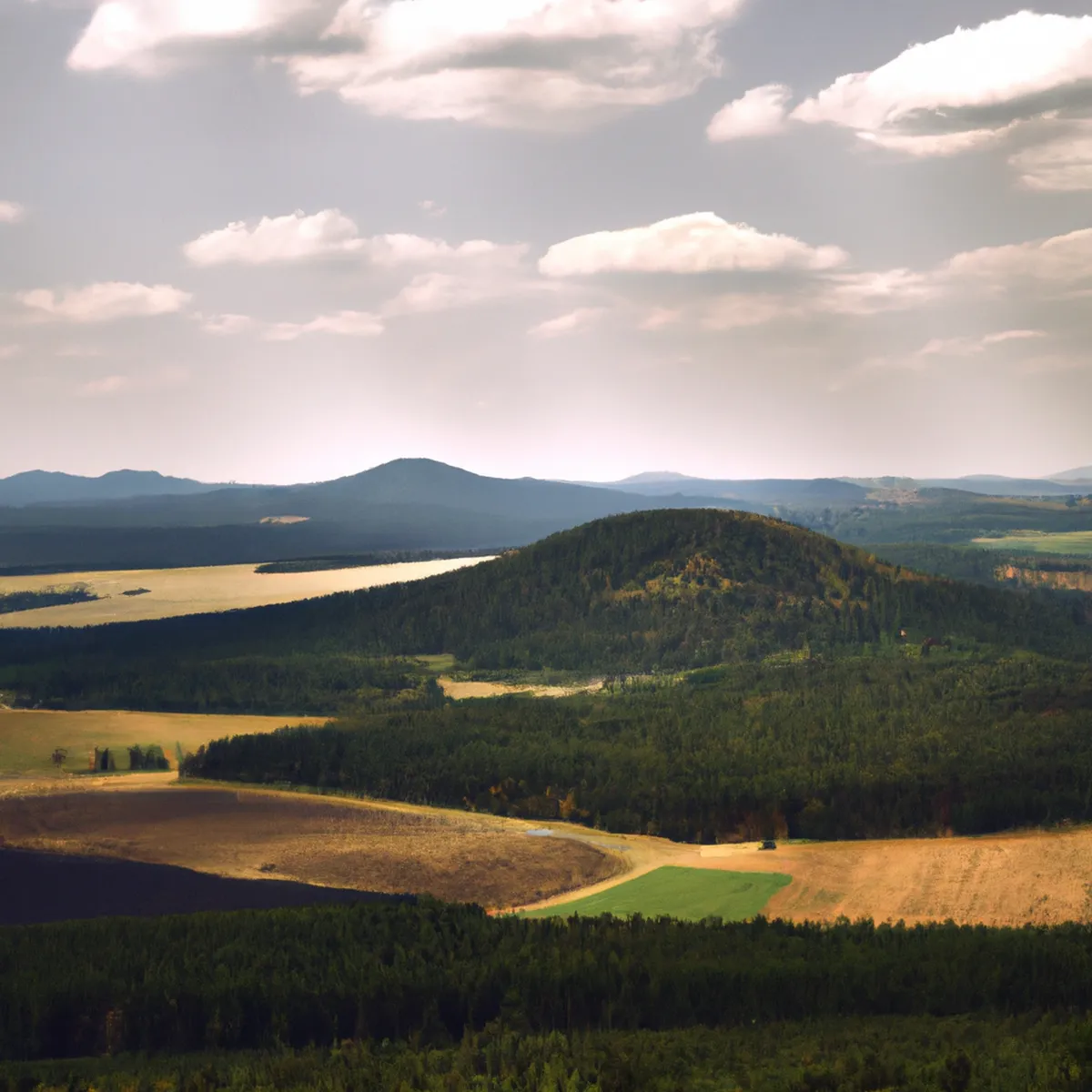
The Czech Republic’s natural resources include coal, with reserves of 4,012 million tonnes, and minerals such as uranium, lead and zinc. Forests cover 34.76% of the territory, 383 bird species have been recorded, and the country has 13.15 km³ of renewable freshwater resources. What are the Czech Republic’s main natural resources?
The Czech Republic, in Central Europe, has a wide variety of natural resources. Chief among them are its extensive coniferous forests, which cover more than a third of the territory.
Table de contenidos
It also has significant reserves of coal, uranium and other minerals. In addition, its rivers and lakes provide freshwater for consumption and agriculture.
Czech biodiversity is equally rich, with plant and animal species unique to the region. In short, the Czech Republic’s natural resources are an important source of wealth and vitality for the country.
What are the Czech Republic’s most notable natural resources? What natural wealth does the country have? Which mineral resources are available, and how does it rank globally? How is its land used, and how much biodiversity does the Czech Republic protect?
Natural resources
Natural resources are materials or energy sources provided by or found on Earth that are useful to humans. Every product we manufacture is made up of natural resources.
- Renewable resources: these can be restored by natural processes faster than the rate at which they are consumed. Examples include solar radiation, wind, hydroelectric power, water when used properly, and plant and animal life.
- Non-renewable resources: once extracted, these are depleted and cannot regenerate. Examples include hydrocarbons, metals and minerals.
Examples of the Czech Republic’s main natural resources
Czech Republic: water, forests and protection
Key indicators of the country’s natural heritage, with their reference year.
| Renewable freshwater per capita | 1,232 m³ per year2022 |
|---|---|
| Forest cover | 34.8% of land area2023 |
| Annual change in forest area | +18 km² per year (2018–2023) |
| Protected land area | 21.9% of land area2025 |
| Threatened species | 47 mammals, birds, fish and plants2022 |
| Resource | Reserves / production | Source |
|---|---|---|
| Oil | 1,687 barrels/day (2021, 64th) | EIA |
| Natural gas | 247 million m³ (77th) | EIA |
| Coal (production) | 35.2 million t (2022) | USGS |
| Coal (reserves) | 4,012 million t (0.40% of world total, 2016) | USGS |
| Renewable freshwater | 13.15 km³ (117th) | FAO |
| Forests | 34.76% of land area | World Bank |
Oil and gas resources in the Czech Republic
The Czech Republic produced around 1,687 barrels of oil per day in 2021, placing it 64th in the world.
The country produced 179 million cubic meters of natural gas in 2024 (Eurostat).
Examples of the Czech Republic’s mineral resources
The Czech Republic is a major coal producer, with output of around 35.2 million tonnes (2022), which keeps it among Europe’s leading coal producers. It also has significant coal reserves, totaling 4,012,408,400 tonnes in 2016, or 0.40% of the world’s coal reserves. The country’s main coal-producing region is the Ostrava-Karviná basin, in the northeast.
Minerals found in the Czech Republic include bituminous coal, anthracite and lignite. Other minerals include lead, zinc, uranium, gold, tin, graphite and kaolin. Notable mining areas are Ostrava-Karviná, Kutná Hora, Příbram and the Ore Mountains in Bohemia.
Water resources of the Czech Republic
The Czech Republic has 13.15 km³ of renewable freshwater resources, which places it 117th in the world.
The Czech Republic’s main bodies of water include the Elbe and Vltava rivers, as well as Lake Lipno, the largest in the country.
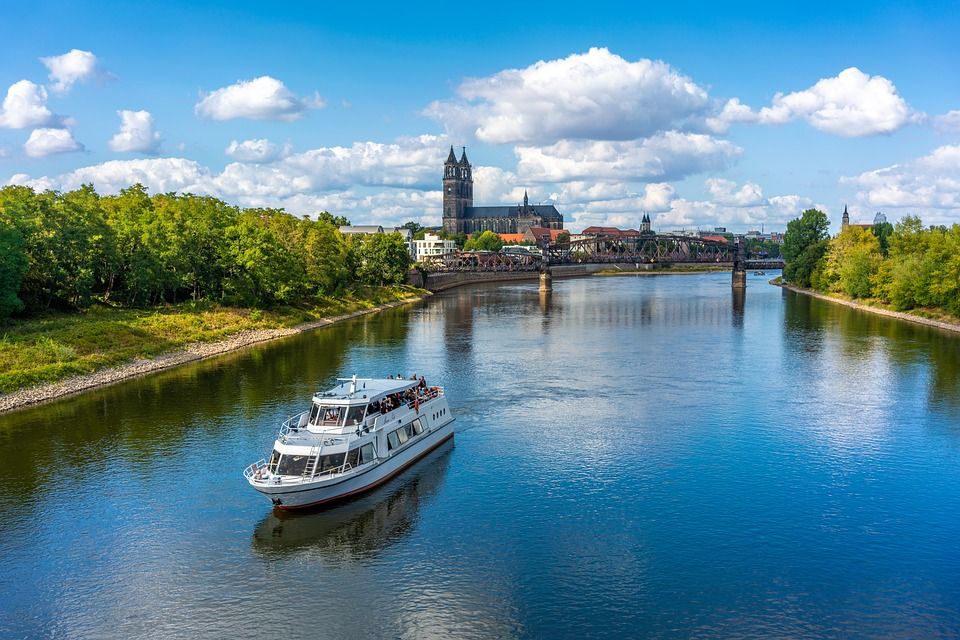
Renewable electricity and hydropower production in the Czech Republic
In 2025, the Czech Republic generated 12.7 TWh of electricity from renewable sources — 17% of its total generation of 75.5 TWh — and hydropower alone supplied 1.7 TWh (Ember, 2025). The country’s largest hydroelectric plant is the Dlouhé Stráně pumped-storage station (650 MW), while the largest conventional plant is Orlík, on the Vltava River, with an installed capacity of 364 MW.
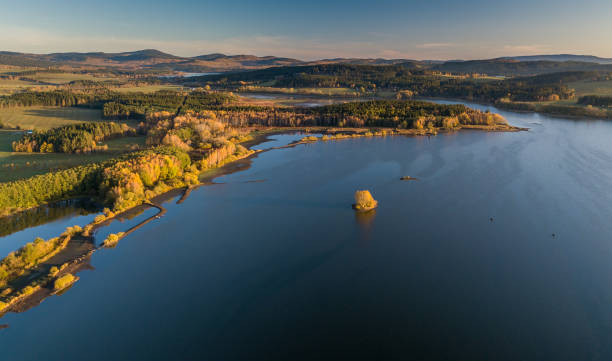
Forest resources of the Czech Republic
The Czech Republic has a significant forest area, covering 34.76% of its land area (World Bank, 2023), equivalent to about 26,825.2 km². This forest area is a valuable resource for the country, as it provides timber, oxygen and habitat for local wildlife.
Globally, the Czech Republic ranks 90th for forest area, and its main forest region is Bohemia.
Environmental performance and protection of the Czech Republic’s natural resources
The Czech Republic scores 65.5 on the Environmental Performance Index (EPI 2024) and ranks 17th on the index. In addition, protected areas make up 21.9% of its total territorial area (World Bank, 2025). The link between protecting these natural resources and the country’s position on the Environmental Performance Index is worth highlighting. More: Environmental Performance Index (EPI 2024).
Natural parks of the Czech Republic: the hidden wealth of natural resources
Biodiversity: animal and plant resources of the Czech Republic
Birds of the Czech Republic
The Czech Republic has a rich diversity of birds, with a total of 383 species. One emblematic species is the imperial eagle.

A total of 9 bird species are endangered. Even so, the Czech Republic remains an attractive destination for birdwatchers.
Fish and amphibians of the Czech Republic
The Czech Republic has a diversity of amphibian and fish species. 21 amphibian species and 101 fish species have been recorded in the country.
Reptiles of the Czech Republic
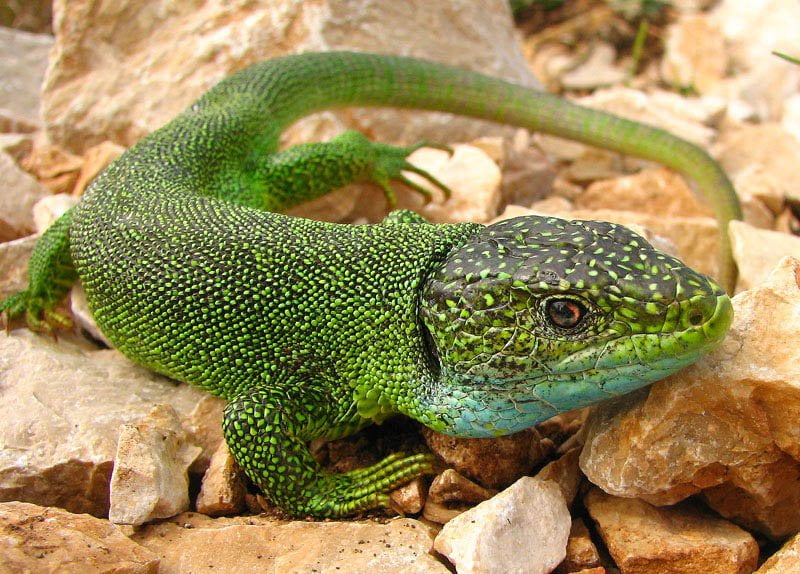
The Czech Republic has a total of 13 reptile species, ranking 130th in the world for number of reptile species. This natural resource is very important for the country’s biodiversity, and its flagship species is the European green lizard.
Plants of the Czech Republic
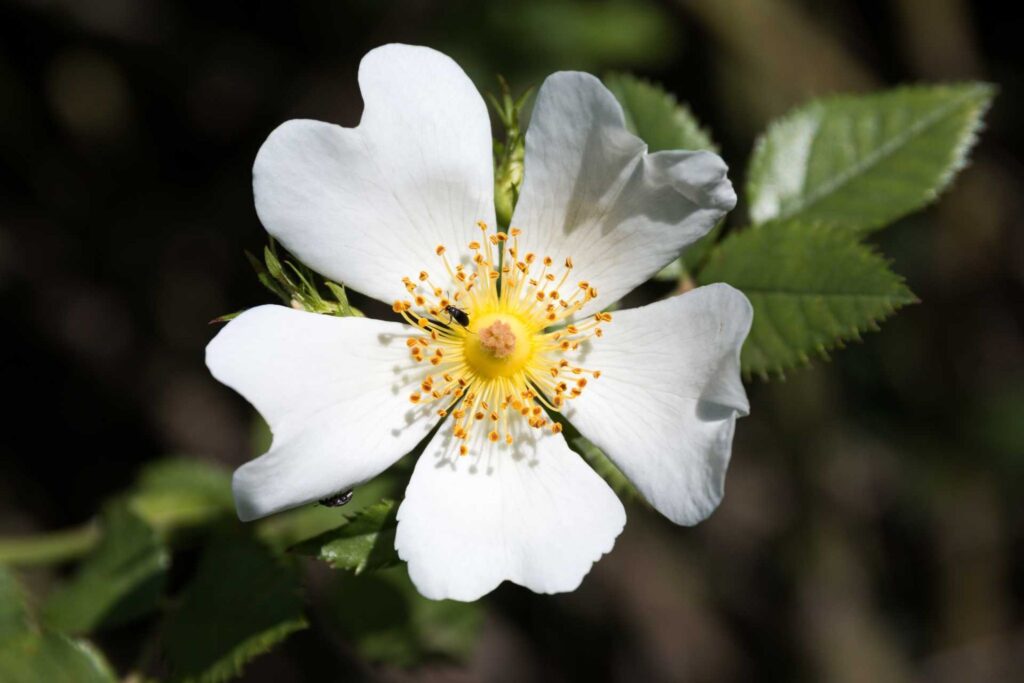
The Czech Republic has a great diversity of vascular plants, with a total of 2,100 species recorded in 2020, placing it 89th in the world. Among the most notable species is the national flower, the dog rose (Rosa canina), which is found throughout the country and is used to make teas and jams.
Organizations that protect or study the Czech Republic’s natural resources
- Czech Union for Nature Conservation – Protects the country’s biodiversity and natural resources.
- Czech Forestry – Manages and protects the Czech Republic’s forests.
- Czech Environmental Information Agency – Provides information and data on the environment in the country.
- Agency for Nature Conservation and Landscape Protection of the Czech Republic – Protects nature and the landscape of the Czech Republic.
- Greenpeace Czech Republic – Campaigns for environmental protection and the promotion of renewable energy in the country.
The Czech Republic (Czechia) has the highest per capita beer consumption in the world: 126 liters per person per year in 2024, ahead of Austria (107.8 L) and Germany (99 L) (Czech Beer Association, via Wikipedia, 2024). That consumption rests on an agricultural resource with a name of its own: hops.
Saaz hops, an agricultural resource with a protected designation
Saaz hops (Žatecký), grown around the town of Žatec in Bohemia, are one of the “noble” varieties of the brewing world and accounted for more than two-thirds of all Czech hop production in 2009 (Wikipedia, Saaz hops). Saaz is the base hop of Czech pilsner and also the main hop in Belgium’s Stella Artois, which makes this aromatic crop an export resource with a geographical identity.
Brown coal: the historical backbone of electricity
For decades, lignite, or brown coal, was the mainstay of the country’s electricity generation: it accounted for 46.2% of the mix in 2015, and the 2019 energy strategy plans to cut it to 15.5% by 2040 (Wikipedia, Czech electricity sector, 2019). In the June 2025 to May 2026 period, coal still generated about 34% of the country’s electricity (Low Carbon Power, 2026). Even so, Czechia remains a net exporter of electricity.
Nuclear power: about 40% of the supply
Czechia operates six nuclear reactors, four at Dukovany (VVER-440) and two at Temelín (VVER-1000), with a total of 4,212 MWe. In 2024 they supplied 29.7 TWh, about 40% of the country’s electricity (World Nuclear Association, 2024). Together with other low-carbon sources, clean generation exceeds 60% of the total (Low Carbon Power, 2026), and the country is planning new units to replace coal.
Sources used
- List of countries by mineral production – Wikipedia
- Forest area (km²) – World Bank
- Forest area (% of land area) – World Bank
- Oil reserves – The Global Economy
- Coal reserves – Worldometers
- Water and agriculture statistics – FAO
- Precipitation (mm) – World Bank
- Bird species – Mongabay
- Amphibian species by country – Mongabay
- Plant species – Mongabay
- Reptile species by country – Mongabay
- Endemic bird species by country – Our World in Data
The International Energy Agency (IEA) reported that in 2023 the Czech Republic remained one of the leading producers of brown coal (lignite) in the European Union.
Last updated: September 26, 2026
Leave a Reply