


Kenya’s natural resources combine water, minerals, fertile soils and rich African wildlife. The country has 29 km³ of renewable freshwater resources, the Tana and Galana rivers and Lake Victoria, the largest lake in Africa, and it generated 12.6 TWh of renewable electricity in 2025. Which of Kenya’s natural resources carry the most weight?
Kenya is a country in East Africa known for its rich biodiversity and impressive natural landscapes. Kenya’s natural resources are varied and abundant, including a large number of animal and plant species as well as significant mineral reserves and water resources.
Contents
The country’s economy depends heavily on the use of these resources. The conservation and sustainable use of Kenya’s natural resources are key to ensuring a prosperous and sustainable future for the country and its people.
What are Kenya’s most important natural resources? What natural wealth does the country have? Which minerals are found in Kenya, and how does it rank globally? How varied are Kenya’s fauna and flora?
Natural resources
Natural resources are materials or energy sources provided by or found on Earth that are useful to humans. Every product we manufacture is made up of natural resources.
- Renewable resources: these can be restored by natural processes faster than the rate at which they are consumed. Examples include solar radiation, wind, hydroelectric power, water when used properly, and plant and animal life.
- Non-renewable resources: once extracted, these are depleted and cannot regenerate. Examples include hydrocarbons, metals and minerals.
Examples of Kenya’s main natural resources
Kenya: key environmental figures
A numerical summary of the state of the land and its biological wealth.
| Forest cover | 6.2% of land area2023 |
|---|---|
| Forest area | 36,111 km²2023 |
| Annual change in forest area | stable (2018–2023) |
| Protected land area | 13.9% of land area2025 |
| Threatened species | 558 mammals, birds, fish and plants2022 |
| Renewable freshwater per capita | 382 m³ per year2022 |
Water resources of Kenya
Kenya has 29 km³ of renewable freshwater resources, which placed it 98th in the world ranking of water reserves in 2020. This African country is home to two major rivers, the Tana and the Galana, which are vital for agriculture and hydroelectric power generation.
It also has Lake Victoria, the largest lake in Africa and the second-largest freshwater lake in the world, which it shares with Tanzania and Uganda.
Average rainfall and soils of Kenya
Kenya has an average annual rainfall of 630 mm, which places it 108th in the world ranking for average annual precipitation. Because of the country’s actual moisture levels, Kenya’s soils range from the driest and most arid to the wettest and most fertile, giving it a great diversity of crops and landscapes.
Renewable electricity and hydropower production in Kenya
In 2025, Kenya generated 12.6 TWh of electricity from renewable sources — 90% of its total generation of 14.0 TWh — and hydropower alone supplied 2.9 TWh (Ember, 2025). The country’s largest hydroelectric plant is Gitaru, on the Tana River.
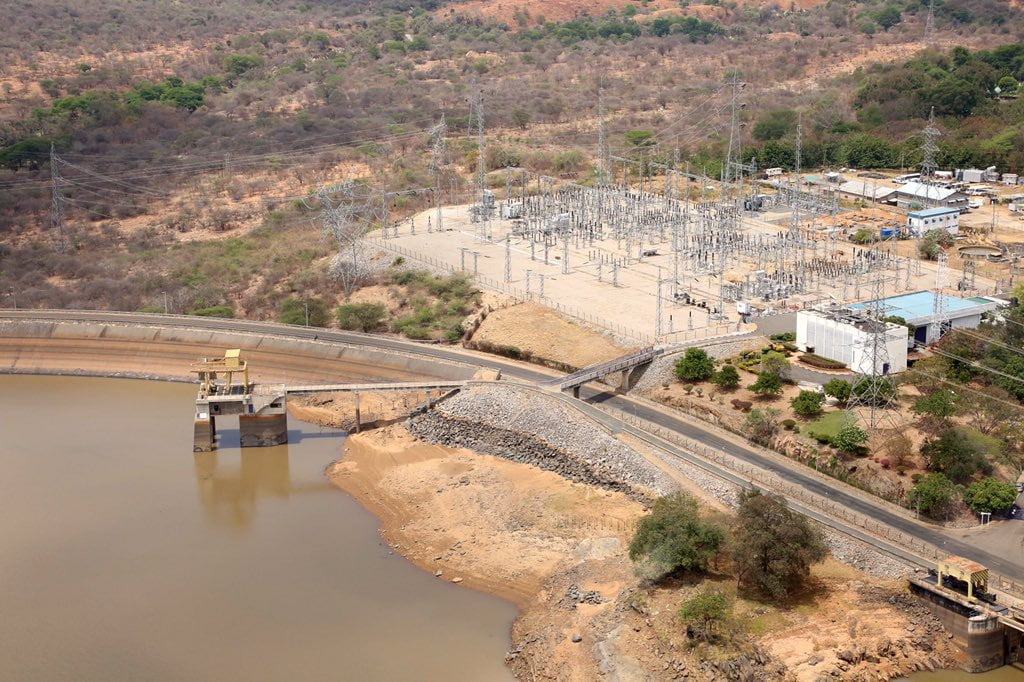
This plant has an installed capacity of 225 MW.
Forest resources of Kenya
Kenya’s forest area covers 6.34% of its territory, equivalent to 36,110 km². Its main forest region is the Mau.
Environmental performance and protection of Kenya’s natural resources
Kenya has an Environmental Performance Index (EPI 2024) score of 36.9 and ranks 145th in the index. Its terrestrial protected areas also make up 13.9% of the land area (World Bank, 2025), which shows its commitment to conserving natural resources.
Biodiversity: animal and plant resources of Kenya
Birds of Kenya
Kenya has a great diversity of birds, with 1,127 species in total, which places it 12th in the world. It also has 12 endemic bird species.
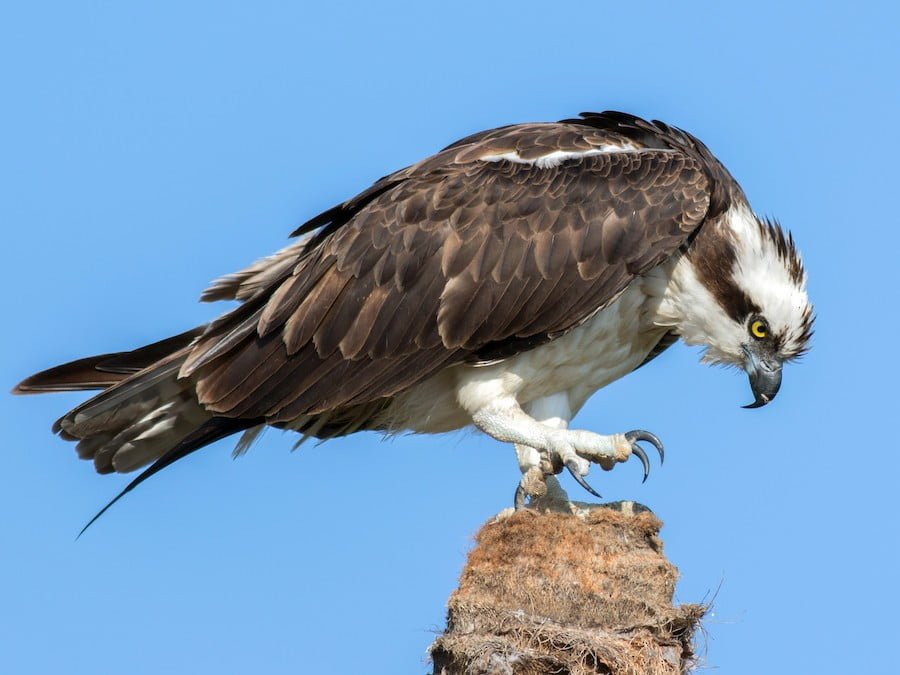
However, it should also be noted that 44 bird species are endangered. Among the most notable species is the African fish eagle, one of Kenya’s most iconic birds.
Fish and amphibians of Kenya
According to the latest data, 115 amphibian species are recorded in the country, placing it 32nd in the world.
There are also 1,115 fish species, notably the Nile tilapia. A total of 74 fish species are threatened.
Mammals of Kenya
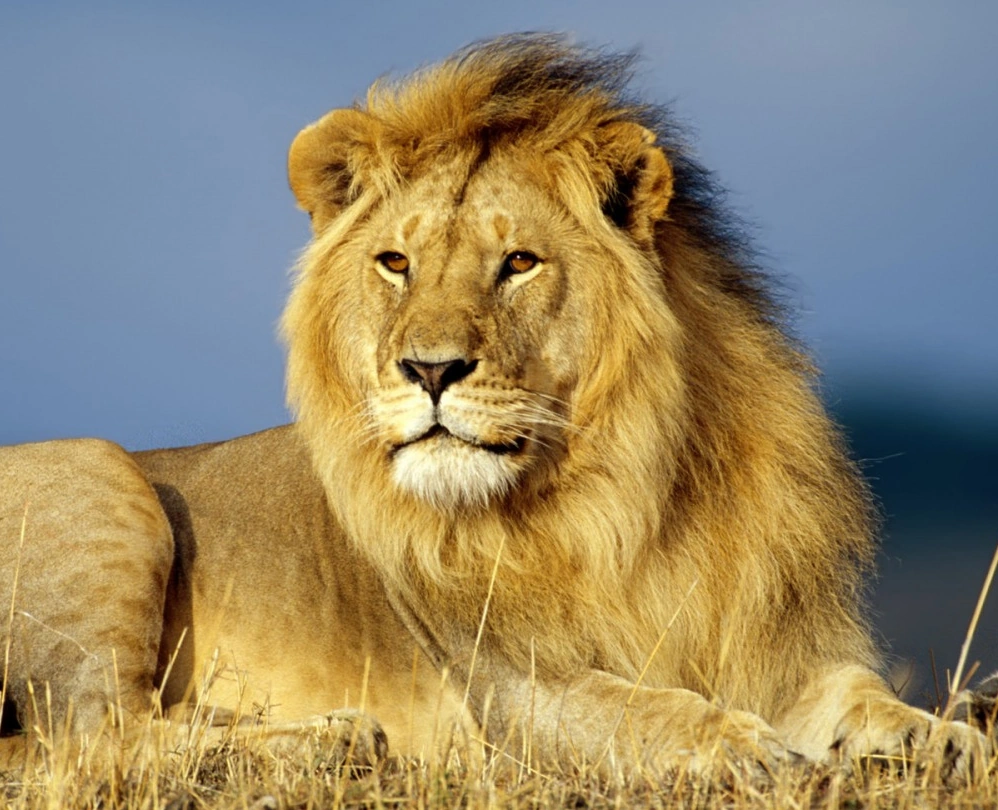
Kenya has a great diversity of wildlife, with a total of 410 mammal species, including the iconic lion. However, this natural wealth also faces threats, as 30 of these species are endangered.
Even so, Kenya ranks 11th in the world for number of mammal species and has 19 endemic species.
Reptiles of Kenya
According to the latest count, 284 reptile species are recorded in the country, placing it 31st in the world.
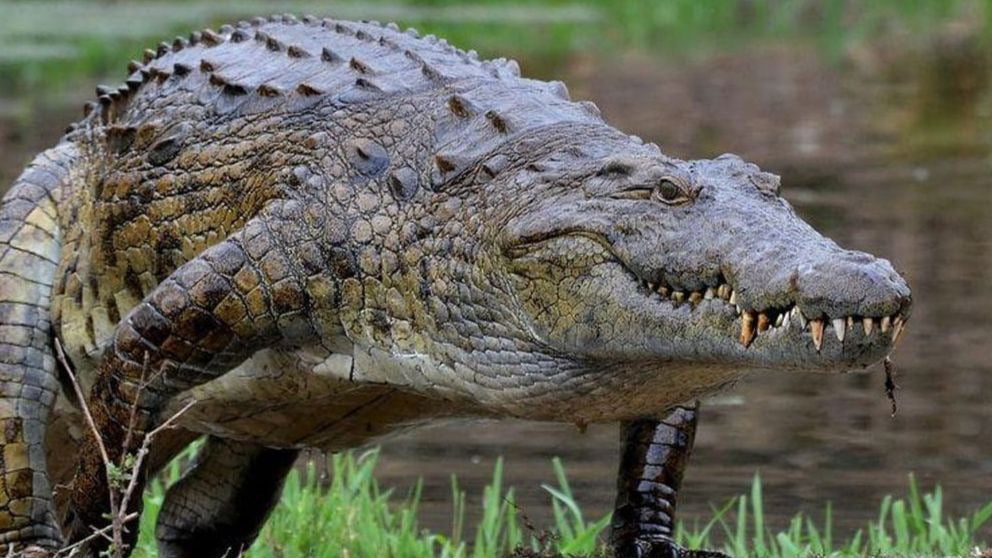
The Nile crocodile stands out.
Plants of Kenya
Kenya has a great diversity of vascular plants, with a total of 6,765 recorded species, placing it 32nd in the world for number of species. Among the country’s most notable plants is the acacia, an iconic species found across much of Kenya.
Organizations that protect or study Kenya’s natural resources
- Nature Kenya – Protects Kenya’s biodiversity and natural habitats.
- WildlifeDirect – Protects wildlife and fights poaching in Kenya.
- Greenpeace Africa – Campaigns against pollution and promotes renewable energy in Kenya.
- National Environment Management Authority – Regulates and protects the environment in Kenya.
- Northern Rangelands Trust – Protects wildlife and natural resources in Kenya’s arid and semi-arid lands.
Kenya’s real natural wealth lies not underground in minerals but in its agricultural export capacity: in 2023 it was the world’s largest exporter of black tea, with shipments worth $1.3 billion and weighing 545.6 million kilograms, ahead of Sri Lanka and India, according to WITS, World Bank, 2023.
Export agriculture: tea and flowers
Black tea is the mainstay of Kenyan trade, but not the only one. Kenya is also the European Union’s leading supplier of cut roses, with about 38% of that market, and ranks among the world’s largest flower exporters, according to Huduma Global, 2026. This agricultural base sustains rural employment and foreign-exchange earnings without relying on fossil fuels.
Geothermal: almost half of the electricity
Kenya is Africa’s leader in geothermal energy thanks to the Rift Valley. In 2023, geothermal generated 47% of its electricity, and renewable sources together made up about 90% of the total, with hydropower (21%), wind (16%) and solar (4%), according to the International Energy Agency, Kenya 2024. Low-carbon generation exceeded 82% in 2025, according to Low Carbon Power, 2025.
Savanna wildlife and protected areas
Kenya’s natural capital includes world-renowned savanna biodiversity. The country is home to at least 393 mammal species and protects 14% of its land area in parks and reserves, according to the World Bank, 2024. Reserves such as the Maasai Mara are hubs of safari tourism and conservation.
Environmental performance
Despite its clean electricity mix, Kenya faces environmental challenges. It ranked 145th out of 180 countries in the Environmental Performance Index, with a score of 36.9, according to Yale’s Environmental Performance Index, 2024. Pressure on soils, water and habitats remains the main sustainability challenge.
Frequently asked questions
What is Kenya’s main natural resource? Its strengths are agriculture and renewable energy: it was the world’s largest exporter of black tea in 2023, with exports worth $1.3 billion, according to WITS, World Bank, 2023.
What percentage of Kenya’s electricity is geothermal? Geothermal provided 47% of electricity generation in 2023, within a mix that is close to 90% renewable, according to the International Energy Agency, Kenya 2024.
Sources used
- Lists of countries by mineral production – Wikipedia
- Forest area (km²) – World Bank
- Forest area (% of land area) – World Bank
- Water and agriculture statistics – FAO
- Precipitation (mm) – World Bank
- Environmental Performance Index – Environmental Performance Index
- Bird species – Mongabay
- Amphibian species by country – Mongabay
- Mammal species – Mongabay
- Endemic mammal species – Our World in Data
- Plant species – Mongabay
- Reptile species by country – Mongabay
- Endemic bird species by country – Our World in Data
The FAO reported in 2023 that Kenya is Africa’s largest tea exporter and one of the world’s leading exporters, with the agricultural sector being fundamental to its economy.
Last updated: September 26, 2026

Leave a Reply