


Mongolia’s natural resources are concentrated in minerals, hydrocarbons, water and forests. What are Mongolia’s most important natural resources? Coal stands out, with 82.6 million tonnes in 2024 (11th in the world), and oil production is around 15,110 barrels a day. The country has 404 bird species and 2,850 species of vascular plants.
Mongolia, a country nestled in Central Asia, has a wealth of natural resources, including minerals, hydrocarbons, timber and water. These resources have been used by local communities for centuries, and today the mining and energy sectors are the main drivers of the country’s economy.
Table de contenidos
The country also has a wide variety of animal and plant species adapted to its extreme climate and terrain. Balancing the use of natural resources with the preservation of biodiversity is key to ensuring a sustainable future for Mongolia and its people.
What are Mongolia’s most important natural resources, and what natural wealth does it have? How much water does it have, and which energy sources does it use? Which animal and plant species live in Mongolia? How is its land used, and what measures are taken to protect biodiversity?
Natural resources
Natural resources are materials or energy sources provided by or found on Earth that are useful to humans. Every product we manufacture is made up of natural resources.
- Renewable resources: these can be restored by natural processes faster than the rate at which they are consumed. Examples include solar radiation, wind, hydroelectric power, water when used properly, and plant and animal life.
- Non-renewable resources: once extracted, these are depleted and cannot regenerate. Examples include hydrocarbons, metals and minerals.
Examples of Mongolia’s main natural resources
Environmental indicators of Mongolia
Official data on forests, water, energy and threatened species.
| Forest cover | 9.1% of land area2023 |
|---|---|
| Renewable freshwater per capita | 10,135 m³ per year2022 |
| Electricity from renewable sources | 10.9% of total generation2021 |
| Threatened species | 36 mammals, birds, fish and plants2022 |
| Protected land area | 19.8% of land area2025 |
| Arable land | 0.7% of land area2023 |
Oil resources in Mongolia
In 2023 Mongolia produced a total of approximately 15,110 barrels of oil per day, which keeps it among the world’s minor oil producers.
Its main oil field is in the Dornod region, in the east of the country.
Examples of Mongolia’s mineral resources
Mongolia is a major producer of coal, with production of 82.6 million tonnes in 2024, placing it 11th in the world ranking for coal production. It also has large coal reserves, totaling 2,777,821,200 tonnes in 2016. The main coal-producing region in Mongolia is Ömnögovi Province (South Gobi), in the south of the country, home to the Tavan Tolgoi deposit.
In 2019, Mongolia produced a total of 7,695 thousand tonnes of iron, placing it 19th in the world ranking for production of this resource. The main iron-producing region in Mongolia is Darkhan-Uul province.
Water resources of Mongolia
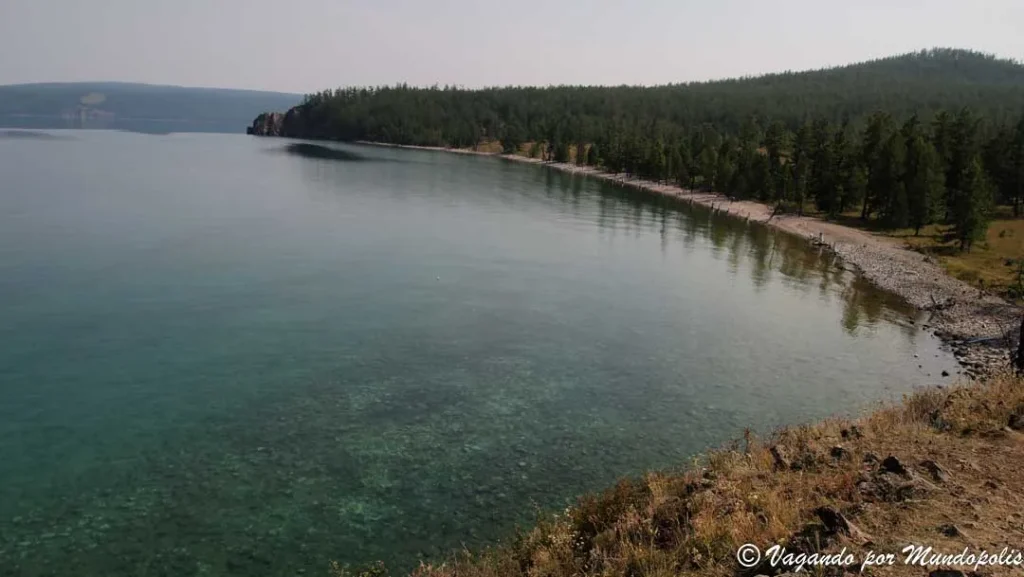
Mongolia has 34.8 km³ of renewable freshwater resources, which placed it 93rd in the world ranking of water reserves in 2020. It has many rivers and lakes, the main ones being the Selenga and Orkhon rivers and Lake Khövsgöl.
Average rainfall and soils of Mongolia
Mongolia has an average annual rainfall of 241 mm, which places it 141st in the world ranking for precipitation. Because of this low moisture, Mongolia’s soils are mostly arid and semi-arid, with sparse vegetation adapted to the extreme climate.
Renewable electricity and hydropower production in Mongolia
In 2025, Mongolia generated 810 GWh of electricity from renewable sources — 8% of its total generation of 9.7 TWh — and hydropower alone supplied 60 GWh (Ember, 2025). The country’s largest operating hydroelectric plant is the Durgun Hydroelectric Plant, located in Khovd province.
This plant has an installed capacity of 12 MW and is an important source of clean energy for the region.
Forest resources of Mongolia
Mongolia’s forest area covers 9.10% of its territory, equivalent to 141,727.8 km². Although this is not a very high figure, it is an important resource for the country and its economy.
Mongolia’s main forest region is the Siberian taiga, in the north of the country. Mongolia ranks 42nd in the world for forest area.
Environmental performance and protection of Mongolia’s natural resources
Mongolia’s score on the Environmental Performance Index (EPI 2024) is 37.2, and it ranks 143rd, which points to the need to improve environmental management. Notably, however, protected areas cover 19.8% of the country’s land area (2025), which shows a commitment to conserving biodiversity and ecosystems.
Natural parks of Mongolia: the hidden wealth of natural resources
Biodiversity: animal and plant resources of Mongolia
Birds of Mongolia
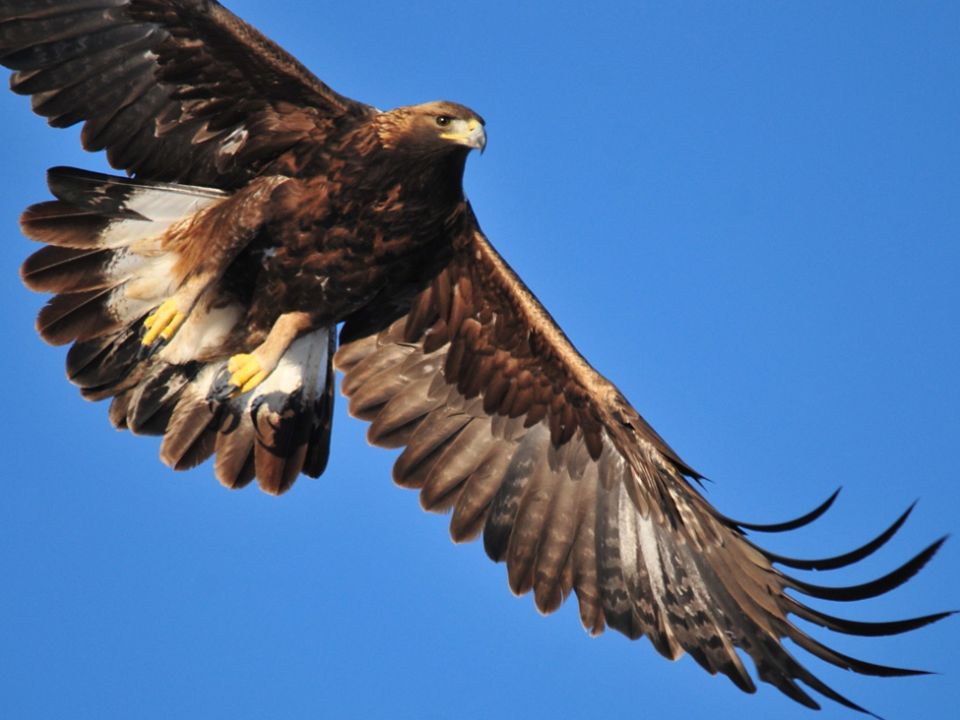
Mongolia is a country with great bird diversity, with a total of 404 species according to the most recent data (updated in 2023). Of these, 24 bird species are endangered.
Fish and amphibians of Mongolia
Mongolia has interesting biological diversity. In terms of amphibians, it has 6 different species, placing it 91st in the world ranking for number of amphibian species. As for fish, the country has 82 species according to the most recent data (updated in 2023), and its main species is the taimen.
Reptiles of Mongolia
Mongolia has a diversity of 32 reptile species according to the most recent data (updated in 2023). This natural resource is very important for conserving the country’s biodiversity.
Plants of Mongolia
Mongolia has a great diversity of vascular plants, with a total of 2,850 species recorded in 2020, placing it 69th in the world. Among the most notable species is Artemisia frigida, a herbaceous plant that grows in the country’s arid and semi-arid areas and is used in traditional Mongolian medicine.

Organizations that protect or study Mongolia’s natural resources
- WWF International – Works on biodiversity conservation and the fight against climate change in Mongolia.
- The Nature Conservancy – Works to conserve Mongolia’s ecosystems and biodiversity.
- Conservation International – Works to conserve Mongolia’s natural resources and biodiversity.
- United Nations Environment Programme – Works to promote sustainable development and environmental protection in Mongolia.
The Gobi Desert is home to Oyu Tolgoi, described by its operator as “one of the world’s largest known copper and gold deposits” (Rio Tinto, n.d.). That single deposit holds much of Mongolia’s mining future and explains why the country has entered the copper supply plans of the world’s major mining companies.
Copper and gold: the Oyu Tolgoi deposit
The Oyu Tolgoi underground mine, in Umnugovi province, aims to produce 500,000 tonnes of copper a year in its peak production phase, expected from 2028 to 2036 (Rio Tinto, n.d.). Ownership is split between Rio Tinto (66%) and the Government of Mongolia (34%), and the mining company manages the operation on behalf of both partners.
Coal: the engine of exports
In 2024 Mongolia exported 83.7 million tonnes of coal, the first time in its history that exports exceeded 80 million, worth US$8,600 million at an average price of US$103 per tonne (Customs General Administration, via Montsame, 2025). As a landlocked country between Russia and China, Mongolia sends almost all of that coal, mostly coking coal, to China’s steel market.
Cashmere and nomadic herding
Mongolia is the world’s second-largest producer of raw cashmere, after China: it accounts for about 20% of global supply, compared with 70% for China (World Bank, n.d.). The fiber is combed every spring from the goat herds of nomadic pastoralists: the livestock census counted 24.6 million goats out of a total of 64.7 million head of livestock at the end of 2023 (National Statistics Office, via Montsame, 2024).
Frequently asked questions
How much copper will the Oyu Tolgoi mine produce? Its target is 500,000 tonnes a year in the peak production phase, between 2028 and 2036. The project is owned by Rio Tinto (66%) and the Government of Mongolia (34%) (Rio Tinto, n.d.).
How much coal did Mongolia export in 2024? 83.7 million tonnes, worth US$8,600 million, an all-time record and the first year exports topped 80 million tonnes (Customs / Montsame, 2025).
Sources used
- Lists of countries by mineral production – Wikipedia
- Economic data by country – The Global Economy
- Forest area (km²) – World Bank
- Forest area (% of land area) – World Bank
- Oil reserves – The Global Economy
- Coal reserves – Worldometers
- Water and agriculture statistics – FAO
- Precipitation (mm) – World Bank
- Environmental Performance Index – Environmental Performance Index
- Bird species – Mongabay
- Amphibian species by country – Mongabay
- Plant species – Mongabay
- Reptile species by country – Mongabay
- Endemic bird species by country – Our World in Data
The FAO reported in 2023 that Mongolia has extensive reserves of coal, copper and gold, with mining the main driver of its economy and accounting for more than 20% of GDP.
Last updated: September 26, 2026
Leave a Reply