

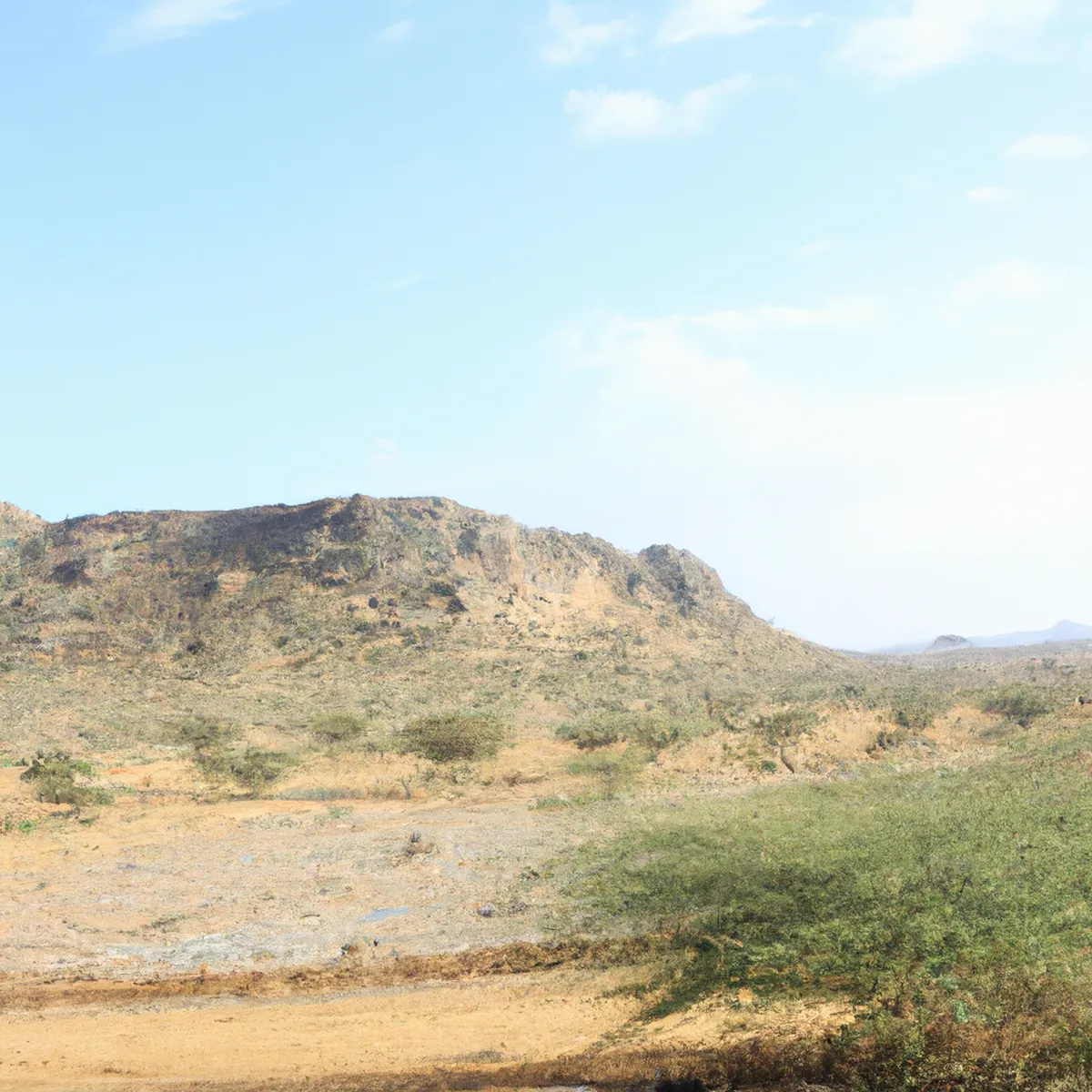
Saudi Arabia’s natural resources are dominated by petroleum, holding the world’s second-largest proven crude oil reserves at approximately 267 billion barrels (EIA / OPEC 2024) and pumping 10.95 million barrels per day in 2021 as a global export titan anchored by the giant Ghawar field. Beyond oil, the Kingdom ranks 8th in world natural gas production (about 121 billion m³ in 2023), produces primary aluminum (about 790,000 tonnes in 2019), and possesses substantial gold and phosphate deposits. Confronting extreme water scarcity (2.4 km³ renewable freshwater), Saudi Arabia operates the world’s largest desalination network producing over 16 million m³ daily, alongside aggressive investments in utility-scale solar power under Vision 2030. What natural resources shape Saudi Arabia?
Saudi Arabia is a sovereign kingdom occupying the majority of the Arabian Peninsula in southwestern Asia, bounded by the Red Sea to the west and the Persian Gulf to the east. It commands an extraordinary concentration of geological natural resources, with petroleum serving as the principal foundation of its modern statehood and international economic influence.
Table de contenidos
Saudi wealth is anchored in petroleum, the quintessential example of non-renewable natural resources. In addition to crude oil, the Kingdom possesses extensive natural gas reserves, major phosphate and gold deposits, a burgeoning primary aluminum industry, and hyper-arid desert biomes home to specialized wildlife. Within the framework of Asia natural resources, Saudi Arabia represents both the historic pinnacle of fossil extraction and an ambitious frontier for utility-scale solar energy under its Vision 2030 transformation.
What natural resources define Saudi Arabia’s wealth? How large are its oil and mineral reserves, how does it manage severe hydrological deficits without permanent surface rivers, and what measures protect its fragile desert and marine ecosystems?
Natural Resources
Natural resources are materials or energy sources provided by Earth that are utilized by humans. Every manufactured product originated from natural resources.
- Renewable resources: resources that are replenished by natural processes faster than the rate at which they are consumed. Examples include solar radiation, wind currents, sustainably managed water, and plant and animal biomass.
- Non-renewable resources: finite geological assets that, once depleted, cannot regenerate on human timescales. Examples include hydrocarbons (crude oil, natural gas) and solid minerals.
Key Natural Resources of Saudi Arabia
What Saudi Arabia’s Territory Produces
Resource rents, fisheries, and agricultural land use alongside conservation indicators.
| Natural resource rents | 25.6 % of GDP2021 |
|---|---|
| Capture fisheries | 85,324 t per year2024 |
| Agricultural land | 80.8 % of territory2023 |
| Arable land | 1.6 % of territory2023 |
| Forest cover | 0.5 % of territory2023 |
| Protected land area | 18.5 % of territory2025 |
| Resource | Reserves / Production | Source |
|---|---|---|
| Petroleum | 10.95 million bpd (2021); ~267 billion bbl proven reserves | EIA / OPEC 2024 |
| Natural gas | about 121 billion m³ (2023); 8th worldwide | EIA |
| Aluminum | 790 thousand tonnes (2019) | USGS 2019 |
| Freshwater reserves | 2.4 km³ (2020) | FAO AQUASTAT |
| Forest area | 0.45% of territory (9,770 km²); 119th worldwide | World Bank |
Petroleum and Natural Gas: Global Scale Extraction
Saudi Arabia’s petroleum extraction reached approximately 10.95 million barrels per day in 2021, peaking historically at 12.4 million bpd in 2016. According to the OPEC Annual Statistical Bulletin (2024) and the U.S. Energy Information Administration (EIA, 2024), Saudi Arabia holds approximately 267 billion barrels of proven crude oil reserves—the second-largest in the world after Venezuela, and representing roughly 17% of global proven reserves.
Its production is anchored by legendary giant deposits, including the onshore Ghawar field—the single largest conventional oilfield in history, having produced over half of total Saudi cumulative output—and the offshore Safaniya field in the Persian Gulf, the largest offshore oilfield in the world.
In natural gas, Saudi Arabia ranks 8th in world production, with annual output of about 121 billion cubic meters (2023). Saudi Aramco has focused major capital on non-associated gas extraction, notably through the development of the Jafurah unconventional gas field—the largest liquid-rich shale gas play in the Middle East, estimated to contain 200 trillion standard cubic feet of raw gas.
Strategic Mineral Resources: Aluminum, Phosphate and Gold
Under its National Industrial Development and Logistics Program (NIDLP), Saudi Arabia has invested billions of dollars to position mining as the “third pillar” of its industrial economy alongside oil and petrochemicals:
- Primary Aluminum: In 2019, Saudi Arabia produced an estimated 790,000 tonnes of primary aluminum, according to USGS data. Production is centered in the industrial city of Ras Al Khair on the eastern seaboard, where Ma’aden operates a fully integrated mine-to-smelter supply chain supplied by bauxite rail from Al Ba’itha.
- Phosphate: Exploiting vast sedimentary phosphate reserves in the northern Sirhan-Turaif basin, the Wa’ad Al Shamal industrial city makes Saudi Arabia one of the world’s leading exporters of diammonium phosphate (DAP) fertilizer.
- Gold and Base Metals: The Arabian Shield in western Saudi Arabia contains ancient and newly developed orogenic gold veins, including the modern Mansourah-Massarah mine, alongside significant copper, zinc, and rare earth deposits.
Water Resources and Desalination Infrastructure
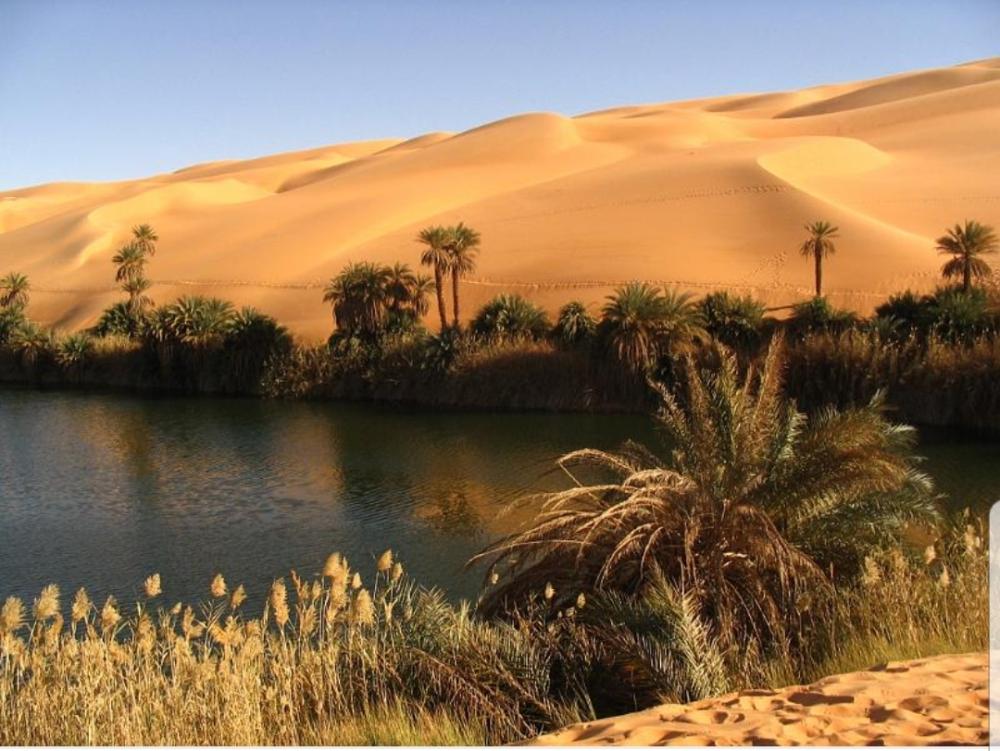
Saudi Arabia has no permanent rivers or natural freshwater lakes, possessing only 2.4 km³ of internal renewable freshwater resources (FAO AQUASTAT, 2020 data). Precipitation averages a meager 59 mm per year (174th worldwide). Major ephemeral riverbeds (wadis), such as Wadi ad-Dawasir and Wadi al-Rummah, carry water only after episodic desert cloudbursts.
To sustain its population of over 36 million and industrial centers, the Kingdom relies on two engineered water supply pillars: deep fossil groundwater from non-renewable sedimentary aquifers (Wasia and Biyadh aquifers) and industrial seawater desalination.
The World’s Largest Desalination Powerhouse
According to official reports from the Saline Water Conversion Corporation (SWCC, now the Saudi Water Authority), Saudi Arabia is the largest producer of desalinated seawater in the world, generating over 16 million cubic meters of potable water daily (Arab News, 2025). Desalinated water is pumped hundreds of kilometers inland across the desert from coastal plants at Ras Al Khair, Jubail, and Yanbu to Riyadh and Medina through enormous pipeline networks.
Forest Resources of Saudi Arabia
Saudi Arabia possesses a modest forest area of approximately 9,770 km² (covering 0.45% of national territory according to World Bank and FAO 2023 data, ranking 119th worldwide). The principal natural forest ecosystems are concentrated in the southwestern Asir and Sarawat mountain ranges, where higher elevation (up to 3,000 meters) and mist precipitation sustain natural junipers (Juniperus procera) and wild olive woodlands.
Environmental Performance and Conservation Framework
In the 2024 Environmental Performance Index (Yale EPI), Saudi Arabia achieved a score of 42.5, ranking 108th among 180 assessed nations. Terrestrial protected areas currently cover 18.5% of its land area according to World Bank figures (2025). Under the Saudi Green Initiative launched in 2021, the Kingdom has pledged to protect 30% of its terrestrial and marine territory by 2030, plant 10 billion trees nationwide, and generate 50% of its electricity from renewable sources (predominantly utility-scale solar PV and wind) by 2030.
National Parks of Saudi Arabia: Conservation Across Deserts and Highlands
Biodiversity: Animal and Plant Life of Saudi Arabia
Avian Diversity
Saudi Arabia supports 471 recorded bird species (92nd globally). The Arabian Peninsula serves as an essential stepping-stone for intercontinental migratory birds traveling between Eurasia and Africa. Approximately 18 bird species face conservation threats. Flagship species include the peregrine falcon (Falco peregrinus), celebrated in regional heritage, the vulnerable Asian houbara bustard (Chlamydotis macqueenii), the Arabian woodpecker, and soaring desert raptors.

Marine Life, Amphibians and Fish
Saudi Arabia’s aquatic life is centered in its marine waters, with 892 recorded fish species (ranking 65th globally). The Red Sea coral reef barrier is one of the most biodiverse and resilient reef systems on Earth, exhibiting remarkable evolutionary tolerance to elevated sea temperatures and salinity. Key marine species include pelagic billfish, reef sharks, and the endangered dugong in coastal lagoons. Terrestrial amphibians are limited to 7 desert-adapted species, including the Arabian toad (Sclerophrys arabica).
Mammals of Saudi Arabia
The Kingdom is home to iconic desert mammals, with 11 species categorized as threatened. The dromedary camel (Camelus dromedarius) is the cultural and biological anchor of pastoral rangelands. Through royal captive breeding and rewilding initiatives, the emblematic Arabian oryx (Oryx leucoryx)—once extinct in the wild—has been successfully restored to expansive reserves like Mahazat as-Sayd, alongside the sand gazelle (reem), mountain gazelle (idmi), caracal, and the critically endangered Arabian leopard (Panthera pardus nimr) in the western mountains.

Reptiles
Herpetological richness encompasses 122 reptile species (ranking 79th globally). Prominent species include the heavy-bodied Egyptian spiny-tailed lizard or dhab (Uromastyx aegyptia), the desert monitor (Varanus griseus), the veiled chameleon (Chamaeleo calyptratus), and specialized sand-swimming skinks.
Organizations Protecting Natural Resources in Saudi Arabia
- National Center for Wildlife (NCW): National authority supervising terrestrial and marine wildlife conservation and captive breeding rewilding programs.
- Ministry of Environment, Water and Agriculture (MEWA): Cabinet ministry directing national environmental regulations, water desalination strategy, and agricultural sustainability.
- National Center for Vegetation Cover Development (NCVC): State agency combating desertification, rehabilitating pastures, and leading tree-planting programs.
- Saudi Green Initiative (SGI): Flagship national initiative uniting environmental protection, energy transition, and carbon reduction projects under Vision 2030.
- King Salman bin Abdulaziz Royal Natural Reserve (KSRNR): Management authority for the largest protected natural reserve in the Kingdom (130,700 km²), conserving northern biodiversity.
- Prince Mohammed bin Salman Royal Reserve: Historic conservation reserve connecting the Red Sea coast to desert plateaus, reintroducing native herbivores and carnivores.
Resource Rents and Economic Transformation
Natural resource rents represented 25.6% of Saudi Arabia’s GDP in 2021 according to the World Bank, compared to a global average of 3.1%. This high structural reliance on crude oil revenues is precisely what the Kingdom’s Vision 2030 program seeks to transform, investing petroleum capital into non-oil industrial mining, localized manufacturing, and clean energy exports like green hydrogen in NEOM.
Frequently Asked Questions
How much crude oil does Saudi Arabia hold in reserves? Saudi Arabia possesses approximately 267 billion barrels of proven crude oil reserves, representing the second-largest reserves in the world after Venezuela (EIA, 2024 / OPEC).
How does Saudi Arabia produce drinking water without rivers? Saudi Arabia relies primarily on seawater reverse osmosis desalination, operating the world’s largest network producing over 16 million cubic meters daily (Arab News, 2025), complemented by treated wastewater recycling and deep fossil aquifers.
Authoritative Information Sources
- Saudi Arabia Energy Data and Hydrocarbon Analysis – U.S. Energy Information Administration (EIA)
- OPEC Annual Statistical Bulletin: Member Country Profile – Organization of the Petroleum Exporting Countries
- Mineral Commodity Summaries: Aluminum and Minerals – United States Geological Survey (USGS)
- AQUASTAT Water Profile: Saudi Arabia – Food and Agriculture Organization (FAO)
- World Development Indicators: Terrestrial Protected Areas – World Bank
- Environmental Performance Index 2024: Saudi Arabia – Yale University
To explore more about regional resources, consult our comprehensive guide to Asia natural resources or view our full international guide in the natural resources by country directory.
Last updated: September 26, 2026
Leave a Reply