

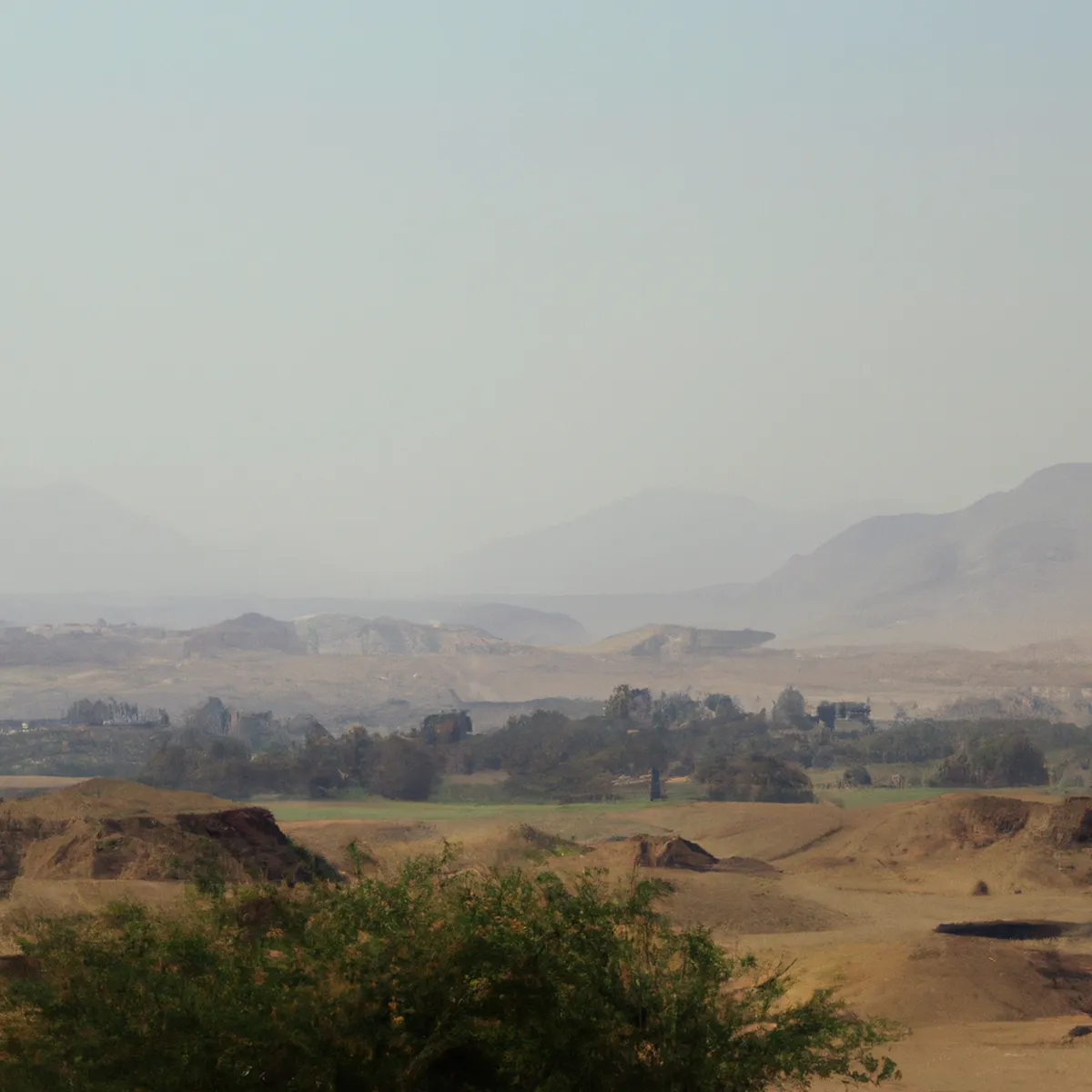
Egypt’s natural resources rest on oil, at 560,942 barrels a day in 2021, which places the country 16th in the world, along with natural gas, gold and iron ore. The Nile is its water axis, with a freshwater reserve of 57.3 km³. What are the natural resources of Egypt?
Egypt, in northeastern Africa, holds vast wealth in natural resources. Its geography is made up mostly of desert, the Sahara being the largest, but it also has the Nile, which has been a decisive factor in the history and development of Egyptian civilization.
Table de contenidos
Biodiversity in Egypt is notable, with species such as the sand cat. The country also holds great mineral wealth, including gold and iron ore, and an extensive Mediterranean coastline.
What are the natural resources of Egypt? What wealth does the country hold? Which minerals does it have, and how is it ranked worldwide? How much water does it have, and how does it use it to generate energy? Which wildlife and plants characterize Egypt’s ecosystems?
Natural Resources
Natural resources are materials or energy sources provided by or found on Earth that are useful to humans. Every product we manufacture is made up of natural resources.
- Renewable resources: these can be restored by natural processes faster than the rate at which they are consumed. Examples include solar radiation, wind, hydroelectric power, water when used properly, and plant and animal life.
- Non-renewable resources: once extracted, these are depleted and cannot regenerate. Examples include hydrocarbons, metals and minerals.
Examples of Egypt’s main natural resources
Egypt’s environmental balance sheet
What the international indicators say about the country’s conservation record.
| Protected land area | 13.1% of the territory2025 |
|---|---|
| Protected marine areas | 5.1% of its waters2025 |
| Forest cover | 0.0% of the territory2023 |
| Threatened species | 138 mammals, birds, fish and plants2022 |
| Electricity from renewable sources | 12.2% of total generation2021 |
| Land area | 995,450 km²2023 |
| Resource | Reserves / Production | Source |
|---|---|---|
| Oil (production) | 560,942 barrels/day (2021, 16th) | EIA |
| Oil (reserves) | 4,400,000,000 barrels (27th, 2022) | EIA |
| Natural gas | 47.5 billion m³ (2024); 15th | EIA |
| Aluminum | 317 thousand t (2019, 24th) | USGS |
| Iron ore | 500 thousand t (2019, 32nd) | USGS |
| Fresh water | 57.3 km³ (79th) | FAO |
Oil and gas resources in Egypt
Egypt has substantial oil production, reaching 560,942 barrels per day in 2021, which places it 16th worldwide. As of 2022, Egypt is estimated to hold oil reserves of around 4,400,000,000 barrels, placing it twenty-seventh in the world ranking.
Egypt also has abundant natural gas resources, giving it annual output of 47.5 billion cubic meters in 2024. The country sits fifteenth (15th) in the world ranking (EIA, 2024).
Examples of Egypt’s mineral resources
In Egypt, proven reserves of coal stood at about 182 million tonnes in 2023 (Worldometers, with EIA data). Although those figures are low compared with other countries, Egypt remains an important producer of natural resources in the North African region.
In 2019, production of aluminum in Egypt reached 317 thousand tonnes. In the world ranking for aluminum production, Egypt sits twenty-fourth, which shows its relevance in the industry. The main producing region for this resource in Egypt is the Nag Hammadi area, in Qena Governorate.
In 2019, production of iron ore in Egypt reached 500 thousand tonnes, an important contribution to the country’s industrial sector. That figure places Egypt thirty-second in the world ranking. The main producing area for this resource in Egypt is the El-Gedida mine in the Bahariya Oasis, in Giza Governorate. Iron production is fundamental to manufacturing a range of goods, from machinery to tools.
Water resources of Egypt
Egypt holds a freshwater reserve of 57.3 km³, placing it seventy-ninth in the global ranking of water reserves. The country lies in a desert zone, and its main water source is the Nile, which crosses its territory from south to north.
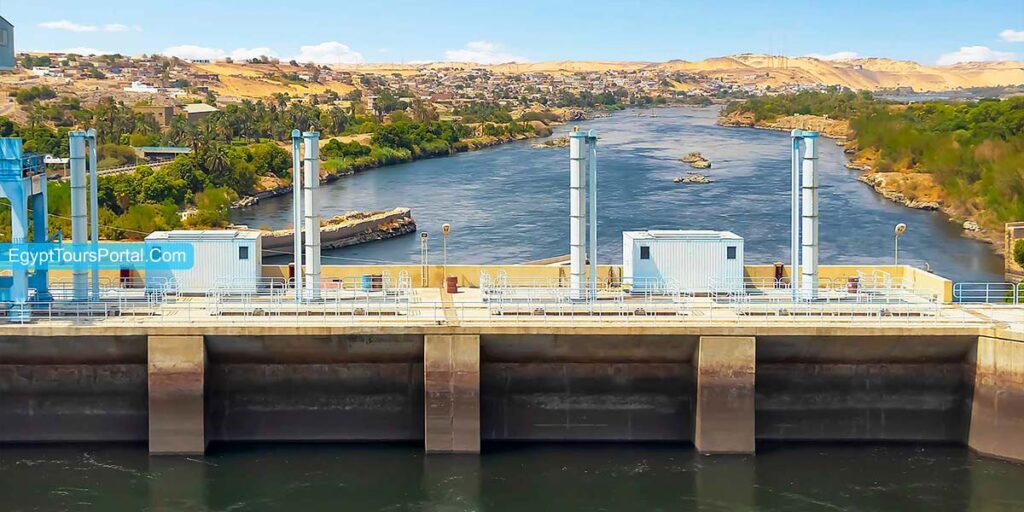
Its main lake is Lake Nasser, one of the largest artificial reservoirs in the world, formed by the Aswan Dam on the Nile. These water resources are essential to life and to the development of agriculture and industry in Egypt.

Average rainfall and soils of Egypt
Egypt is a country of very low actual humidity, which is reflected in its soils. In 2019, average annual rainfall was 18.1 mm, placing it 159th in the world ranking for average annual precipitation as of 2020.
These figures show how scarce rain is in the country and how that affects the quality of its soils.
Renewable electricity and hydropower production in Egypt
In 2025, Egypt generated 32.0 TWh of electricity from renewable sources — 13% of its total generation of 245.7 TWh — and hydropower alone supplied 15.1 TWh (Ember, 2025). The country’s main hydroelectric plant is at Aswan, on the Nile, with generating capacity of 2,100 MW. That plant is central to Egypt’s energy supply and economic development.
Forest resources of Egypt
Egypt has limited forest resources. According to 2023 data, the country’s forest area is 449.8 km², representing about 0.05% of its territory (World Bank). That places Egypt 153rd in the world ranking for forest area.
Environmental performance and protection of Egypt’s natural resources
Egypt has an Environmental Performance Index (EPI 2024, Yale University) of 43.7 and ranks 101st of 180 countries on the Environmental Performance Index. It also has protected land and marine areas covering 11.55% of its total territorial area, showing its commitment to conserving natural resources.
Natural parks of Egypt: the hidden wealth of natural resources
Biodiversity: animal and plant resources of Egypt
Birds of Egypt
Egypt has rich bird diversity, with a total of 378 species recorded in 2018.
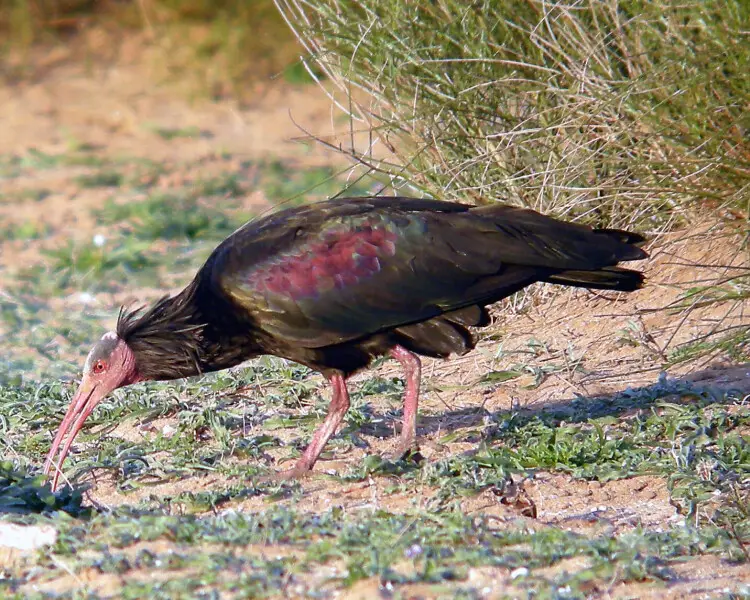
Note, however, that 14 of those species are endangered. Among the most notable is the northern bald ibis, an emblematic bird of the country.
Fish and amphibians of Egypt
Egypt has rich aquatic biodiversity. In 2019, 10 amphibian species and 936 fish species were recorded, placing it 58th in the world ranking for number of fish species. Note, however, that 58 of those fish species are threatened.
Mammals of Egypt
The country hosts 5 endemic species, making it a valuable resource for biodiversity conservation.

Reptiles of Egypt
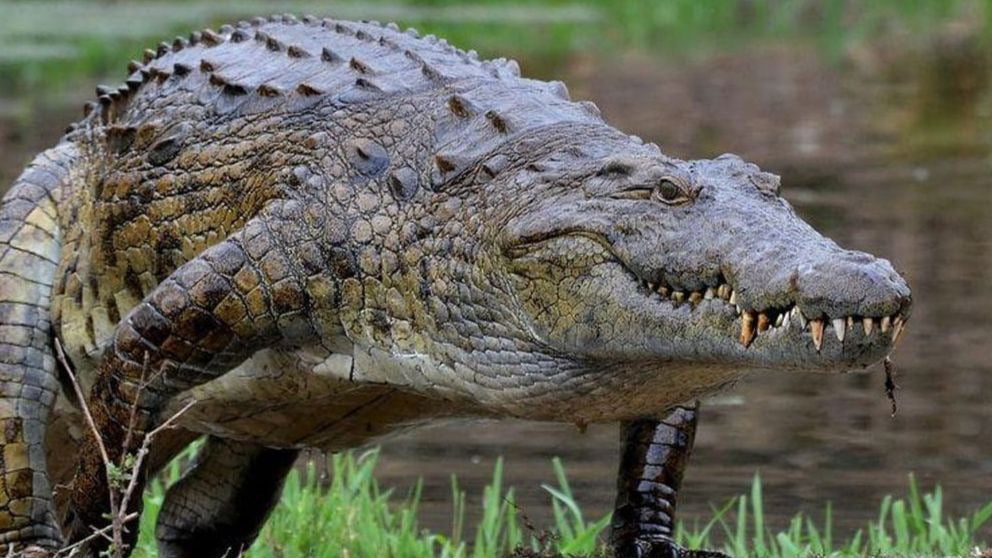
Egypt has great reptile diversity, with a total of 114 species recorded in 2019, placing it 68th worldwide. Among the most notable is the Nile crocodile, considered an important resource for the country’s economy and a symbol of its culture.
Plants of Egypt
Egypt has great vascular plant diversity, with a total of 2,250 species recorded in 2020, placing it 87th worldwide. Among the most notable is the date palm, the country’s flagship plant and one of the most important to its economy and culture.
Organizations that protect or study Egypt’s natural resources
- Egyptian Ministry of Environment – Protects and manages the country’s natural resources.
- The Nature Conservancy – Works to protect Egypt’s biodiversity and ecosystems.
- WWF – Works to protect Egypt’s wildlife and ecosystems.
- International Union for Conservation of Nature (IUCN) Egypt – Works to protect Egypt’s biodiversity and ecosystems.
- CARE Egypt – Works to improve the resilience of local communities to climate change and environmental degradation.
- Food and Agriculture Organization of the United Nations (FAO) Egypt – Works to improve sustainable natural resource management and food security in Egypt.
- United Nations Environment Programme (UNEP) Africa – Works to promote sustainable natural resource management and environmental protection in Egypt and other African countries.
The natural resource that defines Egypt is not a mineral or a fuel: it is a river. The Nile supplies 98% of the renewable water resources of the country, according to a study published in the journal Water (PMC), 2021. In a territory that is almost entirely desert, that extreme dependence makes water the axis of the whole Egyptian natural economy.
The Nile: almost all of the country’s fresh water
Egypt receives very little rain and depends on flow arriving from upstream, outside its borders. That is why 98% of its renewable water comes from the Nile. This vulnerability fuels the regional dispute over Ethiopia’s GERD dam, which alters the river’s flow.
Arable land concentrated in the valley and the delta
Water scarcity confines agriculture to a narrow fertile strip. Only 3.12% of the territory is arable land, according to data from the World Bank, 2022. Almost all of that soil is concentrated in the Nile valley and delta, and depends entirely on river irrigation.
Natural gas: the Zohr field in the Mediterranean
Egypt’s main energy resource is natural gas. The Zohr field, discovered in 2015, has estimated recoverable reserves of up to 22 trillion cubic feet, making it the largest gas field in the Mediterranean, according to the EIA, 2018.
Environmental performance
Egypt scored 43.7 and ranked 101st of 180 countries on the Environmental Performance Index, according to Yale EPI, 2024. The indicator measures environmental health, ecosystem vitality and climate action.
Frequently asked questions
What share of Egypt’s water comes from the Nile? The Nile supplies 98% of the country’s renewable water resources, according to the journal Water (PMC), 2021. Egypt is almost entirely desert.
What is Egypt’s largest natural gas resource? The Zohr field, with up to 22 trillion cubic feet recoverable, is the largest gas field in the Mediterranean, according to the EIA, 2018.
Sources used
- Annex: Countries by mineral production – Wikipedia
- Economic data by country – The Global Economy
- Forest area (km²) – World Bank
- Forest area as a percentage – World Bank
- Arable land area (km²) – World Bank
- Oil reserves – The Global Economy
- Coal reserves – Worldometers
- Water and agriculture statistics – FAO
- Precipitation (mm) – World Bank
- Environmental performance index – Environmental Performance Index
- CO2 emissions (metric tonnes per capita) – World Bank
- Bird species – Mongabay
- Amphibian species by country – Mongabay
- Amphibian species by country – Mongabay
- Mammal species – Mongabay
- Endemic mammal species – Our World in Data
- Plant species – Mongabay
- Reptile species by country – Mongabay
- Endemic bird species by country – Our World in Data
According to the Egypt Renewable Energy Commercial Guide (ITA, USA, 2024), Egypt reached 7,750 MW of installed renewable energy capacity by the end of 2024, with targets for 42% of electricity to come from renewable sources by 2030.
Last updated: September 26, 2026
Leave a Reply