

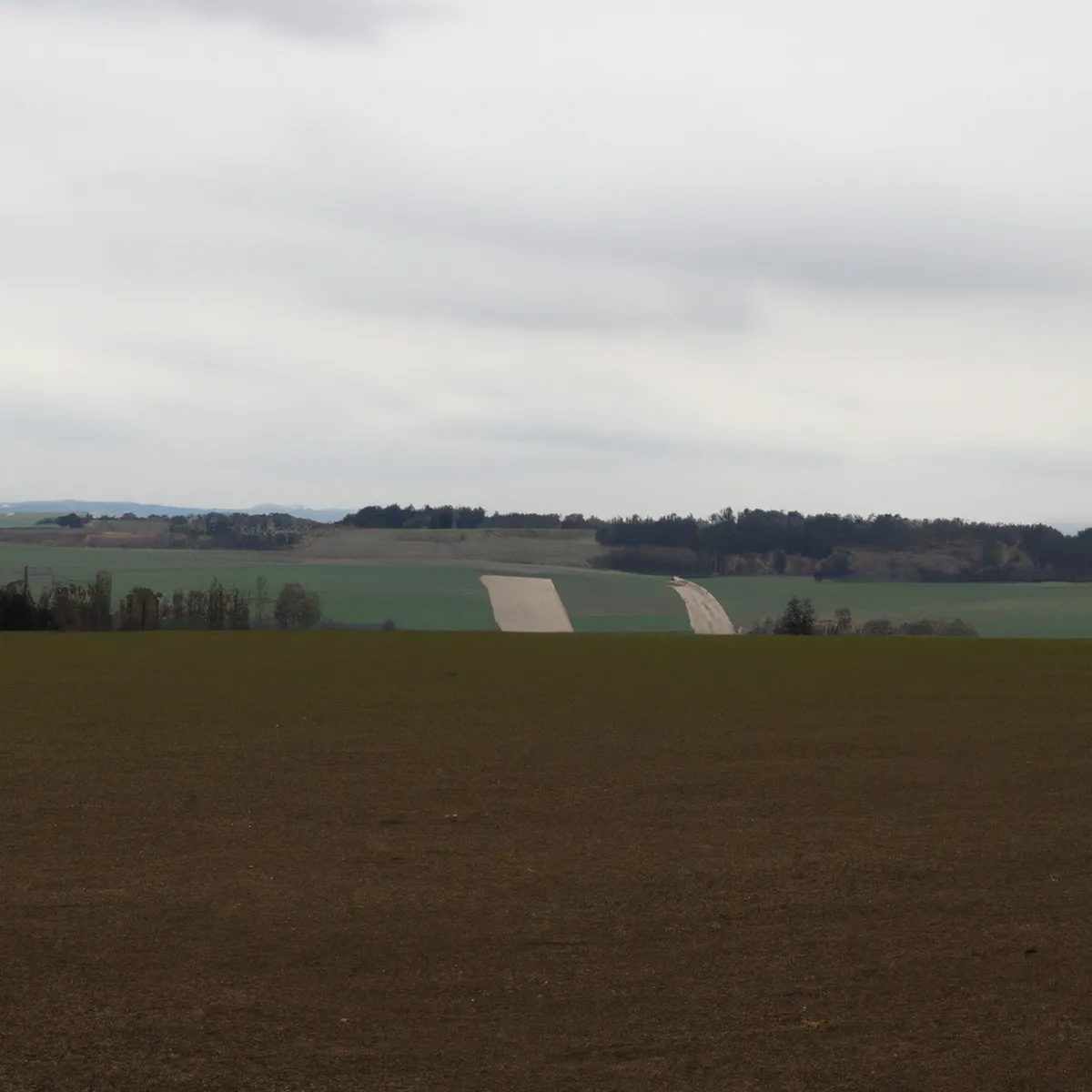
Luxembourg’s natural resources include forests, freshwater and fertile soils, with forest covering 34.5% of the land and 3.1 km³ of renewable freshwater resources. What wildlife does Luxembourg have? The country has 284 bird species, 16 amphibian species and 5 reptile species, and it ranks second in the world on the 2024 Environmental Performance Index with 75.1 points.
Luxembourg, a small country in Western Europe, is known for its prosperous economy and high standard of living. Few people, however, know about its natural resources.
Table de contenidos
Although the country is mainly urbanized, it has a variety of natural resources, including forests, freshwater and fertile soils. Luxembourg also has rich biological diversity, in terms of both species and habitats.
What natural resources does Luxembourg have? What is its natural wealth? How much water does it have, and how does it generate energy? What animals and plants live there?
Natural resources
Natural resources are materials or energy sources provided by or found on Earth that are useful to humans. Every product we manufacture is made up of natural resources.
- Renewable resources: these can be restored by natural processes faster than the rate at which they are consumed. Examples include solar radiation, wind, hydroelectric power, water when used properly, and plant and animal life.
- Non-renewable resources: once extracted, these are depleted and cannot regenerate. Examples include hydrocarbons, metals and minerals.
Examples of Luxembourg’s main natural resources
Luxembourg in figures: land and conservation
Area, land use and protected areas, with their reference year.
| Land area | 2,574 km²2023 |
|---|---|
| Protected land area | 39.1% of land area2025 |
| Forest cover | 34.5% of land area2023 |
| Agricultural land | 51.7% of land area2023 |
| Threatened species | 7 mammals, birds, fish and plants2022 |
Gas resources in Luxembourg
Luxembourg does not produce natural gas: its domestic production is zero, and in 2024 it imported about 583 million cubic meters to meet its needs (Eurostat).
Water resources of Luxembourg
Luxembourg had 3.1 km³ of renewable freshwater resources in 2020, which places it 134th in the world for water reserves. This small European country has two main rivers, the Moselle and the Sûre.
Average rainfall and soils of Luxembourg
Luxembourg has an average annual rainfall of 934 mm, which places it 82nd in the world. The country’s soils are highly varied, but they are generally rich in nutrients because of the region’s high humidity.
Luxembourg’s actual moisture levels influence the formation of fertile soils and the diversity of its plant and animal life.
Renewable electricity and hydropower production in Luxembourg
In 2025, Luxembourg generated 1.4 TWh of electricity from renewable sources — 92% of its total generation of 1.5 TWh — while conventional hydropower supplied only about 50 GWh (Ember, 2025). The country’s largest hydroelectric facility is the Vianden pumped-storage plant, in northern Luxembourg, with an installed capacity of 1,294 MW; because it uses more electricity to pump water than it generates, it is not a net source of renewable power.
Forest resources of Luxembourg
Luxembourg has a major forest region known as the Ardennes, which covers a large part of the territory. In 2023, the country’s forest area accounted for 34.5% of its land area, equivalent to 887 km². [World Bank 2023]
Globally, Luxembourg ranks 150th for forest area.
Environmental performance and protection of Luxembourg’s natural resources
In Luxembourg, natural resources are safeguarded by protected areas, which cover 39.1% of the country’s land area (World Bank, 2025). The link between these protected areas and the country’s position in the Environmental Performance Index is notable: Luxembourg ranks second in the world, with a score of 75.1 on the Environmental Performance Index (2024). [EPI 2024]
Natural parks of Luxembourg: the hidden wealth of natural resources
Biodiversity: animal and plant resources of Luxembourg
Birds of Luxembourg
Luxembourg’s bird diversity reaches 284 species (2023), according to BirdLife International data. [World Rainforests 2023]
This natural resource is of great importance to the country; a notable species is the house sparrow.

Fish and amphibians of Luxembourg
Luxembourg’s biological diversity is limited, but no less valuable for that. As for amphibians, 16 species have been recorded in the country (2023). [World Rainforests 2023]
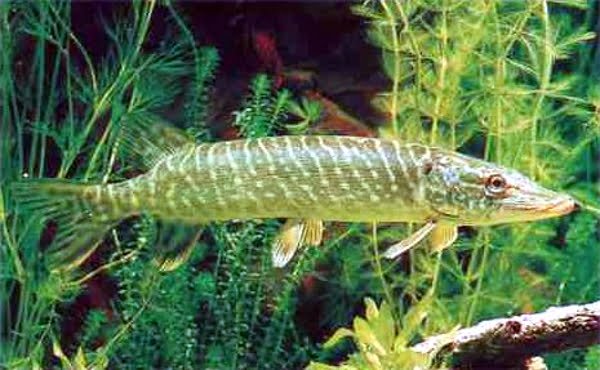
As for fish, Luxembourg has 14 species (2023), most notably the northern pike. [World Rainforests 2023]
Reptiles of Luxembourg
Luxembourg has a total of 5 reptile species, which places it 138th in the world for diversity of these animals. A notable species is the common wall lizard, which can be found in different parts of the country.
Organizations that protect or study Luxembourg’s natural resources
- Natur & Ëmwelt – Protects biodiversity and promotes environmental education in Luxembourg.
- Greenpeace Luxembourg – Works to protect the environment and promote renewable energy in Luxembourg.
Luxembourg is home to the headquarters of ArcelorMittal, which was the world’s largest steel producer when it was formed in 2006 (Britannica). The paradox is that the country no longer extracts a single tonne of its own ore: the mines that gave rise to that industry have been closed since 1981 (Mining in Luxembourg, Wikipedia). It is an economy that went from steel powerhouse to financial center with no active extractive resources.
From “minette” ore to steel
The minette deposit, a low-grade, red-tinged iron ore (the “Terres Rouges”), was discovered in the south of the country in 1842. Extraction increased tenfold, from 700,000 tonnes in 1868 to 7 million in 1913, the year steel production reached 1.5 million tonnes (Steel industry in Luxembourg, Wikipedia). After a peak of about 8 million tonnes of ore in the 1950s, mining died out: the last mine, in Differdange, closed in 1981, and the number of miners fell from 1,885 in 1965 to zero in 1985 (Wikipedia).
The Moselle vineyards
With no minerals left to exploit, Luxembourg’s productive land is concentrated in the Moselle Valley. The wine-growing strip stretches 42 km along the river, with 1,237 hectares of vineyards that yielded 123,652 hectoliters a year, almost all of it dry white wine and sparkling Crémant (Luxembourgish wine, Wikipedia). The Rivaner (Müller-Thurgau) variety led the planted area with about 29%.
From steelmaking to space mining
The country’s most unusual turn came in 2017, when its parliament passed a space resources law by 55 votes to 2, the first in Europe to provide legal certainty over the ownership of minerals and water extracted from asteroids. To attract these companies, Luxembourg opened a €200 million funding line (MINING.com, 2017).
Sources used
- Lists of countries by mineral production – Wikipedia
- Economic data by country – The Global Economy
- Forest area (km²) – World Bank
- Forest area (% of land area) – World Bank
- Water and agriculture statistics – FAO
- Precipitation (mm) – World Bank
- Environmental Performance Index – Environmental Performance Index
- Bird species – Mongabay
- Amphibian species by country – Mongabay
- Reptile species by country – Mongabay
- Endemic bird species by country – Our World in Data
Last updated: September 26, 2026
Leave a Reply