

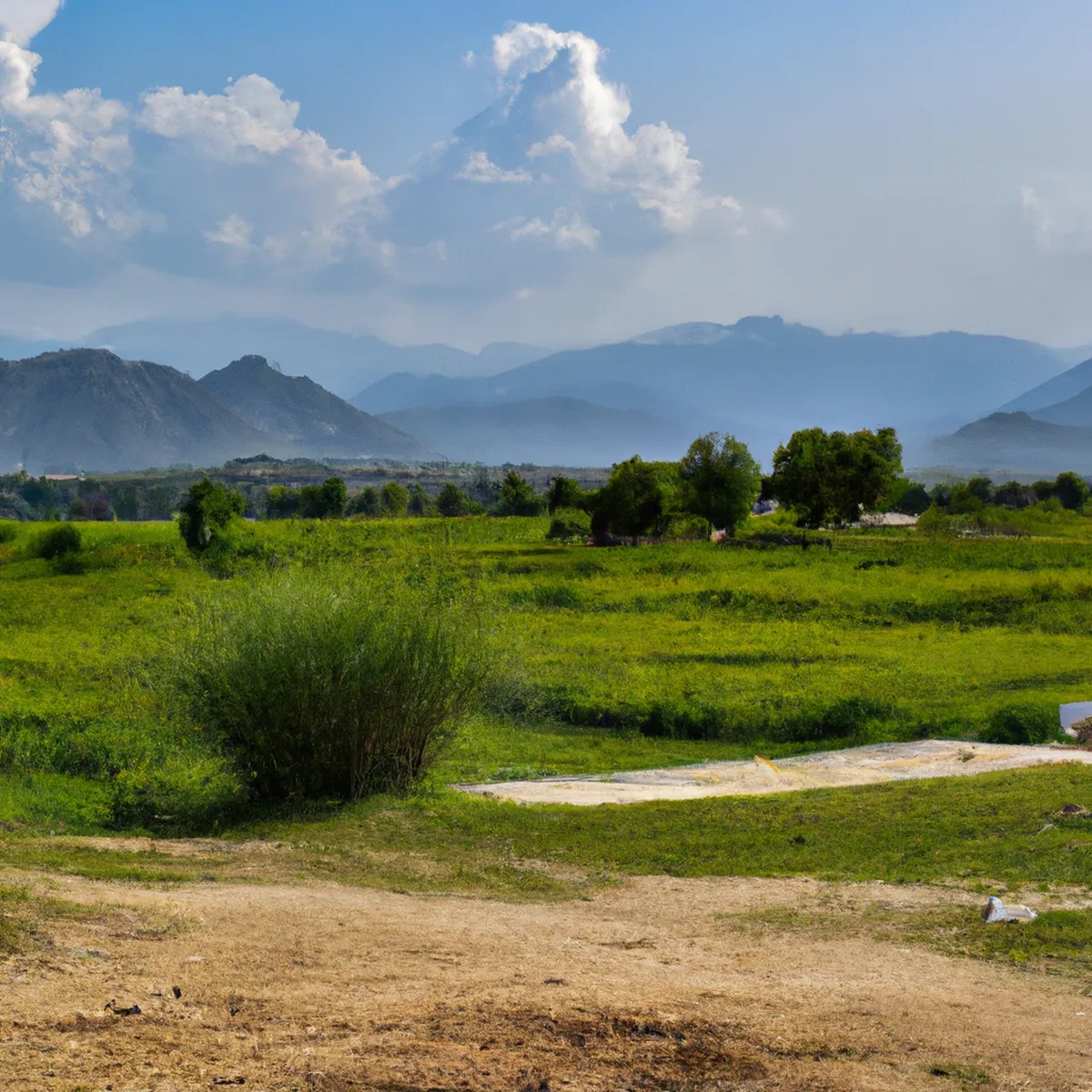
Pakistan’s natural resources include major mineral and energy reserves, with coal production of 7.7 million tonnes in 2020 and 82,514 barrels of oil a day in 2021. Water drives the Tarbela hydroelectric plant on the Indus River, which has an installed capacity of 4,888 MW. What stands out among Pakistan’s natural resources?
Pakistan is a country in South Asia with an area of more than 700,000 km² and a population of more than 200 million. With varied topography and climate, Pakistan has a wide range of natural resources, including minerals, oil, natural gas, forests, rivers and fertile farmland.
Table de contenidos
Pakistan’s natural resources have been exploited throughout its history and remain an important source of income and development for the country.
What are Pakistan’s natural resources? What natural wealth does the country have? Which minerals are available, and how does it rank globally? How much water is there, and which energy sources are used? How diverse are Pakistan’s animals and plants?
Natural resources
Natural resources are materials or energy sources provided by or found on Earth that are useful to humans. Every product we manufacture is made up of natural resources.
- Renewable resources: these can be restored by natural processes faster than the rate at which they are consumed. Examples include solar radiation, wind, hydroelectric power, water when used properly, and plant and animal life.
- Non-renewable resources: once extracted, these are depleted and cannot regenerate. Examples include hydrocarbons, metals and minerals.
Examples of Pakistan’s main natural resources
Pakistan: the state of its forests
Change in forest area and the country’s environmental context.
| Forest cover | 4.7% of land area2023 |
|---|---|
| Forest area | 36,019 km²2023 |
| Annual change in forest area | −413 km² per year (2018–2023) |
| Agricultural land | 46.7% of land area2023 |
| Protected land area | 19.1% of land area2025 |
| Threatened species | 194 mammals, birds, fish and plants2022 |
Oil and gas resources in Pakistan
In 2021 Pakistan produced a total of 82,514 barrels of oil per day, which places it 29th in the world for oil production. In addition, the country’s oil reserves were estimated at around 353,500,000 barrels in 2022, placing it 48th in the world ranking of reserves.
Pakistan is also a medium-sized producer of natural gas, with annual production of 24.9 billion cubic meters in 2025 (Energy Institute, 2026). The country ranks 29th among the world’s natural gas producers, and its output comes mainly from small fields.
Examples of Pakistan’s mineral resources
In 2020, coal production in Pakistan reached 7.7 million tonnes, placing it 23rd in the world ranking of coal production. It also had large coal reserves of 3,377,477,840 tonnes in 2016. Pakistan’s main coal-producing region is Sindh province.
In 2019, iron production in Pakistan reached 547 thousand tonnes, placing it 31st in the world for production of this resource. Pakistan’s main iron-producing region is Balochistan province, which has major iron ore deposits.
Water resources of Pakistan
Pakistan has 246.8 km³ of renewable freshwater resources, which placed it 30th in the world ranking of water reserves in 2020. This Asian country is home to two main rivers, the Indus and the Sutlej, and its most important lake is Manchar Lake.

Water availability is a vital resource for the development and well-being of the country’s population.
Average rainfall and soils of Pakistan
Pakistan has an average annual rainfall of 494 mm, which places it 126th in the world ranking for average annual precipitation. Given the country’s actual moisture levels, Pakistan’s soils are mainly arid and semi-arid, with some more fertile soils in areas where rainfall is higher.
Renewable electricity and hydropower production in Pakistan
In 2025, Pakistan generated 82.9 TWh of electricity from renewable sources — 47% of its total generation of 177.1 TWh — and hydropower alone supplied 41.2 TWh (Ember, 2025). The country’s main hydroelectric plant is Tarbela, on the Indus River.
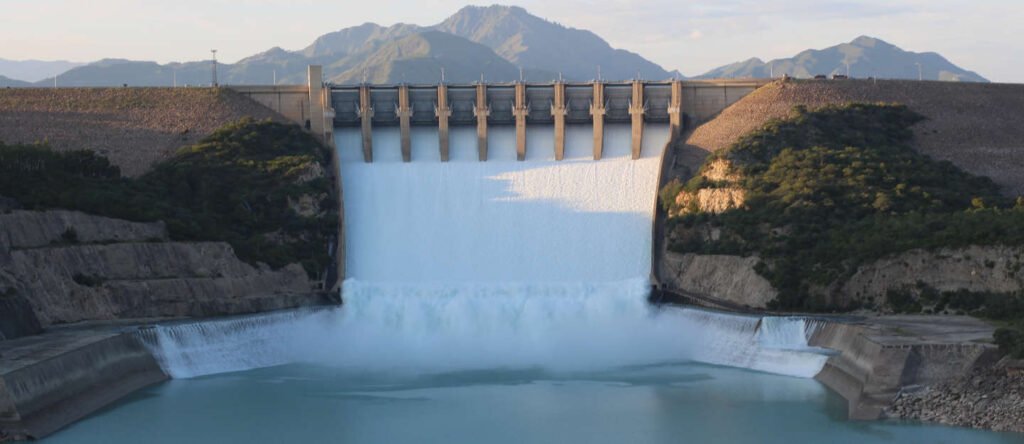
This plant has an installed capacity of 4,888 MW, making it one of the largest in Asia.
Forest resources of Pakistan
According to the World Bank, forests cover 4.7% of Pakistan’s territory (2022), equivalent to about 36,019 km² (2023). Although the country ranks only 74th in the world for forest area, this resource is very important to it. The Chitral forest region, the country’s main wooded area, stands out.
Environmental performance and protection of Pakistan’s natural resources
The country scores 25.5 on the Environmental Performance Index (EPI 2024) and ranks 179th on the index. In addition, terrestrial and marine protected areas make up 15.2% of the total territorial area, and terrestrial protected areas cover 19.1% of the land area (World Bank, 2025). Protecting these areas is crucial to maintaining ecological balance and preserving biodiversity.
Natural parks of Pakistan: the hidden wealth of natural resources
Biodiversity: animal and plant resources of Pakistan
Birds of Pakistan
Pakistan has a rich diversity of birds, with a total of 658 species, which places it 53rd in the world for number of species. However, 33 of its species are endangered, so it is essential to protect and conserve this natural resource.
Among the most notable species is the peregrine falcon, whose subspecies the shaheen falcon is considered Pakistan’s state bird (the official national bird is the chukar partridge).

Fish and amphibians of Pakistan
A total of 24 amphibian species have been recorded, placing the country at around 74th in the world ranking for number of amphibian species.
The country also has a total of 721 fish species, with the catfish standing out. Despite this natural wealth, Pakistan also faces challenges in conserving its resources: 46 threatened fish species were recorded in 2019.
Mammals of Pakistan
Pakistan has rich biodiversity and is home to a total of 202 mammal species, most notably the snow leopard. However, 25 of these species are endangered.

Even so, Pakistan ranks 57th in the world for number of mammal species. It also has three endemic mammal species.
It is important to stress the need to protect and conserve this valuable natural resource.
Reptiles of Pakistan
Pakistan has a great diversity of reptiles, with a total of 215 reptile species, which places it 45th in the world. This natural resource is very important for the country’s biodiversity, and the Indian cobra is one of its most emblematic reptile species.
Plants of Pakistan
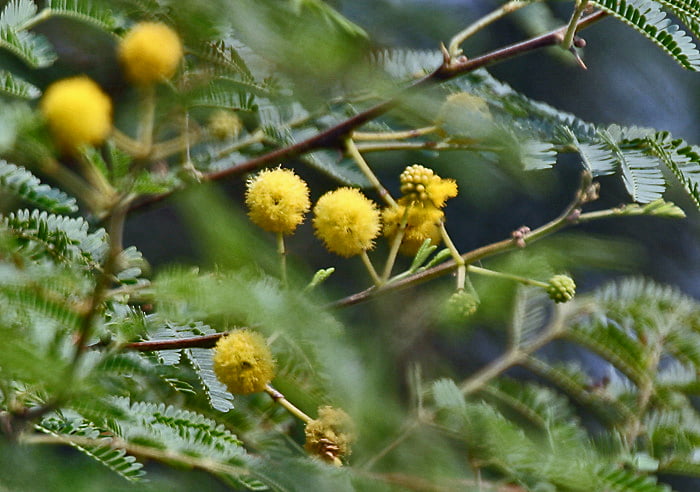
Pakistan has a great diversity of vascular plants, with a total of 6,000 recorded species, placing it 41st in the world. Among the most notable species is Acacia nilotica, a plant of great economic and cultural importance in the country.
Organizations that protect or study Pakistan’s natural resources
- Ministry of Climate Change and Environmental Coordination of Pakistan: federal ministry that leads Pakistan’s climate and environmental policy.
- Pakistan Environmental Protection Agency (Pak-EPA): federal agency that regulates and enforces national environmental standards.
- Islamabad Wildlife Management Board (IWMB): government body that conserves Margalla Hills National Park and its wildlife.
- Himalayan Wildlife Foundation: Pakistani NGO dedicated to conserving the biodiversity and natural heritage of the north.
- IUCN Pakistan: IUCN office that promotes conservation and environmental policy in Pakistan.
- WWF-Pakistan: affiliate of the World Wide Fund for Nature that protects species and ecosystems.
Sources used
- List of countries by mineral production – Wikipedia
- Economic data by country – The Global Economy
- Forest area (km²) – World Bank
- Forest area (% of land area) – World Bank
- Oil reserves – The Global Economy
- Coal reserves – Worldometers
- Water and agriculture statistics – FAO
- Precipitation (mm) – World Bank
- Environmental Performance Index – Environmental Performance Index
- Bird species – Mongabay
- Amphibian species by country – Mongabay
- Mammal species – Mongabay
- Endemic mammal species – Our World in Data
- Plant species – Mongabay
- Reptile species by country – Mongabay
- Endemic bird species by country – Our World in Data
The World Bank noted in 2023 that Pakistan has significant reserves of coal, natural gas and minerals, although its energy sector faces major shortfalls in installed capacity.
Pakistan’s economy is organized around a single river system, the Indus, on which almost all of its agriculture depends. Water availability per person fell to about 1,101 m³ around 2004-05, close to the water scarcity threshold of 1,000 m³ Wikipedia, 2005. The country ranks 179th out of 180 on the Environmental Performance Index, with 25.5 points Yale EPI, 2024.
Water: the Indus system at its limit
Of all the water withdrawn in Pakistan, about 96% went to irrigation, concentrated in the Indus basin Wikipedia, 2000. That dependence worsens water stress as the population keeps growing.
Thar coal and Reko Diq minerals
The Thar deposit in Sindh contains about 200,000 million tonnes of lignite, one of the largest deposits in the world, discovered in 1991 by the GSP together with the USGS Wikipedia, 1991. In Balochistan, Reko Diq has resources of 5,900 million tonnes of ore grading 0.41% copper and 41.5 million ounces of gold Wikipedia, Reko Diq. Its operator expects a mine life of at least 37 years Barrick, 2025.
Cotton and textiles: the main export engine
Textiles and apparel lead the country’s exports: they totaled $16,600 million in fiscal year 2023-24, 24.2% of total exports Fibre2Fashion, 2024. Cotton underpins this value chain.
Frequently asked questions
What are Pakistan’s main natural resources? The standouts are the water of the Indus, Thar lignite (about 200,000 million tonnes), the copper and gold of Reko Diq, and cotton for textiles Wikipedia, 1991.
Why does Pakistan face water stress? Because about 96% of its water goes to irrigation and per capita availability hovers around the critical threshold of 1,000 m³ Wikipedia, 2005.
Last updated: September 26, 2026
Leave a Reply