


Cambodia’s natural resources combine Southeast Asian water, forests and biodiversity. What is Cambodia’s natural wealth? The country has 476.1 km³ of renewable freshwater resources, which places it 20th in the world; its forests cover 45.71% of its territory, and hydropower generated 5.3 TWh of electricity in 2025 (Ember, 2025).
Cambodia is a country in Southeast Asia known for its rich biodiversity and natural resources. Cambodian territory has a wide variety of ecosystems, from tropical forests and jungles to coasts and rivers.
Table de contenidos
Cambodia’s natural resources are very important to its economy and are used for food production, fishing, logging and mining. These resources are also fundamental to biodiversity conservation and the sustainable development of the region.
What is Cambodia’s natural wealth, and which resources stand out? How much water does it use to generate energy, and what are its mineral resources? Where does it rank globally? How diverse are its fauna and flora, including birds, reptiles, mammals, fish and amphibians?
Natural resources
Natural resources are materials or energy sources provided by or found on Earth that are useful to humans. Every product we manufacture is made up of natural resources.
- Renewable resources: these can be restored by natural processes faster than the rate at which they are consumed. Examples include solar radiation, wind, hydroelectric power, water when used properly, and plant and animal life.
- Non-renewable resources: once extracted, these are depleted and cannot regenerate. Examples include hydrocarbons, metals and minerals.
Examples of Cambodia’s main natural resources
Cambodia’s natural economy
How much natural resource rents weigh in the economy, and the state of the land that produces them.
| Natural resource rents | 0.8% of GDP2021 |
|---|---|
| Capture fisheries | 606,654 t per year2024 |
| Forest cover | 43.1% of land area2023 |
| Agricultural land | 34.9% of land area2023 |
Water resources of Cambodia
Cambodia has substantial renewable freshwater resources of 476.1 km³, which placed it 20th in the world ranking of water reserves in 2020. This resource is key to the development and survival of the population, as well as to agriculture and industry.
The country’s most important bodies of water include the Mekong and Tonle Sap rivers, as well as the lake of the same name, which is the largest in Southeast Asia.

Average rainfall and soils of Cambodia
Cambodia has an average annual rainfall of 1,904 mm, which places it 33rd in the world for precipitation. Because of this moisture, Cambodia’s soils are mostly lateritic, with a high concentration of iron and aluminum that gives them a characteristic reddish color.
The moisture also favors tropical forests and jungles, which cover much of Cambodia’s territory.
Renewable electricity and hydropower production in Cambodia
In 2025, Cambodia generated 7.3 TWh of electricity from renewable sources — 41% of its total generation of 17.8 TWh — and hydropower alone supplied 5.3 TWh (Ember, 2025). The country’s largest hydroelectric plant is Lower Sesan II, in Stung Treng province, with an installed capacity of 400 MW.

Forest resources of Cambodia
Cambodia has a wealth of forest resources, and its main forest region is Mondulkiri. In 2020, the country’s forest area reached 45.71% of its land area, equivalent to 80,683.7 km². Cambodia ranks 54th in the world for forest area.
Environmental performance and protection of Cambodia’s natural resources
Cambodia is a country with an abundance of natural resources. In Yale University’s 2024 Environmental Performance Index (EPI), Cambodia scored 31.2 and ranked 170th in the world. Its terrestrial and marine protected areas make up 31.8% of the total territorial area (World Bank, 2025).
Natural parks of Cambodia: the hidden wealth of natural resources
Biodiversity: animal and plant resources of Cambodia
Birds of Cambodia
Cambodia has a great diversity of birds, with a total of 512 species in 2018, which places it 70th in the world for number of bird species. It also had 2 endemic bird species in 2020.
However, it also faces the threat of extinction of 31 bird species. This natural resource must therefore be protected and the region’s biodiversity preserved. The country’s national bird is the giant ibis.

Fish and amphibians of Cambodia
In 2019, a total of 50 amphibian species were recorded, placing Cambodia 56th in the world for number of amphibian species.
The country also has 936 fish species, its flagship species being the catfish. Cambodia ranks 58th in the world for number of fish species. However, 48 threatened species have been recorded.
Mammals of Cambodia
Cambodia has rich biodiversity, with a total of 164 mammal species in 2016. However, 39 of these species are threatened.
Cambodia ranks 53rd in the world for number of mammal species.
Reptiles of Cambodia
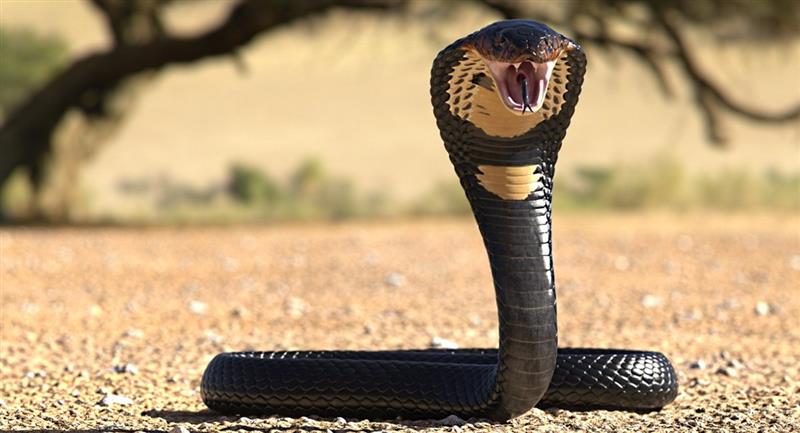
Cambodia has a great diversity of reptile species, with a total of 192 species in 2019, which places it 41st in the world. The king cobra stands out among them, while the country’s official national reptile is the royal turtle (southern river terrapin).
Plants of Cambodia
Cambodia has a great diversity of vascular plants, with a total of 6,000 species recorded in 2020, placing it 32nd in the world. Among the most notable are the giant trees whose roots have grown over the temples of Angkor, most famously at Ta Prohm.
Organizations that protect or study Cambodia’s natural resources
- Wildlife Conservation Society – Protects Cambodia’s biodiversity and natural habitats.
- Fauna & Flora International – Works to protect Cambodia’s wildlife and ecosystems.
- Mekong Fish Network – Works to protect and conserve the fishery resources of the Mekong River in Cambodia.
Tonlé Sap Lake is the largest freshwater lake in Southeast Asia, and every monsoon season the Mekong flood reverses the flow of the river of the same name: the lake grows from about 2,500–3,000 km² in the dry season to nearly 16,000 km², with the water level rising by about 10 meters. This annual flood sustains one of the most productive freshwater fisheries in the world (Tonlé Sap, Wikipedia).
Inland fisheries: the country’s protein
Cambodia’s annual freshwater catch exceeds 400,000 tonnes, and the Tonlé Sap area contributes about 60% of that total; some 1.2 million people live beside the lake and get 60% of their protein from it (Tonlé Sap, Wikipedia). Nationally, about 80% of Cambodians’ animal protein comes from fish of the Mekong system, whose wild fishery is worth about $2 billion a year (Mekong, Wikipedia).
Mekong dams: the threat to the flood pulse
That pulse is at risk. The Mekong River Commission (MRC) projects that dams will deplete 80% of fish stocks by 2040, with a 35% decline attributed to Cambodia (Mekong, Wikipedia). The effect is already being felt: in July 2020 the level of the Tonlé Sap hit its lowest point in 60 years, because of upstream water retention combined with El Niño (Tonlé Sap, Wikipedia).
Rice and forests: the other two key resources
With 11.6 million tonnes of paddy rice in 2022, Cambodia was the world’s ninth-largest producer (List of countries by rice production, Wikipedia). The cost falls on the forest: forest cover fell from 72.1% of the territory in 1973 to 46.3% in 2014, and between 2001 and 2024 the country lost about 2.9 million hectares, nearly 33% of its 2000 tree cover (Deforestation in Cambodia, Wikipedia).
Sources used
- Economic data by country
- Forest area (km²)
- Forest area (% of land area)
- Arable land area (km²)
- Water and agriculture statistics
- Precipitation (mm)
- Environmental Performance Index
- CO2 emissions (tonnes per capita)
- Bird species
- Amphibian species by country
- Mammal species
- Endemic mammal species
- Plant species
- Reptile species by country
- Endemic bird species by country
Last updated: September 26, 2026
Leave a Reply