

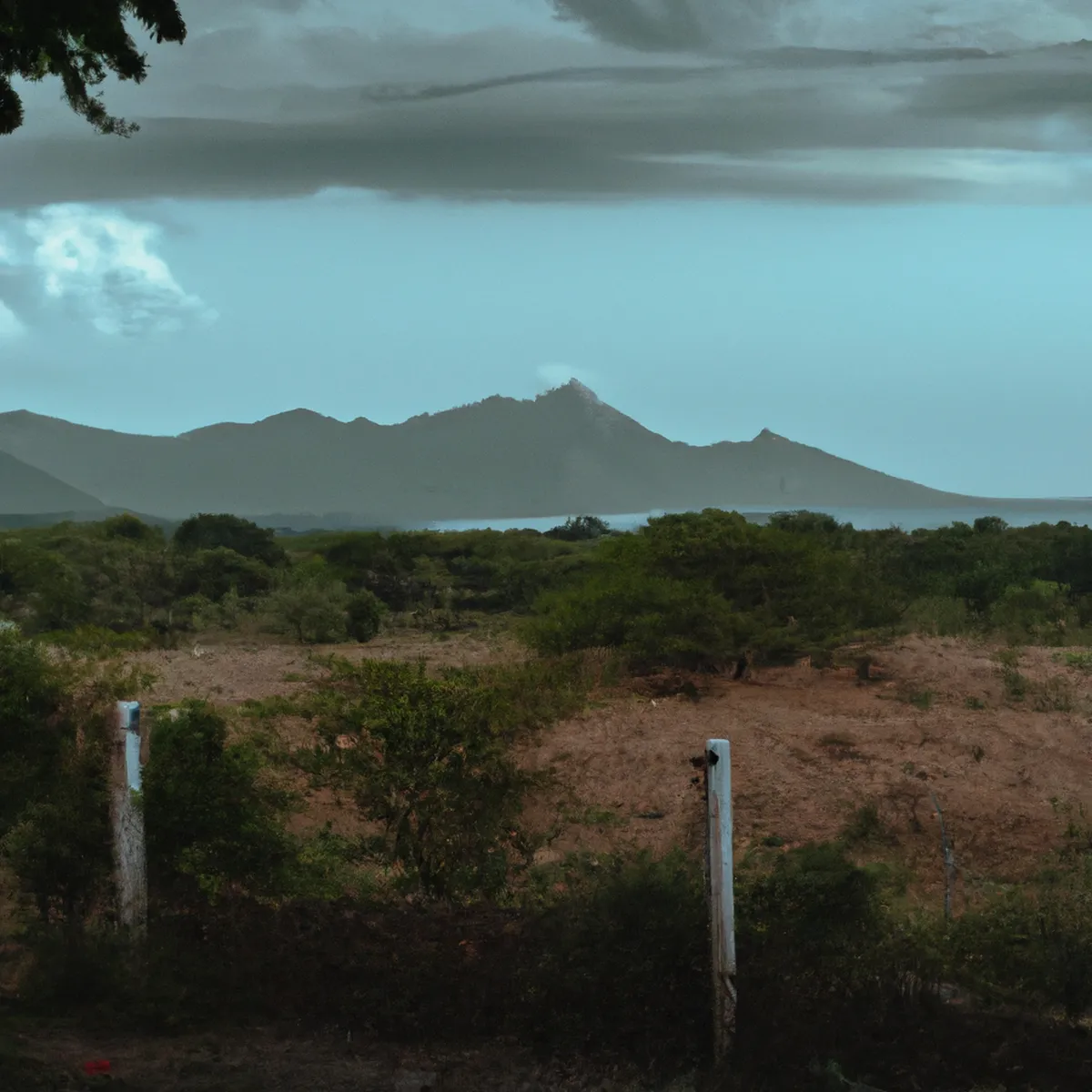
Nicaragua’s natural resources include tropical forests, wetlands, minerals and abundant freshwater, with 196.6 km³ of renewable freshwater resources and Lake Nicaragua as its largest body of water. Its biodiversity includes 677 bird species, among them the guardabarranco, the national bird since 1971. Which of Nicaragua’s natural resources stand out most?
Nicaragua is a country in the heart of Central America with a rich variety of natural resources. Its territory stretches from the Pacific Ocean to the Caribbean Sea, which gives it a diversity of ecosystems and climates.
Table de contenidos
Nicaragua’s natural resources are diverse, including tropical forests, wetlands, rivers and lakes. It also has a wide variety of animal and plant species, which makes it a unique place for biodiversity.
The country’s economy also depends heavily on its natural resources through agriculture, fishing and mining. Nicaragua has great potential in terms of natural resources, and conserving them is essential to its sustainable development.
What are Nicaragua’s natural resources? What natural wealth does the country have? Which minerals does it have, and how does it rank globally? How much water does it have, and what resources does it use to generate energy? How is its land used, and how does the country protect its biodiversity?
Natural resources
Natural resources are materials or energy sources provided by or found on Earth that are useful to humans. Every product we manufacture is made up of natural resources.
- Renewable resources: these can be restored by natural processes faster than the rate at which they are consumed. Examples include solar radiation, wind, hydroelectric power, water when used properly, and plant and animal life.
- Non-renewable resources: once extracted, these are depleted and cannot regenerate. Examples include hydrocarbons, metals and minerals.
Examples of Nicaragua’s main natural resources
Nicaragua: the state of its forests
Change in forest area and the country’s environmental context.
| Forest cover | 25.8% of land area2023 |
|---|---|
| Forest area | 31,075 km²2023 |
| Annual change in forest area | −1,000 km² per year (2018–2023) |
| Agricultural land | 42.3% of land area2023 |
| Protected land area | 21.2% of land area2025 |
| Threatened species | 244 mammals, birds, fish and plants2022 |
Map of Nicaragua’s natural resources by region
Nicaragua is divided into three natural regions (Pacific, Central and Caribbean), each with distinct natural resources.
| Resource | Reserves / production | Source |
|---|---|---|
| Renewable freshwater | 196.6 km³ (2020); 39th in the world | FAO |
| Average rainfall | 2,280 mm/year; 19th in the world | World Bank |
| Forest area | 25.82% of land area (31,075 km²); 2023 | World Bank 2023 |
| Environmental performance (EPI) | 47.4; 67th of 180 | EPI 2024 (Yale) |
| Birds | 677 species | Mongabay |
Water resources of Nicaragua
Nicaragua had 196.6 km³ of renewable freshwater resources in 2020, which places it 39th in the world.
Nicaragua has a large number of rivers and lakes, the main ones being the Coco River, the San Juan River and Lake Nicaragua.

Average rainfall and soils of Nicaragua
Nicaragua has an average annual rainfall of 2,280 mm, which places it 19th in the world for rainfall. This high moisture makes much of Nicaragua’s soil fertile and suitable for agriculture and food production.
Renewable electricity and hydropower production in Nicaragua
In 2024, Nicaragua generated 2.8 TWh of electricity from renewable sources — 62% of its total generation of 4.5 TWh — and hydropower supplied 650 GWh (Ember, 2024).
Forest resources of Nicaragua
Nicaragua is rich in forest resources, and its main forest region is the North Caribbean Coast Autonomous Region. In 2023, the country’s forest area covered 25.82% of its land area, equivalent to 31,075 km², a notable decline from previous years due to deforestation (World Bank).
Globally, Nicaragua ranks 80th for forest area.
Environmental performance and protection of Nicaragua’s natural resources
Nicaragua’s score on the Environmental Performance Index (EPI 2024, Yale University) is 47.4, placing it 75th out of 180 countries, which shows there is still much to be done to protect the environment. Protected areas cover 21.2% of its land area (10.1% of its total land and marine territory, World Bank 2025), which demonstrates the country’s commitment to biodiversity conservation.
Natural parks of Nicaragua: the hidden wealth of natural resources
Biodiversity: animal and plant resources of Nicaragua
Birds of Nicaragua
Nicaragua has a great diversity of birds, with a total of 677 species recorded in 2018. Its position in the world ranking for number of bird species is notable: it ranks 43rd.
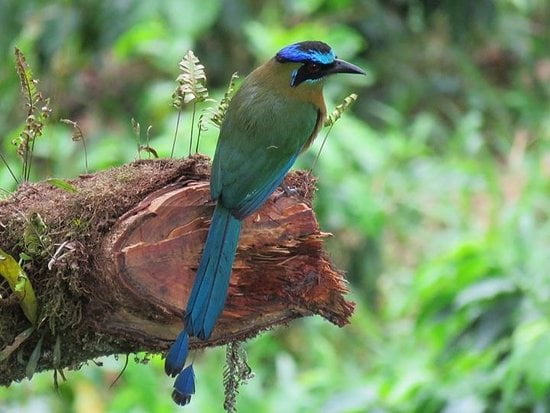
However, 17 of these species are endangered, so action is needed to protect this valuable natural resource. Among the most notable species is the guardabarranco (turquoise-browed motmot), Nicaragua’s national bird since 1971.
Fish and amphibians of Nicaragua
Nicaragua has a great diversity of amphibian and fish species. In 2019, 74 amphibian species were recorded, placing it 45th in the world for number of amphibian species.
It also has a total of 1,073 fish species. Nicaragua ranks 39th in the world for number of fish species. However, 40 of these fish species are threatened.
Mammals of Nicaragua
Nicaragua has a total of 203 mammal species. However, seven of these species face the threat of extinction.
Nicaragua ranks 36th in the world for number of mammal species.
Reptiles of Nicaragua
Nicaragua has a rich diversity of reptiles, with a total of 198 species recorded in 2019, which places it 39th in the world. This natural resource is very important for the country, notably the green iguana, a source of food and income for local communities.
Plants of Nicaragua
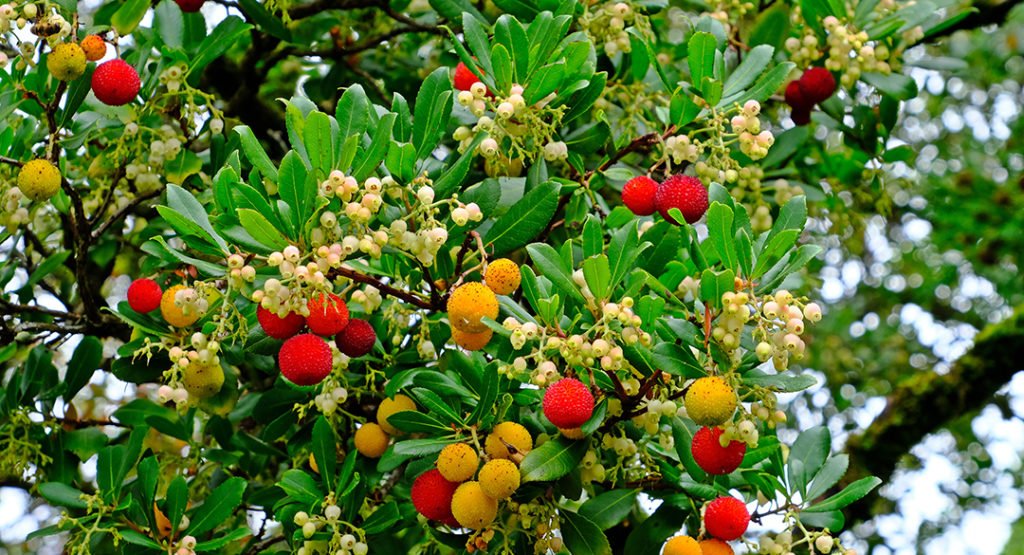
Nicaragua has a great diversity of vascular plants, with a total of 5,796 species recorded in 2020, which places it 36th in the world. Among the most notable species is the madroño tree (Calycophyllum candidissimum), Nicaragua’s national tree, which the IUCN lists as Least Concern.
Organizations that protect or study Nicaragua’s natural resources
- Ministerio del Ambiente y los Recursos Naturales (Ministry of the Environment and Natural Resources, MARENA): The government ministry that leads environmental policy and the sustainable use of natural resources.
- Fundación Nicaragüense para el Desarrollo Sostenible (Nicaraguan Foundation for Sustainable Development, FUNDENIC): A pioneering foundation in the conservation of Nicaragua’s natural resources, protected areas, water and forests.
- Fundación del Río: NGO that conserves biodiversity and promotes sustainable development in southeastern Nicaragua.
- Paso Pacífico: Organization that restores and protects dry forests and coastal ecosystems on Nicaragua’s Pacific side.
- El Porvenir: Organization working on water, sanitation and watershed restoration in Nicaraguan communities.
Gold, the country’s top export
Gold heads Nicaragua’s export basket and accounts for about 15% of the total value of its exports, according to OEC, 2023. Production is concentrated in mines in the north and the Caribbean region, such as San Albino and Pavón. Coffee and beef remain the main agricultural exports.
Bosawás and the pressure on forests
The Bosawás Biosphere Reserve, one of the largest in Central America at about 2 million hectares (UNESCO), lost 740 km² of forest in 2024 alone, reports Mongabay / Global Forest Watch, 2025. The reserve has already lost more than 30% of its primary forest since 2000, driven by cattle ranching and fires, which caused 35% of tree cover loss that year.
A renewables-based electricity mix
More than half of Nicaragua’s electricity came from low-carbon sources in 2023, according to data from Ember / Low Carbon Power, 2023. Biomass leads the clean contribution, followed by geothermal, hydropower and wind. The country harnesses its Pacific volcanic chain for geothermal generation.
Frequently asked questions
What is Nicaragua’s main natural resource export? Gold, with sales of $1.12 billion in 2023, is the country’s top export product, according to Trend Economy, 2023.
How much forest did the Bosawás Reserve lose in 2024? Bosawás lost 740 km² of forest in 2024, reports Mongabay / Global Forest Watch, 2025.
Leave a Reply