

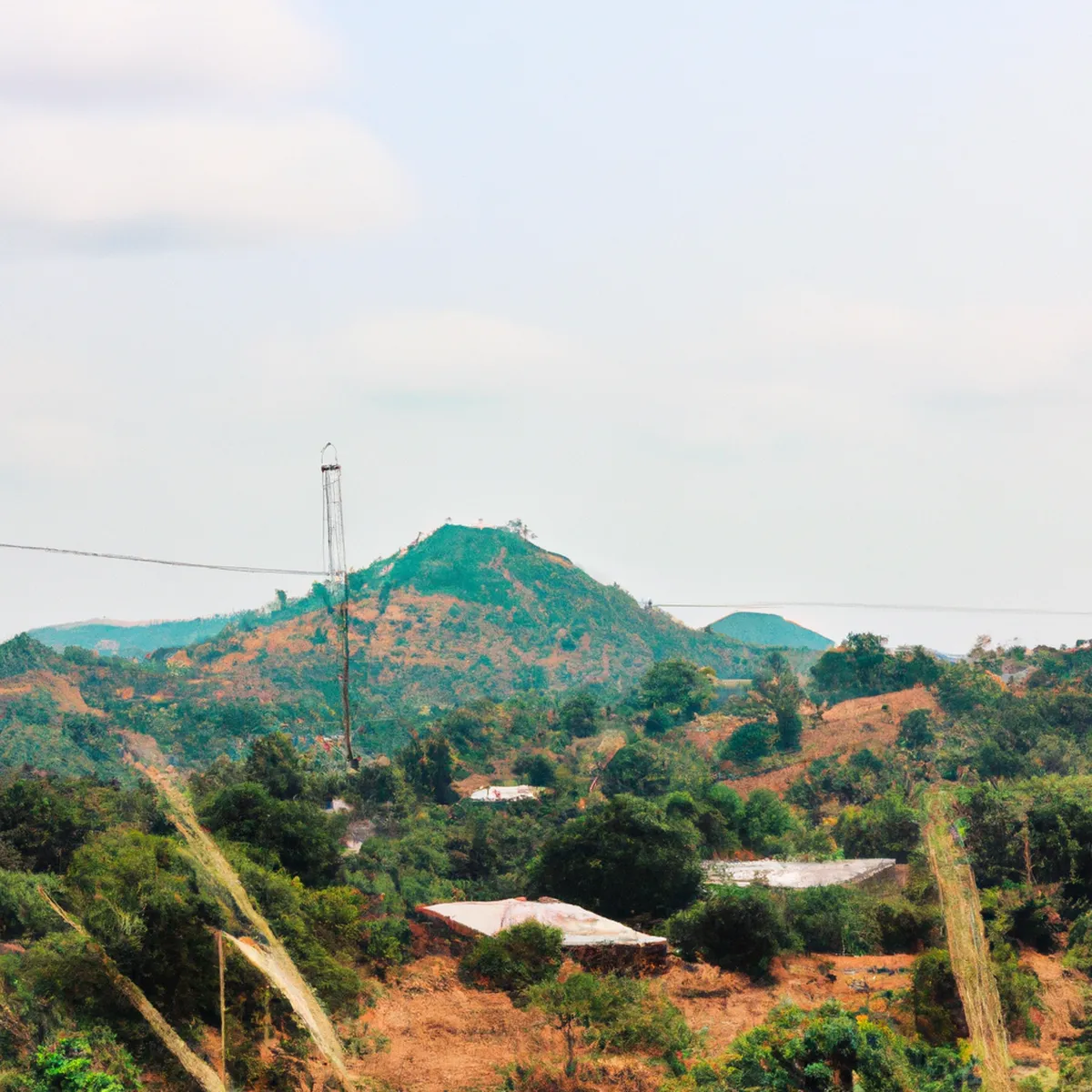
Sierra Leone’s natural resources include diamonds, gold, bauxite, iron and abundant water resources. In 2019 the country produced 4,720 thousand tonnes of iron, and in 2009 it exported 400,480 carats of diamonds. What are Sierra Leone’s most important natural resources? It also has 160 km³ of renewable freshwater resources and 34.3% forest cover.
Sierra Leone is a country in West Africa known for its rich biodiversity and natural resources. The nation has a wide variety of ecosystems, from tropical forests to savannas and mangroves.
Contents
It is also home to a large number of animal and plant species, many of them endemic. Sierra Leone’s natural resources include diamonds, gold, bauxite and other minerals, as well as timber and fisheries.
The exploitation of these resources has been an important source of income for the country, but it has also generated controversy and conflict.
What are Sierra Leone’s natural resources? What natural wealth does the country have? What minerals are found there, and how do they rank globally? How many animal and plant species are there in Sierra Leone?
Natural resources
Natural resources are materials or energy sources provided by or found on Earth that are useful to humans. Every product we manufacture is made up of natural resources.
- Renewable resources: these can be restored by natural processes faster than the rate at which they are consumed. Examples include solar radiation, wind, hydroelectric power, water when used properly, and plant and animal life.
- Non-renewable resources: once extracted, these are depleted and cannot regenerate. Examples include hydrocarbons, metals and minerals.
Examples of Sierra Leone’s main natural resources
Sierra Leone in data: water and energy
Freshwater availability and the share of renewables in electricity.
| Renewable freshwater per capita | 19,331 m³ per year2022 |
|---|---|
| Electricity from renewable sources | 75.3% of total generation2021 |
| Forest cover | 34.3% of land area2023 |
| Protected land area | 12.6% of land area2025 |
| Land area | 72,180 km²2023 |
| Threatened species | 273 mammals, birds, fish and plants2022 |
Examples of Sierra Leone’s mineral resources
In 2019, Sierra Leone produced a total of 4,720 thousand tonnes of iron, placing it 22nd in the world ranking for production of this resource. Sierra Leone’s main iron-producing region is Tonkolili, in the center of the country.
The main minerals mined in Sierra Leone are diamonds, rutile, bauxite, gold, iron and limonite. In 2009, the government recorded exports of 400,480 carats (80,096 g) of diamonds, including 143,620 carats (28,724 g) of industrial diamonds and 256,860 carats (51,372 g) of gem diamonds.
Water resources of Sierra Leone
Sierra Leone had 160 km³ of renewable freshwater resources in 2020, placing it 45th in the world for water reserves. This resource is fundamental to the development and well-being of the population, as well as to agriculture and industry.
Its main water sources include the Rokel and Little Scarcies rivers, as well as Lake Sonfon, the country’s largest inland lake.
Average rainfall and soils of Sierra Leone
Sierra Leone has an average annual rainfall of 2,526 mm, which places it 12th in the world ranking for average annual rainfall. This amount of rain shapes the country’s actual moisture levels and, in turn, the composition of its soils.
Renewable electricity and hydropower production in Sierra Leone
In 2024, Sierra Leone generated 200 GWh of electricity from renewable sources — 95% of its total generation of 210 GWh — and hydropower alone supplied 180 GWh (Ember, 2024), making it the country’s main source of electricity.
Sierra Leone’s main hydroelectric plant is the Bumbuna Hydroelectric Power Station, on the Seli River, with an installed capacity of 50 MW.
Forest resources of Sierra Leone
Sierra Leone has a major forest region known as the Guinean Forest, which covers much of the territory. This natural resource is fundamental to the country’s economy, as it provides timber, food and other forest products.
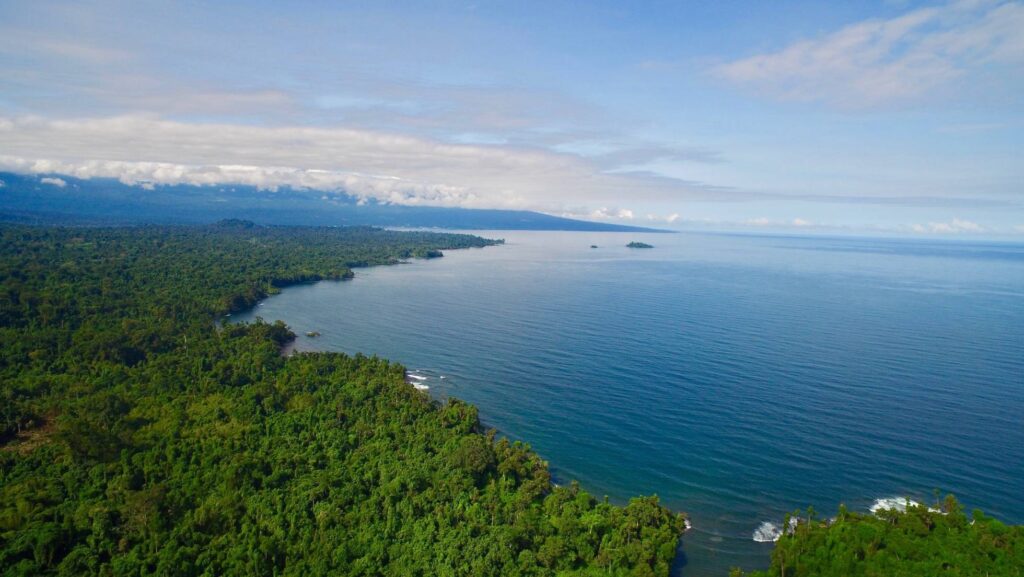
According to World Bank data for 2023, Sierra Leone’s forest area equals 34.3% of its land area, a share that places the country among the West African nations with the most forest cover.
Environmental performance and protection of Sierra Leone’s natural resources
Sierra Leone has a 2024 Environmental Performance Index score of 39.9 and ranks 126th in the Environmental Performance Index. In addition, protected areas cover 12.6% of its land area and 1.7% of its waters; together, terrestrial and marine protected areas make up 5.1% of its total territorial area (World Bank, 2025). Protecting these areas is crucial to preserving the country’s natural resources.
Natural parks of Sierra Leone: the hidden wealth of natural resources
Biodiversity: animal and plant resources of Sierra Leone
Birds of Sierra Leone
Sierra Leone has a great diversity of birds, with a total of 645 species (BirdLife International, Dec. 2023), which ranks it 57th in the world for number of bird species. However, 16 of its bird species are endangered, so it is essential to protect and conserve this natural resource.
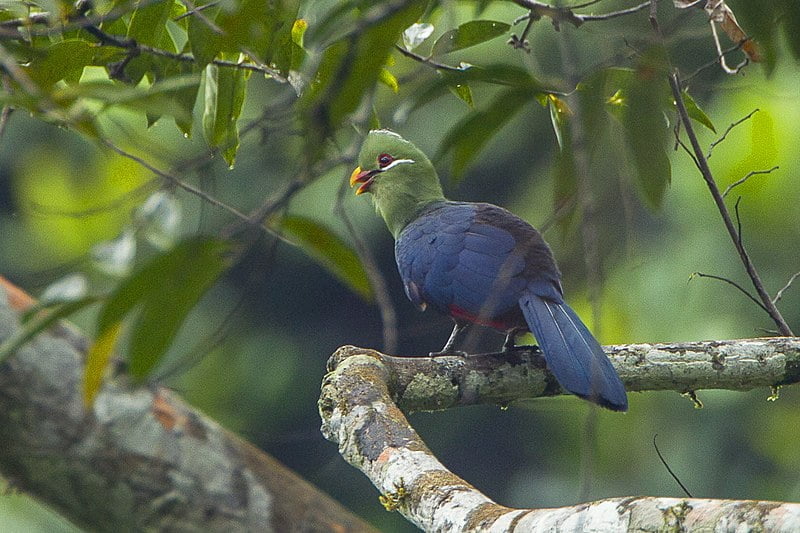
Among the country’s most notable bird species is the Guinea turaco, a colorful, eye-catching species that lives in the region’s tropical forests.
Fish and amphibians of Sierra Leone
As of December 2023, 59 amphibian species were recorded (AmphibiaWeb, Dec. 2023), which puts the country at around 50th in the world ranking for number of amphibian species.
It also has a total of 707 fish species (FishBase, Dec. 2023), with the catfish as its flagship species. It ranks 89th in the world for number of fish species.
Unfortunately, 57 threatened fish species were also recorded.
Mammals of Sierra Leone
Sierra Leone has a great diversity of mammal species, with a total of 204 species in 2023 (ASM Mammal Diversity Database, Dec. 2023). Of these species, however, 22 are threatened.
Sierra Leone ranks 54th in the world for number of mammal species.
Reptiles of Sierra Leone
Sierra Leone has a rich diversity of reptiles, with a total of 100 species recorded in 2023 (The Reptile Database, Dec. 2023), which ranks it 91st in the world.
Plants of Sierra Leone
Sierra Leone has a great diversity of vascular plants, with a total of 1,883 species recorded in 2020, placing it 91st in the world. A standout among these species is the oil palm, a plant of great economic importance in the country.

Organizations that protect or study Sierra Leone’s natural resources
- Rainforest Trust – Protects tropical forests and biodiversity in Sierra Leone.
- Conservation Society of Sierra Leone (CSSL) – Promotes the conservation of wildlife and natural resources in Sierra Leone and is a partner, with the government and the RSPB, in the Gola Rainforest conservation project.
- Food and Agriculture Organization of the United Nations – Works on sustainable natural resource management and food security in Sierra Leone.
- World Wildlife Fund – Protects biodiversity and ecosystems in Sierra Leone.
- Greenpeace Africa – Promotes environmental protection and the fight against climate change in Sierra Leone.
- Sierra Leone Heritage Foundation – Preserves Sierra Leone’s cultural and natural heritage.
In 1972, the Star of Sierra Leone was extracted from the Diminco alluvial mine in the Koidu area: a 968.9-carat rough diamond that remains the largest alluvial diamond ever found and the fourth-largest gem-quality diamond in history (Star of Sierra Leone, Wikipedia, 2024).
Diamonds: from conflict to the Kimberley Process
Sierra Leone’s diamonds financed the 1991–2002 civil war and popularized the term “blood diamonds”; today the country exports them as a participant in the Kimberley Process, which certifies conflict-free origin (Kimberley Process, n.d.). Certified exports totaled 573,982.91 carats in 2024, up from 525,457.71 in 2023 (Kimberley Process via TheGlobalEconomy, 2024). Most of them come from artisanal alluvial mining in the east and south of the country.
Rutile: world leadership in natural titanium
Sierra Rutile is the world’s largest producer of natural rutile, the purest source of titanium dioxide for pigments and titanium metal (Sierra Rutile, n.d.). In 2024 the country supplied about 60,000 tonnes of rutile, close to 13% of world production, according to USGS data (USGS via Wikipedia, 2024). Its Sembehun project ranks among the largest and highest-grade natural rutile deposits known.
Iron ore: magnetite on a continental scale
The Tonkolili deposit, in the center of the country, contains about 12 billion tonnes of JORC-compliant iron resources and ranks among the largest magnetite deposits in the world. It is the second-largest iron mine in Africa, with an estimated operating life of more than 60 years (Mining Technology, n.d.).
Frequently asked questions
What is the most famous diamond found in Sierra Leone? The Star of Sierra Leone, found on February 14, 1972, in the Diminco alluvial mines (Koidu). At 968.9 carats, it is the largest alluvial diamond ever discovered and the fourth-largest gem-quality diamond on record (Star of Sierra Leone, Wikipedia, 2024).
How important is Sierra Leone in the rutile market? It is one of the planet’s largest producers of natural rutile: about 60,000 tonnes in 2024, close to 13% of the world total, according to the USGS (USGS via Wikipedia, 2024).
Sources used
- Lists of countries by mineral production – Wikipedia
- Economic data by country – The Global Economy
- Forest area (km²) – World Bank
- Forest area (% of land area) – World Bank
- Water and agriculture statistics – FAO
- Precipitation (mm) – World Bank
- Environmental Performance Index – Environmental Performance Index
- Bird species – Mongabay
- Amphibian species by country – Mongabay
- Mammal species – Mongabay
- Plant species – Mongabay
- Reptile species by country – Mongabay
- Endemic bird species by country – Our World in Data
The World Bank reported in 2023 that Sierra Leone has extensive reserves of diamonds, iron ore and rutile, resources that can drive its economic development.
Last updated: September 26, 2026

Leave a Reply