

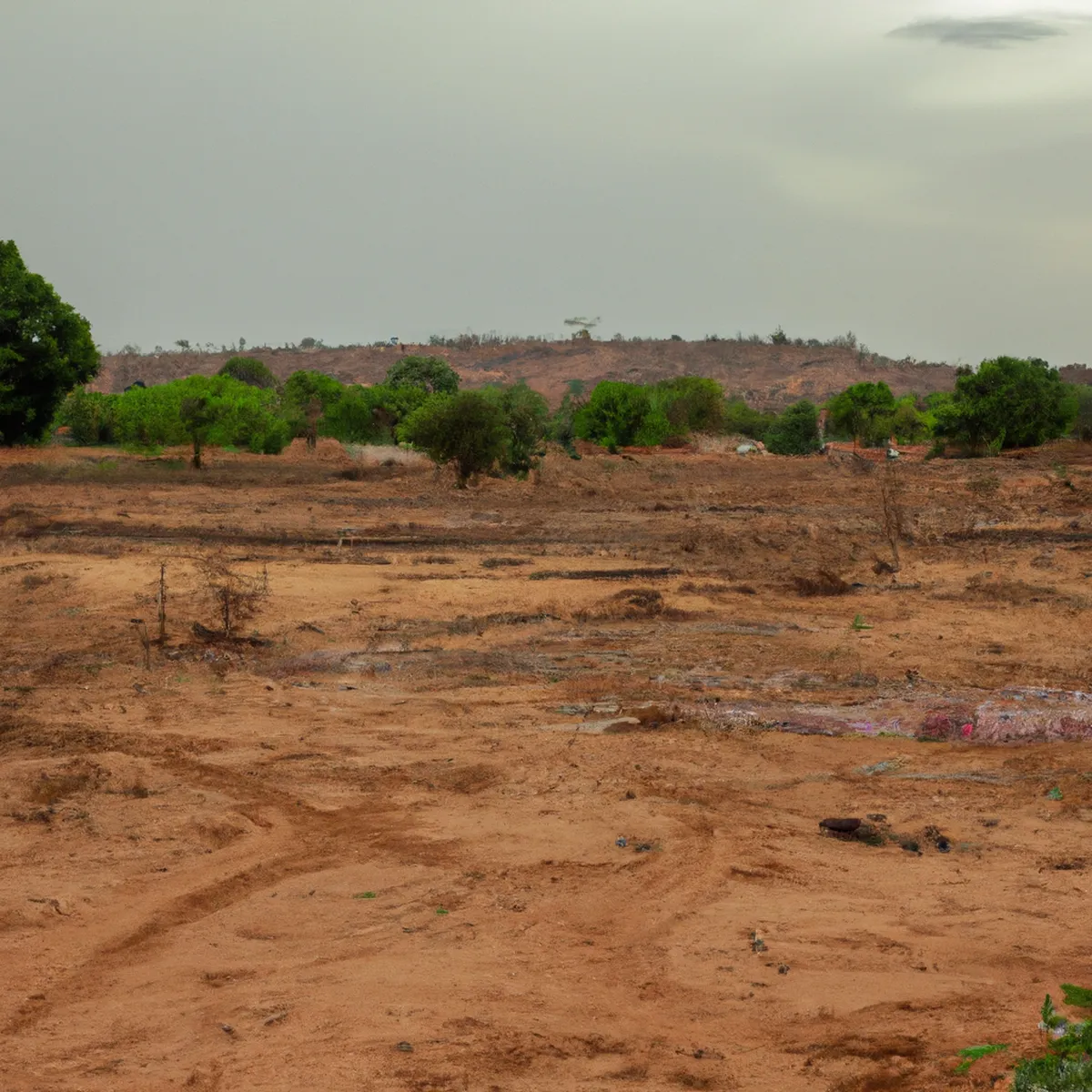
Niger’s natural resources rest on uranium, gold and coal mining, with coal reserves of about 90 million tonnes (2023), mined in the Agadez area. What natural resources does Niger have besides minerals? The country has 33.65 km³ of renewable freshwater resources, the Niger River, and biodiversity that includes 507 bird species, with the African elephant as its emblematic wildlife.
The Republic of Niger, in West Africa, has a wide variety of natural resources that have been fundamental to its economy and development. Notable among them are the mining of uranium and other minerals, and agriculture and fishing along the banks of the Niger River.
Table de contenidos
The country also has rich biodiversity, including animal and plant species found nowhere else in the world. However, the exploitation and management of these resources have been a source of controversy and challenges for the government and the local population.
What are Niger’s natural resources? What natural wealth does the country have? What are its mineral resources, and how does it rank globally? How much water does it have, and how does it generate energy?
Natural resources
Natural resources are materials or energy sources provided by or found on Earth that are useful to humans. Every product we manufacture is made up of natural resources.
- Renewable resources: these can be restored by natural processes faster than the rate at which they are consumed. Examples include solar radiation, wind, hydroelectric power, water when used properly, and plant and animal life.
- Non-renewable resources: once extracted, these are depleted and cannot regenerate. Examples include hydrocarbons, metals and minerals.
Examples of Niger’s main natural resources
Environmental indicators for Niger
Official data on forests, water, energy and threatened species.
| Forest cover | 0.8% of land area2023 |
|---|---|
| Renewable freshwater per capita | 138 m³ per year2022 |
| Electricity from renewable sources | 7.8% of total generation2021 |
| Threatened species | 37 mammals, birds, fish and plants2022 |
| Protected land area | 21.0% of land area2025 |
| Arable land | 14.0% of land area2023 |
Oil resources in Niger
Niger produced 8,000 barrels of oil per day in 2021, which places it 58th in the world for oil production. It also had oil reserves of 150,000,000 barrels in 2022, ranking 66th in the world for oil reserves.
Examples of Niger’s mineral resources
In Niger, coal reserves amount to about 90 million tonnes (2023). Although this African country has a significant amount of coal, its production and export of this resource are very limited because of a lack of adequate infrastructure and technology.
Niger’s main resource-producing region is the Agadez area, which has major uranium deposits, mined around Arlit. Niger’s first industrial-scale gold mine, Samira Hill, is in the Tillabéri region, and its oil comes from the Agadem basin in the northeast of the country.
Water resources of Niger
Niger had 33.65 km³ of renewable freshwater resources in 2020, which places it 95th in the world ranking of water reserves. This African country is crossed by the Niger River, and its main lake is Lake Chad.

Despite these freshwater reserves, Niger faces challenges in water management and distribution, which affect its population and economy.
Average rainfall and soils of Niger
Niger has an average annual rainfall of 151 mm, which places it 148th in the world ranking for average annual rainfall. Because of this low moisture, Niger’s soils are mostly arid and semi-arid, which makes agriculture, and life in general, difficult in some parts of the country.
Forest resources of Niger
Niger has limited forest resources: its forest area represents only 0.85% of its land area, equivalent to 10,797 km². Globally, it ranks 116th for forest area.
Niger’s main forest region is the Niger River basin, home to acacia and baobab woodlands, although deforestation and desertification are serious problems in the region.
Environmental performance and protection of Niger’s natural resources
In Niger, natural resources are very important for sustainable development. The country has a 2024 Environmental Performance Index score of 40.0 and ranks 125th in the index, according to Yale’s 2024 Environmental Performance Index. Protected areas make up 21% of the country’s land area (World Bank, 2025).
Natural parks of Niger: the hidden wealth of natural resources
Biodiversity: animal and plant resources of Niger
Birds of Niger
Niger, a country in West Africa, has a rich diversity of birds, with a total of 507 recorded species according to the latest data from Mongabay (worldrainforests.com).
However, 16 of these species are threatened (World Bank, 2022).

Fish and amphibians of Niger
Niger has significant biological diversity and is home to 11 amphibian species and 111 fish species, 3 of which are threatened (World Bank, 2022). Globally, the country ranks 86th for number of amphibian species and 191st for number of fish species.
Mammals of Niger
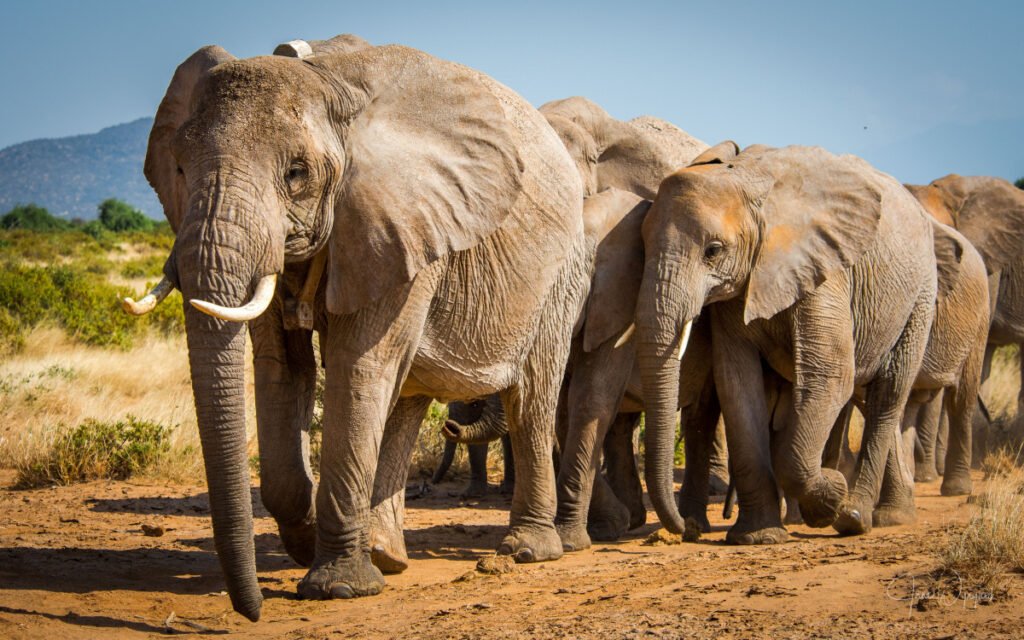
Niger had 14 threatened mammal species in 2022 (World Bank). Even so, its wildlife is a major natural resource, and the African elephant is one of the most emblematic and representative species of the region.
Reptiles of Niger
Niger is home to a variety of reptiles, which are an important natural resource for the country (Mongabay (worldrainforests.com)).
Organizations that protect or study Niger’s natural resources
- IUCN – Works with the government of Niger to protect natural areas and threatened species.
- CARE International – Carries out sustainable natural resource management projects in Niger.
- Oxfam – Supports climate change adaptation and water resource protection initiatives in Niger.
In 2021, Niger was the European Union’s largest supplier of natural uranium: it provided just over 24% of the bloc’s imports, ahead of Kazakhstan, with 2,905 tonnes purchased by European utilities (World Nuclear News, 2023). That metal is the backbone of a resource portfolio that goes far beyond water and forests.
Uranium: the mining legacy of Arlit
Uranium mining is concentrated in the Arlit region, deep in the Sahara. Niger produced 2,020 tonnes in 2022, just over 4% of world production, and mined a cumulative 158,889 tonnes between 1945 and 2024, the ninth-largest historical total on the planet (World Nuclear Association, 2024). France’s Orano owned 63.4% of the SOMAÏR mine until Niger’s government nationalized it in June 2025, and it holds 66.65% of the Imouraren project, whose operating permit the Nigerien authorities withdrew in June 2024.
Oil: crude that now reaches the sea
Since May 2024, this landlocked country has exported crude through a 1,950 km pipeline built and operated by the Chinese oil company CNPC, which links the fields of the Agadem basin to the port of Sèmè in Benin. The infrastructure allows production of 110,000 barrels a day, of which 90,000 are for export (Wikipedia, with sources from CNPC and the press, 2024).
Export agriculture: cowpeas and Sahel livestock
Beyond the mines, the economy rests on subsistence farming and livestock. Niger is the world’s second-largest producer of cowpeas (niébé), behind only Nigeria (Gates Ag One, 2021). Livestock (camels, goats, sheep and cattle) generates about 14% of GDP and supports 29% of the population, while cowpeas and onions lead the export crops (Agriculture in Niger, Wikipedia, with data from the U.S. Department of State).
Frequently asked questions
Does France still control Niger’s uranium? No longer: Orano lost operational control of SOMAÏR in December 2024 and Niger’s government nationalized the mine in June 2025, while the operating permit for Imouraren, where Orano holds 66.65%, was withdrawn in June 2024 (World Nuclear Association, 2026).
When did Niger start exporting oil? The first crude exports through the pipeline to Benin began in May 2024, with capacity to pump 90,000 barrels a day to the Atlantic (Wikipedia, 2024).
Sources used
- Lists of countries by mineral production – Wikipedia
- Economic data by country – The Global Economy
- Forest area (km²) – World Bank
- Forest area (% of land area) – World Bank
- Oil reserves – The Global Economy
- Coal reserves – Worldometers
- Water and agriculture statistics – FAO
- Precipitation (mm) – World Bank
- Environmental Performance Index – Environmental Performance Index
- Bird species – Mongabay
- Amphibian species by country – Mongabay
- Mammal species – Mongabay
- Plant species – Mongabay
- Reptile species by country – Mongabay
- Endemic bird species by country – Our World in Data
Last updated: September 26, 2026
Leave a Reply