

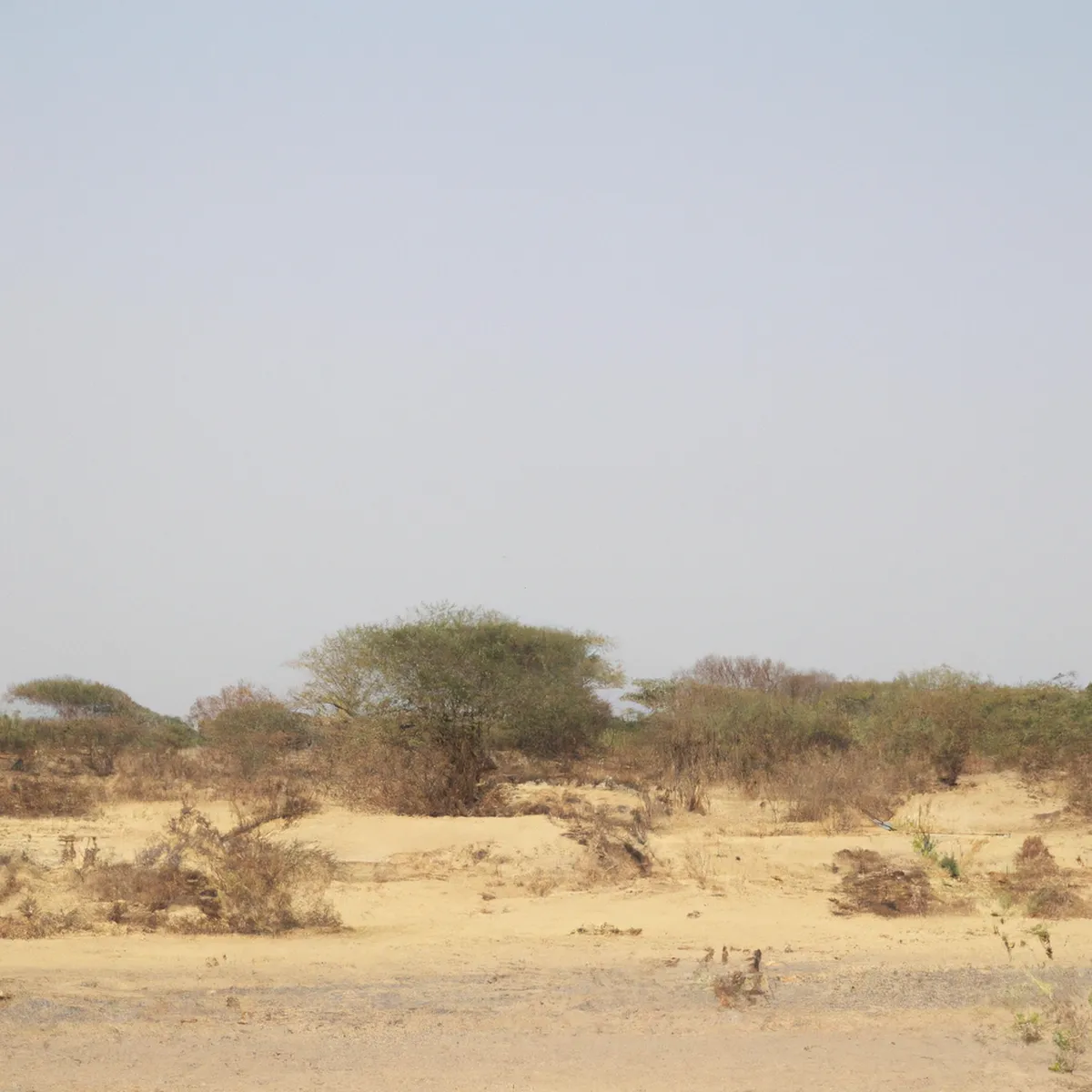
Senegal’s natural resources combine minerals such as phosphate and salt with significant Atlantic fisheries and forest cover on 41.28% of its territory (World Bank 2023). Which of Senegal’s natural resources are most important? Standouts include its 38.8 km³ of renewable freshwater resources and a share of the output of the Manantali hydroelectric plant (200 MW) in neighboring Mali.
Senegal is a country on the west coast of Africa with a great diversity of natural resources. Its ecosystems range from savanna to tropical forests and the Atlantic coast.
Table de contenidos
Senegal’s biodiversity is unique and includes endemic plant and animal species. The country also has important mineral resources, such as phosphate and salt, and rich fisheries along its coasts.
What are Senegal’s most important natural resources? What is the country’s natural wealth like? How much water does it have?
Natural resources
Natural resources are materials or energy sources provided by or found on Earth that are useful to humans. Every product we manufacture is made up of natural resources.
- Renewable resources: these can be restored by natural processes faster than the rate at which they are consumed. Examples include solar radiation, wind, hydroelectric power, water when used properly, and plant and animal life.
- Non-renewable resources: once extracted, these are depleted and cannot regenerate. Examples include hydrocarbons, metals and minerals.
Examples of Senegal’s main natural resources
What Senegal’s land produces
Natural resource rents, fishing and agricultural land use, along with conservation status.
| Natural resource rents | 4.4% of GDP2021 |
|---|---|
| Capture fisheries | 500,077 t per year2024 |
| Agricultural land | 49.4% of land area2023 |
| Arable land | 19.9% of land area2023 |
| Forest cover | 41.3% of land area2023 |
| Protected land area | 27.5% of land area2025 |
Gas resources in Senegal
Senegal has historically produced only small amounts of natural gas.
Water resources of Senegal
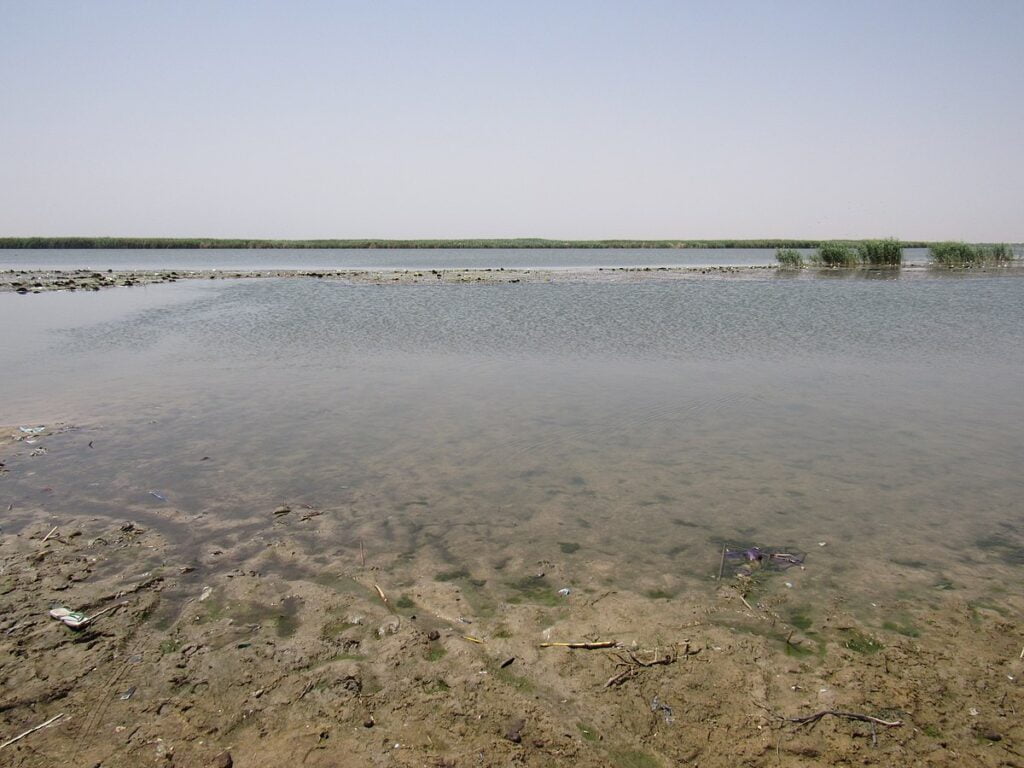
Senegal has 38.8 km³ of renewable freshwater resources, which placed it 89th in the world ranking of water reserves in 2020. This West African country has important water resources, most notably the Senegal and Gambia rivers, as well as Lake Guiers, the country’s main lake.
Average rainfall and soils of Senegal
Senegal has an average annual rainfall of 686 mm, which places it 99th in the world ranking for average annual rainfall. Because of the country’s actual moisture levels, Senegal’s soils range from sandy to clayey, with sandy soils more common in the drier regions and clay soils in the wetter areas.
Renewable electricity and hydropower production in Senegal
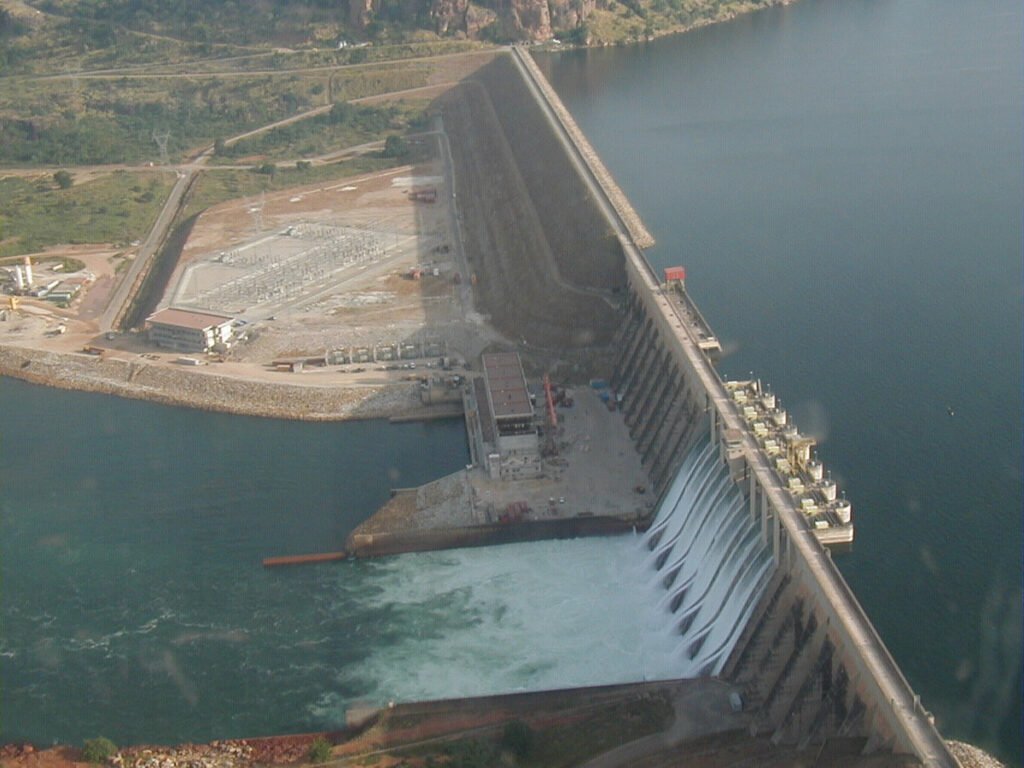
In 2024, Senegal generated 1.5 TWh of electricity from renewable sources — 20% of its total generation of 7.6 TWh — and hydropower supplied 310 GWh (Ember, 2024). The main hydroelectric plant serving the country is Manantali, on the Bafing River in Mali, which Senegal shares with Mali and Mauritania through the OMVS; it has an installed capacity of 200 MW and produces about 740 GWh a year, about 30% of which goes to Senegal.
Forest resources of Senegal
Senegal has a significant amount of forest resources, and its main forest region is the Casamance Forest. According to the World Bank (2023), the country’s forest area covers 41.28% of its land area, equivalent to about 79,500 km².
Thanks to this extent, Senegal ranks 55th in the world for forest area.
Environmental performance and protection of Senegal’s natural resources
Senegal has an Environmental Performance Index (EPI 2024) score of 43.8 and ranks 100th in the index. In addition, protected areas cover 27.5% of its land area (World Bank, 2025).
Natural parks of Senegal: the hidden wealth of natural resources
Biodiversity: animal and plant resources of Senegal
Birds of Senegal
Senegal has a great diversity of birds, with a total of 556 species in 2018, which places it 62nd in the world for number of bird species. Of these, 19 are endangered.
Among the most notable species is the African fish eagle, one of the country’s most emblematic birds.

Fish and amphibians of Senegal
Senegal has 40 amphibian species and 787 fish species; among its fish, the Nile tilapia (Oreochromis niloticus) stands out. Despite its natural wealth, Senegal faces the threat of extinction for 58 fish species.
Globally, the country ranks 62nd for number of amphibian species and 70th for number of fish species.
Mammals of Senegal
Senegal has a great diversity of mammal species, with a total of 189 species in 2016. However, 19 of them are threatened.
Senegal ranks 42nd in the world for number of mammal species.

A standout species is the lion.
Reptiles of Senegal
Senegal has a rich diversity of reptiles, with a total of 129 species recorded in 2019, which places it 61st in the world for number of species. Among the most notable species is the monitor lizard, an important resource for food and traditional medicine in some local communities.

Plants of Senegal
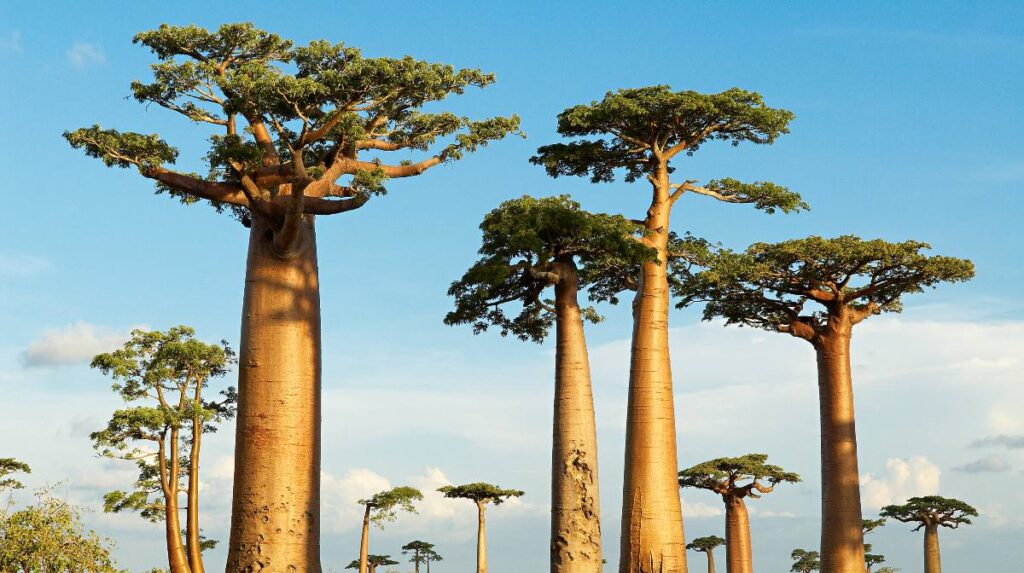
Senegal has a great diversity of vascular plants, with a total of 1,342 species recorded in 2020, which places it 97th in the world. Among the most notable species is the baobab tree, considered the country’s emblematic plant because of its cultural and medicinal importance.
Organizations that protect or study Senegal’s natural resources
- Ministry of Environment and Ecological Transition (Ministère de l'Environnement et de la Transition Écologique): Senegalese ministry that leads national environmental policy and the ecological transition.
- Directorate of Water, Forests, Hunting and Soil Conservation (Direction des Eaux et Forêts, Chasses et de la Conservation des Sols, DEFCCS): National directorate that manages forests, hunting and soil conservation in Senegal.
- Directorate of Community Marine Protected Areas (Direction des Aires Marines Communautaires Protégées, DAMCP): Government directorate that manages Senegal’s community marine protected areas.
- Wetlands International Afrique: International organization that conserves and restores Senegal’s coastal wetlands.
- International Union for Conservation of Nature (IUCN): International union with an office in Dakar that works to conserve African biodiversity.
- Panthera Senegal: International NGO that protects lions and other wild cats in Niokolo-Koba National Park.
Senegal became an oil-producing country for the first time in its history on June 11, 2024, when the Sangomar field achieved first oil about 100 km offshore (World Oil, 2024). The discovery adds a new resource to an economy that already relied on phosphates and gold.
Oil: Sangomar, the first offshore field
Sangomar is Senegal’s first deepwater oil project. Crude is produced through the Léopold Sédar Senghor FPSO, a floating unit with a production capacity of 100,000 barrels a day and storage for 1.3 million barrels (MODEC, 2024). The field is operated by Woodside Energy with an 82% stake, while state-owned PETROSEN holds the remaining 18% (World Oil, 2024).
Phosphates: a historic mining pillar
Senegal is one of West Africa’s traditional producers of phosphate rock, with annual output of close to 2.6 million tonnes (Intergovernmental Forum on Mining, 2023). Its reserves are around 50 million tonnes according to USGS data, concentrated mainly in the Taïba area (World Population Review, with USGS data, 2024). Phosphate feeds the fertilizer industry and is one of the country’s oldest exports.
Gold: Sabodala-Massawa leads the way
Gold is the other major mineral resource. Sabodala-Massawa, in the southeast of the country about 650 km from Dakar, is Senegal’s largest gold mine and produced around 294,000 ounces in 2023 (Endeavour Mining, 2024). It is operated by Endeavour Mining with a 90% stake, and the Senegalese government holds the other 10%.
Frequently asked questions
When did Senegal start producing oil? In June 2024, when the Sangomar field began producing crude, with a capacity of 100,000 barrels a day, in what was the country’s first offshore oil project (MODEC, 2024).
What is Senegal’s largest gold mine? Sabodala-Massawa, in the southeast of the country, which produced close to 294,000 ounces of gold in 2023 and is operated by Endeavour Mining (Endeavour Mining, 2024).
Sources used
- Economic data by country – The Global Economy
- Forest area (km²) – World Bank
- Forest area (% of land area) – World Bank
- Water and agriculture statistics – FAO
- Precipitation (mm) – World Bank
- Environmental Performance Index – Environmental Performance Index
- Bird species – Mongabay
- Amphibian species by country – Mongabay
- Mammal species – Mongabay
- Endemic mammal species – Our World in Data
- Plant species – Mongabay
- Reptile species by country – Mongabay
- Endemic bird species by country – Our World in Data
The FAO noted in 2023 that Senegal is one of West Africa’s leading producers of peanuts (groundnuts) and one of the continent’s leading fish exporters.
Last updated: September 26, 2026
Leave a Reply