


Guinea-Bissau’s natural resources stand out for their forests, fisheries and coastal biodiversity. How much forest does Guinea-Bissau have? Forests cover 69.5% of its territory, about 19,547 km², and the country is home to 490 bird species and 143 mammal species, including the common chimpanzee.
Guinea-Bissau, located on the west coast of Africa, has a wide variety of natural resources. Biodiversity is one of its main attractions, with a large number of animal and plant species that are unique in the world.
Table de contenidos
It also has significant mineral reserves and fishery resources. However, the improper exploitation of these resources has led to a considerable loss of biodiversity and to environmental problems.
What are Guinea-Bissau’s most notable natural resources, and how rich is its natural wealth? What mineral resources does it have, and how does it rank globally? How is its land used, and how is Guinea-Bissau’s biodiversity protected?
Natural resources
Natural resources are materials or energy sources provided by or found on Earth that are useful to humans. Every product we manufacture is made up of natural resources.
- Renewable resources: these can be restored by natural processes faster than the rate at which they are consumed. Examples include solar radiation, wind, hydroelectric power, water when used properly, and plant and animal life.
- Non-renewable resources: once extracted, these are depleted and cannot regenerate. Examples include hydrocarbons, metals and minerals.
Examples of Guinea-Bissau’s main natural resources
Guinea-Bissau in figures: threatened biodiversity
Species at risk and protected areas, with the latest available data.
| Threatened species | 112 mammals, birds, fish and plants2022 |
|---|---|
| Protected land area | 26.2% of land area2025 |
| Marine protected areas | 9.1% of its waters2025 |
| Forest cover | 69.5% of land area2023 |
| Annual change in forest area | −84 km² per year (2018–2023) |
| Land area | 28,120 km²2023 |
Average rainfall and soils of Guinea-Bissau
Guinea-Bissau has an average annual rainfall of 1,577 mm, which places it 46th in the world. Because of this high humidity, Guinea-Bissau’s soils are generally moist and fertile, which favors the growth of a wide variety of crops and vegetation.
Forest resources of Guinea-Bissau
Guinea-Bissau is a forest region of great importance, with forest covering 69.5% of its territory, an area of 19,547 km² (2023 data, TheGlobalEconomy/World Bank, 2023). This natural resource is key to the economy and the population, as it provides timber, food and other essential products.
Globally, Guinea-Bissau ranks 103rd in forest area.
Environmental performance and protection of Guinea-Bissau’s natural resources
Guinea-Bissau has an Environmental Performance Index (2024) score of 42.0 and ranks 112th on the Environmental Performance Index (EPI 2024). In addition, terrestrial and marine protected areas make up 13.2% of its total territorial area (26.2% of its land and 9.1% of its waters; World Bank, 2025), which shows its commitment to conserving natural resources.
Natural parks of Guinea-Bissau: the hidden wealth of natural resources
Biodiversity: animal and plant resources of Guinea-Bissau
Birds of Guinea-Bissau
Guinea-Bissau has a total of 490 bird species, which places it 85th in the world (worldrainforests.com). However, 12 of its species are endangered, so it is essential to protect and conserve this natural resource.
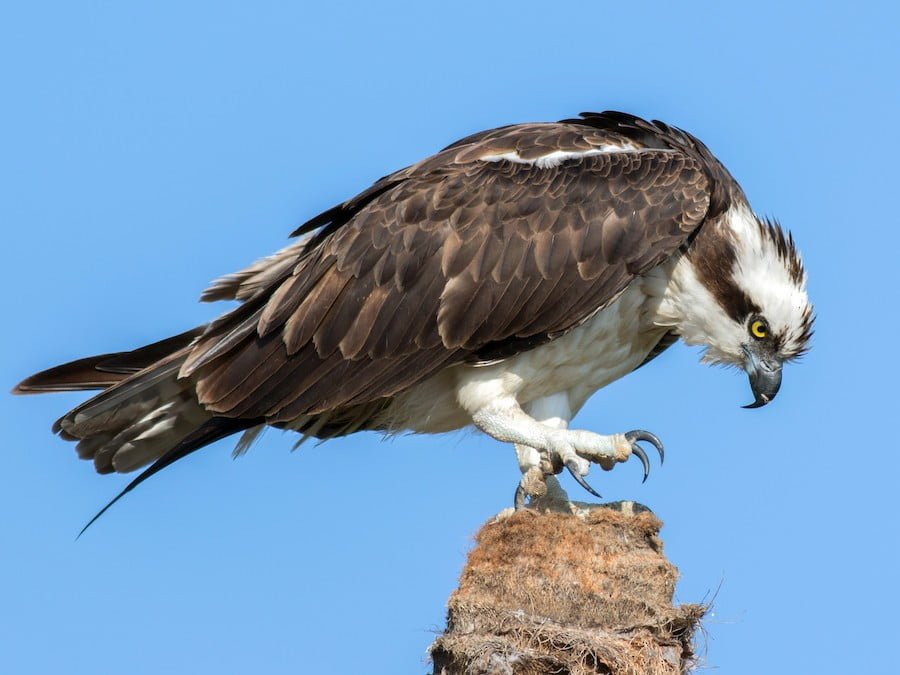
Among the most notable species is the osprey, one of the country’s most emblematic birds.
Fish and amphibians of Guinea-Bissau
The country has 21 recorded amphibian species, ranking 76th in the world. It also has a total of 697 fish species (worldrainforests.com). However, 41 of these species are threatened.
Mammals of Guinea-Bissau
Guinea-Bissau has a total of 143 recorded mammal species (worldrainforests.com). However, 14 of these species are threatened.
Guinea-Bissau ranks 64th in the world for number of recorded mammal species.
The common chimpanzee stands out.
Reptiles of Guinea-Bissau
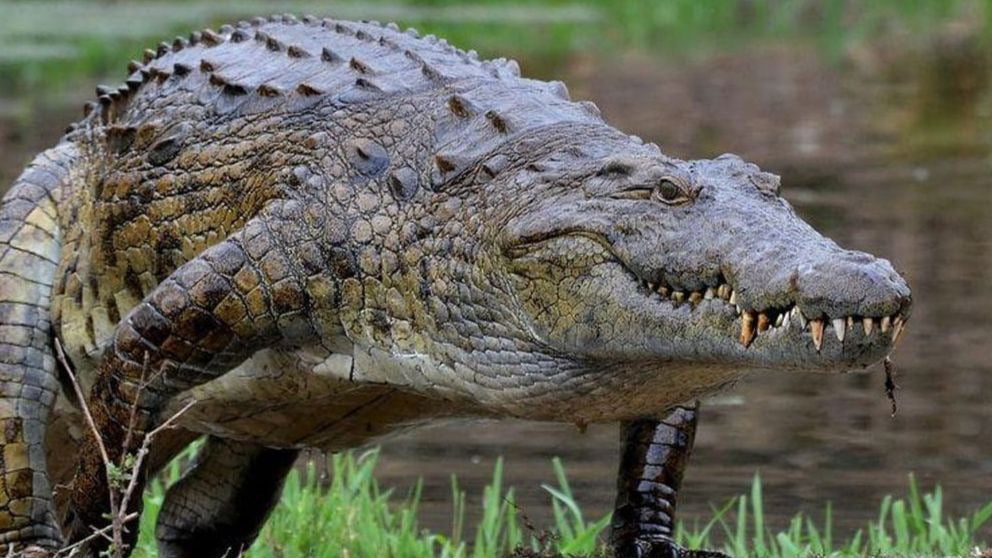
Guinea-Bissau has a rich diversity of reptiles, with a total of 65 recorded species, placing it 90th in the world (worldrainforests.com). A standout is the West African crocodile (Crocodylus suchus), which lives in the region’s rivers and mangroves.
Plants of Guinea-Bissau
Guinea-Bissau has a rich diversity of vascular plants, with a total of 841 recorded species (data compiled between 2017 and 2021, according to worldrainforests.com), placing it 104th in the world. Among the most notable species is the oil palm, the country’s main plant and an important source of income for the local economy.
Cashew nuts account for about 90% of Guinea-Bissau’s exports, which makes the country one of the economies on the planet most dependent on a single agricultural product (Trading Economics, 2026). That concentration shapes the rest of its natural resources, many of which remain untapped.
Cashews: almost the entire export basket
Guinea-Bissau was the world’s ninth-largest cashew producer in 2019, according to FAO data (FAOSTAT). The crop underpins rural incomes: in 2025, GDP grew 5.8%, driven by a good harvest and favorable farm-gate prices (World Bank, 2025). Almost all of the crop is sold raw, with India as the main buyer, and there is little local processing to add value.
Fisheries: the Atlantic EEZ under foreign licenses
The country’s waters include an exclusive economic zone rich in fish and shrimp, partly exploited by foreign fleets. The sustainable fisheries agreement with the European Union, in force since 1980, provides €17 million a year, €4.5 million of which is earmarked for national fisheries policy, under the 2024–2029 protocol (European Commission, 2024). Fish and shrimp are the second-largest export item, after cashews.
The Bijagós archipelago, a marine reserve
The Bijagós comprise some 88 islands and islets spread over 12,958 km² of waters, sandbanks and mangroves. The archipelago was declared a UNESCO Biosphere Reserve in 1996 and a Ramsar site in 2014, and in 2025 its coastal and marine ecosystem was added to the World Heritage List (UNESCO/Ramsar). Its mangroves serve as fish nurseries and as a refuge for migratory birds and sea turtles.
Sources used
- Forest area (km²) – World Bank
- Forest area (% of land area) – World Bank
- Water and agriculture statistics – FAO
- Precipitation (mm) – World Bank
- Environmental Performance Index – Environmental Performance Index
- Bird species – Mongabay
- Amphibian species by country – Mongabay
- Mammal species – Mongabay
- Endemic mammal species – Our World in Data
- Plant species – Mongabay
- Reptile species by country – Mongabay
- Endemic bird species by country – Our World in Data
The FAO reported in 2023 that Guinea-Bissau relies on cashew exports for more than 90% of its export earnings.
Organizations that protect or study Guinea-Bissau’s natural resources
- Instituto da Biodiversidade e das Áreas Protegidas (IBAP): Institute for Biodiversity and Protected Areas, the national body that manages Guinea-Bissau’s biodiversity and protected areas.
- Ministério do Ambiente e Biodiversidade da Guiné-Bissau: Ministry of Environment and Biodiversity, responsible for environmental policy and the conservation of natural resources.
- Tiniguena — Esta Terra é Nossa: Bissau-Guinean NGO that promotes the conservation of natural and cultural resources.
- Wetlands International (Guinea-Bissau): International organization that restores mangroves and coastal wetlands in Guinea-Bissau.
- IUCN – International Union for Conservation of Nature: International conservation union with programs in Guinea-Bissau.
Last updated: September 26, 2026
Leave a Reply